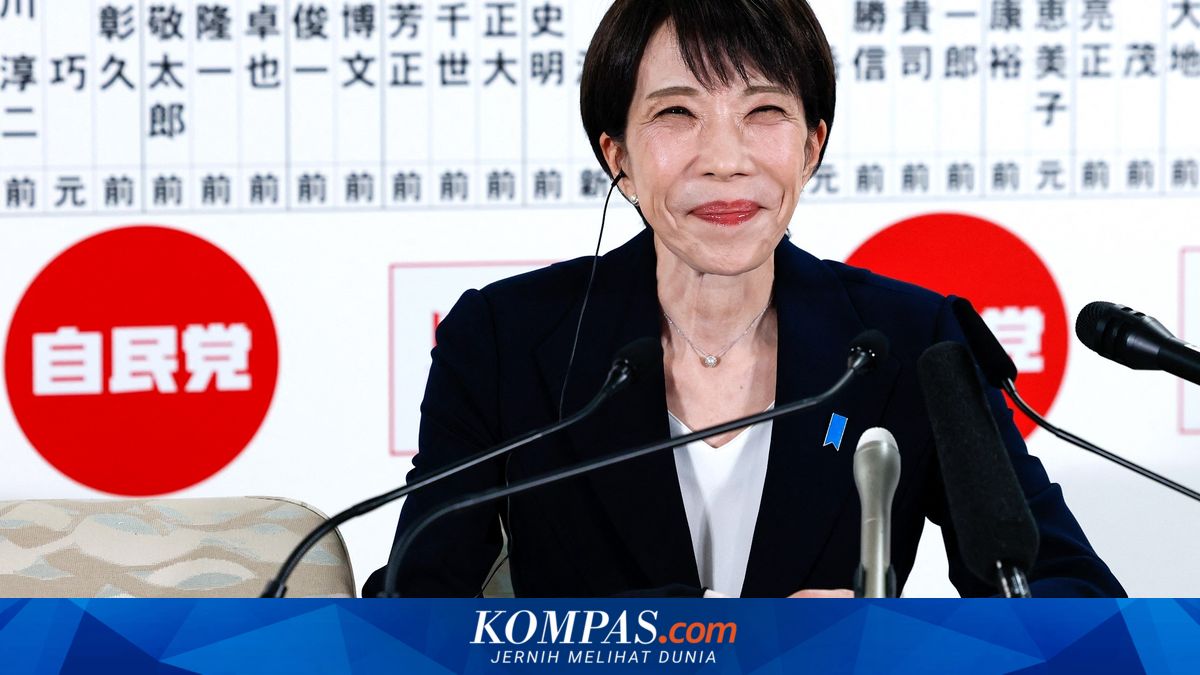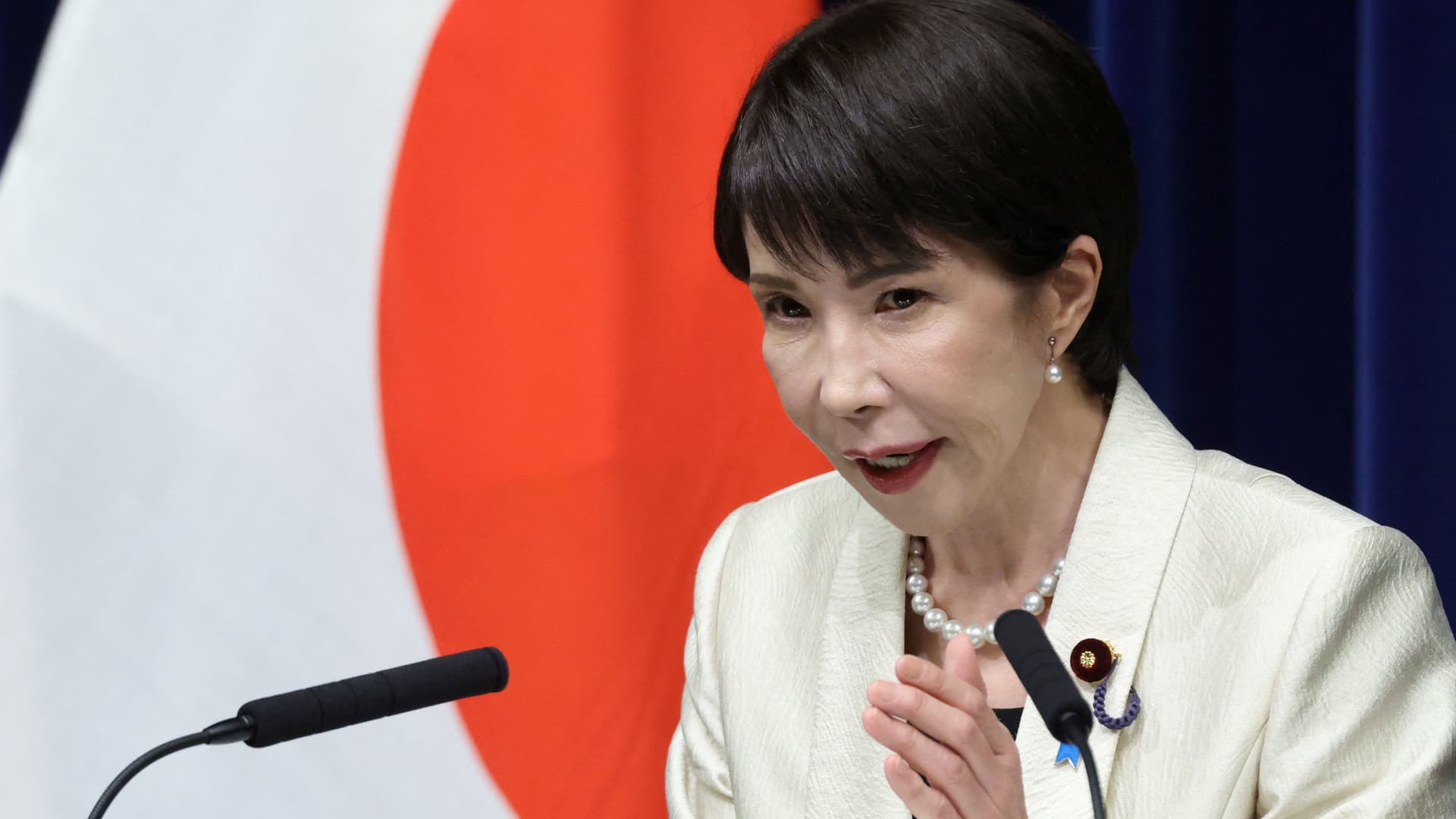
On 5 August 2026, the Japanese government approved Prime Minister Sanae Takaichi’s plan to reduce the consumption tax on food from 8 per cent to 1 per cent for two years, effective from April 2027. But a number of fundamental problems seem to stand in the way of the policy achieving its goals.
Japan adopted a uniform consumption tax rate of 3 per cent in 1987 which was then raised incrementally to 10 per cent by October 2019, when non-uniform tax rates were introduced. Until then, the single consumption tax rate, meaning that relative prices were largely unaffected by tax rate changes and tax administration remained simple. The 2019 shift held the rate for food and newspapers at 8 per cent and increased the rate on other consumer goods by 2 per cent.
Takaichi announced her initial proposal to reduce the consumption tax on food products to zero per cent for a period of two years in February 2026, aiming to alleviate temporarily the burden of rising prices on middle‑ and lower‑income households. A cross‑party National Council was set up to implement the reduction, which Takaichi had repeatedly described as a ‘long‑cherished wish’ of hers.
Although Takaichi said that the consumption tax reduction would not rely on special deficit financing bonds, no clear financing strategy has been announced. And owing to differences in party priorities, fiscal ambiguity, political risks inherent in a two‑year temporary measure and technical and administrative impediments, the National Council has yet not produced any convincing policy measure of support for the Takaichi cabinet’s original proposal.