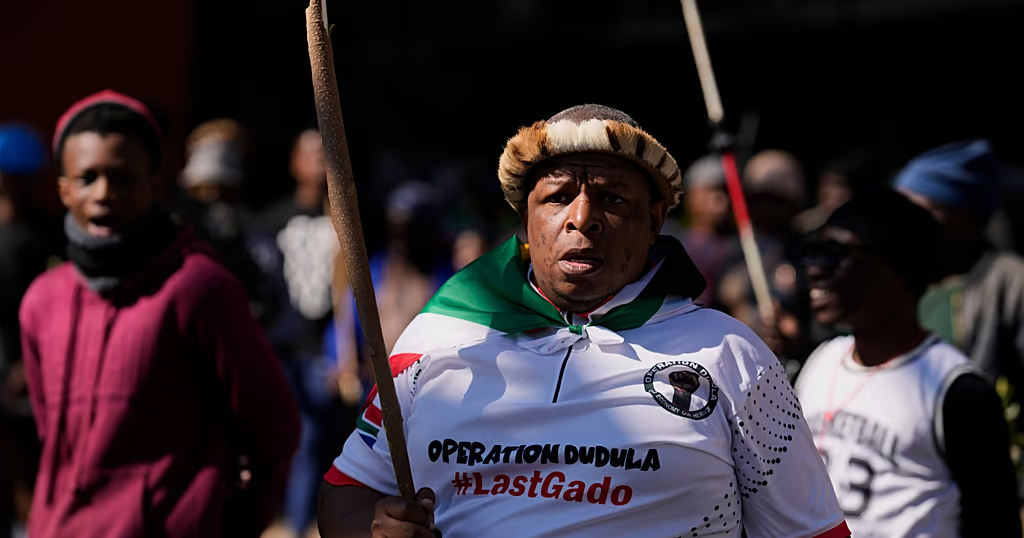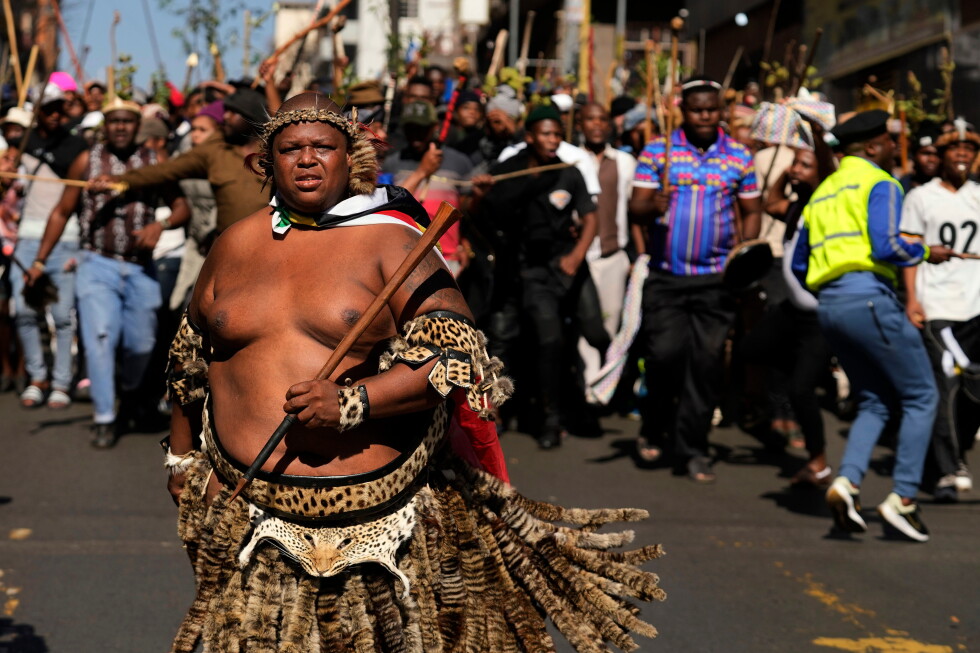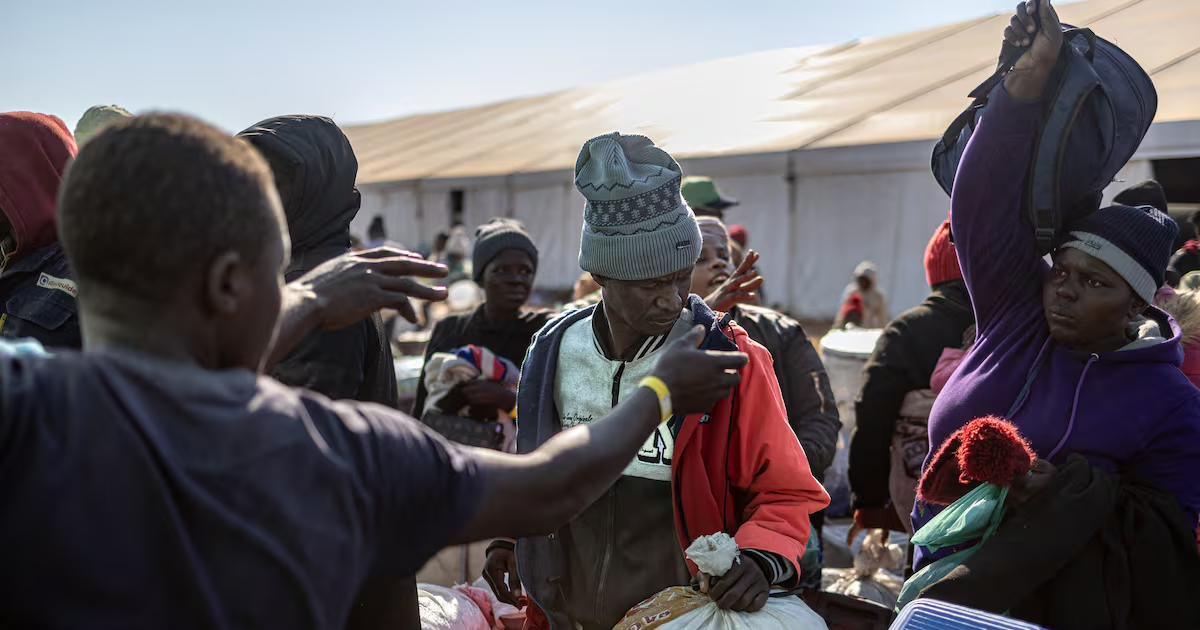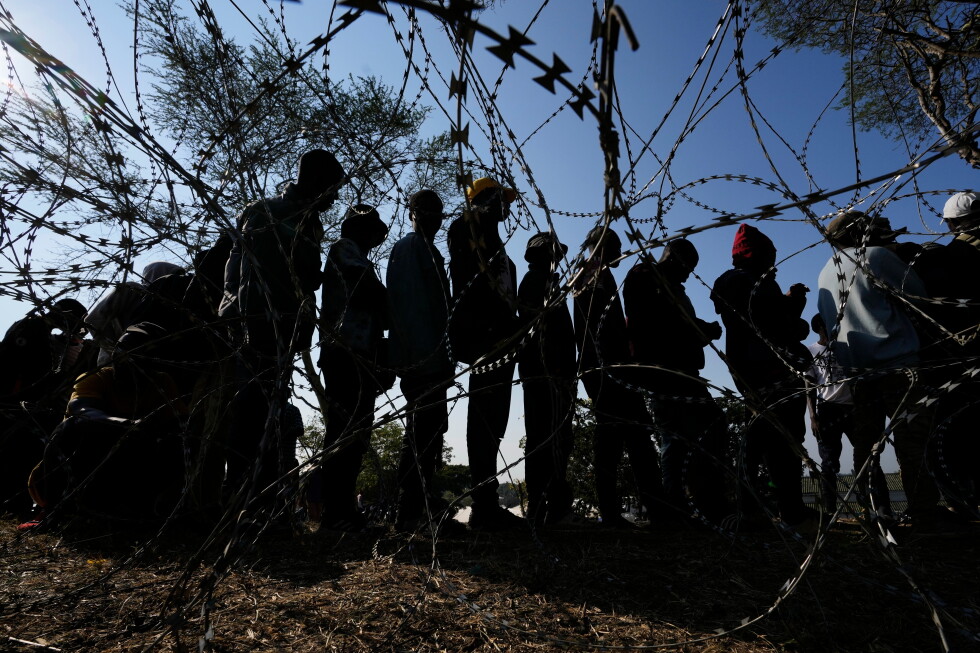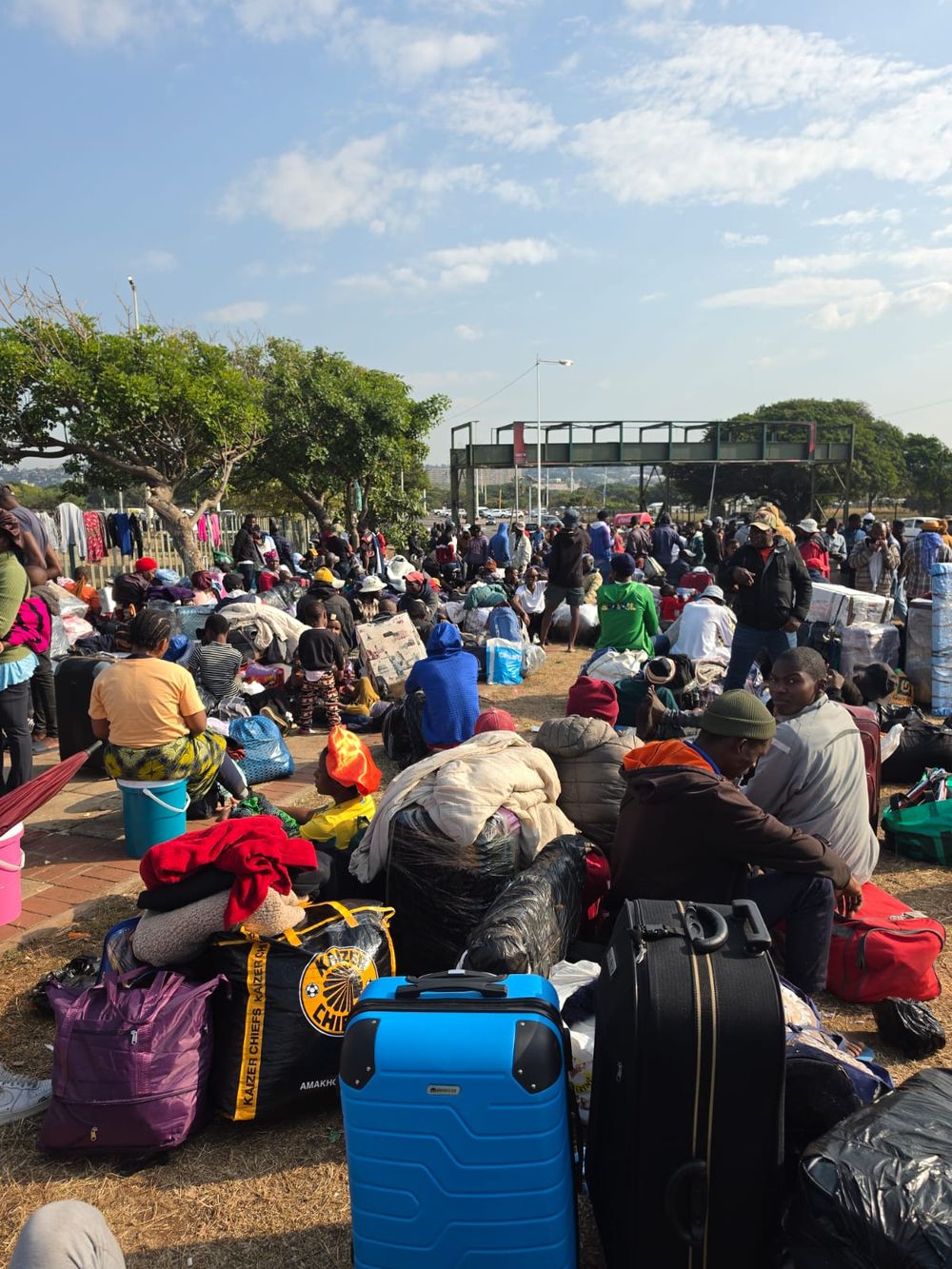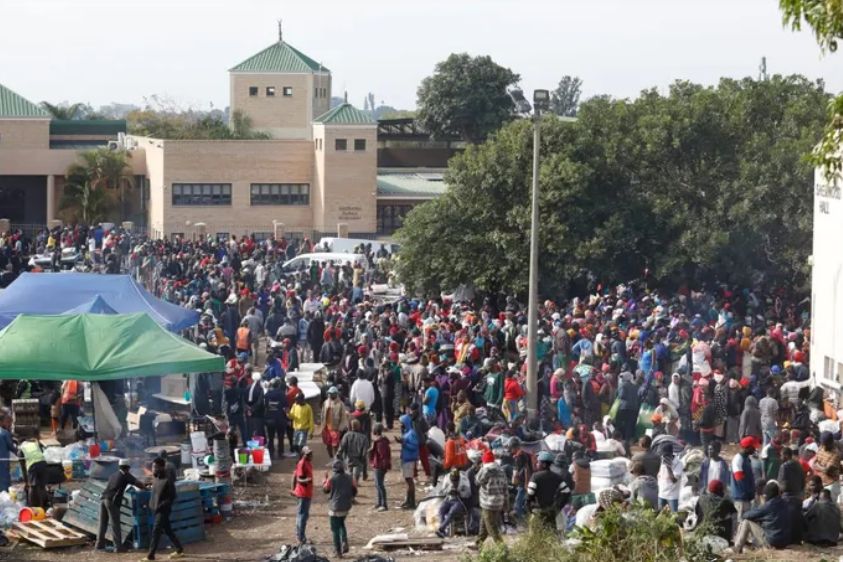
The emergency repatriation programme for Malawians affected by violence in South Africa concludes after months of upheaval, with those still wanting to return now required to fund their own travel.
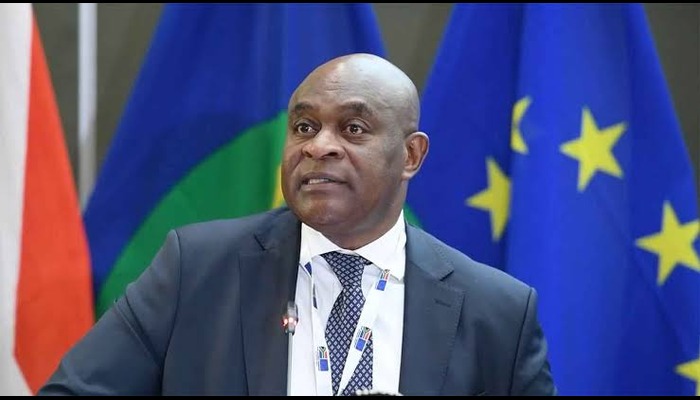
Director-General Tommy Makhode did not dress up the numbers. Briefing Parliament's home affairs committee, he was candid: "We have not budgeted for this... repatriations are not provided for in terms of our legislative frameworks." That is an unusual degree of transparency from a government department, and it matters. South Africa is not quietly absorbing the cost and hoping nobody notices, it is putting the figure on record, informing Parliament, and pursuing every legitimate avenue, including engagement with the National Treasury, before asking its own citizens to shoulder a bill of this size.
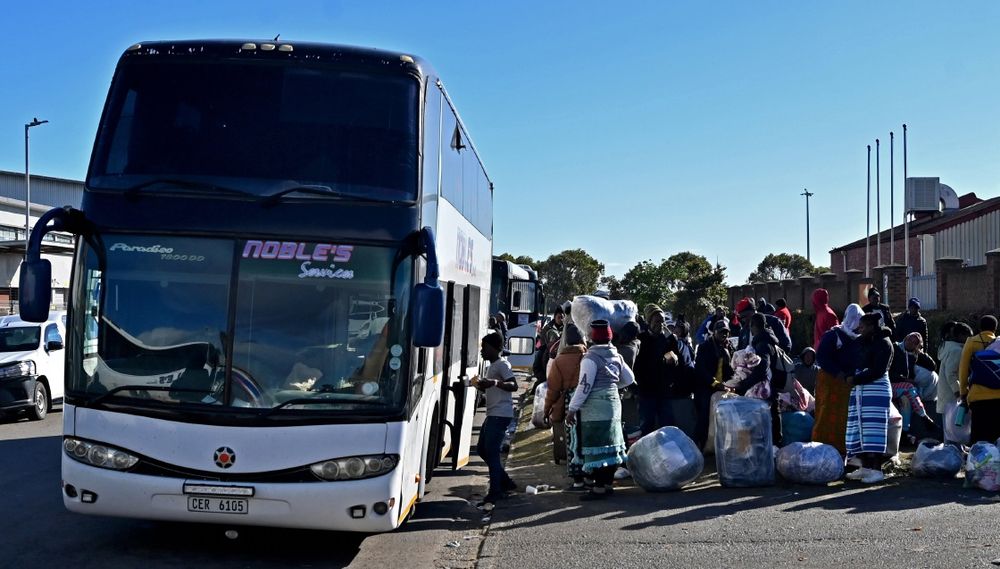
The scale explains the strain. Home Affairs recorded 82,875 people processed for deportation or repatriation by early August; the Border Management Authority counted closer to 90,000 through official ports of exit. Whichever figure is used, it is more than five times what the department's existing deportation allocation was built for. Municipalities such as eThekwini and Cape Town had to be reimbursed simply for the buses they supplied. This was never going to be cost-neutral, and pretending otherwise would have been dishonest budgeting.