Story audio is generated using AI
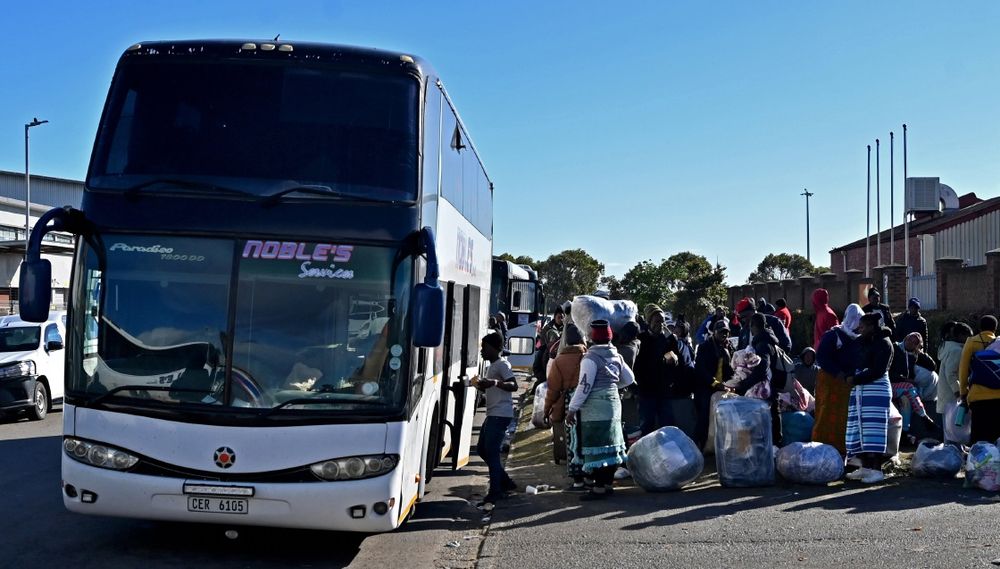
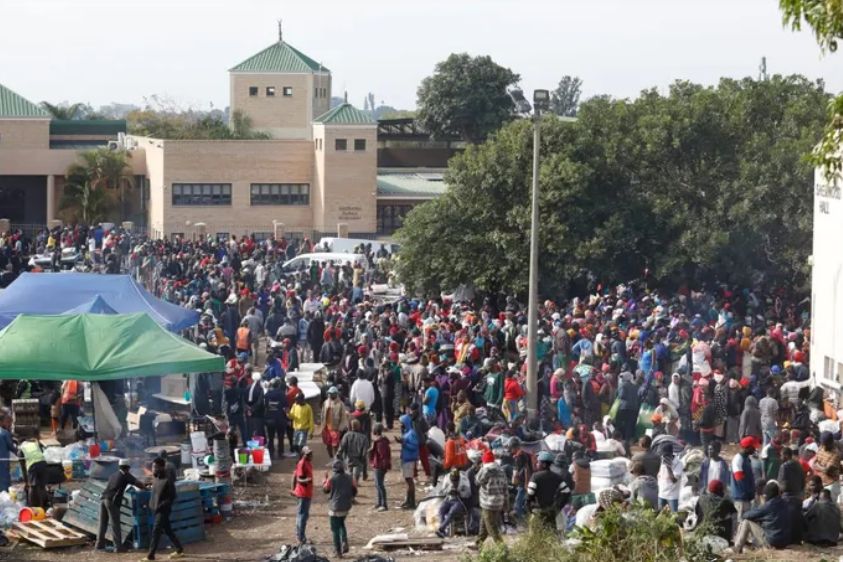
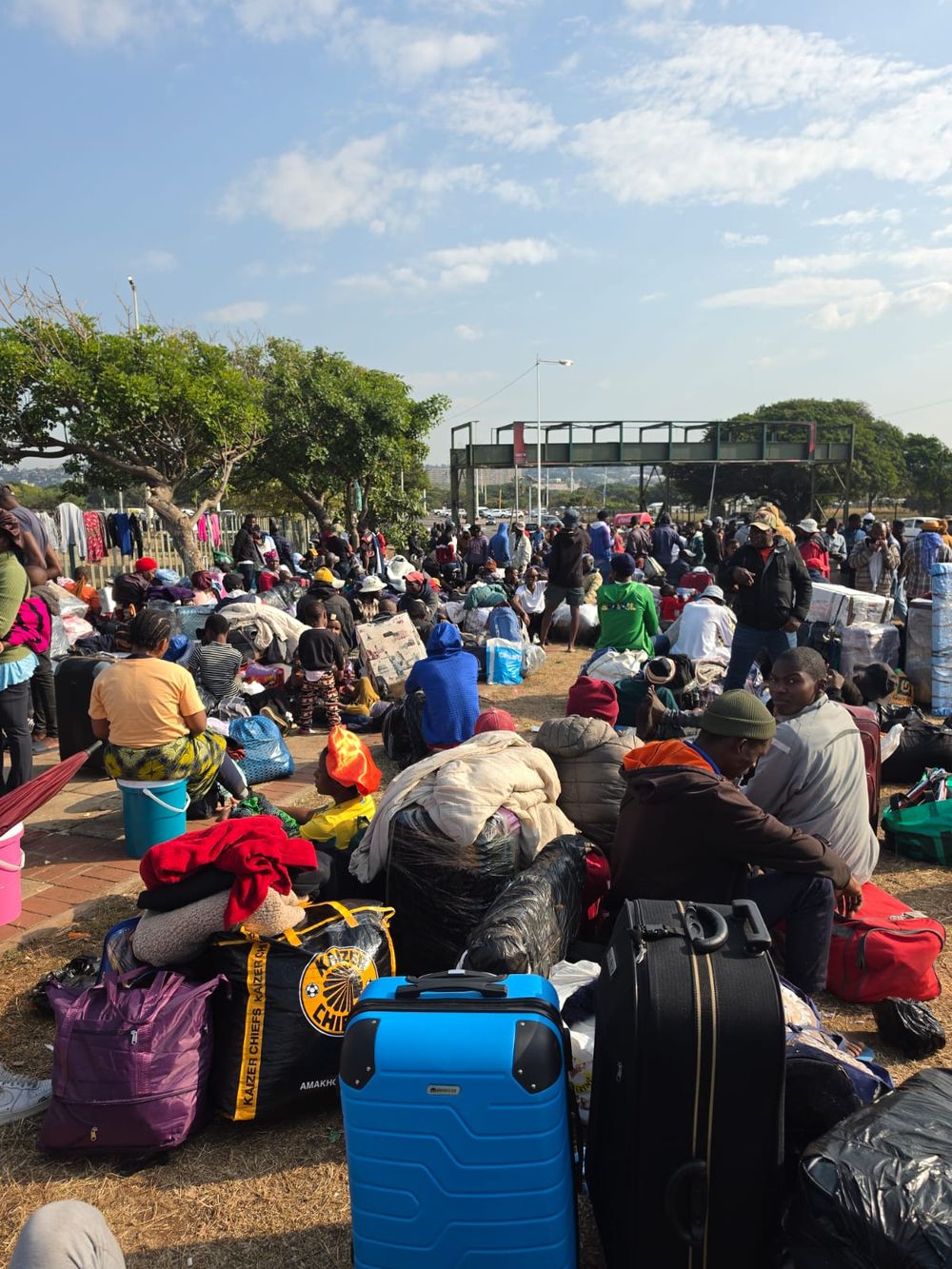
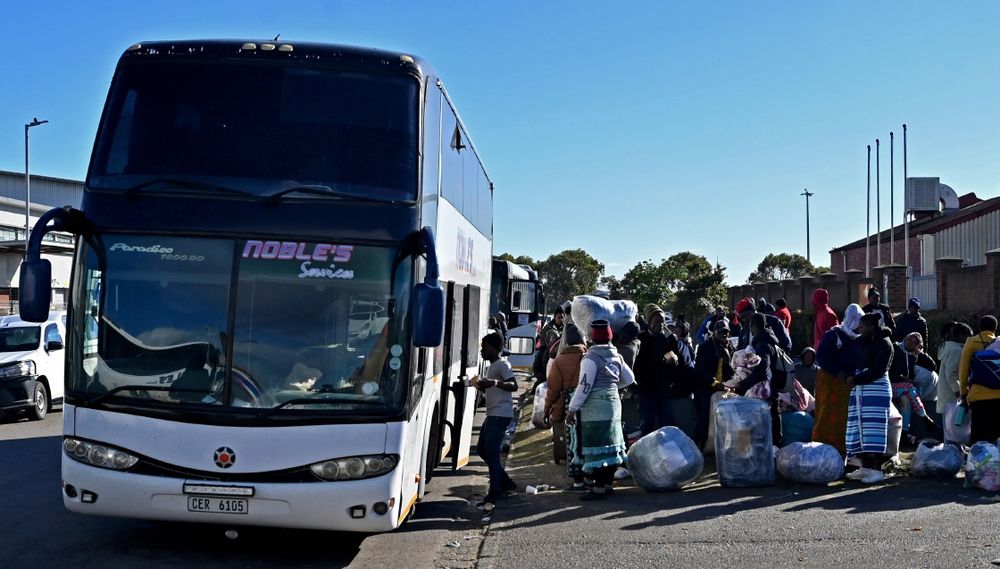
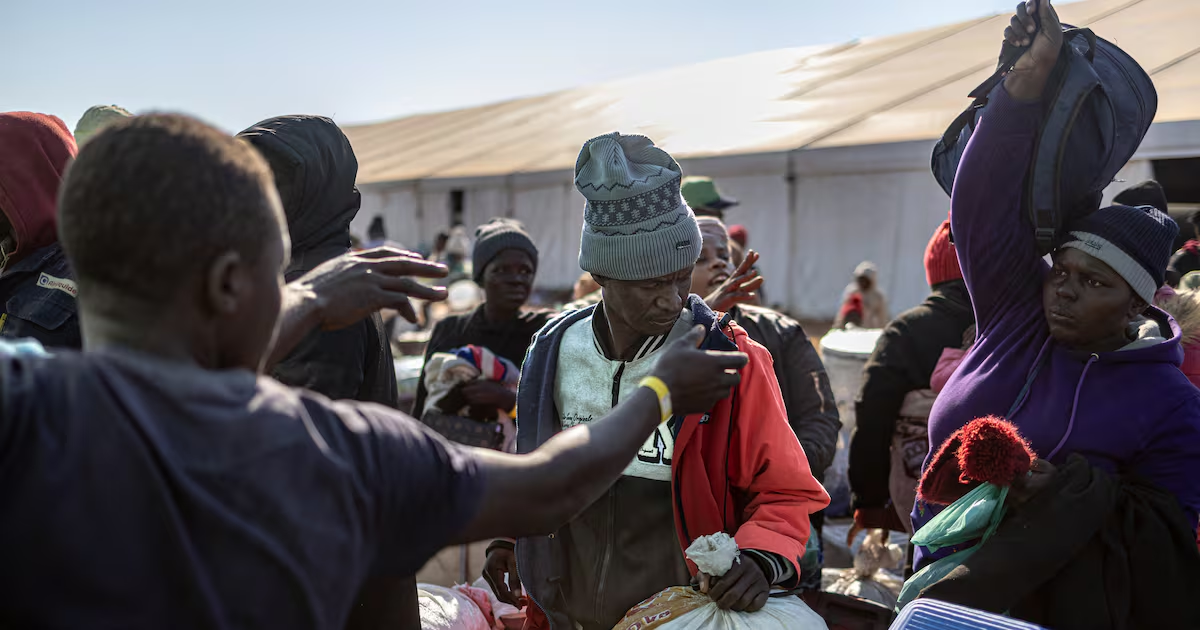
The mass repatriation of undocumented foreign nationals has cost the state almost R293m, more than five times the department of home affairs’ annual allocation for deportations.The department is now seeking additional funding for an operation it says was not budgeted for.Home affairs director-general Tommy Makhode told parliament’s portfolio committee on home affairs on Tuesday that the department and other government entities involved in the operation had not budgeted for the large-scale repatriation drive.“We have not budgeted for this,” Makhode said. “Repatriations are not provided for in terms of our legislative frameworks. So to date, this is what we’ve spent: R292m.”The department’s presentation put the known cost at R292.77m. The largest component is R203.5m for buses procured through a travel agency, while the department of public works & infrastructure spent R48m establishing and operating the temporary repatriation processing centre in Musina.Home affairs received R60m from the criminal assets recovery account for the operation. Makhode said the department had submitted a memorandum through the budget process seeking funding for the unforeseen and unavoidable expenditure.The department is also seeking reimbursement from the governments of Malawi, Nigeria and Ethiopia for costs incurred in repatriating their nationals.The scale of the repatriation operation has grown rapidly. The Border Management Authority (BMA) told the committee that 89,936 people had been repatriated through South Africa’s ports of entry by August 7.Home affairs recorded 82,875 people processed for deportation and repatriation by August 6. The figures cover different stages of the process, with the BMA recording people who ultimately passed through ports of entry and home affairs recording people processed through its repatriation and deportation system.The BMA’s figures show the operation is overwhelmingly regional. More than 54,000 of those repatriated were Malawian nationals, while about 27,000 were Zimbabwean nationals who exited through the Beitbridge corridor. Mozambicans were the third-largest group.Home affairs carried out 51,560 deportations in 2024/25 and 57,784 in 2025/26. The department said deportations increased by 46% over the two years, attributing the increase to intensified enforcement, biometric verification and compliance campaigns. The longer-term trend has also been upwards, from 14,859 deportations in 2020/21 and 20,093 in 2021/22 to 22,560 and 39,672 in the subsequent two years. The Musina temporary repatriation processing centre was established after the number of people seeking to leave the country overwhelmed existing arrangements and created what Makhode described as a humanitarian emergency.The facility was designed to accommodate up to 20,000 people. Makhode said its operations were now being scaled back as the number of people being processed declined.The R293m expenditure is significantly higher than home affairs’ normal budget for deportations. The department’s presentation shows a R57m allocation for deportations through Lindela for 2026/27, meaning the known cost of the broader repatriation operation is more than five times that allocation.Makhode said transport accounted for the bulk of the additional expenditure, with municipalities including eThekwini and Cape Town reimbursed for buses they arranged to transport people to processing facilities.The BMA separately incurred R11.8m in additional costs, primarily for deploying extra officials to Beitbridge as large numbers of people arrived from repatriation facilities elsewhere in the country.The financial pressure comes as the government builds a broader enforcement system to identify, process, remove and prevent the re-entry of undocumented migrants.The operation forms part of the government’s five-point approach to migration management, approved by cabinet in June. The plan focuses on enforcing immigration and labour laws, securing borders, strengthening the immigration system, closing gaps in laws and policies, and increasing regional co-operation.Home affairs has also expanded the use of dedicated courts to process immigration cases. Between April and June, a total of 28,736 illegal immigration cases were finalised nationally, with Gauteng accounting for 13,312.The department plans to establish a dedicated immigration court at OR Tambo International Airport and to expand the Lindela court from one to two dedicated courtrooms.The number of people declared undesirable has also increased. Home affairs recorded 63,090 declarations of undesirability in 2025/26 and 20,340 in the current financial year to date.Assistant commissioner for operations and law enforcement at the BMA Balene Mkhabela told MPs that the authority had refused entry to 12,100 people as screening at land ports was intensified.Officials are increasingly requiring travellers to demonstrate where they will stay, that they have sufficient funds and the purpose of their visit.Mkhabela said the BMA expected stricter enforcement to generate political pressure but was prepared for it.The scale of deportations raises a more difficult question: what happens after people are removed?Mkhabela said 4,239 undocumented people were intercepted attempting to enter South Africa illegally between April 1 and July 21. The figures demonstrate the difficulty of preventing people from returning after deportation, particularly given the length and vulnerability of South Africa’s land borders.Mkhabela told MPs that one of the biggest threats after deportation was that people would attempt to return outside formal ports of entry. But the briefing did not provide a measure of how many of those deported subsequently return to South Africa, nor did it provide a clear assessment of how effective the new measures would be in preventing re-entry.The BMA is working towards moving refugee reception facilities closer to ports of entry. Mkhabela said the current system, under which asylum seekers are given five days to report to a refugee reception centre after entering the country, creates an enforcement gap when people fail to report.The proposed system would allow applications to be processed closer to the border before people are allowed to enter the country.The scale of the deportation operation comes amid widespread claims about the number of foreign nationals living in South Africa.Census 2022 recorded more than 2.4-million international migrants, equivalent to just above 3% of the population. The majority came from the Southern African Development Community, with Zimbabwe, Mozambique and Lesotho accounting for the largest shares. Makhode acknowledged that enforcement could not address the underlying reasons people migrate to South Africa. He said South Africa’s relatively developed economy attracted migrants from countries facing unemployment, instability, poverty and limited economic opportunities.“Our view is that the solutions require regional co-operation alongside domestic enforcement,” Makhode said.The government is therefore combining domestic enforcement with diplomatic engagement with neighbouring and other African countries.Makhode said the government was also seeking to ensure the operation remained consistent with constitutional rights, including equality and human dignity, while making clear that people in South Africa must comply with immigration law.The scale of the operation nevertheless represents a significant new financial commitment for the state.With more than 100,000 deportations over the past two financial years, almost 90,000 people repatriated since June and more than R292m in unbudgeted expenditure on the current operation, the government has substantially expanded its immigration enforcement machinery.But the re-entry figures highlight the central problem facing the strategy: removing people is only one part of migration control. Preventing people from returning through a porous border is a much more difficult and potentially much more expensive task.The government has outlined plans for additional personnel, technology, surveillance and physical border infrastructure, but Tuesday’s briefing did not establish how many people successfully return after deportation or whether the new measures will be sufficient to prevent this.Business Day