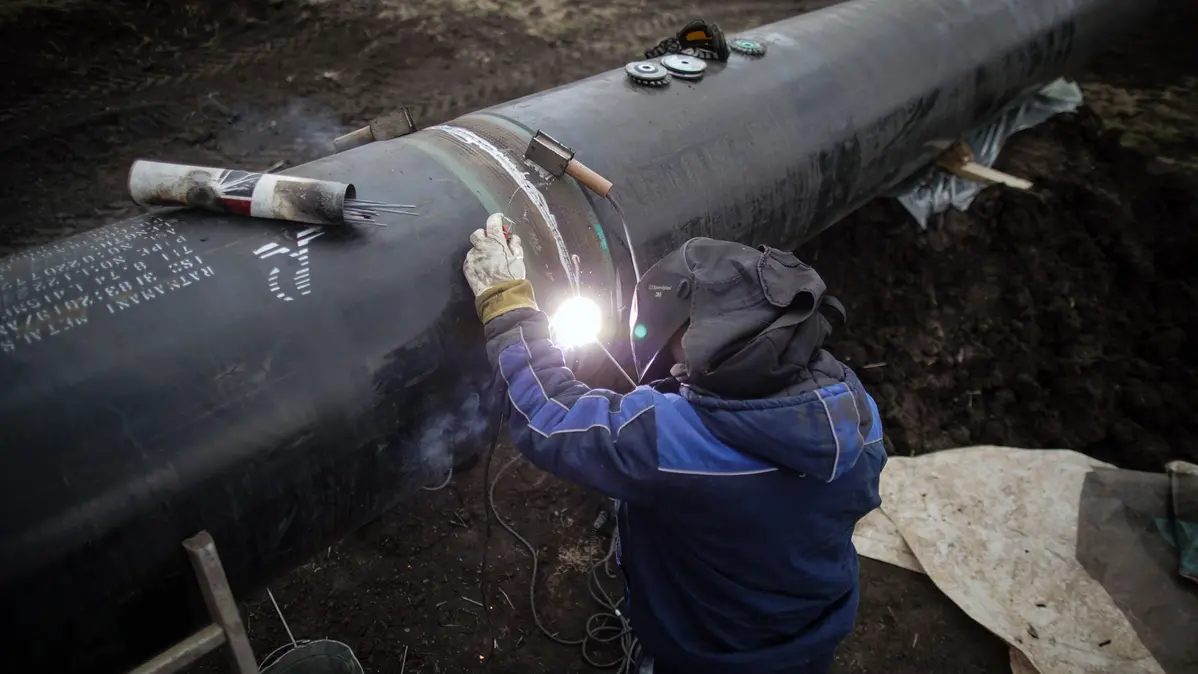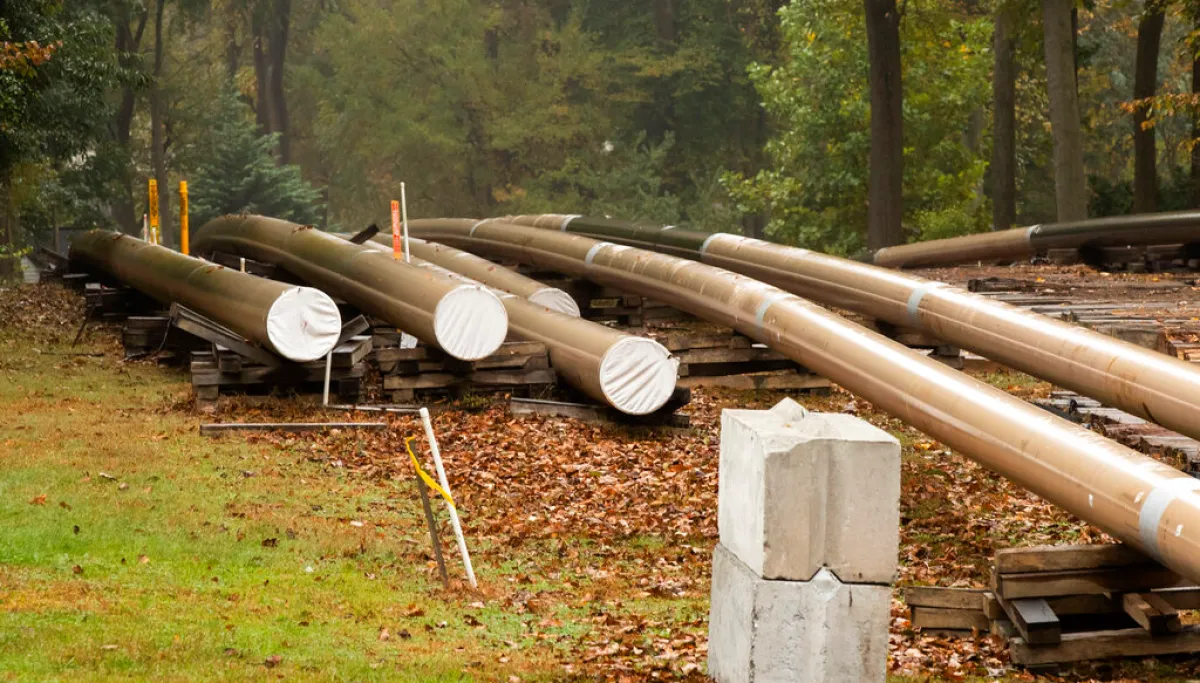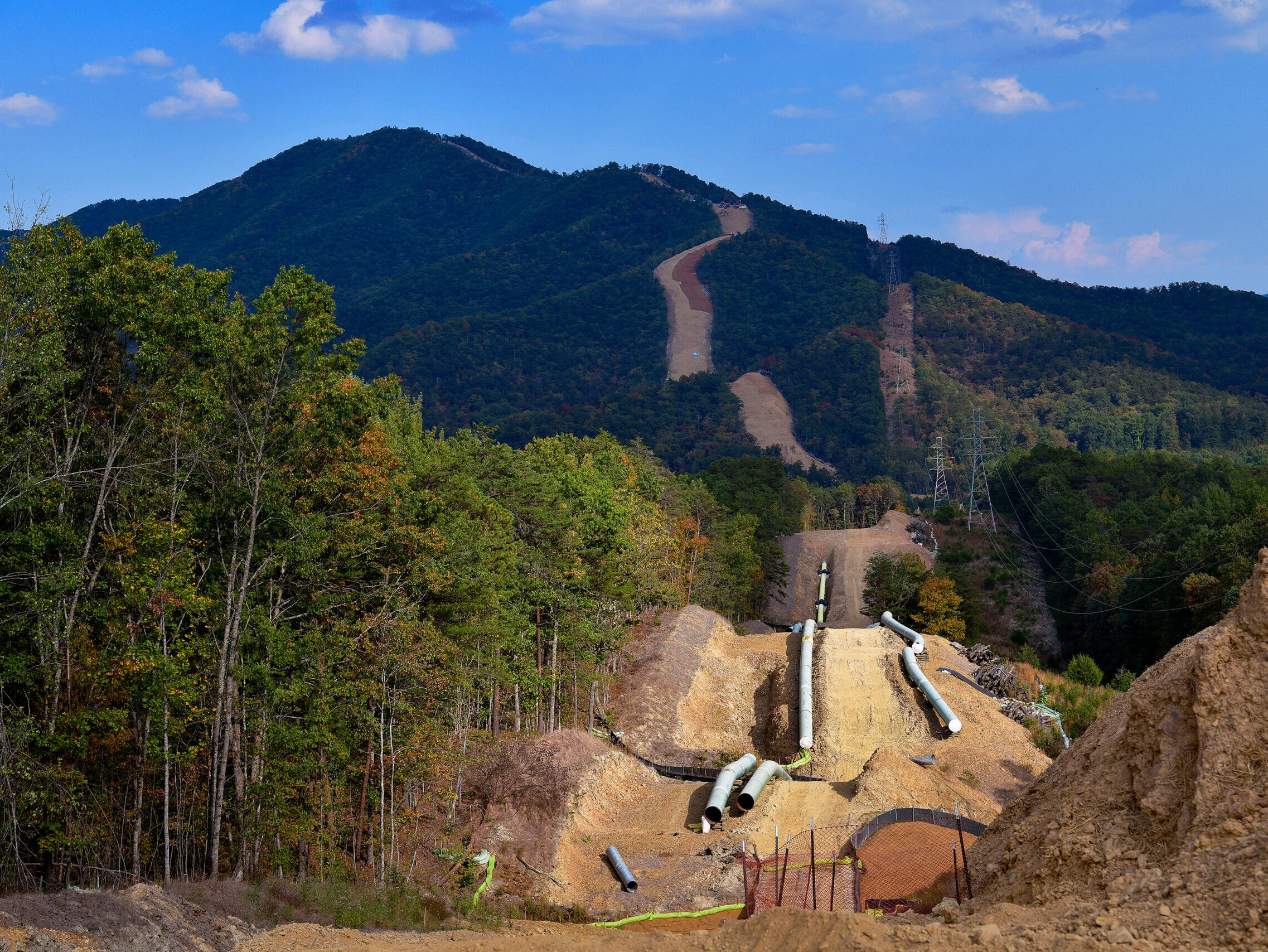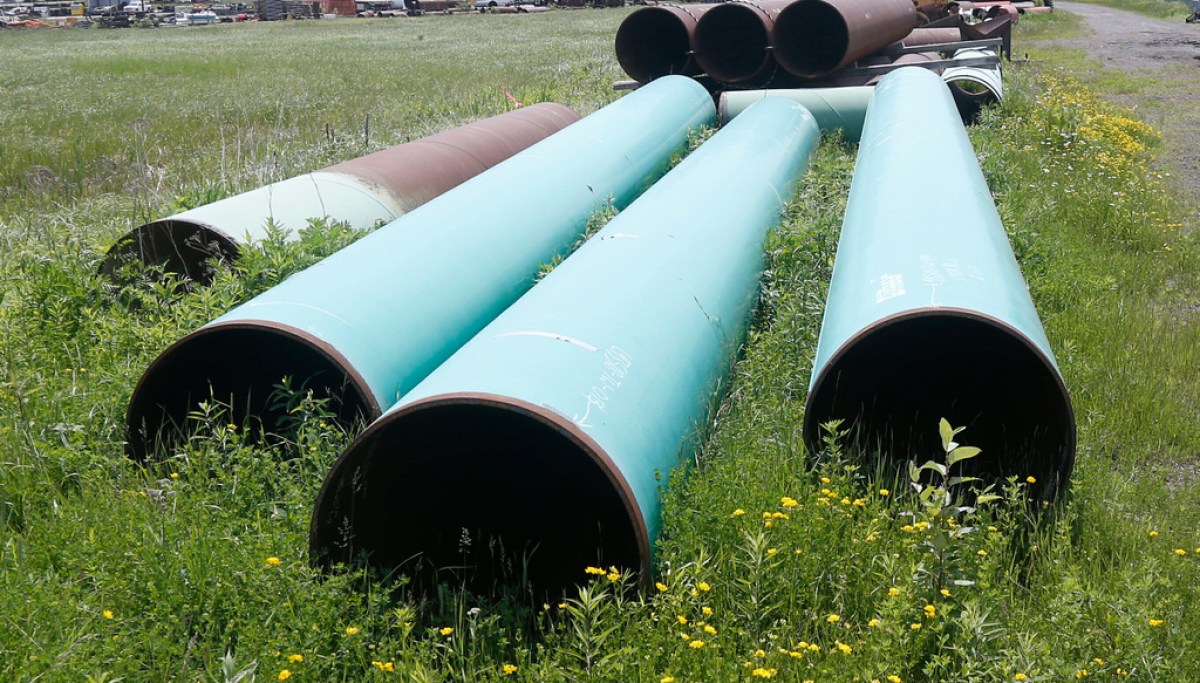
America’s energy advantage depends on more than just the resources beneath the ground. It depends on the pipelines, terminals, and other infrastructure needed to move energy from where it is extracted to where it is needed. Without the ability to build and operate those systems under predictable rules, abundant resources cannot deliver affordable power at home or strengthen American influence abroad.Recent history demonstrates the stakes. When Russia weaponized its natural gas supplies in the wake of the Ukraine conflict, Europe discovered the danger of relying on a hostile government for something as fundamental as energy. American liquefied natural gas helped provide an alternative, but only because the United States had the infrastructure necessary to produce and transport it.Unfortunately, constructing this infrastructure has not been without controversy, and America’s ability to continue building to meet that increased need has been jeopardized. Opposition from environmental groups has sometimes escalated from political advocacy into on-the-ground efforts to obstruct construction of lawful projects. Americans have every right to oppose energy development and to protest. But when that opposition crosses legal boundaries, companies must be able to seek accountability in American courts and trust that the resulting judgments will carry weight.
Europe wants American gas. Why is it letting its courts sabotage our pipelines?
Dutch court challenges to U.S. pipeline judgments threaten American legal sovereignty and critical energy infrastructure security.
769 words~3 min read