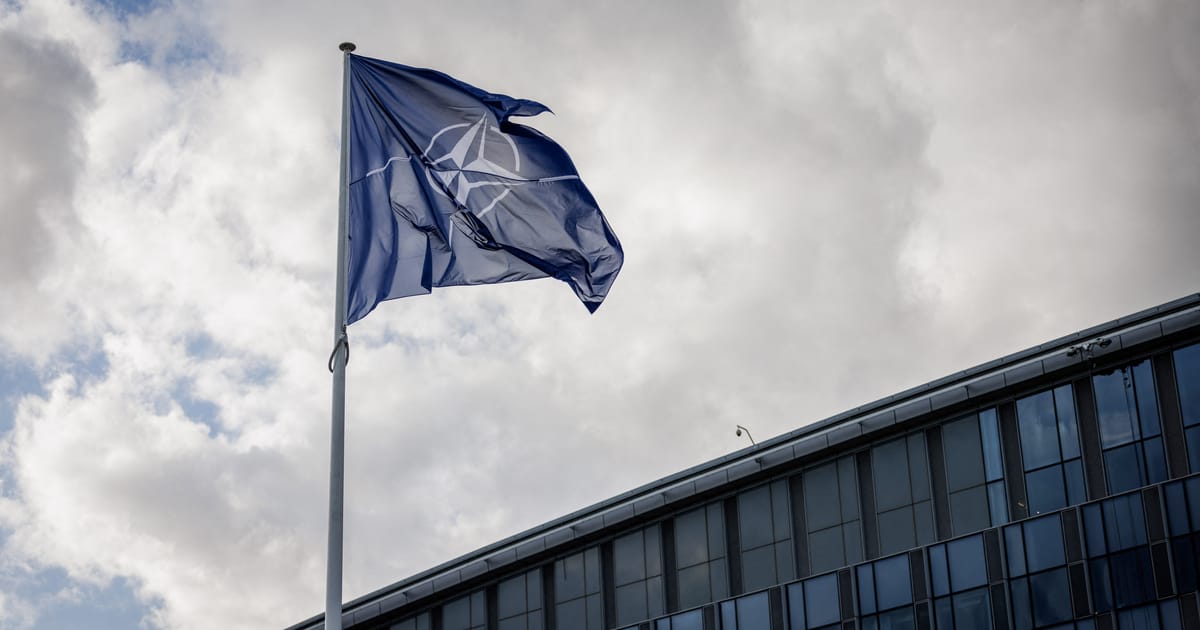
NATO is integrating artificial intelligence-assisted drone operations into its planning.
Fredrik von Erichsen/BILD
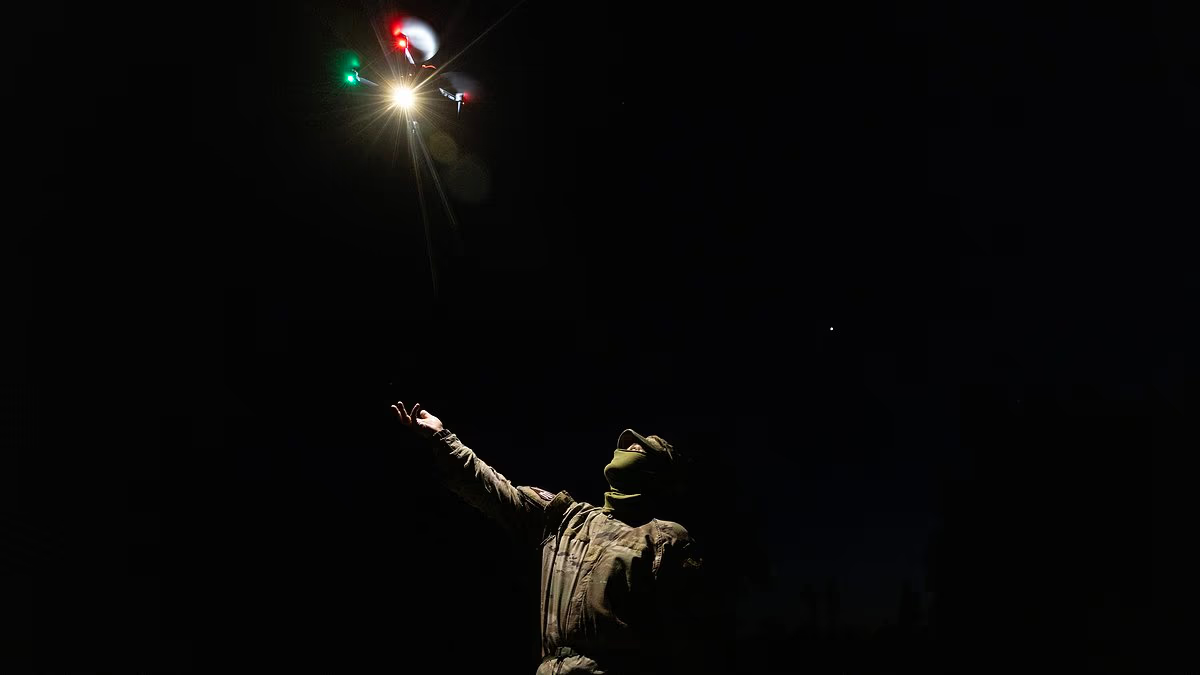
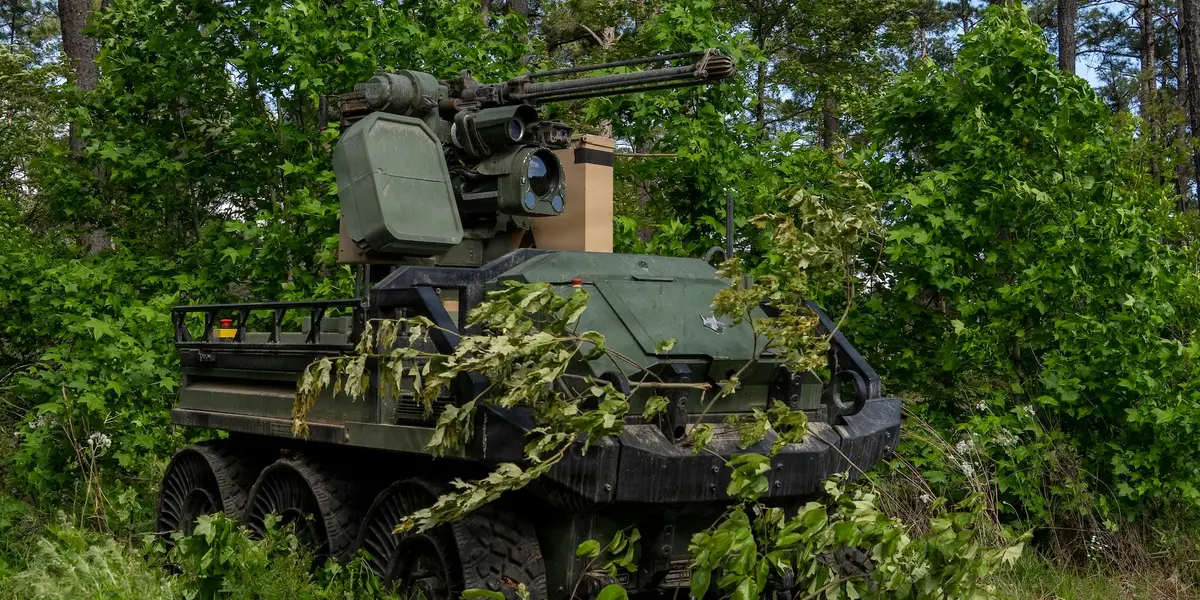
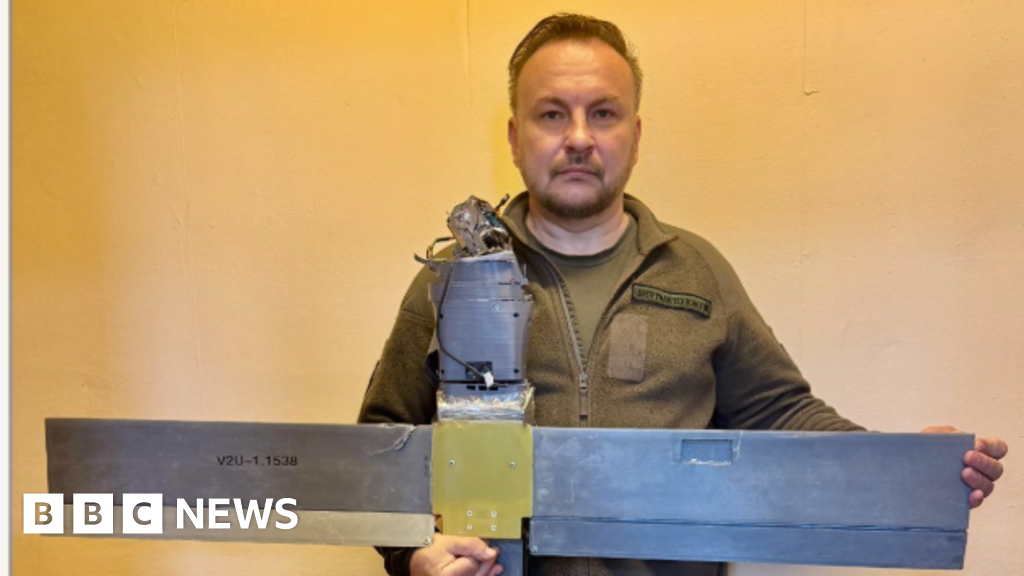
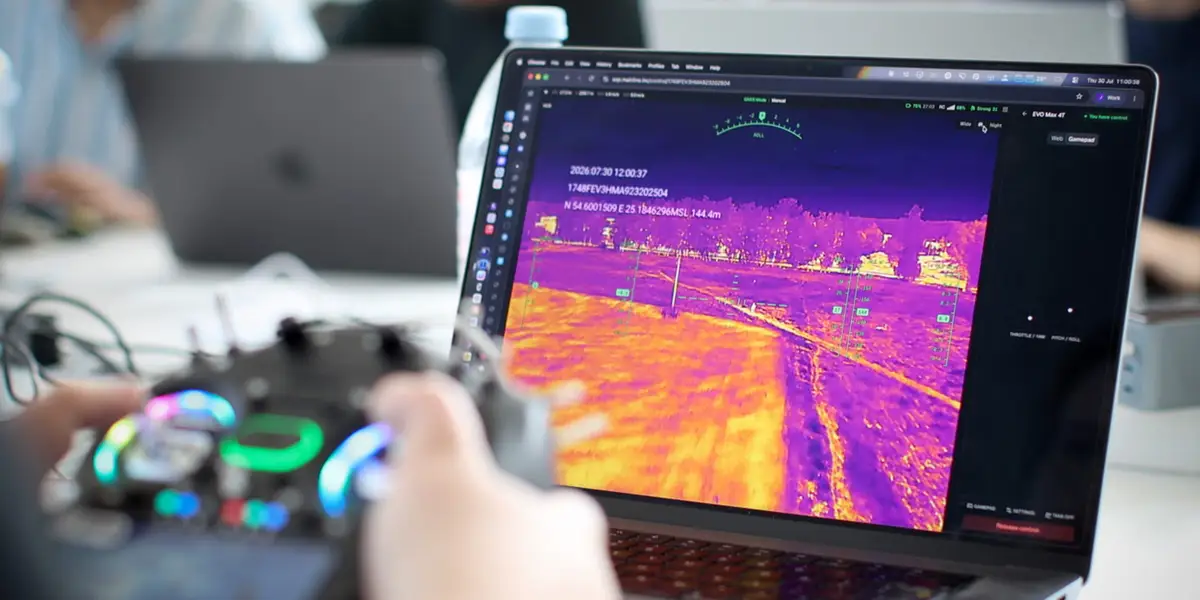
NATO plans to fortify its eastern edge using drones, sensors, and artificial intelligence in a massive network designed to spot and help repel a potential Russian attack.As part of that plan, some systems may increasingly operate autonomously; however, humans will still decide what targets they engage.Western officials say that the NATO alliance is exploring AI-assisted drone operations as part of the broad effort to bolster its defenses. The aim, however, isn't full autonomy; instead, machines could help pilot the drones, while human operators ultimately make the call on what they strike.The approach echoes Ukraine's pursuits. The embattled country is increasingly incorporating AI into its drone operations, but both soldiers and defense tech firms have emphasized that humans must remain at the center of the fight, even as the war becomes more robotic.For NATO, AI-assisted drones would be part of the Eastern Flank Deterrence Initiative, a digital battlespace network that the alliance is building to track threats along its borders with Russia and Belarus, which stretch from northern Finland down to the Black Sea.The new concept will include thousands of drones, sensors, satellites, and artificial intelligence designed to detect potential breaches of allied territory and repel attacks as the first line of defense. Conventional military forces, such as tanks, fighter jets, and artillery, will remain the backbone.US Army Maj. Ben Schiff, a software operations officer, told BILD — which, like Business Insider, is part of Axel Springer's Global Reporters Network — that both Ukraine and Russia still rely on humans to control drones. While some systems have artificial intelligence or machine-learning capabilities that allow brief moments of autonomy in flight, piloting is primarily performed by operators on the ground.