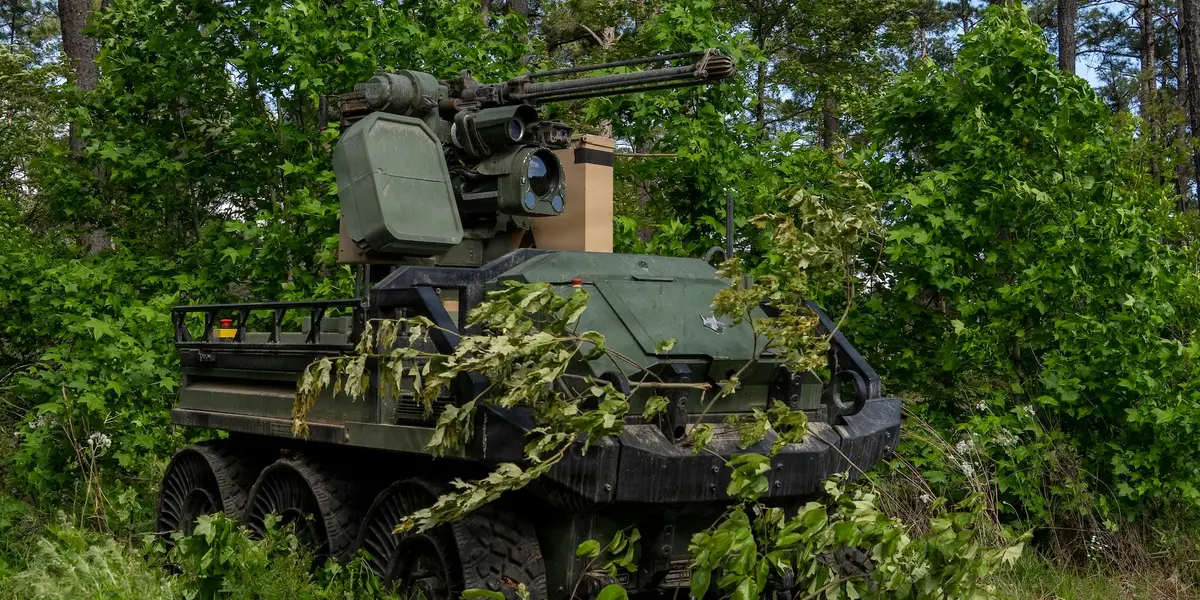
NATO's new strategy relies on uncrewed vehicles, like this Hunter Wolf unmanned ground vehicle, as a first response to an attack.
Spc. Mariam Diallo/US Army
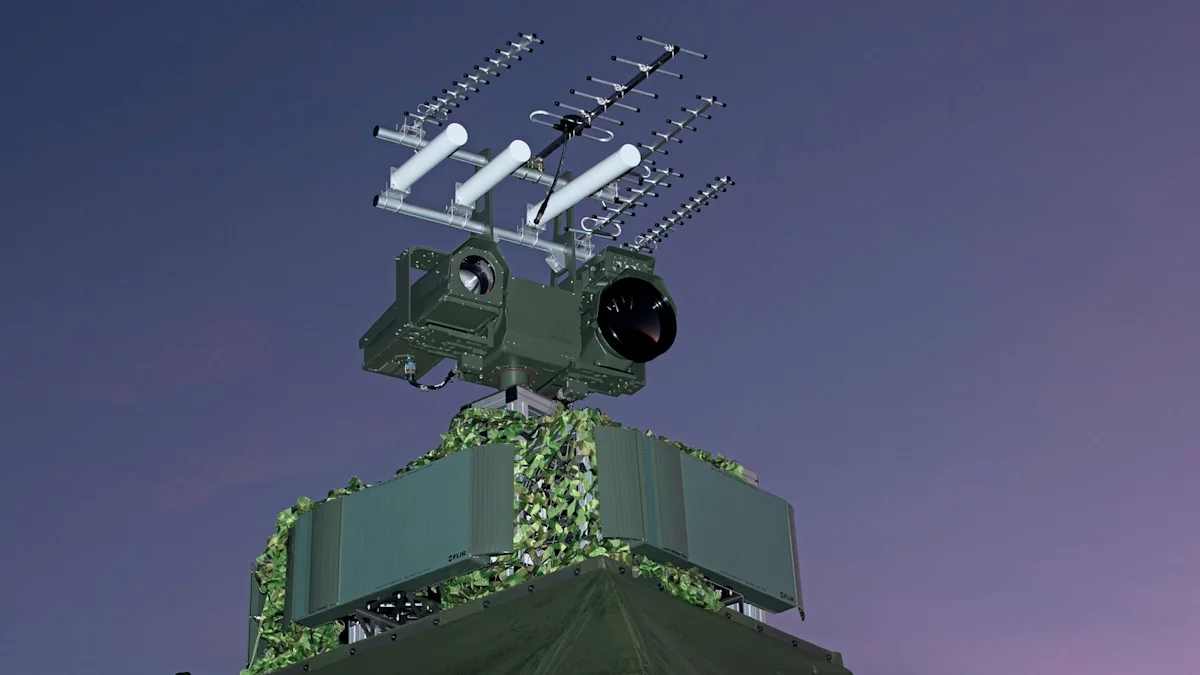
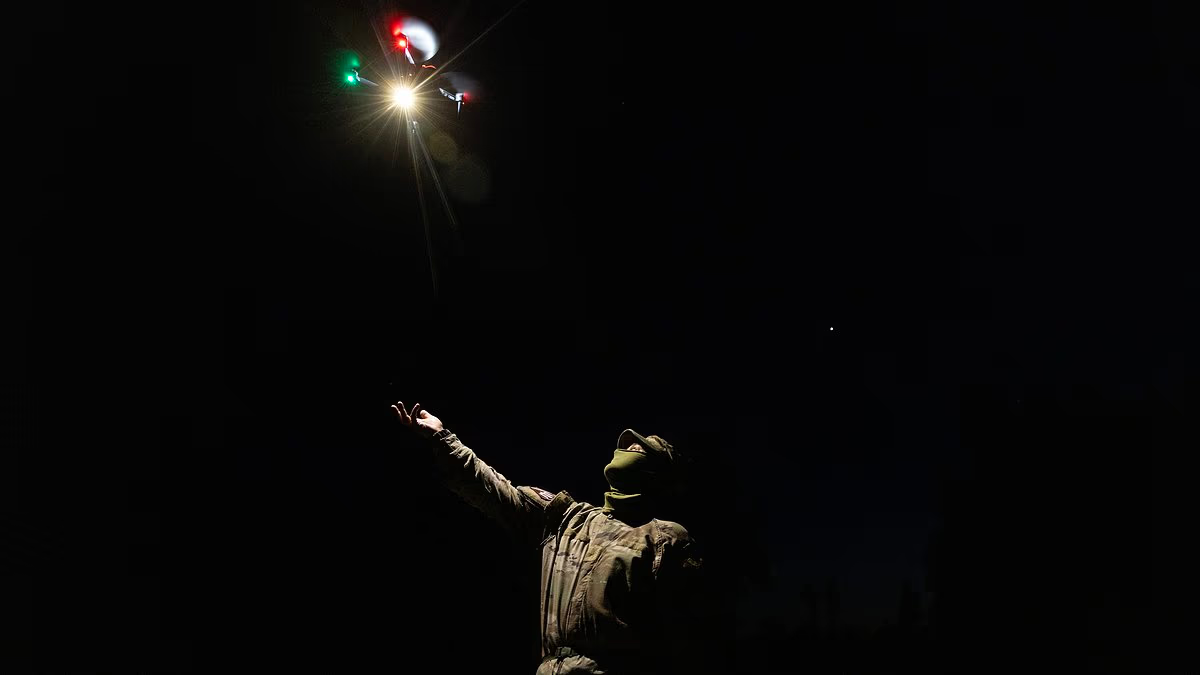
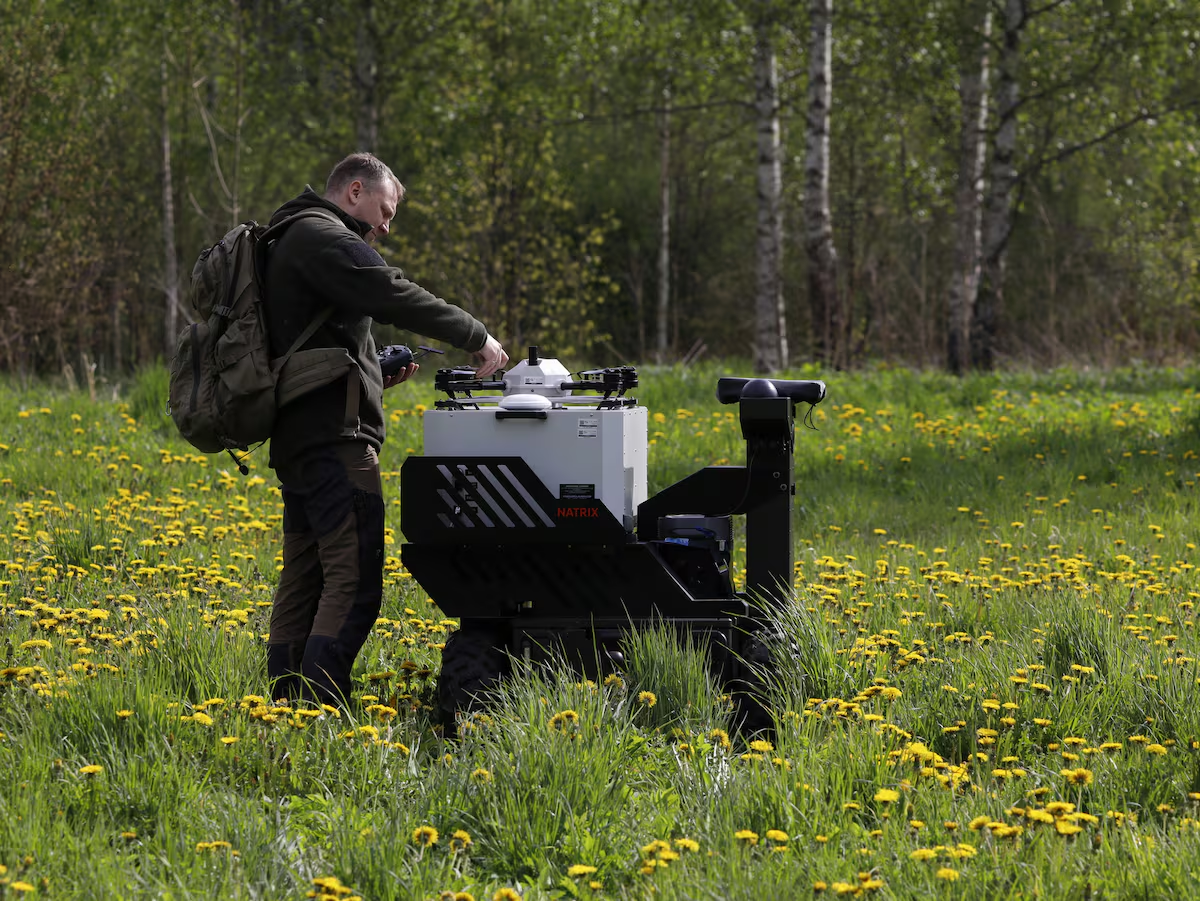
Along NATO's eastern flank, the military alliance is no longer relying solely on tanks, fighter jets, and troops. Instead, it is building a vast digital battlespace network made up of thousands of sensors, drones, satellites, and artificial intelligence. The goal: to detect an attack on allied nations as early as possible and block the attacker before they can penetrate deeper into Alliance territory.The concept is called the Eastern Flank Deterrence Initiative (EFDI). In documents obtained by BILD, one potential adversary is explicitly identified: Russia. It is intended not only to offset Russia's advantage in mass and momentum — large troop numbers and rapid advances — but also to discourage Moscow from launching an attack in the first place. NATO refers to this principle as "deterrence by denial." It is expected to rely on systems from Palantir and other leading Western defense contractors.The new strategy creates a vast AI-guided network to detect and strike targets — not unlike the powerful web Russia has built fighting Ukraine. But it is just the beginning of a much larger shift, where uncrewed systems like attack drones and remote-controlled machine gun turrets will be NATO's first line of defense.The New Iron CurtainFollowing Finland's accession to NATO in 2023, the Alliance's shared border with Russia expanded significantly. Today, NATO's eastern border stretches from Finland through Estonia, Latvia, Lithuania, and Poland to Romania on the Black Sea. It also includes the border with Belarus, Russia's close ally. Along this entire line, EFDI is intended to strengthen the Alliance's defense through a system of sensors, drones, command networks, and conventional military forces.