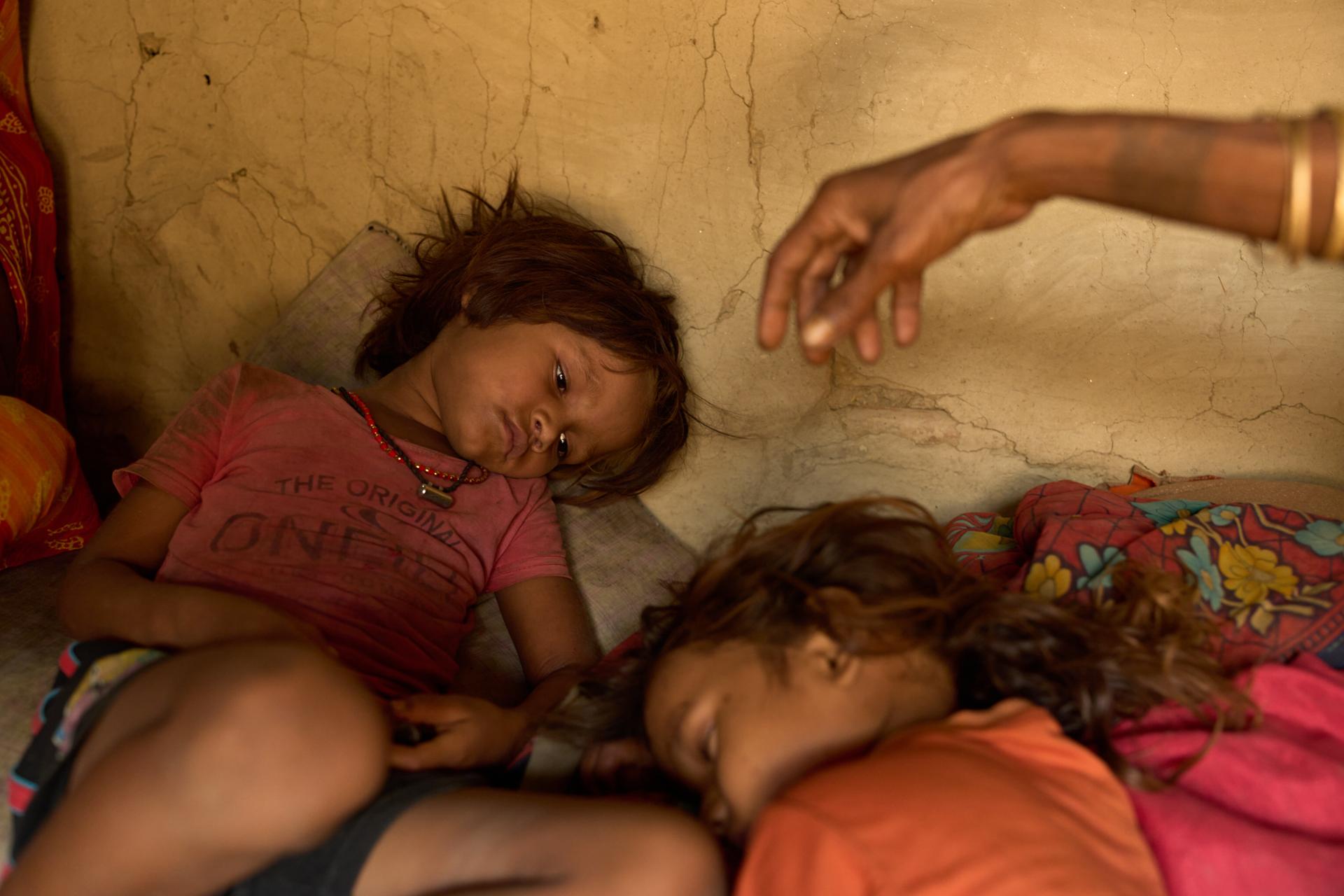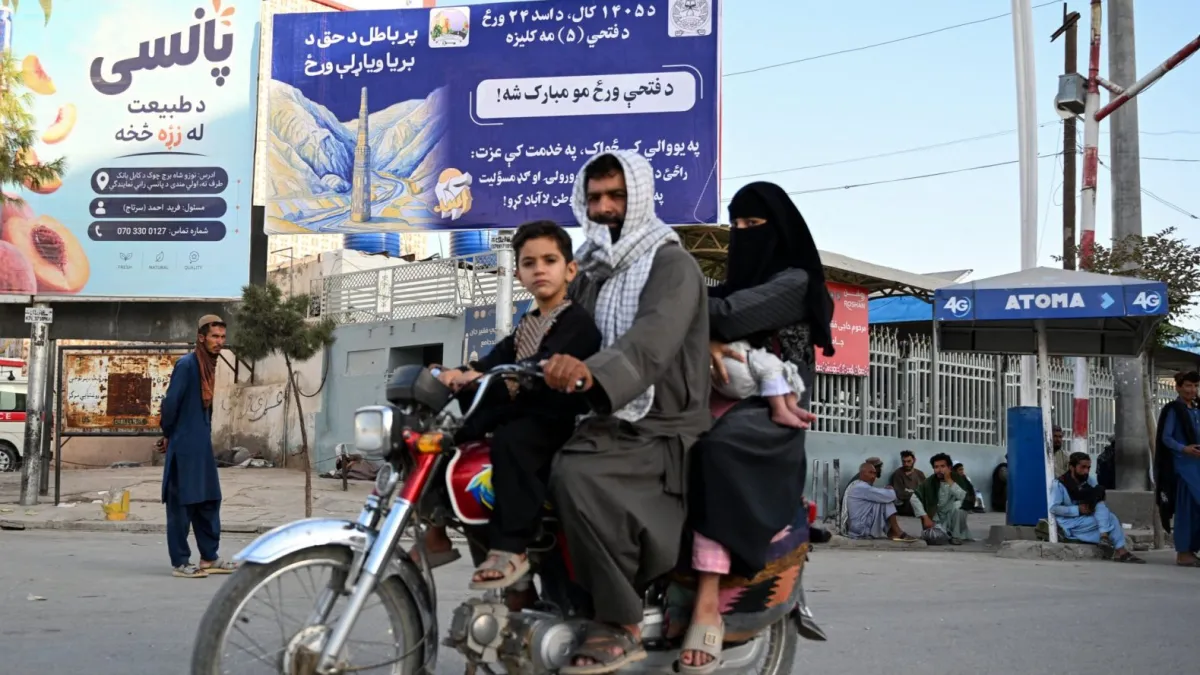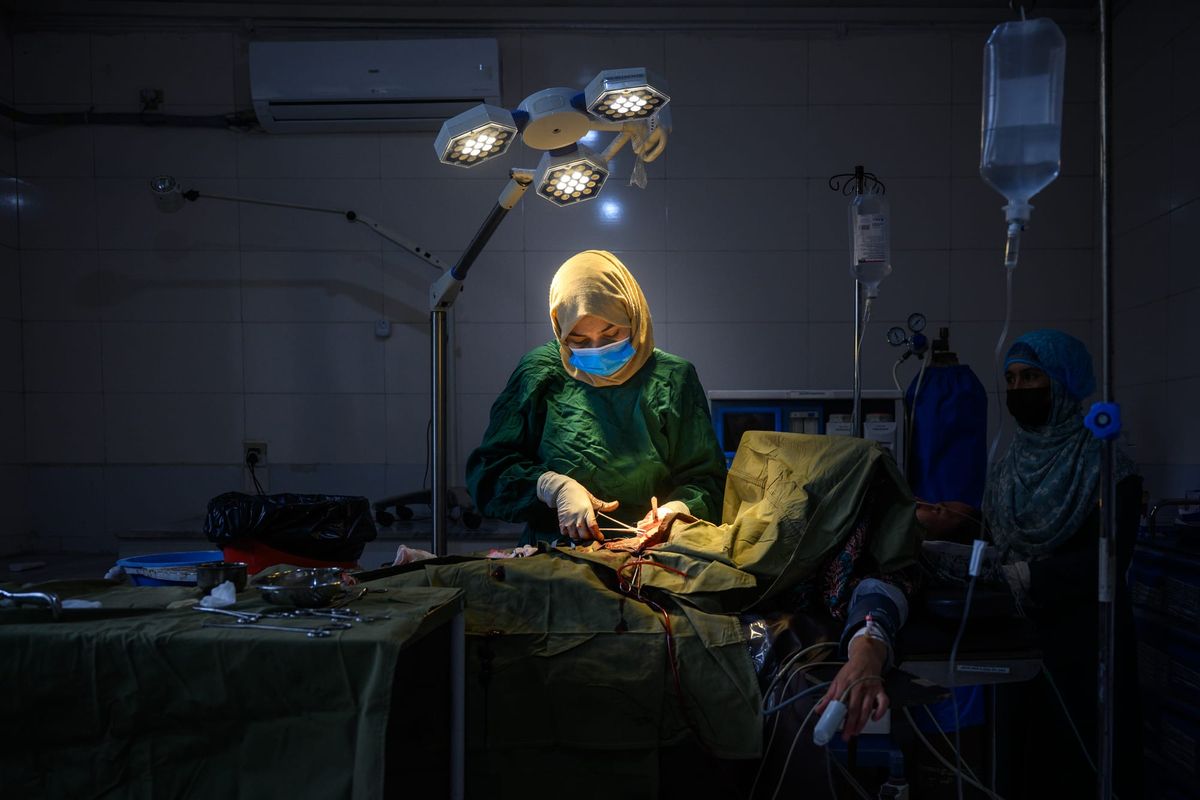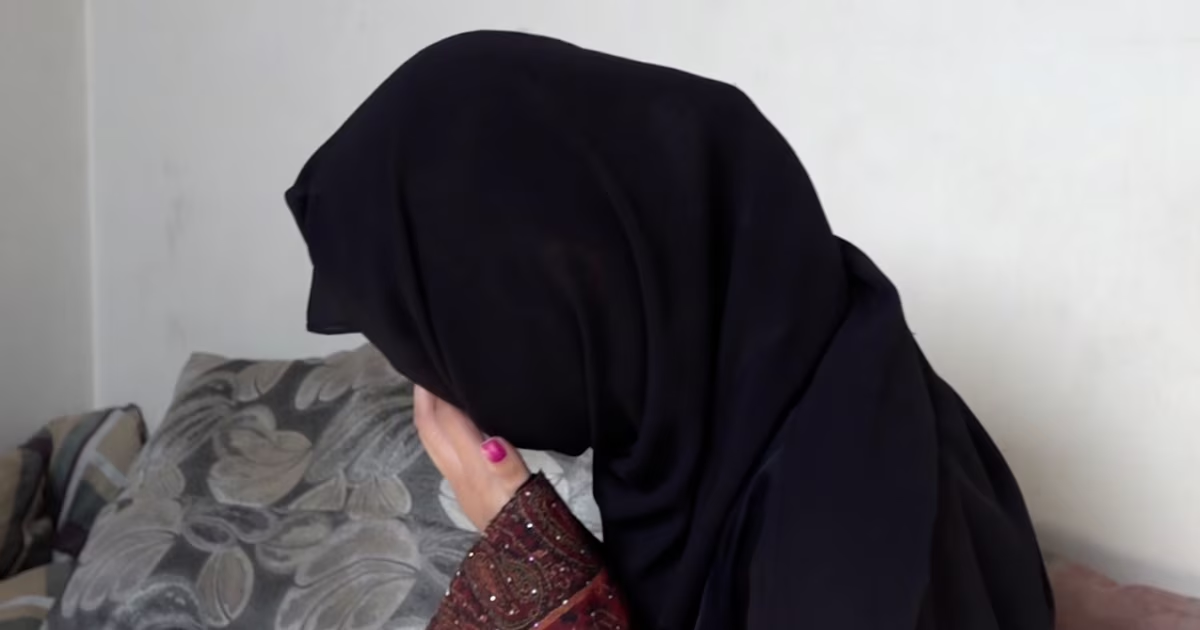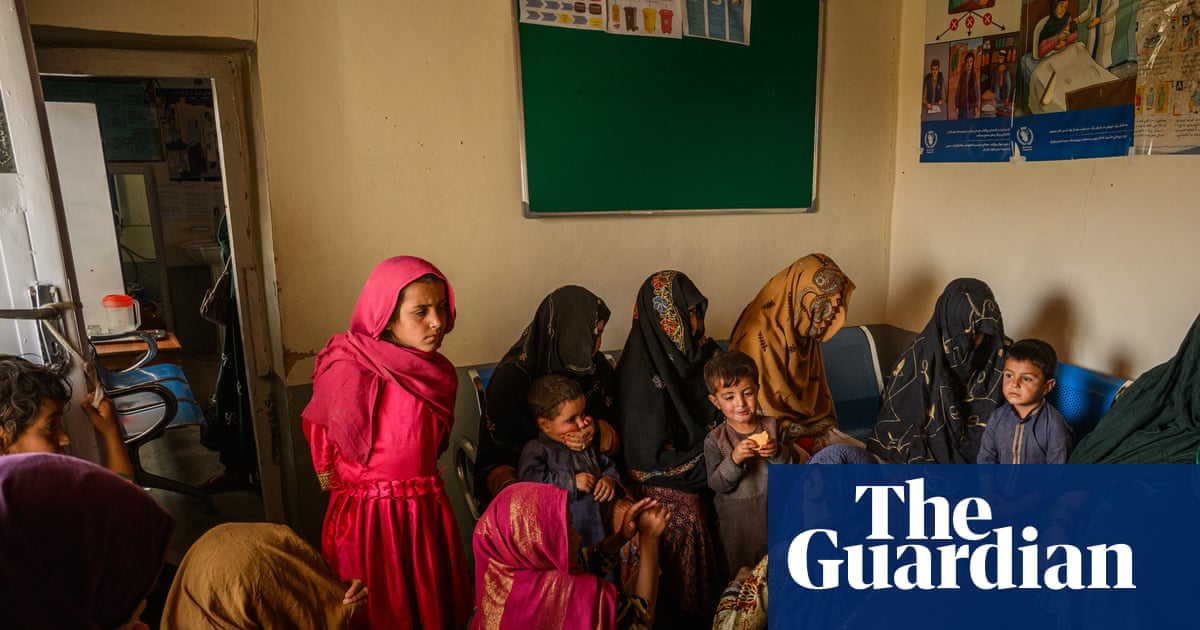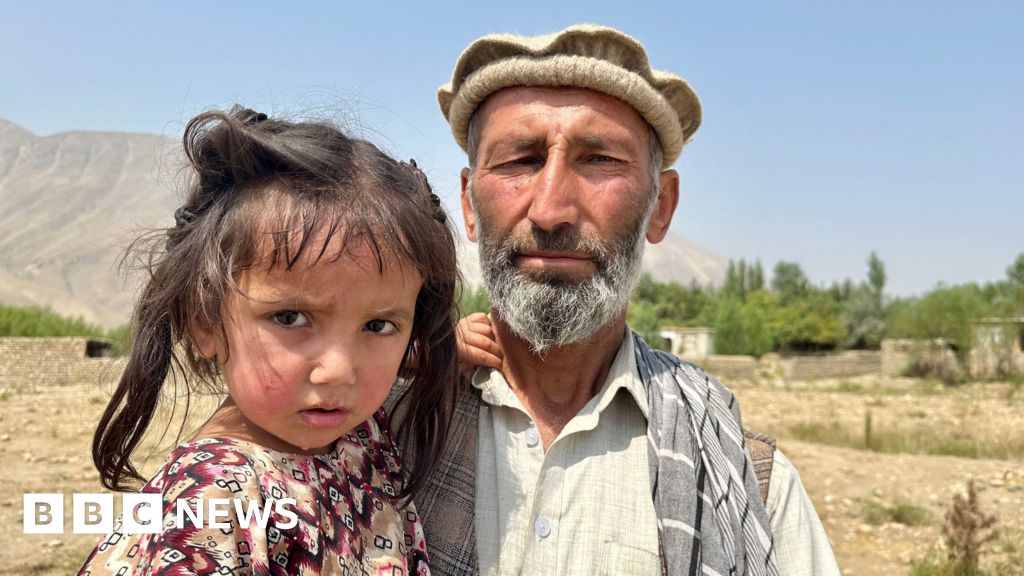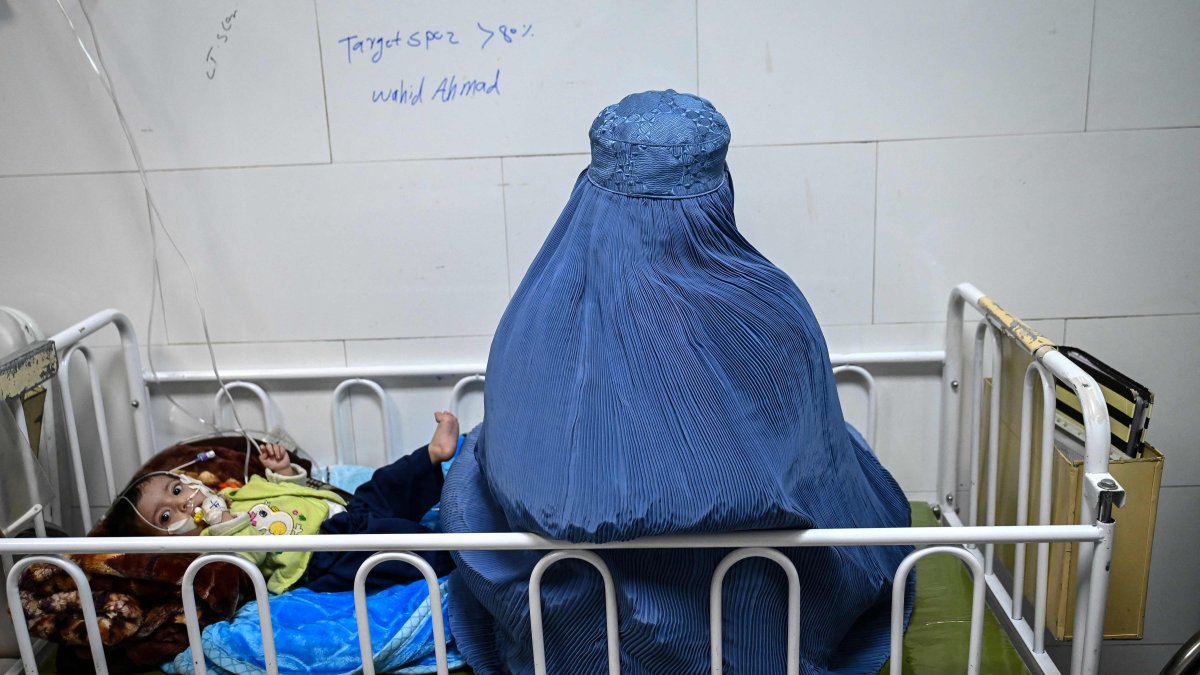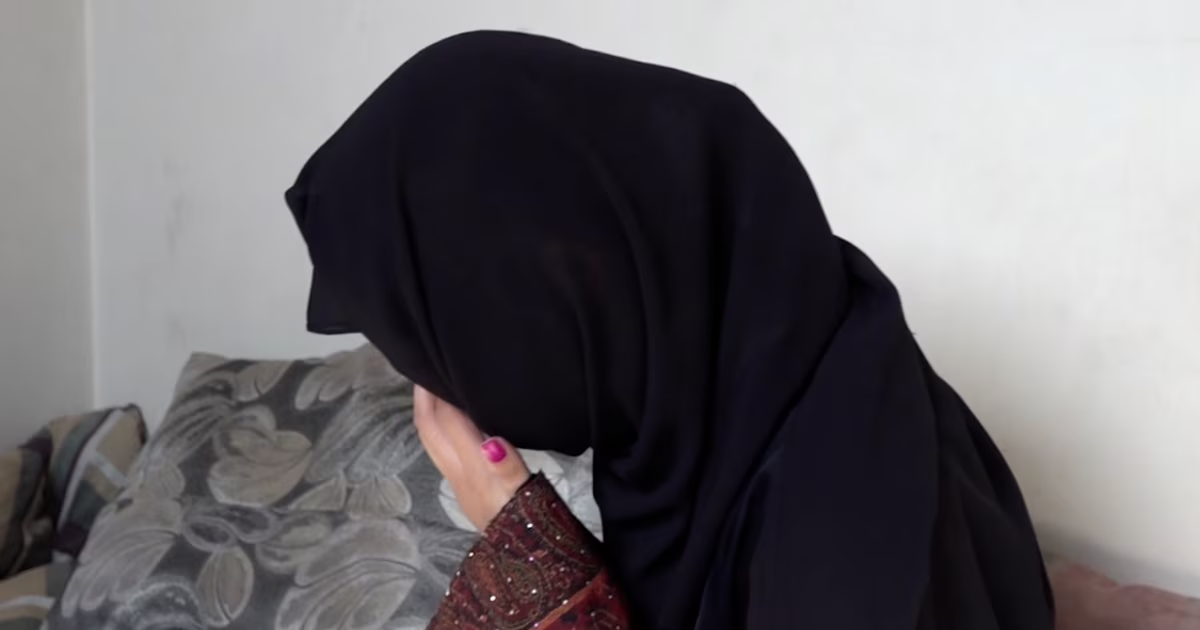
When Kubra went into labor, the 22-year-old was already suffering from anemia and malnutrition. She experienced severe blood loss during childbirth. Doctors tried to save her with a blood transfusion, but she fell into a coma and died. Her baby did not survive either.“Her husband was poor. The doctors always told him to buy fruit so she could eat nutritious food. He couldn't even afford medicine, let alone fruit,” Kubra's sister, who asked not to be named, told RFE/RL's Radio Azadi.Kubra is among the thousands of women who die during childbirth every year in Afghanistan, which has one of the highest maternal mortality rates in the world.At least 521 mothers died for every 100,000 births, according to the latest UN estimate published in 2023. No official figures are available for 2024 or 2025. The real number could be even higher as some cases go unreported, especially in remote areas.The UN has said many of the deaths were due to preventable pregnancy complications exacerbated by severe shortages in qualified birth attendants and an under-resourced health-care system.The public health system in Afghanistan, which was largely funded by foreign aid for nearly two decades, has been in freefall since the Taliban seized power in 2021 and international donors cut financial funding.Exacerbating the situation, the Taliban has banned women from attending university and closed private schools that offered courses on midwifery and nursing. The hard-line group has also severely restricted women’s job opportunities, including in the health sector.
'All Our Hopes Have Been Destroyed': Afghanistan's Maternal Mortality Crisis Under Taliban
Several thousand women die during childbirth every year in Afghanistan, which has one of the highest maternal mortality rates in the world.
726 words~3 min read