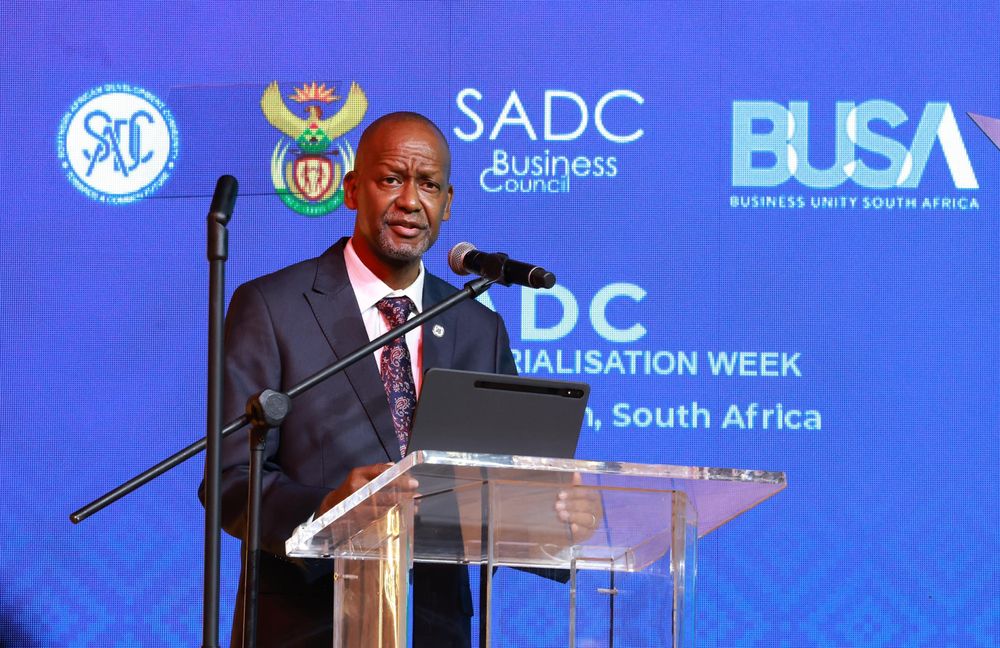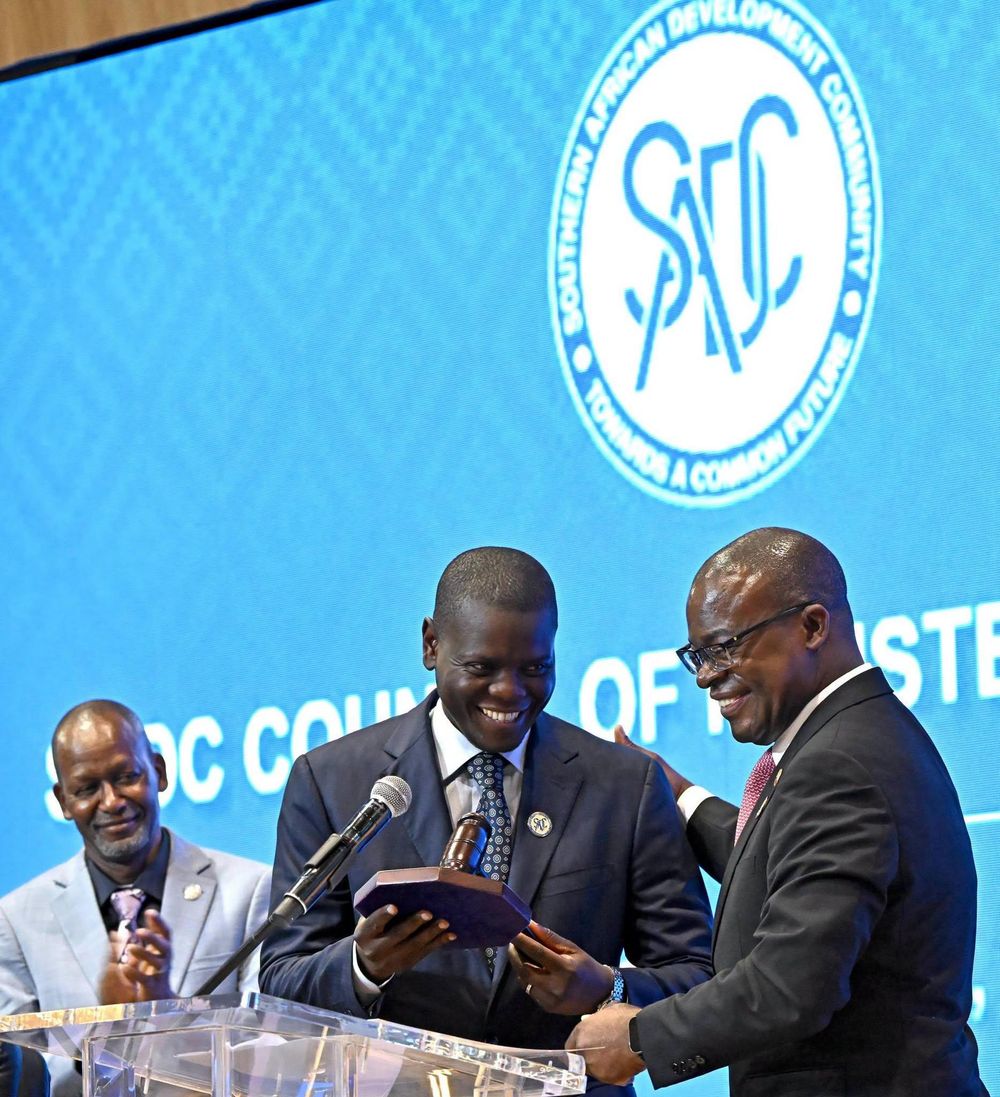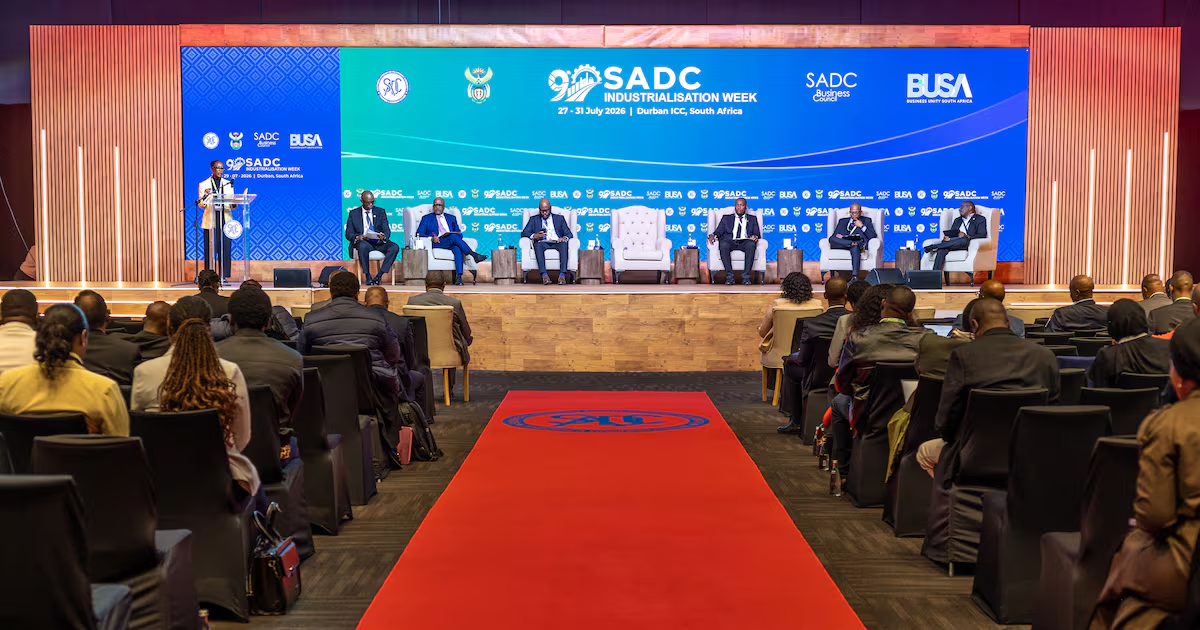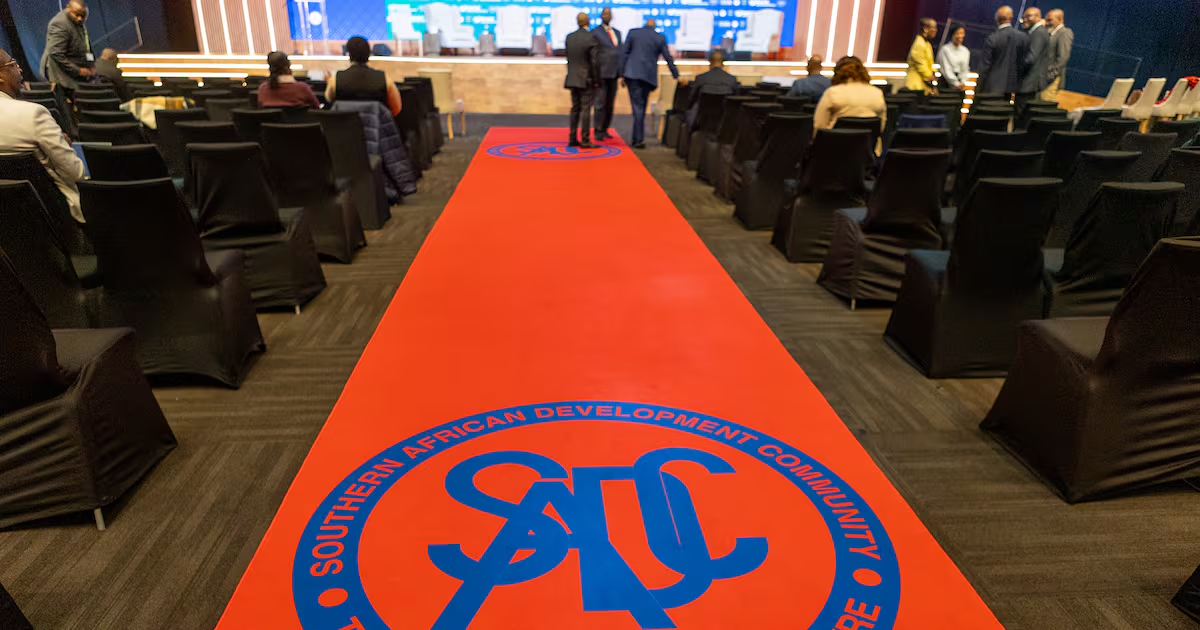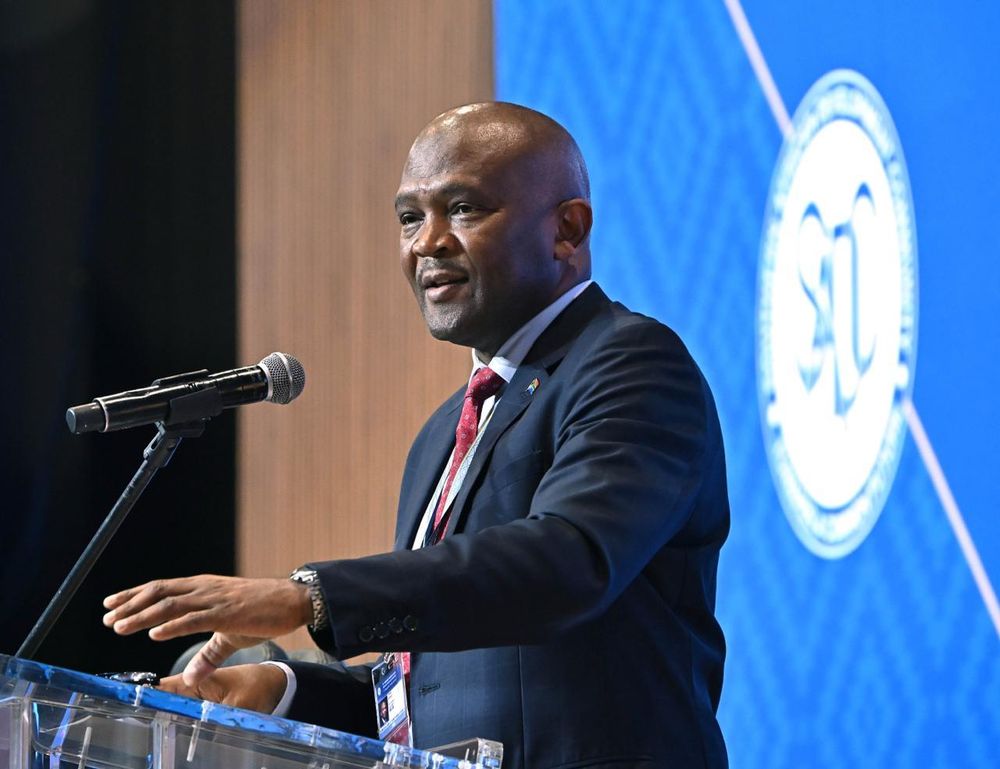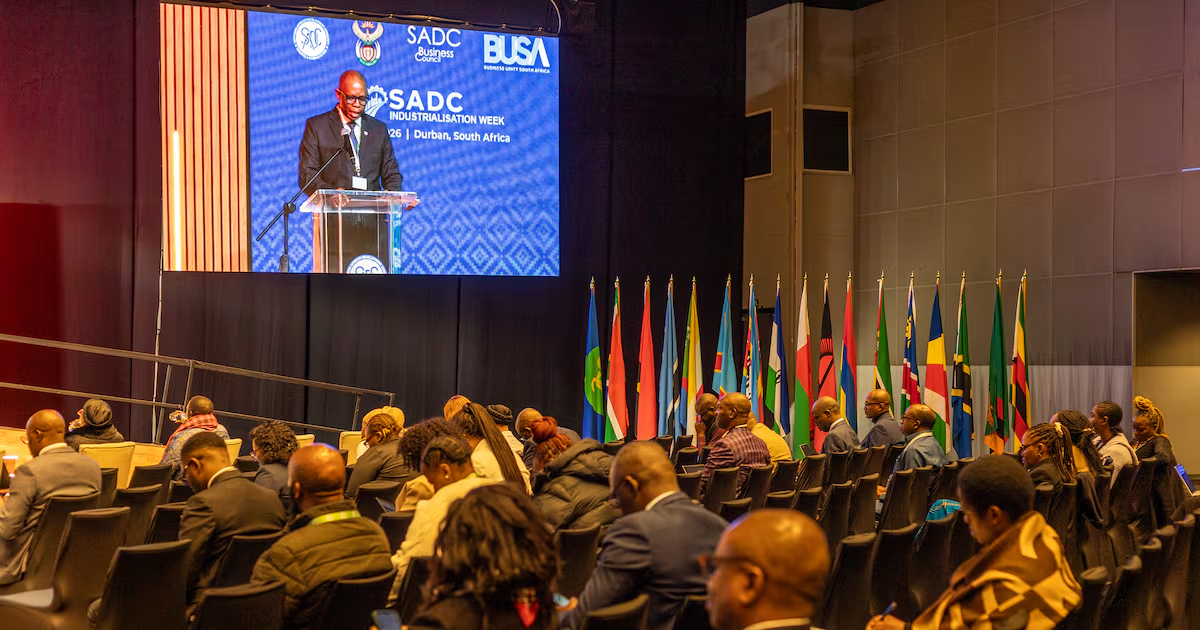
The Southern African Development Community (Sadc) must become more self-reliant and deepen regional co-operation as geopolitical tensions, economic uncertainty and declining development assistance reshape the global order, the regional bloc’s executive secretary Elias Magosi has warned.Magosi said the region could no longer afford to operate as individual countries in an increasingly uncertain international environment, arguing the future of the Sadc depended on member states trusting one another and strengthening collective resilience.Addressing the Sadc council of ministers meeting in Durban on Wednesday, Magosi said global conflicts, shifting economic realities and declining development assistance are forcing the region to reconsider how it approached its development agenda.“The future of our region will increasingly depend on our ability to trust each other more and work together more,” he said, calling for the Sadc to drive its development agenda “under our own terms”.The warning comes as Sadc records progress in several areas but continues to face significant structural weaknesses.Magosi pointed to the May retreat of Sadc foreign ministers in Skukuza, where member states reaffirmed their commitment to deeper regional integration, collective resilience and sustainable development as the basis for navigating global uncertainty.Magosi said the real measure of success should not simply be the number of megawatts produced but whether households, schools, health facilities and businesses have reliable electricityThe region has made particularly significant gains in digital connectivity:Internet penetration has risen to 57.2%;4G network coverage has reached 79.2%; and mobile penetration stands at 95.2%, exceeding the regional target set for 2030.Foreign direct investment increased by 44% to $11bn (R177.54bn), driven largely by strong inflows into Mozambique and South Africa. Magosi said the increase reflected continued investor confidence in the opportunities presented by Sadc markets and resources.However, the economic picture remains uneven:Manufacturing’s contribution to GDP declined from 11.3% in 2024 to 10.9% in 2025, highlighting the region’s continuing struggle to move towards higher levels of industrialisation and value addition.Intra-regional trade increased to 20.2%, but remains below pre-Covid levels.Magosi also identified research and development as a major weakness. No Sadc member state has reached the regional target of investing 1% of GDP in research and development, and none has met the AU’s 1.5% target.He warned that without greater investment in science, technology and innovation, the region would struggle to improve productivity and remain competitive.Energy presents another example of the gap between regional progress and people’s lived experience. The Sadc added 3,253MW of generation capacity across its mainland states and another 1,611MW from island states during the 2025/26 financial year. However, electricity access increased only from 56% in 2024 to 60% in 2025, leaving the region well short of its 85% access target for 2030.As external support becomes less certain, the Sadc will increasingly have to rely on the strength of its own institutions, markets and member statesMagosi said the real measure of success should not simply be the number of megawatts produced but whether households, schools, health facilities and businesses have reliable electricity.Regional integration also remains incomplete when it comes to the movement of people.A total of 15 member states provide Sadc citizens with a 90-day visa-free regime, while Mauritius, Seychelles and Zimbabwe exempt citizens of all Sadc countries from visa requirements.Only 10 countries have signed the Sadc protocol on the facilitation of movement of persons and seven have ratified it. Magosi said 11 ratifications are required before the protocol can enter into force.He urged remaining member states to accelerate ratification, arguing the free movement of people and skills was central to building a genuinely integrated region.The regional body’s democratic commitments will also come under focus as Zambia prepares to hold general elections on Thursday. Magosi extended the Sadc’s best wishes to the people of Zambia, saying the elections represented an important opportunity to reinforce democratic governance, peace and stability. He said the Sadc remains confident the elections will strengthen unity and facilitate development.Magosi said the broader challenge is whether the Sadc can turn its political commitment to integration into practical co-operation. The region has made gains, but the warning running through his address was clear: as external support becomes less certain, the Sadc will increasingly have to rely on the strength of its own institutions, markets and member states.TimesLIVE
Sadc urged to deepen unity as global aid declines
The Southern African Development Community must become more self-reliant and deepen regional co-operation, the regional bloc’s executive secretary Elias Magosi has warned.
692 words~3 min read