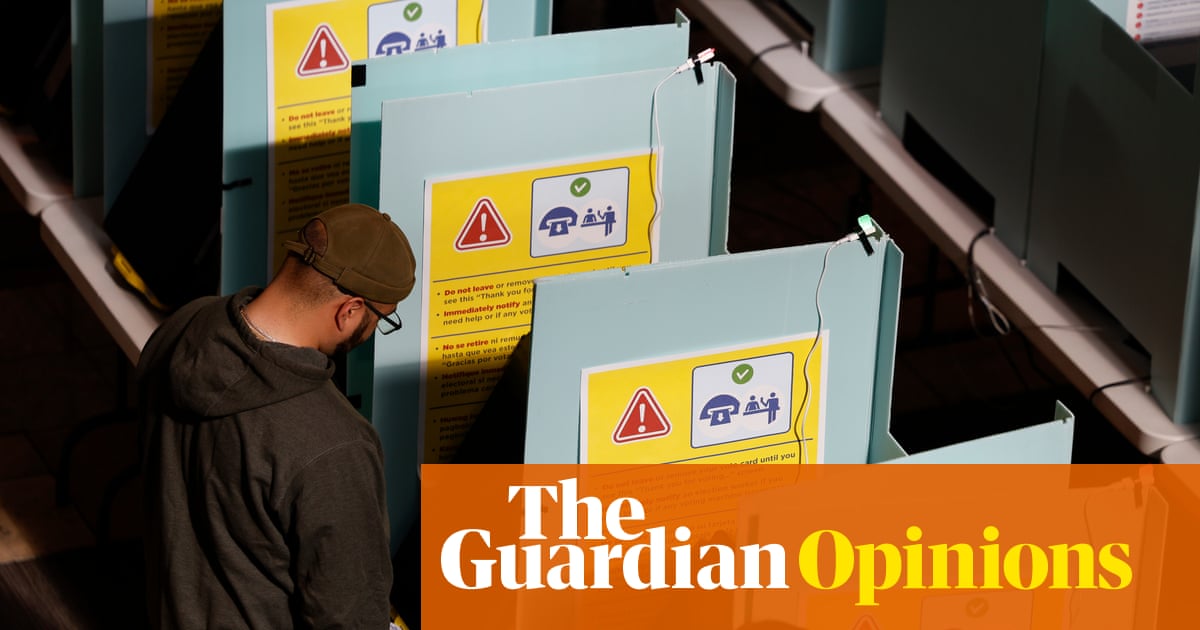
Last month, all 193 United Nations member states gathered in Geneva for the inaugural Global Dialogue on AI Governance. For two days they debated how the world should govern AI, yet paid little attention to one of AI’s most consequential governance challenges: its impact on elections. The omission risks undermining progress on every other aspect of the AI debate: safety, trustworthiness, capacity building, societal implications, and human rights.
Elections are not simply another sector affected by AI; they are the main mechanism that makes every other democratic right enforceable. Yet when we think about AI and elections, many of us think about disinformation. The preliminary report from the U.N.’s Independent International Scientific Panel on AI — intended to inform the Dialogue — does the same, mentioning AI in elections only in the context of information integrity and deepfakes targeting candidates.
Voter registers, biometric devices, identity databases, results-management software, and cloud infrastructure increasingly incorporate AI-enabled features.”
But one of the clearest lessons of 2024’s “year of elections” was that the impact of deepfakes was significantly overstated. This framing mistakes the loudest risk for the largest one. The more important question is not what happens when AI generates a fake video of a candidate, but what happens when it is embedded in the systems that administer elections themselves — in procurement decisions, biometric voter-verification systems, and data-sharing arrangements. That is where AI’s impact on democracy may prove most profound.