Artificial intelligence endangers democracy – but it’s less about specific deepfakes and more about a bigger transformation
We study AI and democracy. We’re worried about 2050, not 2026.
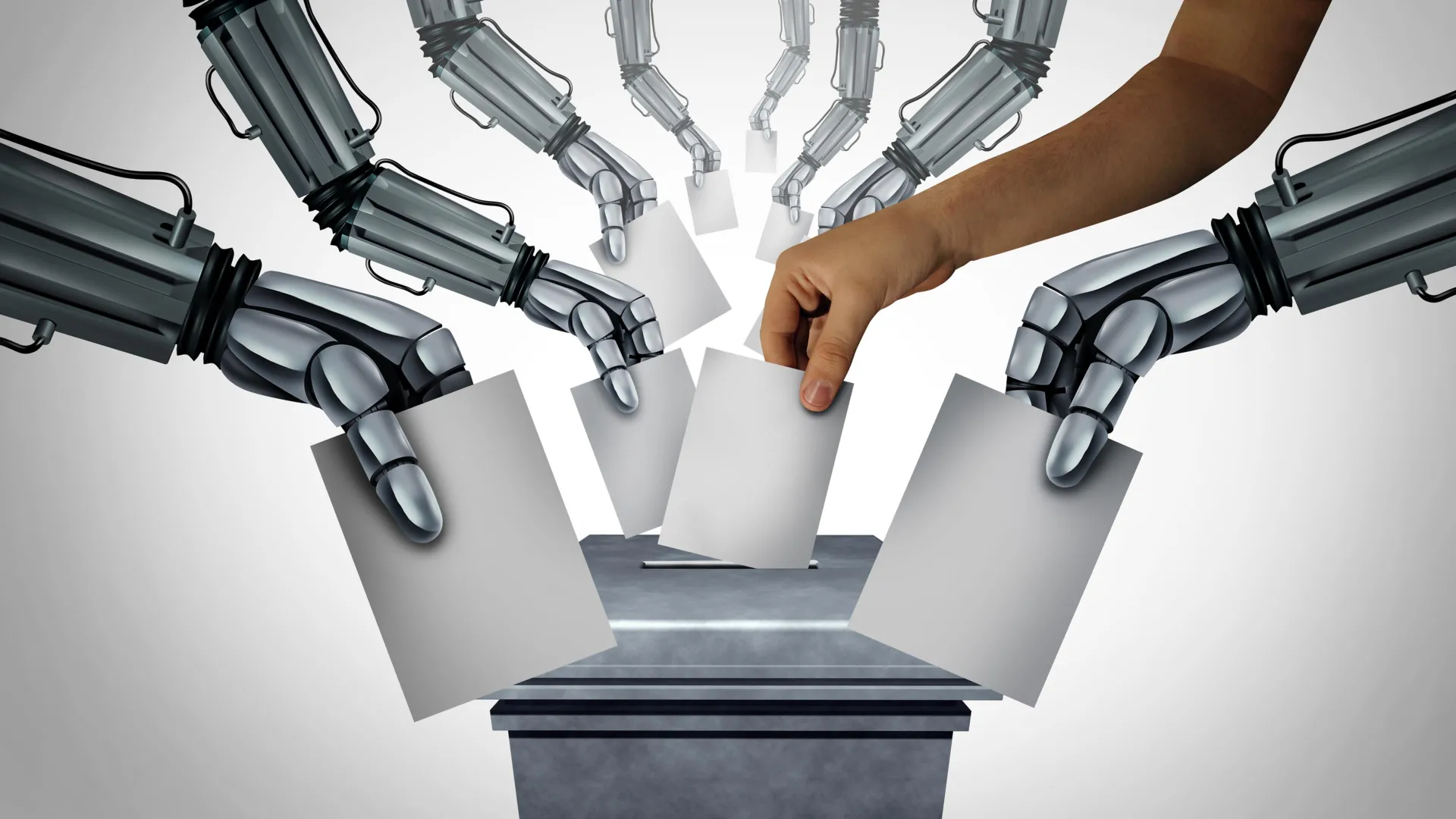
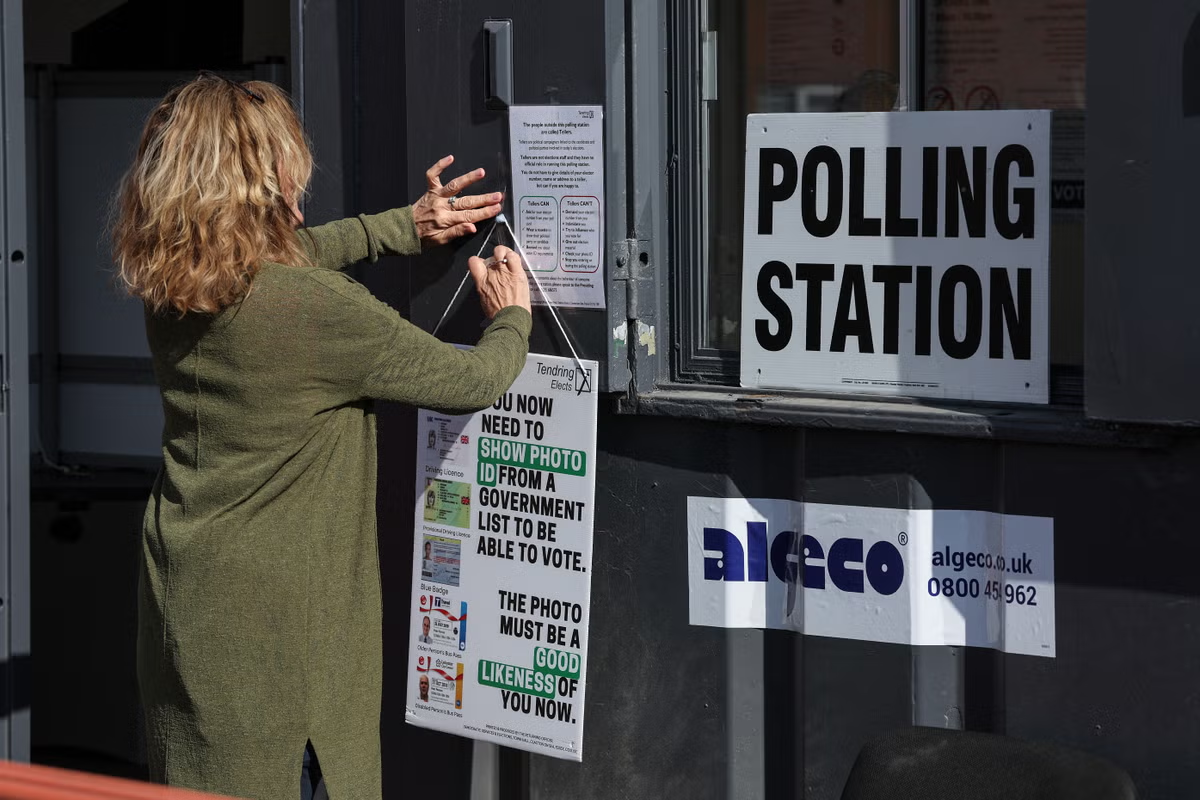
Half of humanity lives in countries that held national elections last year. Experts warned that those contests might be derailed by a flood of undetectable, deceptive AI-generated content. Yet what arrived was a wave of AI slop: ubiquitous, low-quality, and sometimes misleading, but rarely if ever decisive at the polls. Still, given the outcome of the US presidential election, few observers concerned about democracy felt relief. The immediate, prolonged challenges brought by the second Trump administration make it difficult to do much more than react to crises as they happen.
But advances in artificial intelligence do pose risks to democracy. Those risks have less to do with highly persuasive deepfakes in a given election cycle – they exist on a longer time horizon, but are no less insidious.
Unfortunately, policymakers’ attention has been captured by highly resourced groups with competing but equally undemocratic views of AI governance. Some warn that artificial intelligence is the only way to solve civilizational threats like the climate crisis, justifying any expenditure and advocating for an unregulated tech sector. Others insist that the United States must not stymie AI development so that it does not lose the 21st century to rivals in Beijing. These positions are beneficial to the bottom lines of those who hold them, but that has not shaken their hold on the debate.