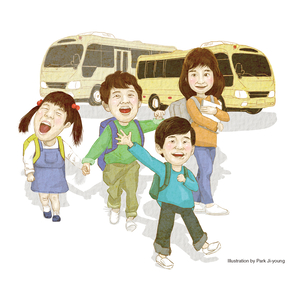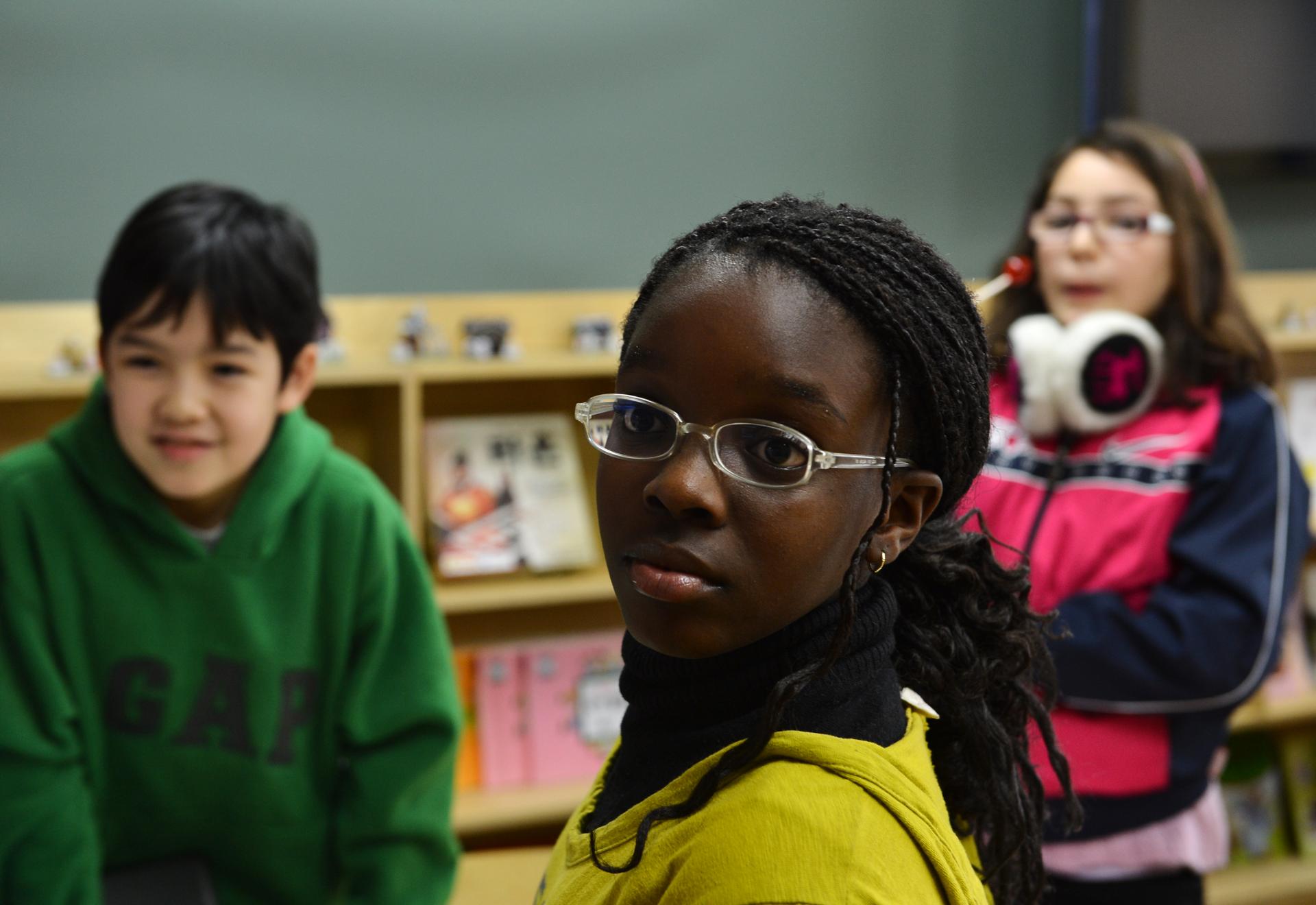
Students from multicultural backgrounds attend class at Itaewon Elementary School in Seoul, Nov. 27, 2013. Korea Times
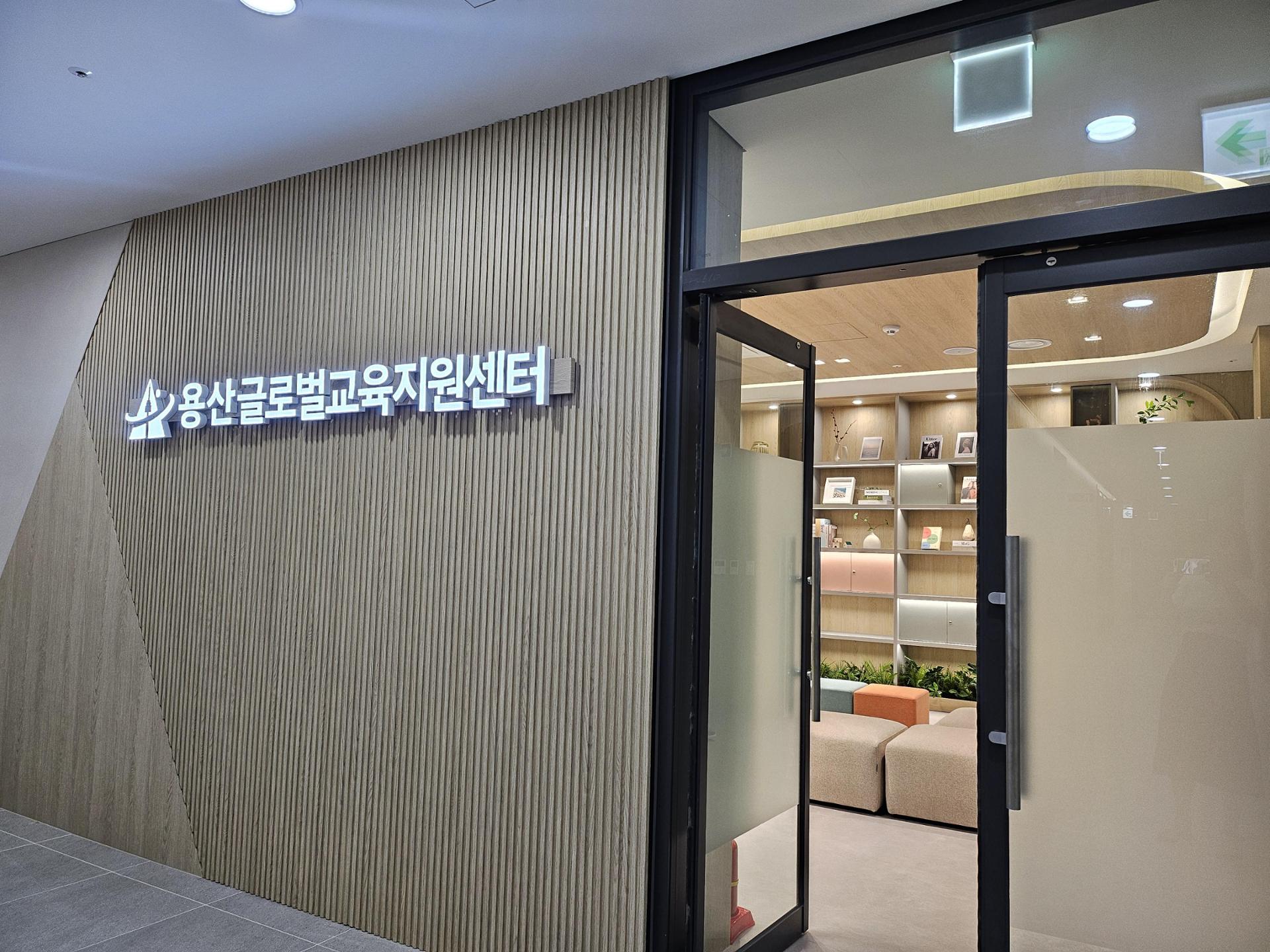
In Yongsan District, a sprawling area known as a multicultural hub, language barriers, cultural isolation and socioeconomic strain have long simmered beneath the surface of family life. Local authorities took a significant step earlier this week toward addressing how those pressures can spill over into child welfare, establishing a cross-sector safety net designed specifically for immigrant and multicultural households.
Yongsan District Office announced a landmark memorandum of understanding aimed at preventing child abuse in multicultural families through early intervention, public support and language education. Dubbed “Opening Words, Connecting Hearts,” the multi-agency pact brings together municipal officials, law enforcement, educational institutions and child protection specialists to tackle the root causes of domestic friction before a crisis hits.
The program arrives as Korea grapples with rapid demographic shifts.
Over the past decade, international marriages and foreign-born residents have reshaped the nation’s urban centers. Yet municipal research in Yongsan District — home to one of the capital's largest international populations — revealed a troubling pattern where standard child abuse prevention models often fell short when applied to households navigating language barriers and cultural differences.