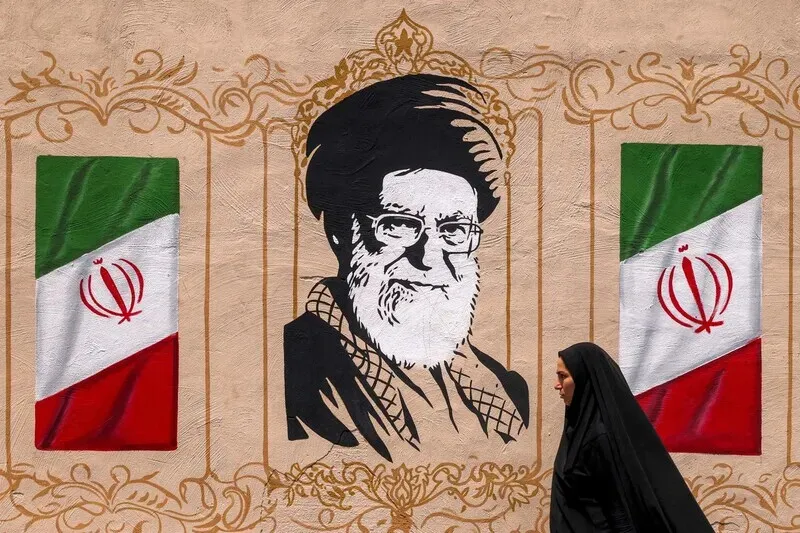
A woman walks past a mural depicting the slain former supreme leader of Iran, Ayatollah Ali Khamenei, in Tehran, Iran, on Aug. 8, 2026. (AFP/Yonhap)
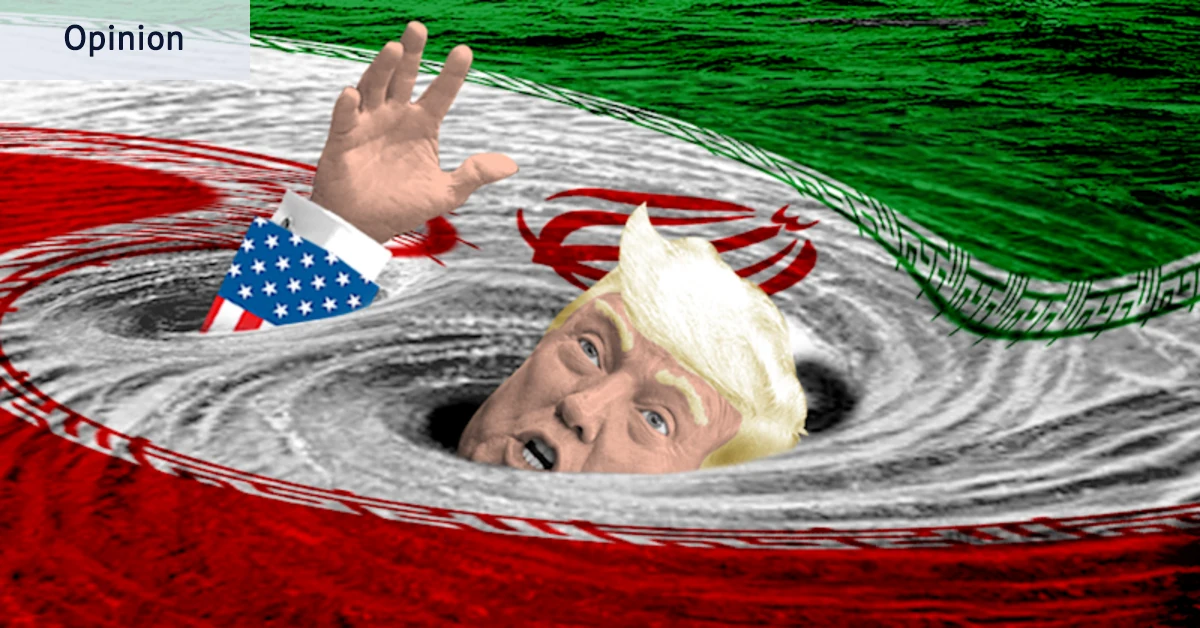
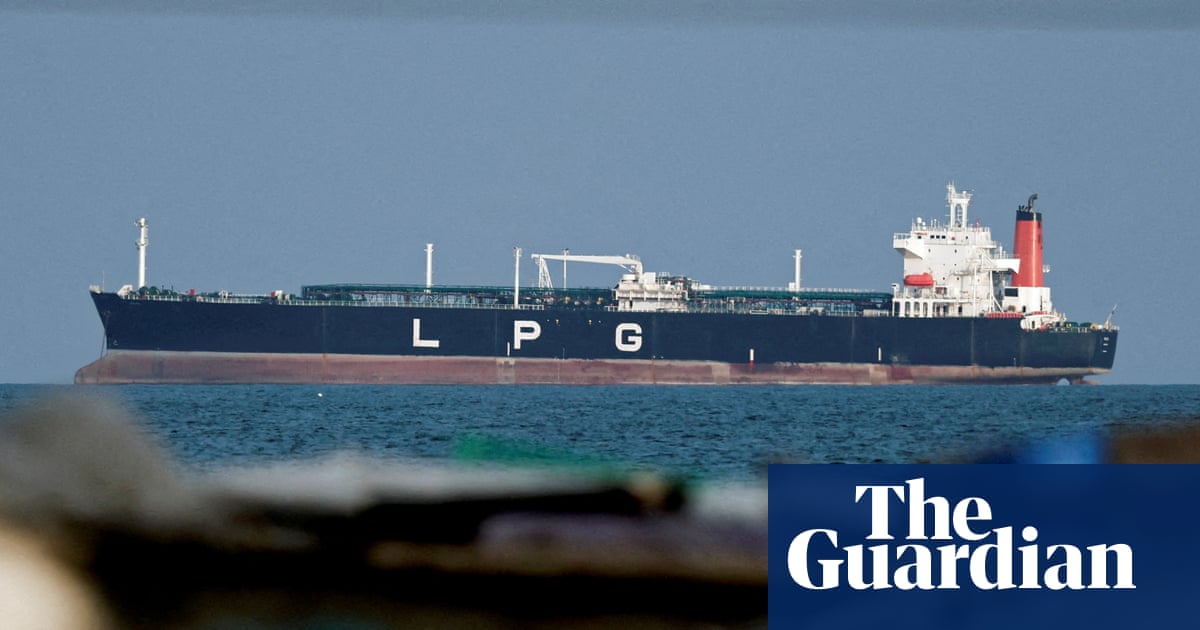
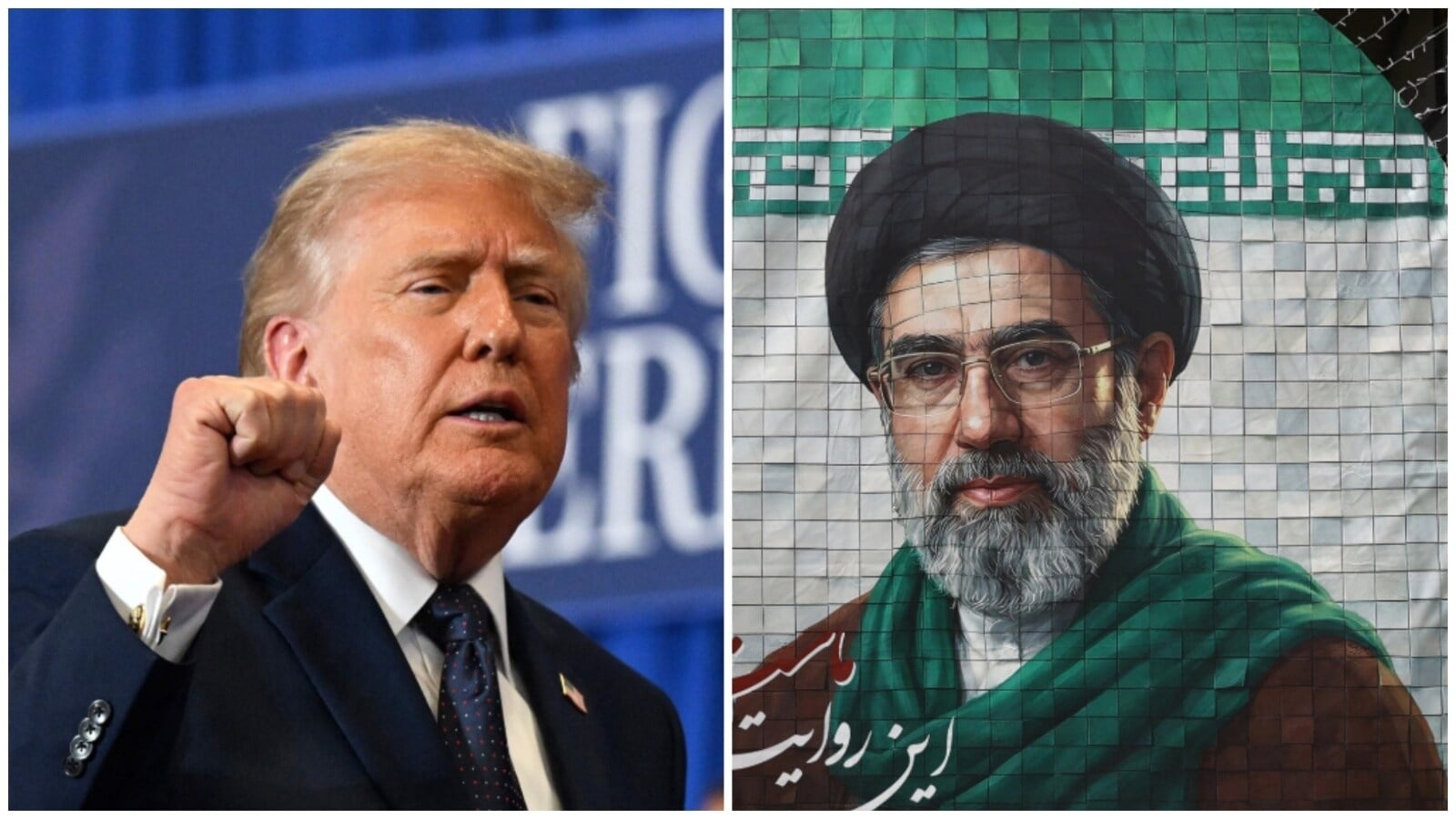
By Jung E-gil, senior international affairs writerIran says the Strait of Hormuz will not return to the way it was, and the same can be said of the Middle East as a whole. The region is no longer a place where American hegemony prevails over challenges.On Feb. 14, 1945, then US President Franklin Roosevelt held a three-day meeting with Saudi Arabia’s King Ibn Saud aboard the naval cruiser USS Quincy anchored in the Suez Canal on Roosevelt’s way home following the Yalta Conference, which shaped the global order after World War II. This dialogue launched the modern Middle East.On May 14, 1948, Roosevelt’s successor Harry Truman approved the founding of Israel, now a key axis of the Middle East order, just 11 minutes after it was declared. In August 1953, the US Central Intelligence Agency’s Operation Ajax toppled the Iranian government of Mohammad Mosaddegh, which combined oil and nationalism.The Suez Crisis, in which the US prevented armed intervention by Britain and France to reverse Egypt’s 1956 nationalization of the canal, signaled the decline of European imperialism and the rise of unipolar US global hegemony.Essentially, the Middle East was a battleground between the US policy of containing communism and the Soviet Union’s efforts to circumvent it, and the US eventually won. Having seethed since the Suez Crisis, Arab nationalism accelerated Soviet expansion into the region, but this was halted by the Six-Day War in 1967, the third armed conflict between Israel and the Arab world. The US installed Israel as a strong proxy force in the Middle East.The fourth armed conflict in the region, the Yom Kippur War that broke out on Oct. 6, 1973, and the subsequent oil shock turned out to be a blessing in disguise for US hegemony, which was reeling from the aftermath of the Vietnam War. America reestablished dollar hegemony by guaranteeing the security of Saudi Arabia and launching the petrodollar system, which settles oil transactions exclusively in the greenback.Egypt, then leader of the Arab world, began peace negotiations with Israel through US mediation after the 1973 war. This marked the point at which Soviet influence began to decline in the Middle East.More than anything, the oil shock shaped the destinies of the US and the Soviet Union. The latter had emerged as the world’s largest oil producer but squandered its resources under the intoxicating influence of oil wealth. Moscow wasted its national resources on expanding Soviet influence in the developing world through efforts like the 1980 invasion of Afghanistan. The US, however, transitioned into a knowledge-based economy and embraced innovation.The development of high-precision guided weapons, which would become a defining feature of today’s Pentagon, also began around this time. The plunge in oil prices in the 1980s doomed the Soviet economy to a precipitous collapse. The 1991 US-led Gulf War, launched in retaliation for Iraq’s invasion of Kuwait, cemented American unipolar hegemony in the eyes of the world, and the Soviet Union was dissolved in December that year.Pax Americana had reached its peak but was plagued by a new predicament. The rise of Islamist forces burdened the dual containment strategy of the US to simultaneously isolate Iran and Iraq. The spread of Islamism exploded with the 9/11 attacks in 2001, forcing Washington to wage a long and arduous Global War on Terrorism including in Iraq and Afghanistan.In 2011, American troops officially withdrew from the Iraq War, which broke out in 2003, but the civil conflict there raged on. In the aftermath, the quasi-state group Islamic State emerged in 2014 in Iraq and Syria, seizing an area the size of the UK before subsiding in 2019. The war in Afghanistan ended in August 2021 after the US conducted a military withdrawal in what amounted to a virtual overnight retreat.With the 2008 inauguration of President Barack Obama, the US declared its withdrawal from the Middle East to pivot toward the Asia-Pacific region. Both the 2015 international nuclear deal with Iran to pursue reconciliation and the Biden administration’s humiliating withdrawal from Afghanistan were both part of this strategy. Yet given recent events, Washington is being pulled deeper into the crisis in the Middle East.In 2018, during his first go as president, Donald Trump unilaterally scrapped the Iran nuclear deal, sowing the seeds of a war with Iran. His pet project, the Abraham Accords, which sought to establish diplomatic relations between Israel and Sunni Arab states, antagonized Hamas and fueled Israel’s military escalation, ultimately resulting in the wars in Gaza and Iran. American strategists have long argued that the US should stop involving itself in the Middle East, as the region’s strategic value has slowly but surely waned. But Washington has not listened, largely because it has already gotten itself in too deep in the region. The dollar — a key pillar of American hegemony — is tied to Middle Eastern oil, and the neocon view that the toppling of the Islamic Republic of Iran’s regime and Israel’s security are inextricable from US dominance continues to prevail in Washington’s foreign policy. All that the US has to show for that idea is a war with Iran and a Strait of Hormuz that is increasingly controlled by Tehran. On Friday, Saudi Arabia, Turkey and Pakistan — all US allies — signed onto a new mutual defense pact, signaling the start of a shift away from a regional security order led by the US. The US isn’t stuck in the Middle East — it’s digging itself deeper into a hole there. If anything, America is being expelled from the region, not pulling out.Please direct questions or comments to [english@hani.co.kr]