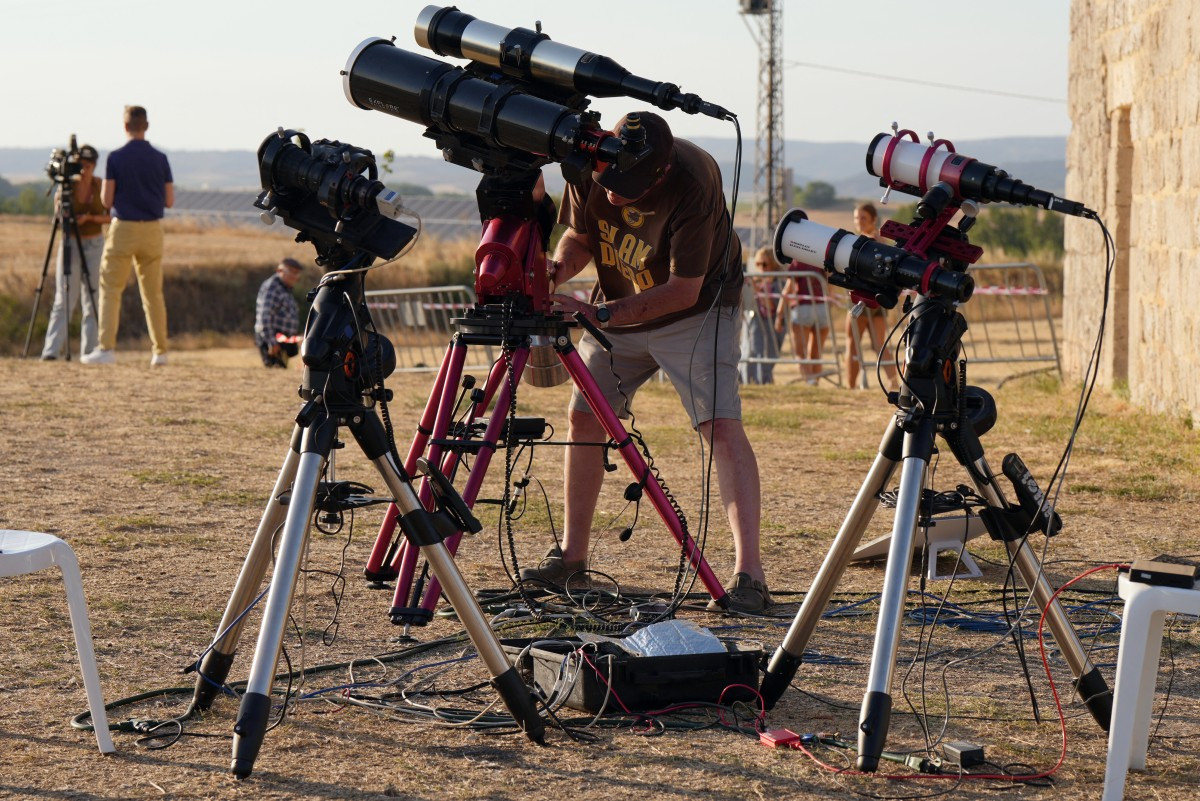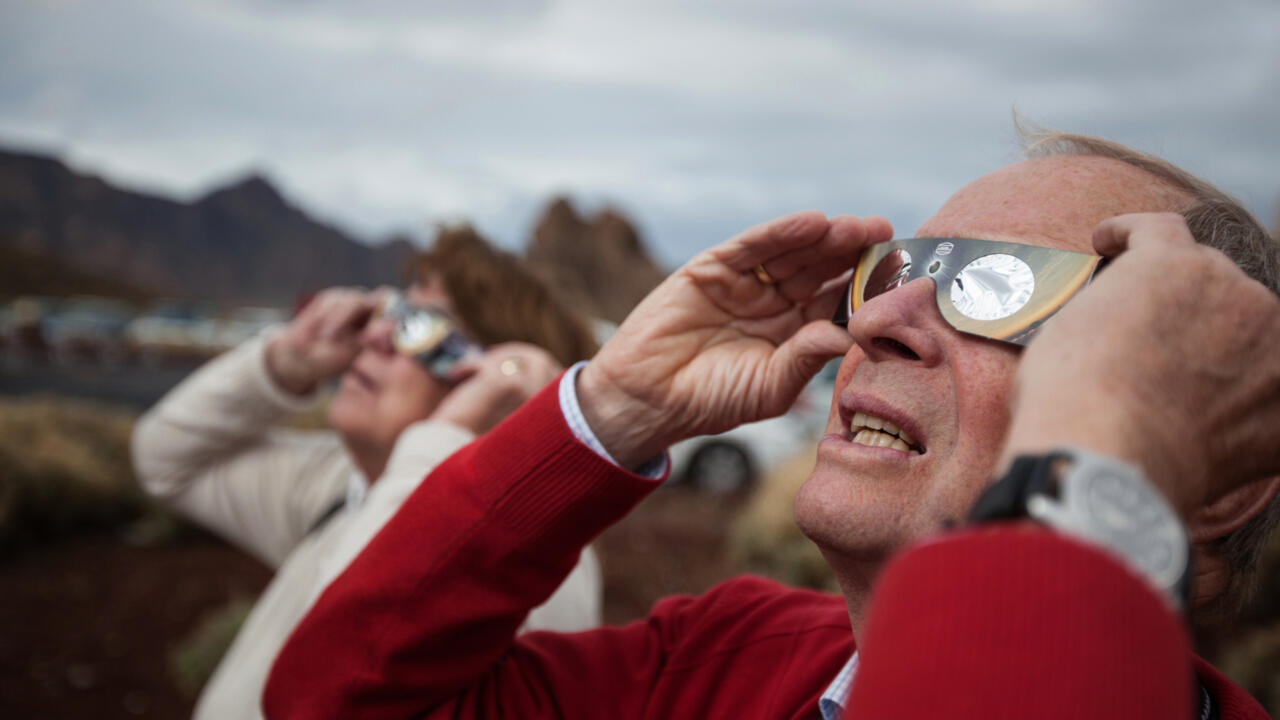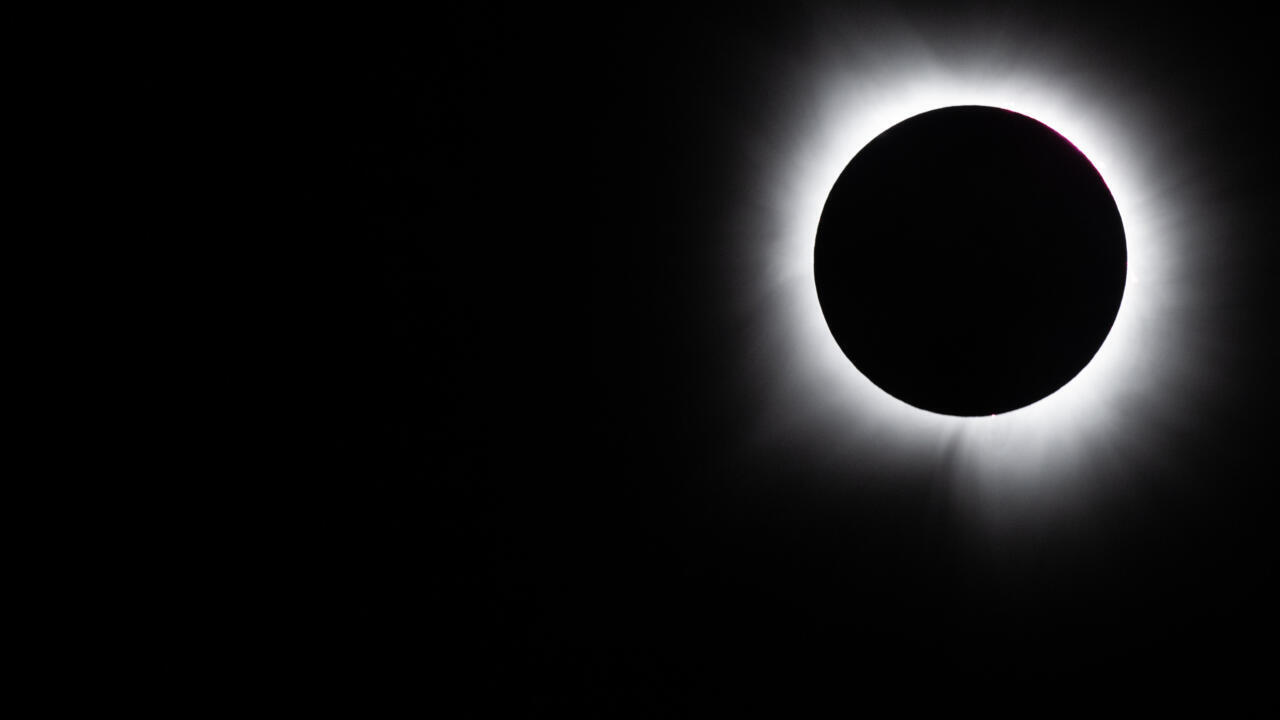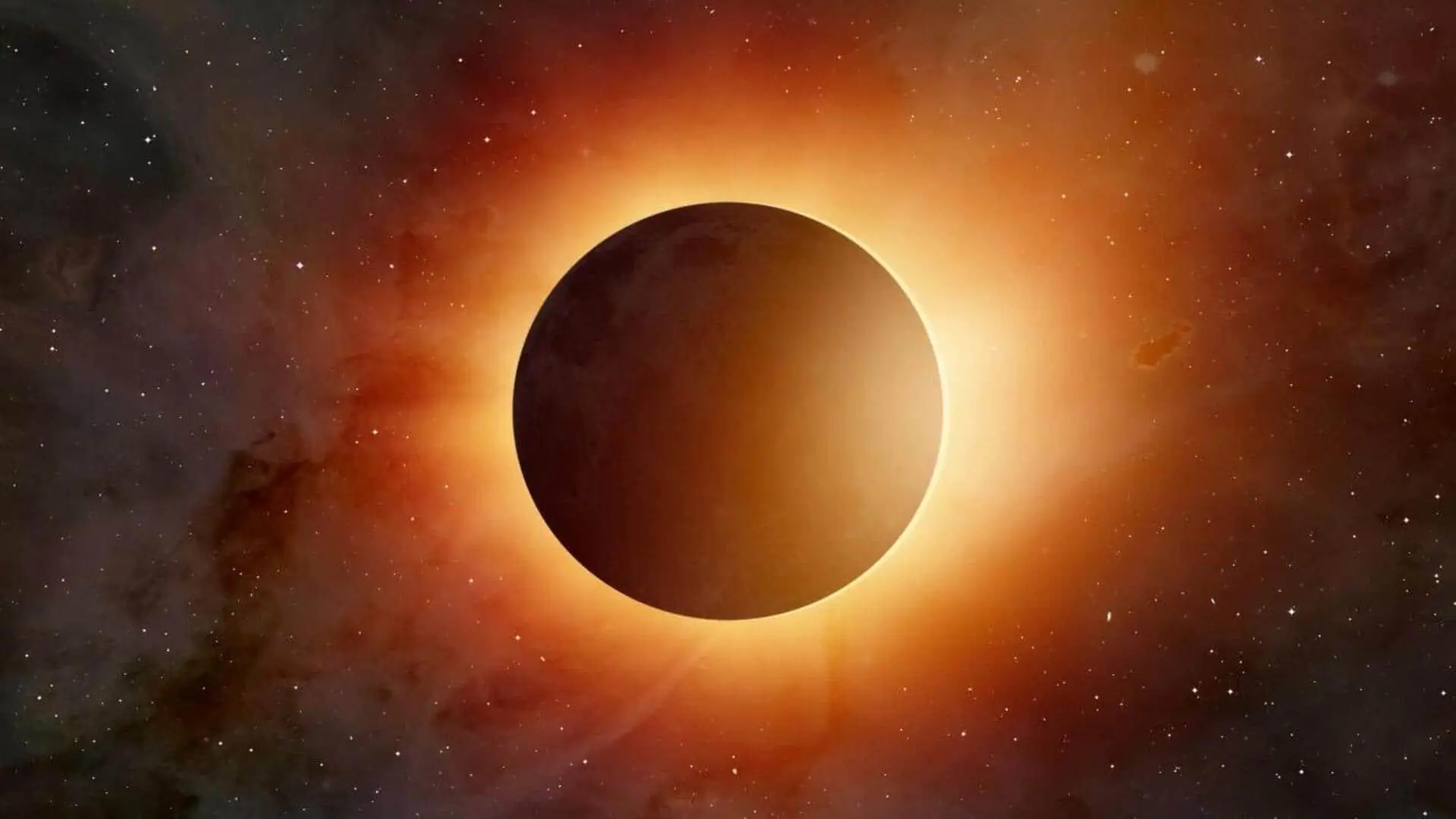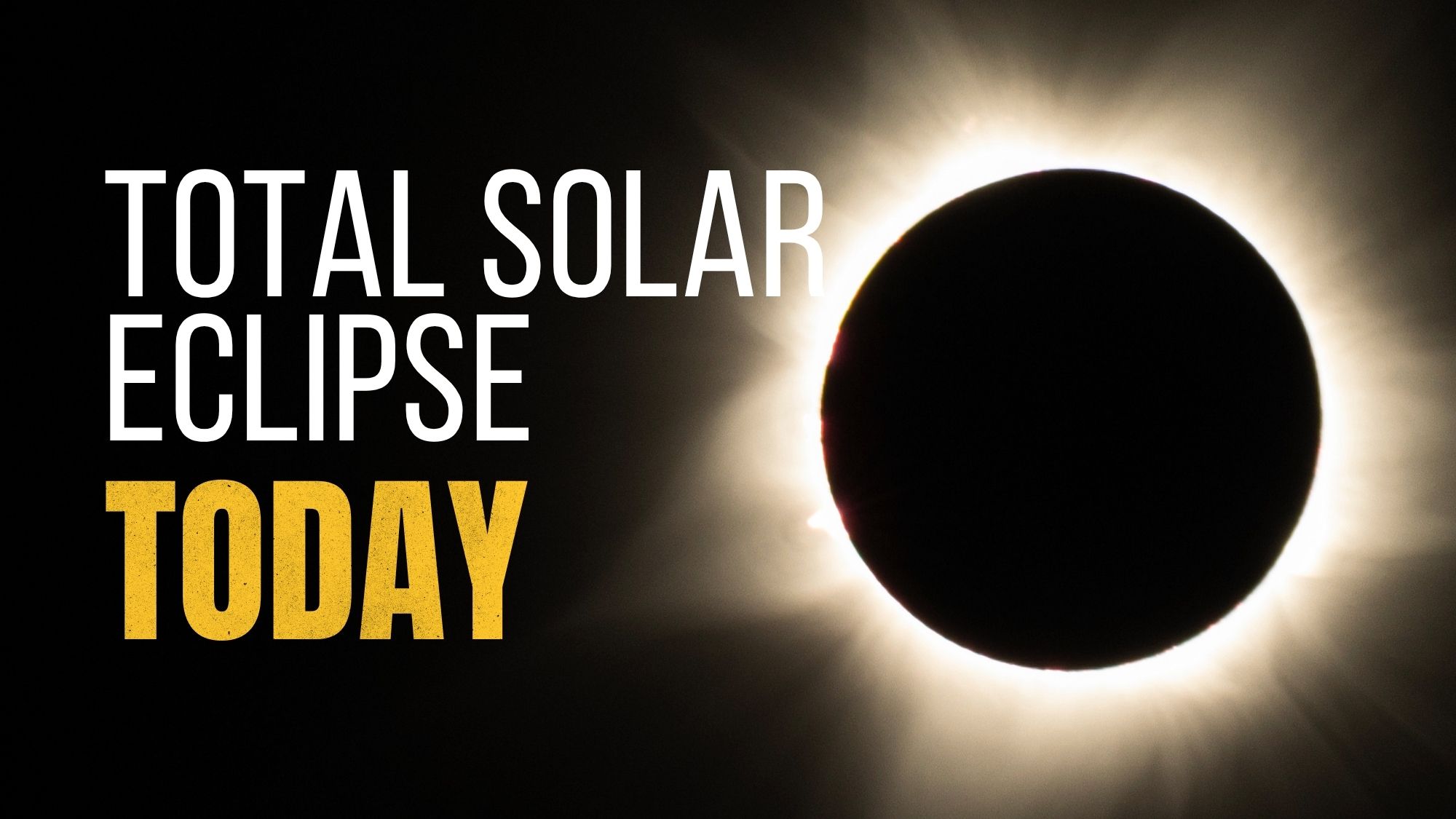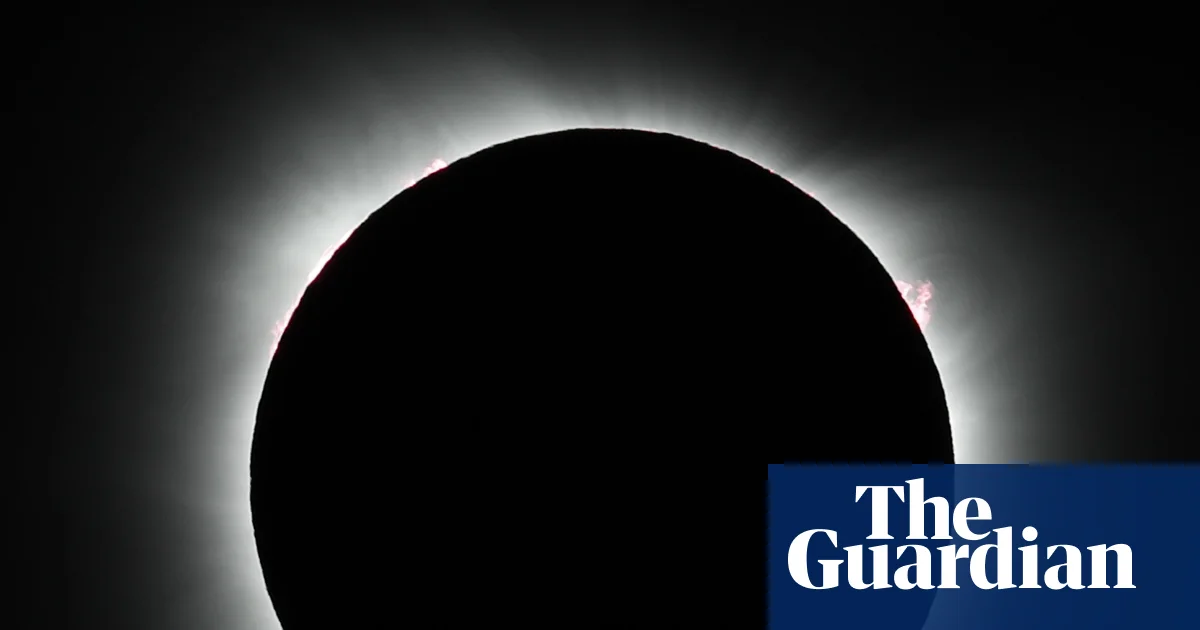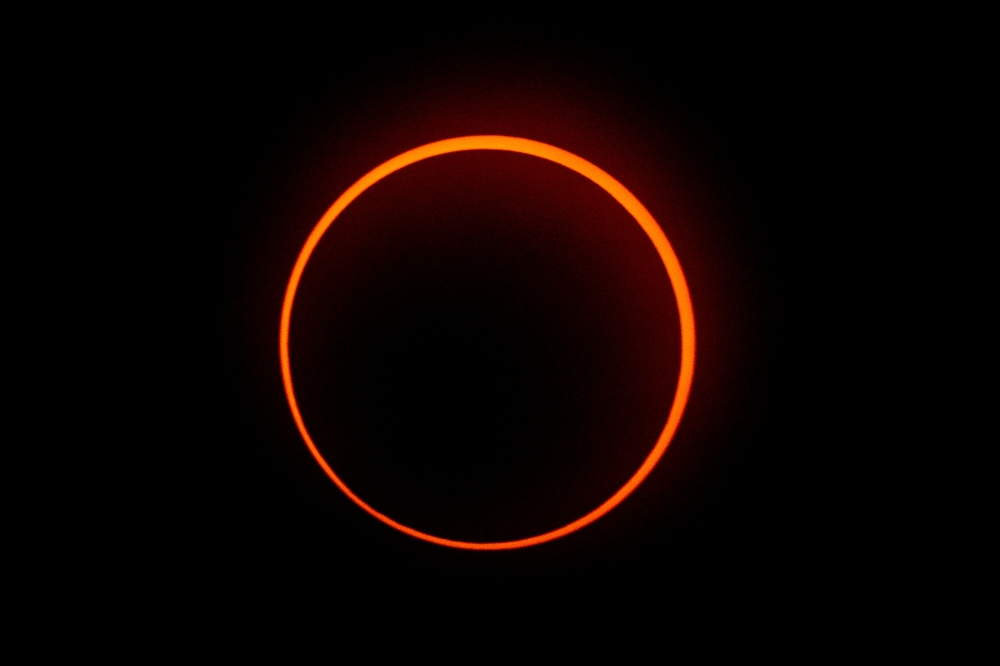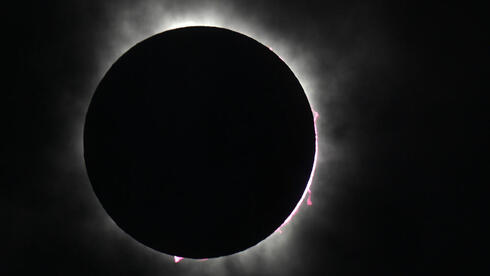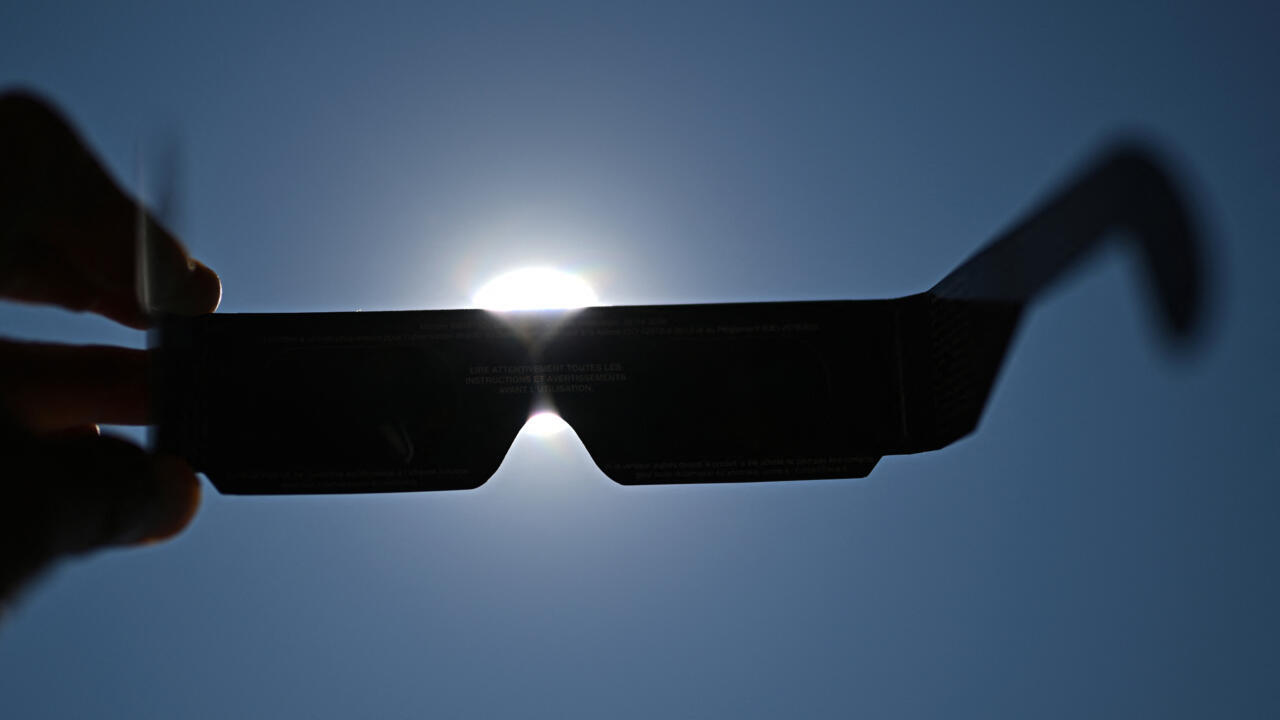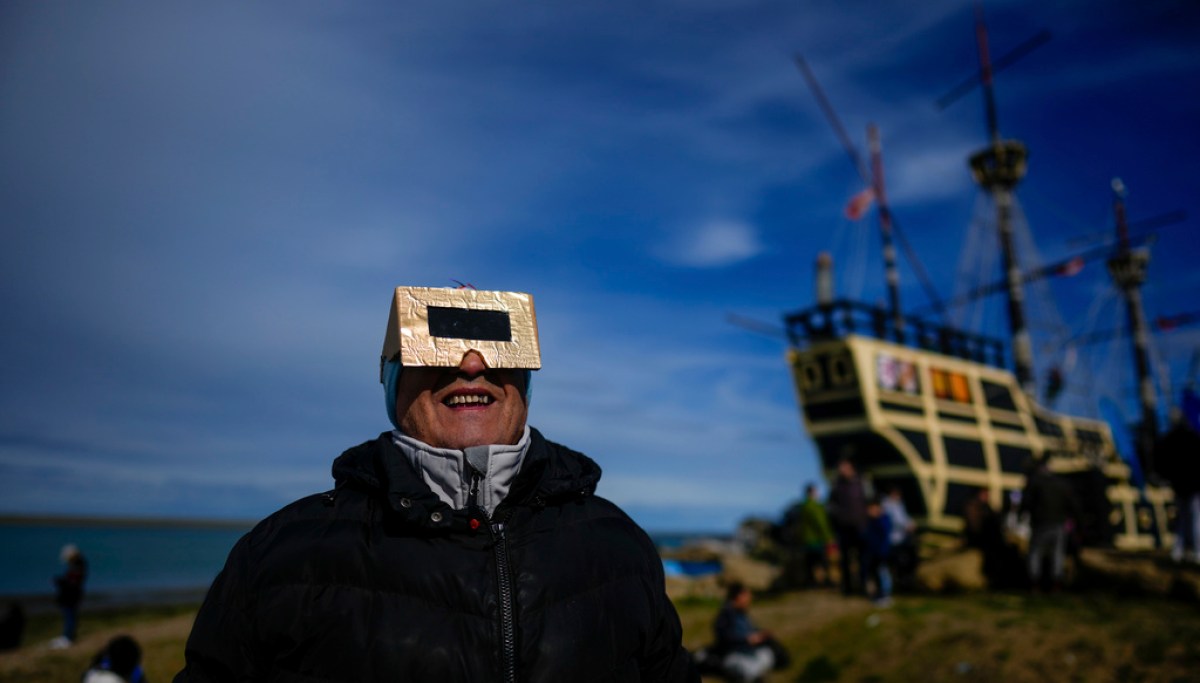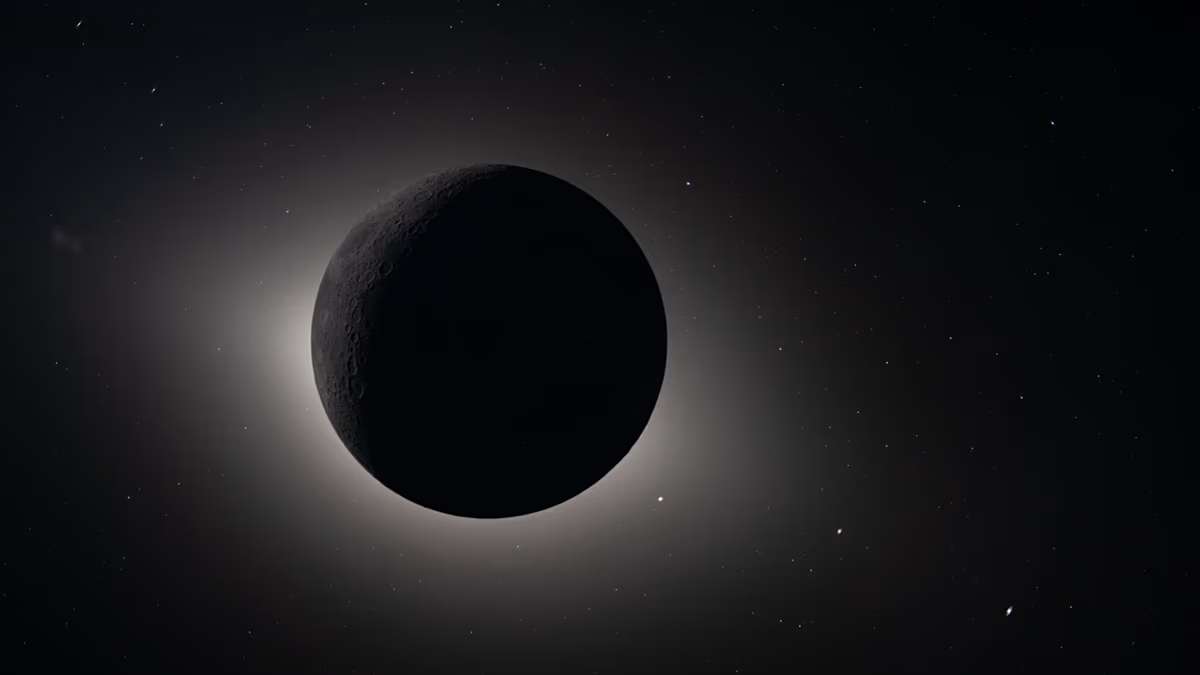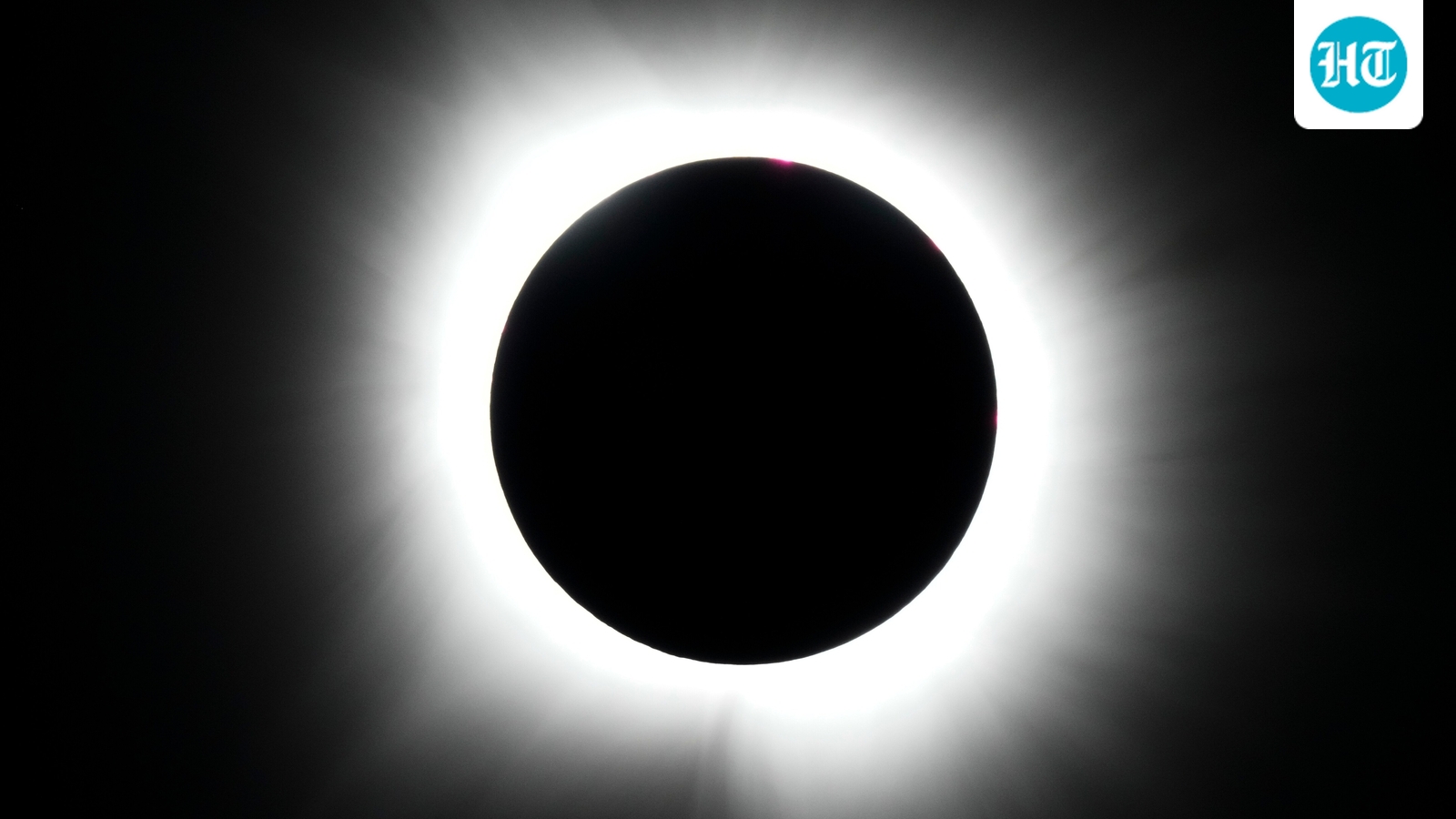
Spain will see its first total eclipse since 1905 on Wednesday. Here's the science, the safety rules, and when India will witness one. Spain and parts of mainland Europe will fall dark on Wednesday evening for the first time in 121 years, as a total solar eclipse traces a path from Greenland across the northern Atlantic and over the Iberian peninsula — an event that has filled hotels and turned a string of quiet Castilian villages into makeshift astronomy hubs.The last total solar eclipse, as seen from Arlington, Texas, in April 2024. (AP Photo)The Spanish mainland has not seen a total eclipse since 1905. Nasa places the path of totality across Greenland, Iceland, northern Russia, the Atlantic Ocean, northern and central Spain, and a small corner of Portugal.The last total eclipse of the sun anywhere was in April 2024, over North America.What happens during totalityA solar eclipse occurs when the moon passes directly between the Earth and the sun. A total eclipse occurs when the moon fully blocks the solar disc, briefly turning the sky the colour of dawn or dusk. For those few minutes, watchers can see the sun's outer atmosphere — the corona — with the naked eye. The corona is otherwise lost in the glare of the photosphere, the sun's visible surface.As the moon's shadow blocks incoming sunlight, air and land temperatures fall measurably — US National Oceanic and Atmospheric Administration (NOAA) satellite data from the 2024 eclipse recorded land-surface drops of 8–12°F (roughly 4–7°C) and air-temperature drops of 5–6°F (roughly 3°C) along the path of totality — while wind speeds ease and can briefly reverse direction, a pattern scientists call an "eclipse breeze".A CNN analysis of this eclipse noted that similar measurements during the 2017 US eclipse found wind speeds fell by an average of 6mph (roughly 10kmph) as the sun's energy was cut off.The sudden dusk can also unsettle wildlife: a peer-reviewed study of 17 species at a South Carolina zoo during the 2017 eclipse found roughly three in four animals changed behaviour, mostly slipping into evening or nesting routines.In the final seconds before totality, sunlight streaming through lunar valleys breaks into bright points called Baily's beads, catalogued by the American Astronomical Society. The effect is named for English astronomer Francis Baily, who described it in 1836 — though Nasa's own eclipse guides note that Edmond Halley had recorded it earlier, in 1715. The last bead fades into a brief "diamond ring", and the sky goes dark.Wednesday's eclipse begins in the late afternoon over Spain, with the sun already low. Totality will unfold near coastlines and mountain ridges before the sun sets while still partially covered — a "sunset eclipse" that photographers have been booking vantage points for since last year.Nasa puts peak totality over the North Atlantic at 2 minutes 18 seconds. Observers in Spain, where the sun is close to the horizon, will see a shorter window of up to about 1 minute 50 seconds.This is also the first total eclipse over Europe in nearly three decades — the last was in 1999. It is also the first of what Spain's National Geographic Institute (IGN) calls the “Iberian eclipse triad”: back-to-back total eclipses in 2026 and 2027, to be followed in January 2028 by a lesser annular eclipse, when the moon will not fully cover the sun and no corona will be visible.For now, it has made Spain the world's astro-tourism capital and promises a multi-year windfall for its hospitality industry.The next, on August 2, 2027, will cross southern Spain, North Africa and parts of West Asia, with totality lasting more than six minutes in places, according to Nasa.Also read: Colombia earthquake: A rupture within a cold, brittle plate around 100km underground may explain the 7.4-magnitude joltTourists visit Cape Fisterra the day before the solar eclipse, at the Costa de la Muerte in northwestern Spain. (Reuters Photo)A WB-57 Canberra aircraft is pictured during a media visit ahead of a Nasa-supported mission to fly a high-altitude aircraft above the clouds during the total solar eclipse to study the Sun and changes in the Earth's atmosphere in Keflavik, Iceland. (Reuters Photo)Why the sun can blind you, eclipse itself can'tContrary to a common assumption, the corona is not what makes an eclipse dangerous to watch — it is the one moment when looking at the sun with the naked eye is safe. The danger lies in the sun's ordinary bright disc, the photosphere, which remains hazardous to view unfiltered at every other point in the eclipse, including the partial phases before and after totality.Ophthalmological studies say the intense sunlight focused by the eye's lens onto the retina triggers a photochemical reaction, chiefly from short-wavelength visible and near-ultraviolet light, that damages the light-sensitive rod and cone cells and the tissue beneath them.With prolonged or magnified exposure — through binoculars or a telescope, for instance — this photochemical injury can be compounded by heat damage, effectively burning the retina, according to a peer-reviewed paper in the journal Eye.Because the retina has no pain receptors, the resulting condition, known medically as solar retinopathy, is often painless and only noticed once vision has already blurred or distorted — sometimes permanently, according to the American Academy of Ophthalmology.Looking at the sun without protection can cause permanent damage in seconds. Nasa advises using only ISO 12312-2 certified eclipse glasses, and checking that the solar film is free of scratches or tears before use. The films are typically thin polyester sheets layered with ultraviolet inhibitors, metallised coatings that absorb infrared, and an anti-glare tint.Regular sunglasses, however dark, will not do. Nor will unfiltered camera lenses, binoculars or telescopes — the built-in optics concentrate light rather than block it. Spanish authorities have pulled several non-compliant eyewear brands off shelves in recent weeks and are urging buyers to check certifications.Glasses can come off only during the brief window of full totality, though that too isn't advisable. Anyone photographing the event through cameras, binoculars or telescopes must fit a professional solar filter to the front of the lens because eclipse glasses worn behind such devices offer no protection.Also read: How generations got the names boomer, millennial, Gen Z ? An author, a punk, a TV anchor had roles to playSpain, one of the few places in the world where the solar eclipse of August 12 will be seen in totality, looks forward a phenomenon expected to shift traditional summer tourism from beaches to the countryside. (AFP Photo)Researchers from San Francisco's Exploratorium museum carry out preparations for the global live broadcast of the total solar eclipse, in the abandoned village of Villalibado, near Burgos, northern Spain. (AFP Photo)Customers wait in line for the sale of eclipse glasses in Almelo. (AFP Photo)A country preparingThe scale of the influx has stretched rural Spain to its limits in some cases. Hotels and rentals along the path of the eclipse have been sold out for months, and municipalities with limited infrastructure are scrambling to accommodate the crowds, with local authorities deploying emergency measures.The bigger worry is fire. A summer of successive heatwaves and drought has turned much of the dry Castilian countryside into tinder. Barbecues, fireworks and parking on dry grass have been banned across viewing zones.Spanish police estimate 1.5 million car journeys on the eclipse day alone, The Guardian reported. Telecom companies have wheeled in temporary mobile masts to handle the surge in live-streaming, and hospitals in the path are on standby for cases of eye injuries.Somosierra, a village of just 93 residents at the northern edge of Madrid province, is bracing for more than 2,000 visitors, according to The Guardian. The village council opened 400 registration slots and is expecting many more to turn up regardless.Further northwest, Nasa has installed four high-powered telescopes at Spain's Villalibado — a hamlet that was abandoned before being reborn as a holiday village — to livestream the eclipse to an audience of more than 10 million, after what the agency described as a yearlong site search.When India gets its turnOnly a narrow strip of the planet ever sees a total eclipse at a time. The moon is far smaller than the Earth, and the cone of its shadow — the path of totality — is typically 100 to 250 kilometres wide. Wednesday's path misses India entirely.Indians who want to watch anyway can do so online: Nasa begins its livestream at 1.15pm US Eastern time (around 10.45pm IST), with views from telescopes along the path and commentary from its scientists, while the European Space Agency streams separately from the Javalambre Observatory in Spain from roughly 11pm IST.Indian skywatchers will not have to wait indefinitely for a total eclipse of their own.A total solar eclipse is expected to cross Afghanistan, Pakistan and northern India — including Jammu and Kashmir and Ladakh — on March 20, 2034, before continuing into China. The shadow's path is narrow even by eclipse standards: at its widest, over central Africa, it measures under 160 kilometres, and it will have narrowed further by the time it reaches the Himalayas, giving Indian viewers a shorter window of totality than the four-minute-plus duration expected over Africa.
Science of total solar eclipse: What happens when moon blots out the sun over Spain today & why India must wait its turn
Spain will see its first total eclipse since 1905 on Wednesday. Here's the science, the safety rules, and when India will witness one.
1,513 words~7 min read