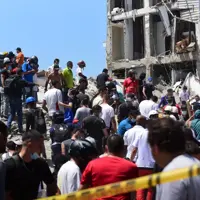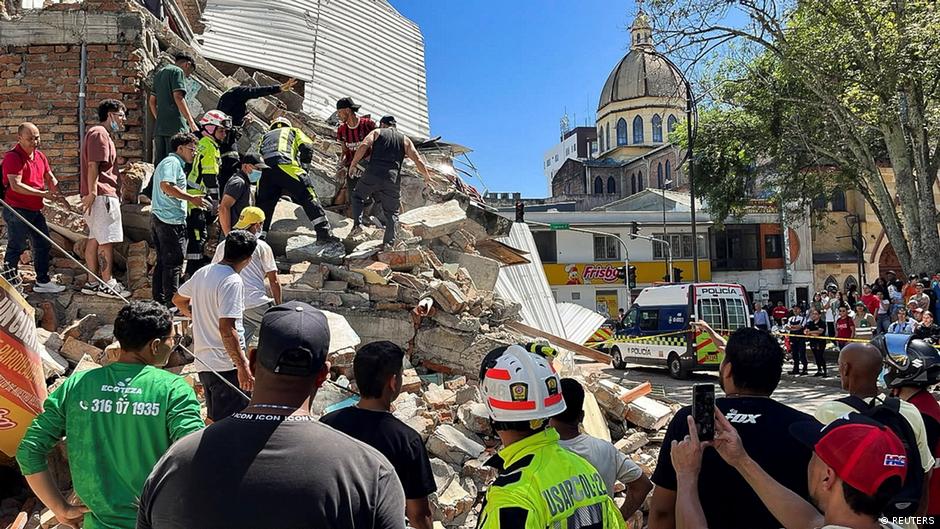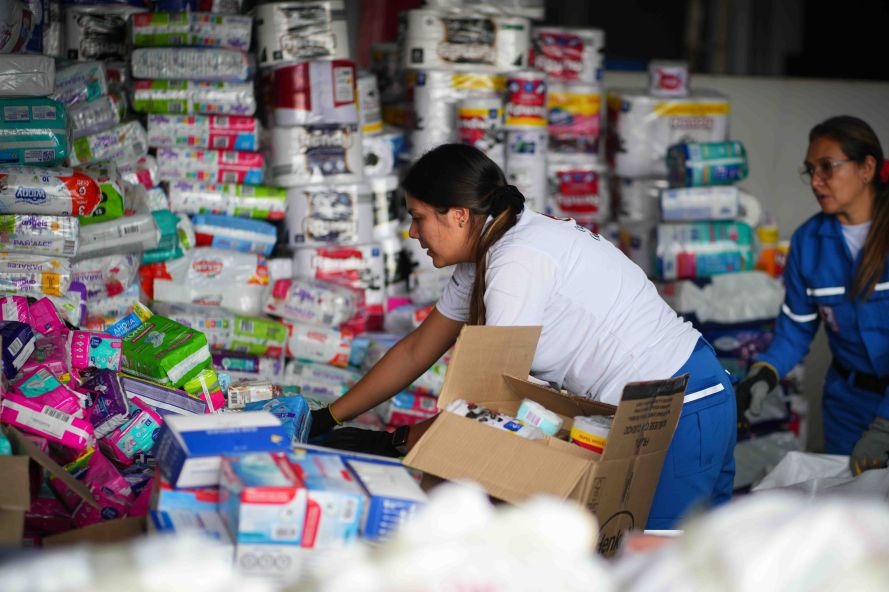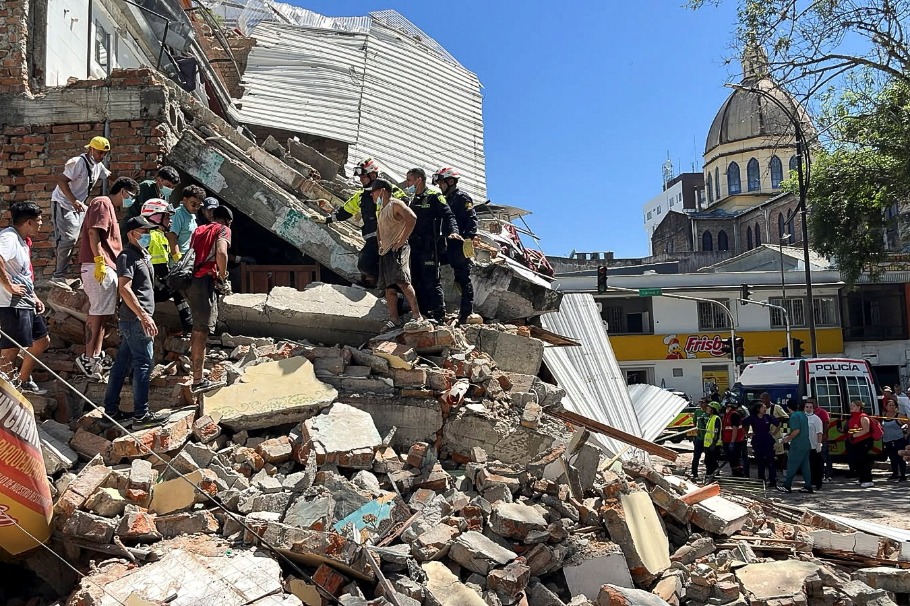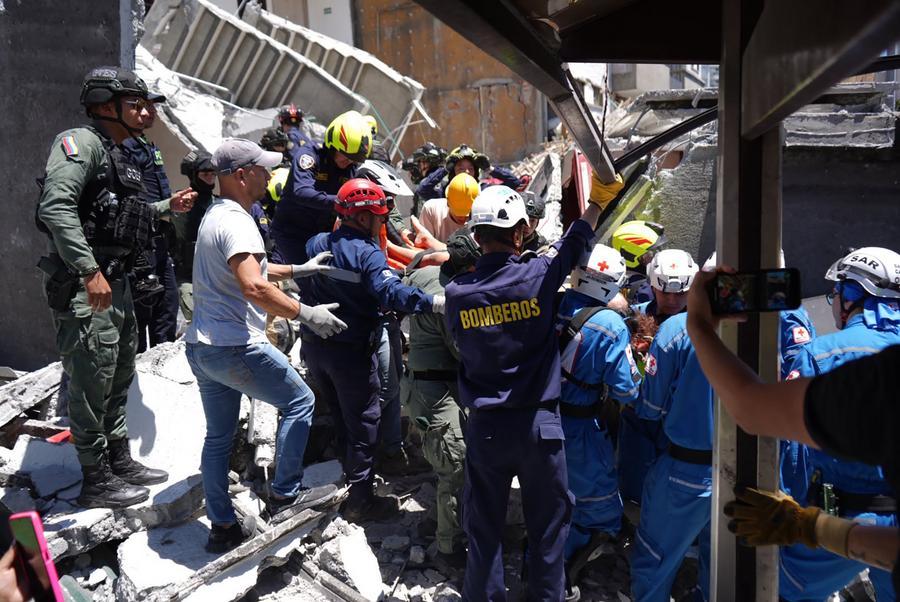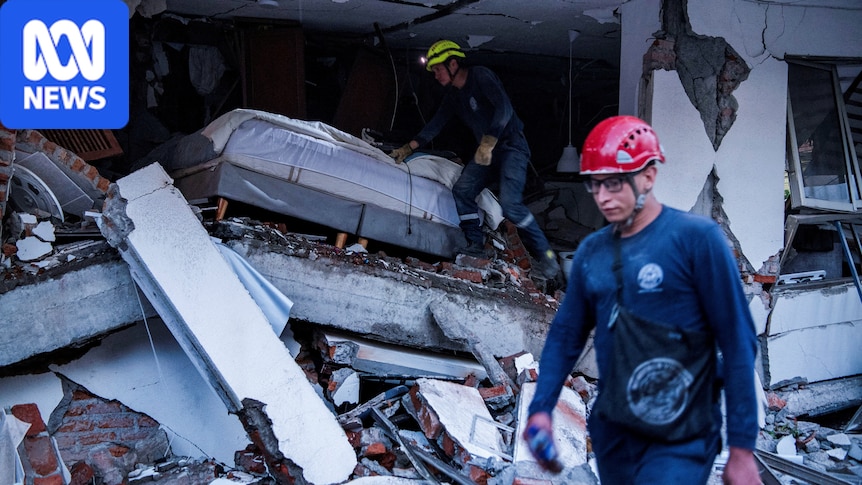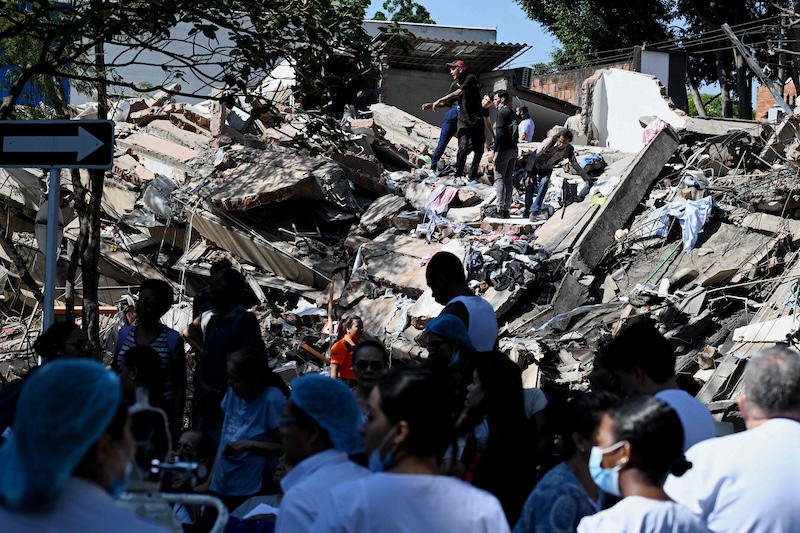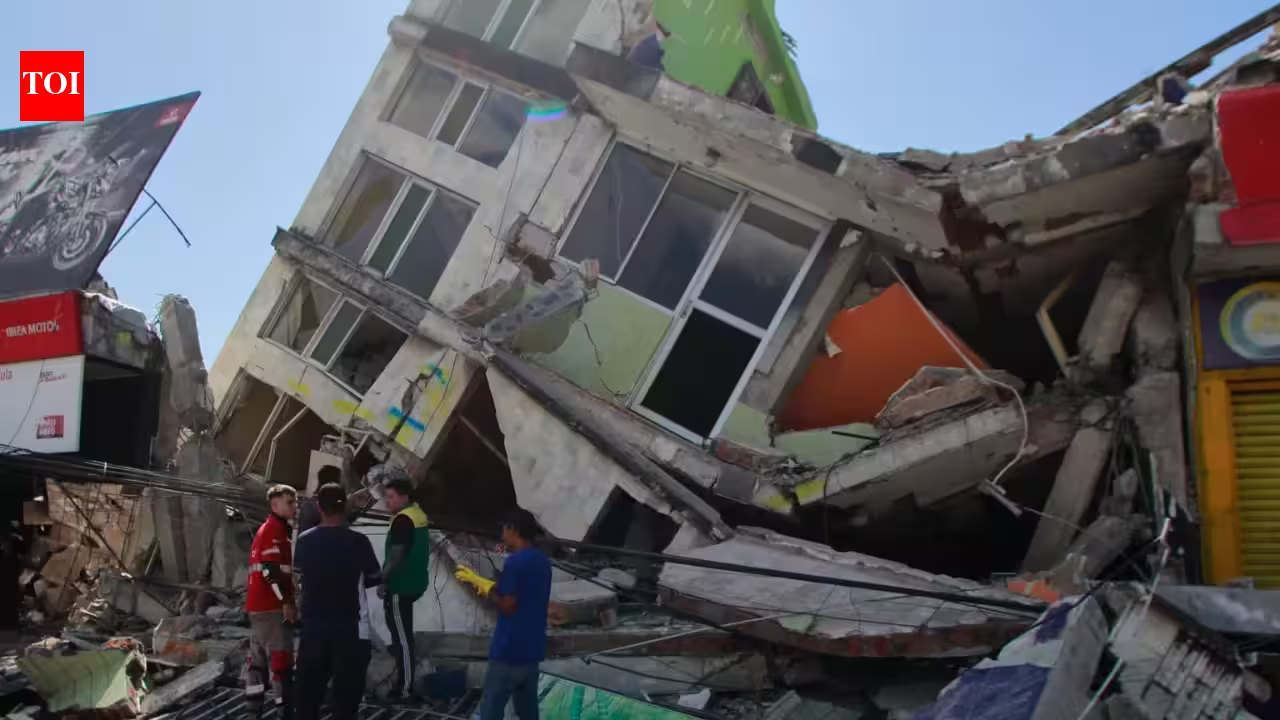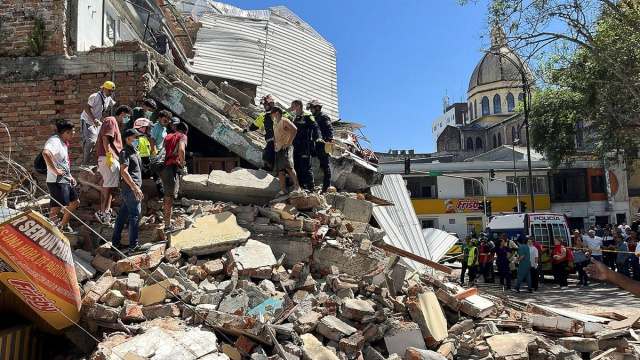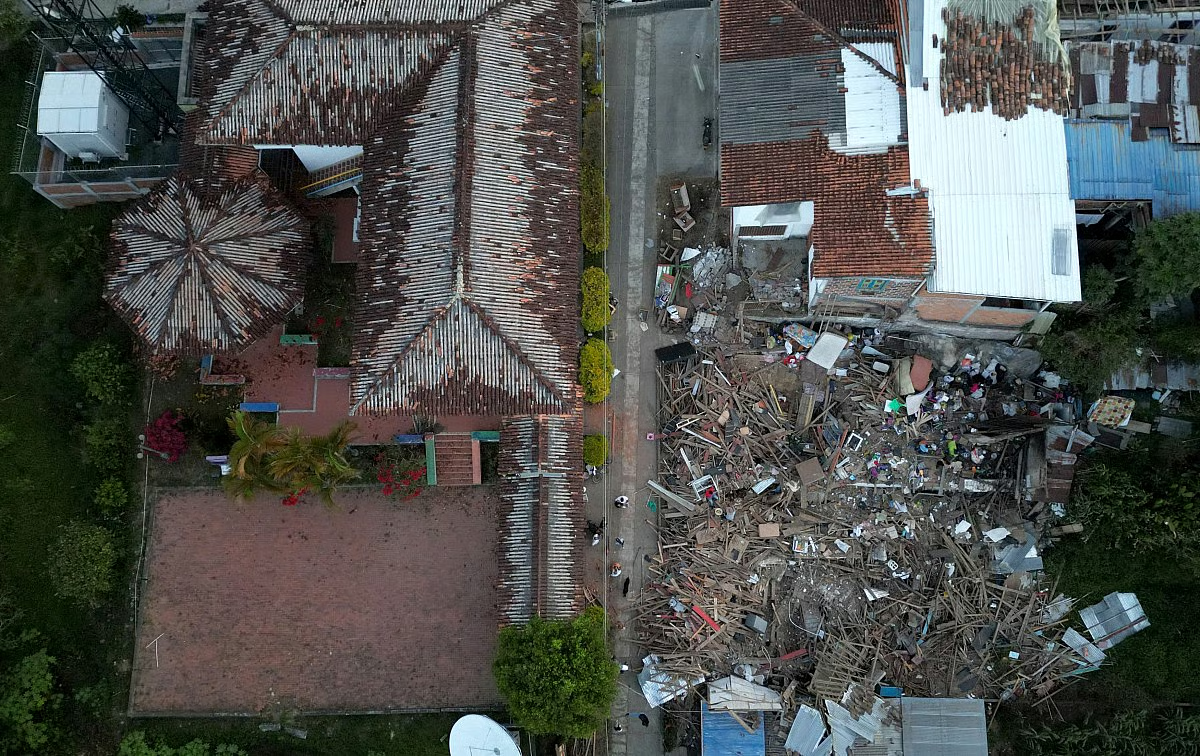
Cali, Pereira, Manizales and Quibdo bear brunt of deadly 7.4 tremorLast updated: August 12, 2026 | 10:472 MIN READAerial view shows a destroyed house after an earthquake in El Cairo, Valle del Cauca, Colombia on August 11, 2026.AFPAt least 169 people died and more than 600 were injured in the earthquake that struck Colombia, according to a tally released Tuesday by the Association of Mayors. The deaths were concentrated in the western cities of Cali, Pereira, Manizales, and Quibdo. Colombian mayors also reported 165 buildings collapsed in Monday's 7.4- magnitude earthquake.The powerful earthquake struck western Colombia on Monday, Aug. 10, with its epicentre near San José del Palmar in Chocó department, about 400 kilometers (250 miles) west of Bogotá. The quake was felt across much of the country and was reported as one of Colombia's strongest earthquakes in decades.Latest developments:Rescue operations are continuing. Crews are digging through rubble in affected communities, with reports of people still trapped or unaccounted for. Earlier reports said thousands of people had been reported missing, although those figures were expected to change as communications were restored and authorities verified reports.Pereira, Cali and Manizales are among the major urban areas reporting significant damage, while communities closer to the epicenter in Chocó have also been badly affected. Buildings collapsed or sustained structural damage, complicating rescue efforts.The death toll is still changing rapidly. Reports have moved from 47 deaths shortly after the quake to more than 100 and then 169 as rescuers reached damaged areas. Some international reports have already cited higher preliminary figures, underscoring the difficulty of establishing a definitive toll while searches continue.Aftershocks remain a major concern. A strong earthquake can produce numerous aftershocks in the days and weeks that follow. Local reports said dozens had already been recorded after Monday's main shock. Damaged buildings are particularly vulnerable to additional shaking.Why the earthquake was so damagingThe quake occurred at an estimated intermediate depth of roughly 100 kilometers, rather than immediately beneath the surface. Despite that depth, its 7.4 magnitude generated powerful shaking across the coffee-growing region and western Colombia.Colombia is highly earthquake-prone because it sits in a complex tectonic setting where the Nazca, South American and Caribbean plates interact. Western Colombia, including the Chocó and Coffee Region, has experienced destructive earthquakes before. Historical records document damaging events affecting Pereira, Armenia, Manizales and Cali, including the devastating 1999 Quindío earthquake, which killed more than 1,000 people.Recent regional seismic activityThe timing has heightened attention because neighbouring Venezuela was hit by two major earthquakes in June, including events around magnitude 7, although those occurred on different fault systems and there is no evidence that they caused Monday's Colombian earthquake.The current Colombian sequence should therefore be viewed primarily as a new earthquake sequence, with aftershocks expected as the crust adjusts following the main rupture. The occurrence of several large earthquakes in the wider region does not by itself mean that one is triggering another.Situation fluidThe situation remains fluid. Different agencies and news organisations are reporting different totals as rescue teams reach previously inaccessible areas. The current figure is as per the Association of Mayors, not a final official toll.Also In This PackageGet Updates on Topics You ChooseUp Next
Death toll from Colombia quake rises to 169: Mayors
Colombia earthquake death toll climbs to 169, with over 600 injured and 165 buildings collapsed as rescue teams race to find survivors in western cities.
528 words~2 min read