The chief probation inspector has warned that the early release of prisoners could put the public at risk of more serious or violent crimes.Martin Jones, chief inspector of probation for England and Wales, said probation staff who will be required to manage some 5,000 people expected to be released early under sentencing changes are “already under unprecedented pressure”.“They’re managing a caseload of 258,000 cases; that’s nearly three times the number that are in our prisons, and obviously the early release scheme will be increasing that pressure considerably,” he told the BBC.Questioned about potential risk to the public once early releases begin, Mr Jones said it “could be a serious sexual or violent offence or even murder”.“The worst that can happen is that things are missed, plans aren’t put into place and we don’t give people the level of service they need and that leads to serious further offences,” he said.Prime Minister Andy Burnham paused the early release scheme last month (PA)Prime Minister Andy Burnham paused the early release scheme last month in the face of opposition over the potential early release of two of the killers of PC Andrew Harper.Prisoners serving sentences for rape or child sex offences were exempted from the changes.A Ministry of Justice (MoJ) spokesperson said protecting the public was the Government’s “top priority”.“The Sentencing Act is restoring order to a prison system left on the brink of collapse, while our record £700 million investment in probation and community punishment is ensuring staff have the resources, powers, and technology they need to manage offenders safely in the community,” they said.The MoJ added it had already exceeded 2025/26 recruitment targets and 1,389 people had started as trainee probation officers in the last year.Mr Burnham previously pushed back the date when the first early releases would begin, from September to October, to give the Probation Service more time to prepare.On Tuesday, probation officers voted overwhelmingly in favour of potential strike action in protest against the early release of prisoners.Napo, the probation union, said the system is already struggling to cope, and that a bigger workload will put public safety at risk.The union said 90 per cent of its members had backed potential industrial action.In the aftermath of the vote, the MoJ said: “Our probation staff do a vital job, working tirelessly to cut crime and keep the public safe.“That is why we secured the biggest probation pay increase in over a decade in April and are working to cut down workloads by recruiting 1,300 probation officers this year and investing in technology that can drive down admin workloads.“While this ballot is only indicative, we are disappointed with the outcome and will continue to engage with Napo and other recognised trade unions.”
Early release scheme puts public at risk of serious crimes, probation inspector warns
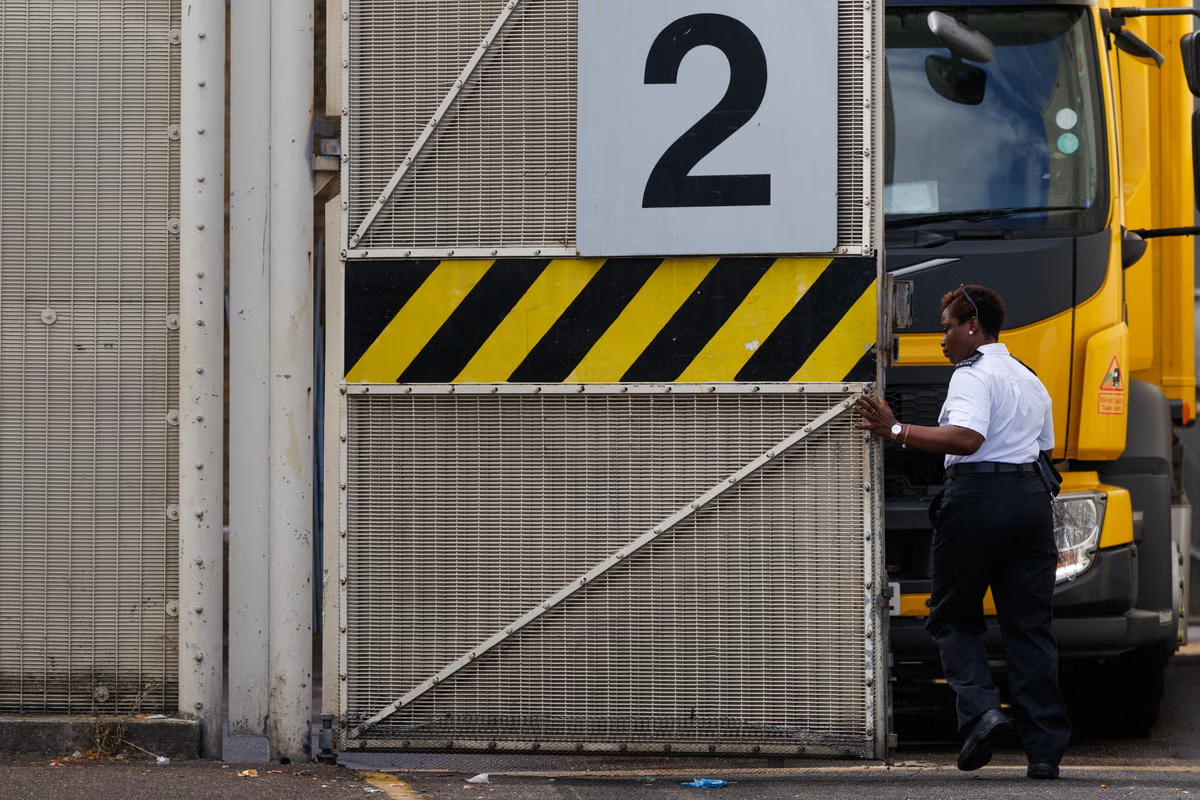
The 5,000 people expected to be released early under sentencing changes will need to be managed by probation staff
452 words~2 min read