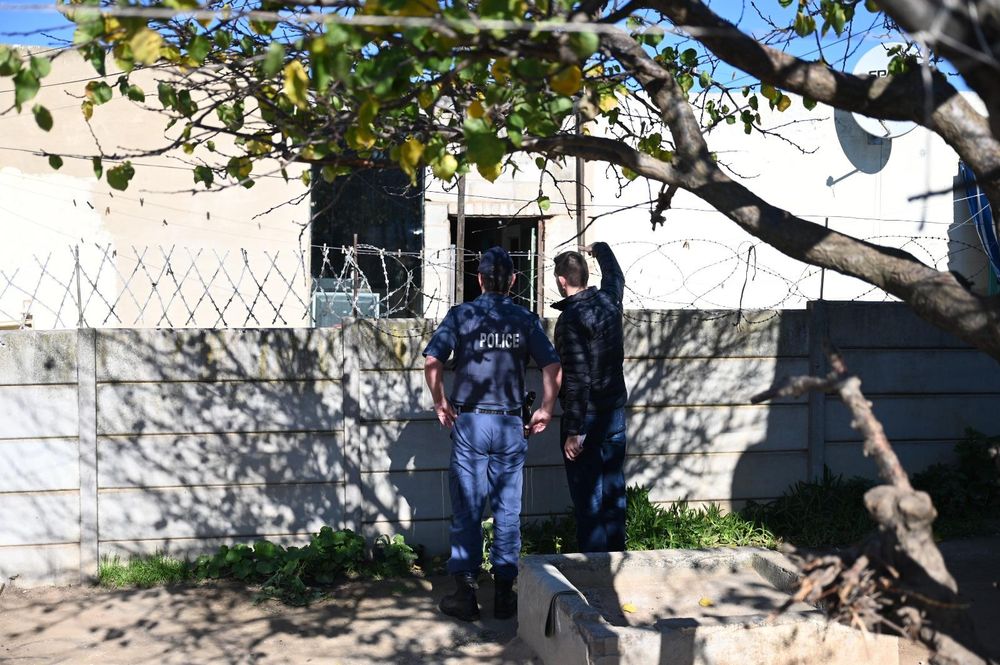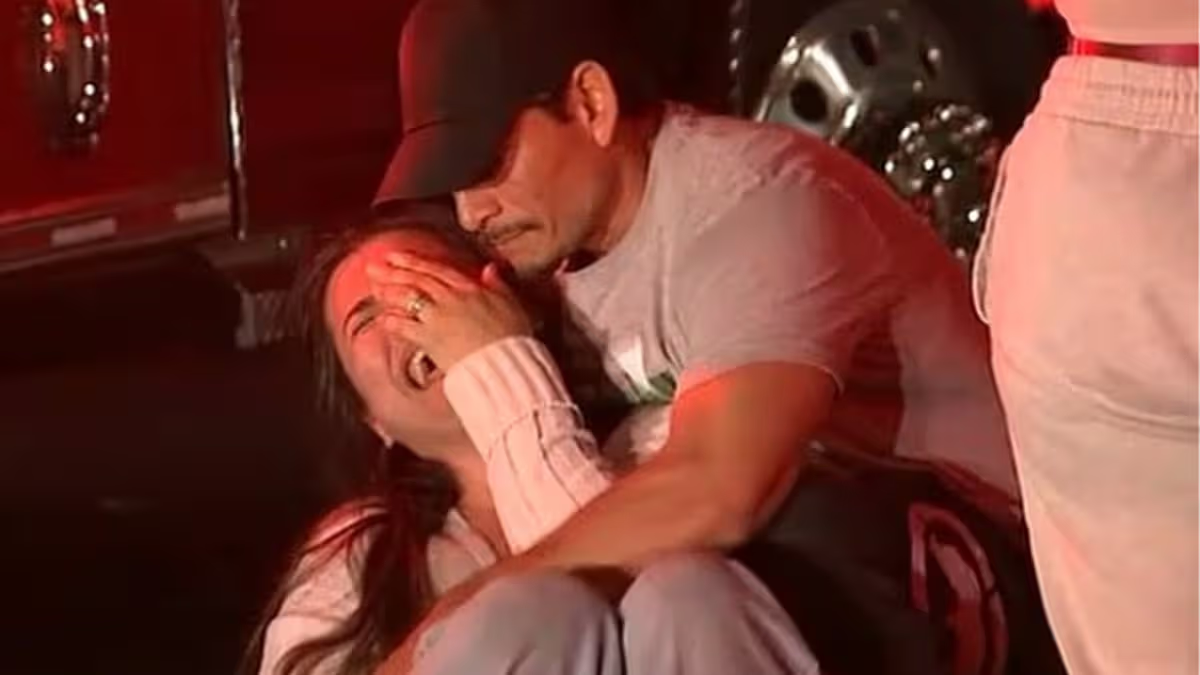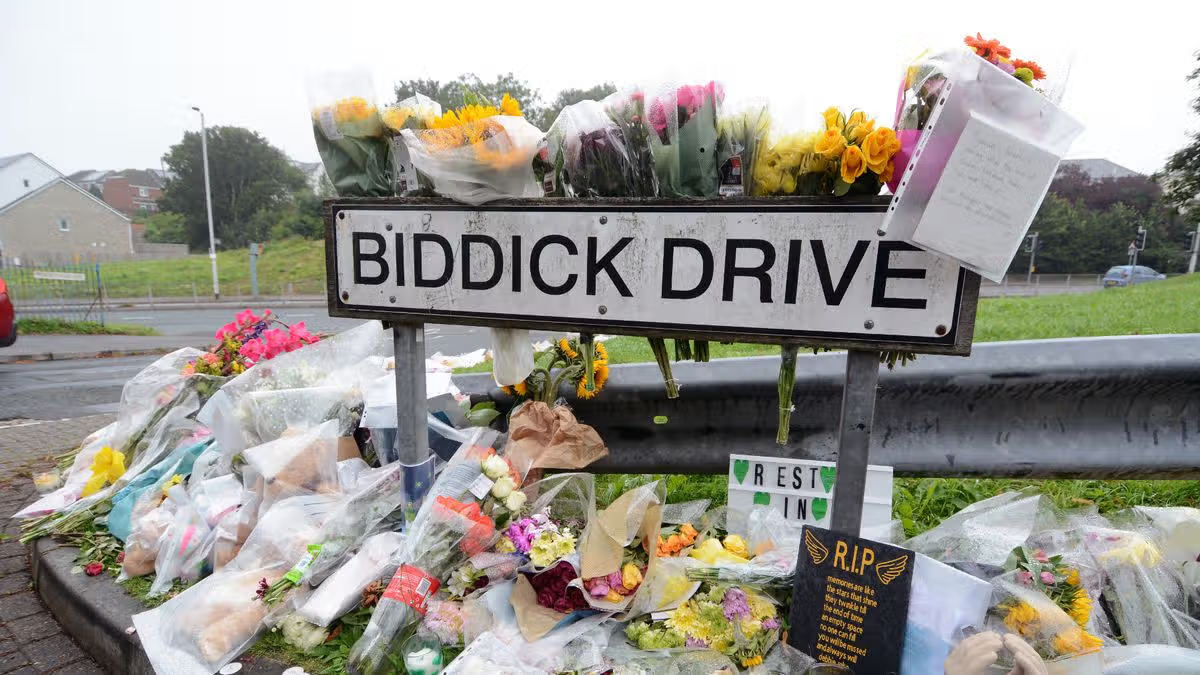
On August 12, 2021, Jake Davison shot and killed five people in Plymouth, including a three-year-old girl, before turning the gun on himself, in what was the UK's worst mass shooting in a decade07:10, 12 Aug 2026It was the UK's worst mass shooting in a decade - and reverberations went far beyond the quiet suburb left shattered by the atrocity.Just after 6pm exactly five years ago, 22-year-old Jake Davison shot and killed five people, including a three-year-old girl, before turning the gun on himself.Few can have been more closely exposed to the tragedy than the woman who was at home when Davison turned the gun on himself on her street in the Keyham neighbourhood of Plymouth.Michelle, 47, who asked not to give her surname, said: “Me and the kids saw his [Davison’s] feet hanging out the bottom of the blanket, and had police tape outside our gate. It just kept going through my mind and made me physically sick.“I didn’t see it happen but I couldn’t get that vision out of my head – I couldn’t leave the house for weeks. And there’s still a lot of trauma – when we hear helicopters, which happens quite often in Keyham, you think ‘oh my god what’s this? Is it going to be the same again?’”Davison, an apprentice crane operator, began his fatal spree by shooting his mum, Maxine Chapman, 51, in the home they shared on Biddick Drive.He then went into the street and killed locals three-year-old Sophie Martyn and her dad Lee Martyn, 43, Stephen Washington, 59, and Kate Shepherd, 66. He also shot two others who survived. After being confronted by an unarmed officer, he then turned the gun on himself.Another local, Christine Lamb, remembers the day vividly too. She said: “I was walking the dog with a friend when we heard gun shots. I went inside to tell my husband, and then all of a sudden the house started shaking and helicopters began landing on the field near the house."He came down the top of our street, but he could easily have come down the bottom because we’d seen him there before. It’s scary to think what could have happened.”Michelle, who runs a local food bank, said she and the community were trying to focus on the future. "We try not to talk about it, because it was one of the worst days in Keyham – now we’re just trying to get on with our lives. But it will never be out of our minds. We’ll never forget it, it’s horrible to relive.”At the heart of helping locals heal is Keyham Green Places, a charity community centre and gardens. In the aftermath of the attack, locals could access counselling and support services at the hub, or simply enjoy the peace of the gardens and allotment. And five years on, many residents, including some of the bereaved families, still attend youth groups and craft workshops at the centre.Paul Keller, the charity’s community development manager, said: “At the time [of the shooting], we were open, like we are now, to anybody. People could just walk in. This is a peaceful place where people can come and relax and feel a bit safer.”Another local, Jennifer Eldridge, chair of the charity’s trustees, said: “It was a neutral, welcoming space and they didn’t have to talk about it if they didn’t want to. A lot of people were trying to fix them, but many didn’t feel ready to be fixed yet. We just accepted them as they were.”Many are still reeling from the events of August 12, 2021, and today the centre continues to act as a supportive life line. Jennifer continued: “People know we care. Everyone who comes says what a lovely, welcoming space it is. We are very accepting of people, wherever they are. We try to support whatever needs they have.”Paul added: “The motto we try to live by now is keep on keeping on. It’s still there, you don’t forget. But you’ve got to remember how kind people are, too."There’s a lot of horrible things going on in the world, but there’s also a lot of good. Good can come from the bad, and that’s what we’re trying to do here. That’s how we want people to remember Keyham.”A coroner ruled Davison’s five victims were all unlawfully killed, with the inquest jury critical of the failings in Devon and Cornwall Police’s licensing unit, which handed Davison back his shotgun five weeks before the killings.The jury said: “There was a catastrophic failure in the management of the firearms and explosives licensing unit, with a lack of managerial supervision, inadequate and ineffective leadership."This was compounded by a lack of senior management and executive leadership who failed to notice or address the issues. There was a lack of scrutiny and professional curiosity at all levels.”The inquest heard how a year before the shooting, Davison was arrested for assaulting two teens after they called him “fat”. But he was not taken to court and he was instead referred to Pathfinder, a restorative justice programme. His gun, initially taken from him, was returned in July 2021.The jury found a “serious failure” at a national level by the government, Home Office, and National College of Policing to implement recommendations made in the wake of the Dunblane massacre in 1996.This included a failure “to provide training for firearms inquiry officers and the subsequent recommendation in Her Majesty’s Inspectorate of the Constabulary’s Targeting the Risk Report in 2015 for an accredited training regime for firearms enquiry officers.”The Independent Office for Police Conduct watchdog found two employees of Devon and Cornwall Police had a case to answer for misconduct over the way they dealt with Davison’s gun licence.Article continues belowIn a statement, the families of Davison’s victims said his actions that day were “an act of pure evil”, which were “facilitated and enabled by a series of failings and incompetence from the people and organisations that are supposed to keep us safe.”They said: “It is beyond us how Davison, a man with a known history of violence, mental health issues, and with no real need to own a firearm, was granted a licence to possess a gun in the first place. Warning signs were ignored and a licence to kill was granted.”
Plymouth 'will never be the same city again' after shooting that killed five
On August 12, 2021, Jake Davison shot and killed five people in Plymouth, including a three-year-old girl, before turning the gun on himself, in what was the UK's worst mass shooting in a decade
1,044 words~5 min read