China is becoming the indispensable lifeline for Russia’s sanctioned liquefied natural gas (LNG) exports. Between August 2025 and June 2026, the southern Chinese port of Beihai received more than 40 cargoes from Russian LNG projects under U.S. sanctions. Offered to Chinese buyers at discounts reportedly reaching 30 percent to 40 percent below prevailing Asian spot prices, these cargoes represent more than isolated acts of sanctions evasion. Together, they point to the emergence of a sanctions-resistant LNG trading system.
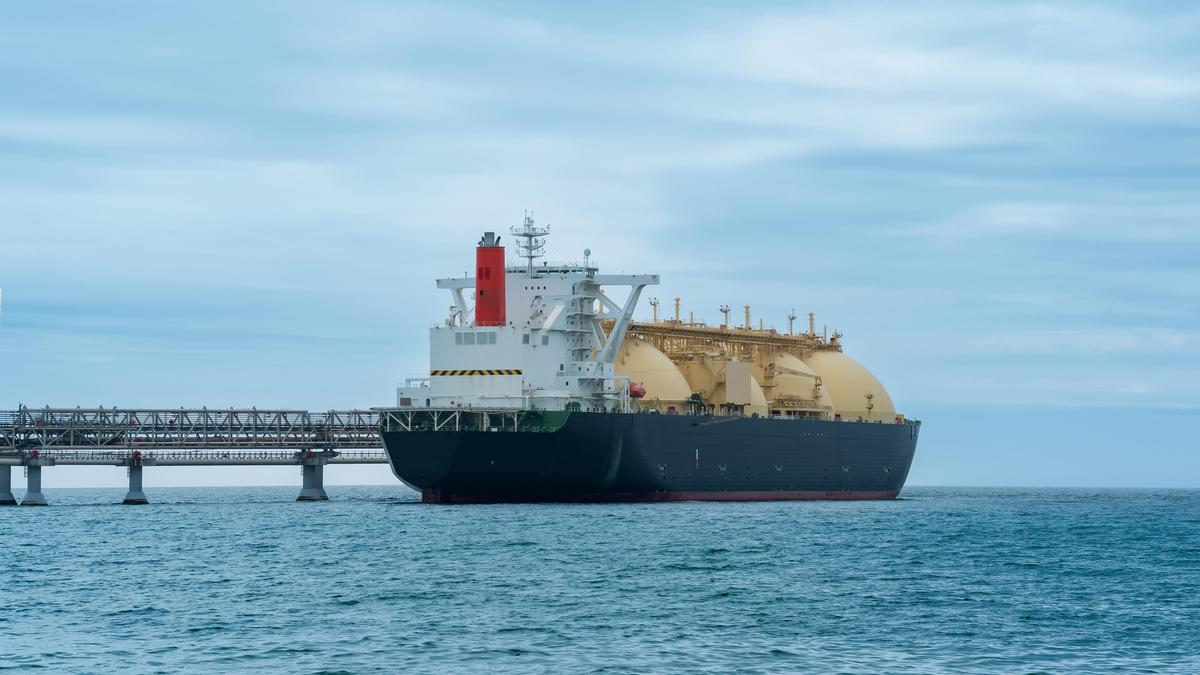
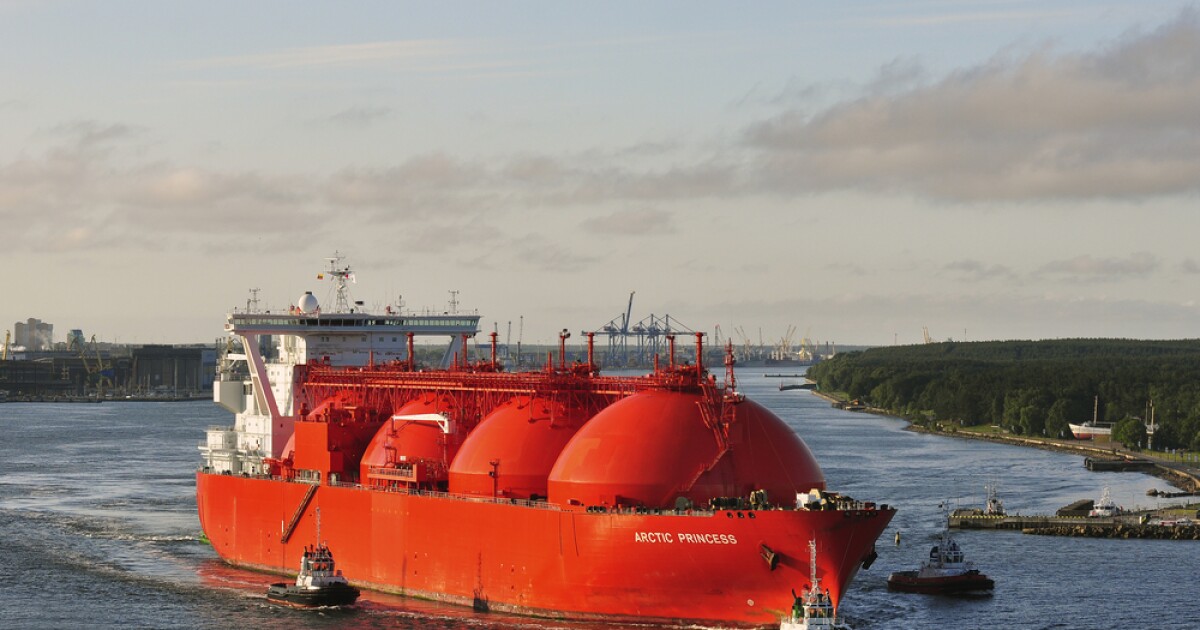
That system would not exist without solving two problems: moving sanctioned LNG out of Russia and finding a reliable destination for it. Russia addressed the first by developing a maritime logistics chain. Floating storage units, dark ship-to-ship transfers, and a growing shadow fleet now allow LNG from sanctioned projects to reach Asian waters. But maritime logistics alone are not enough.
China is becoming the indispensable lifeline for Russia’s sanctioned liquefied natural gas (LNG) exports. Between August 2025 and June 2026, the southern Chinese port of Beihai received more than 40 cargoes from Russian LNG projects under U.S. sanctions. Offered to Chinese buyers at discounts reportedly reaching 30 percent to 40 percent below prevailing Asian spot prices, these cargoes represent more than isolated acts of sanctions evasion. Together, they point to the emergence of a sanctions-resistant LNG trading system.