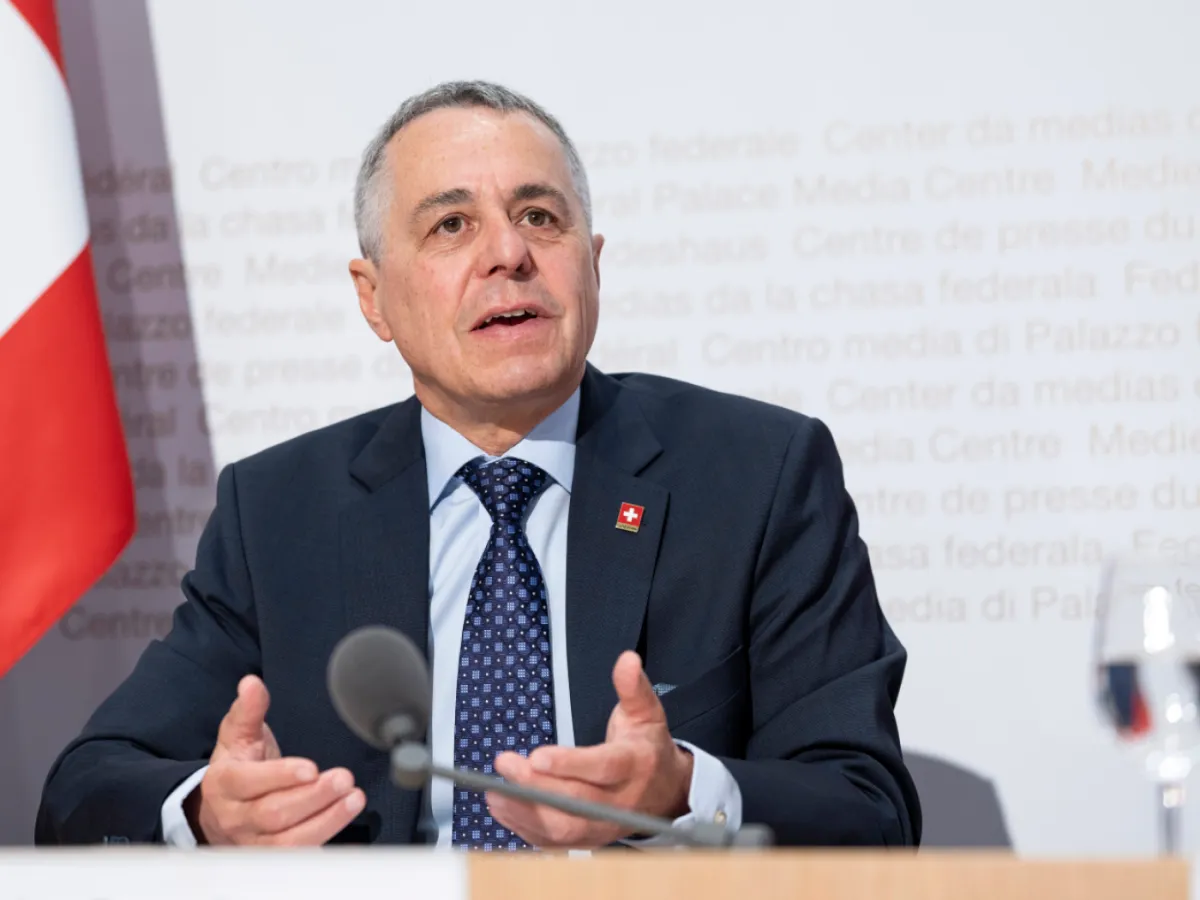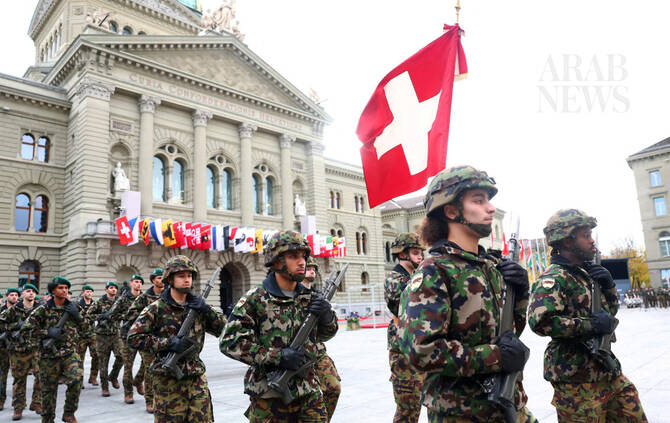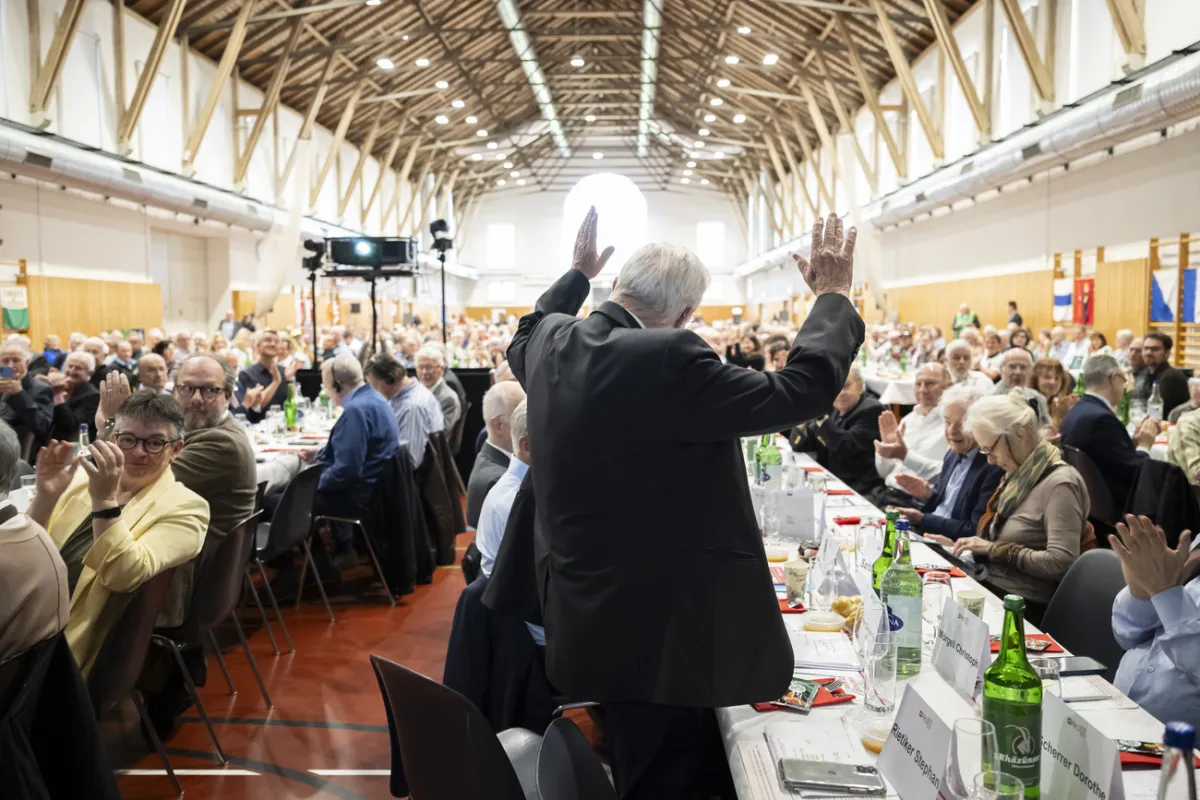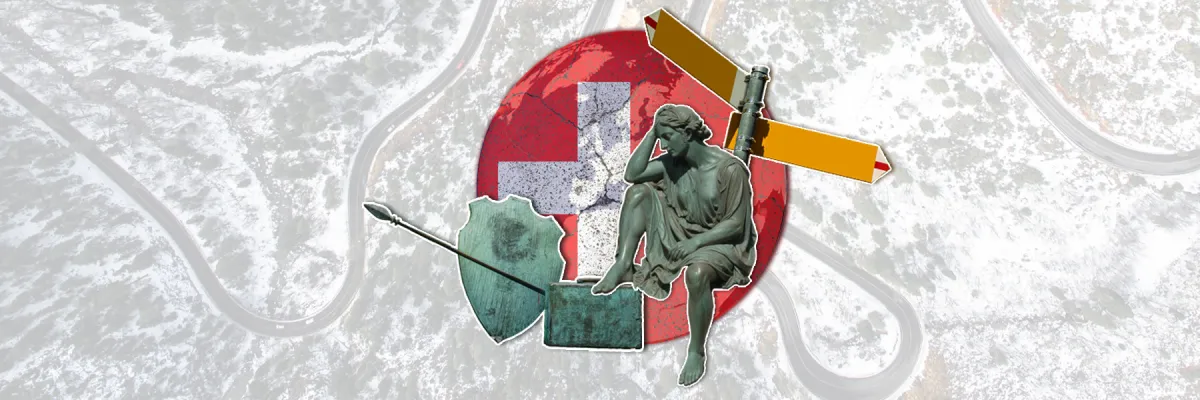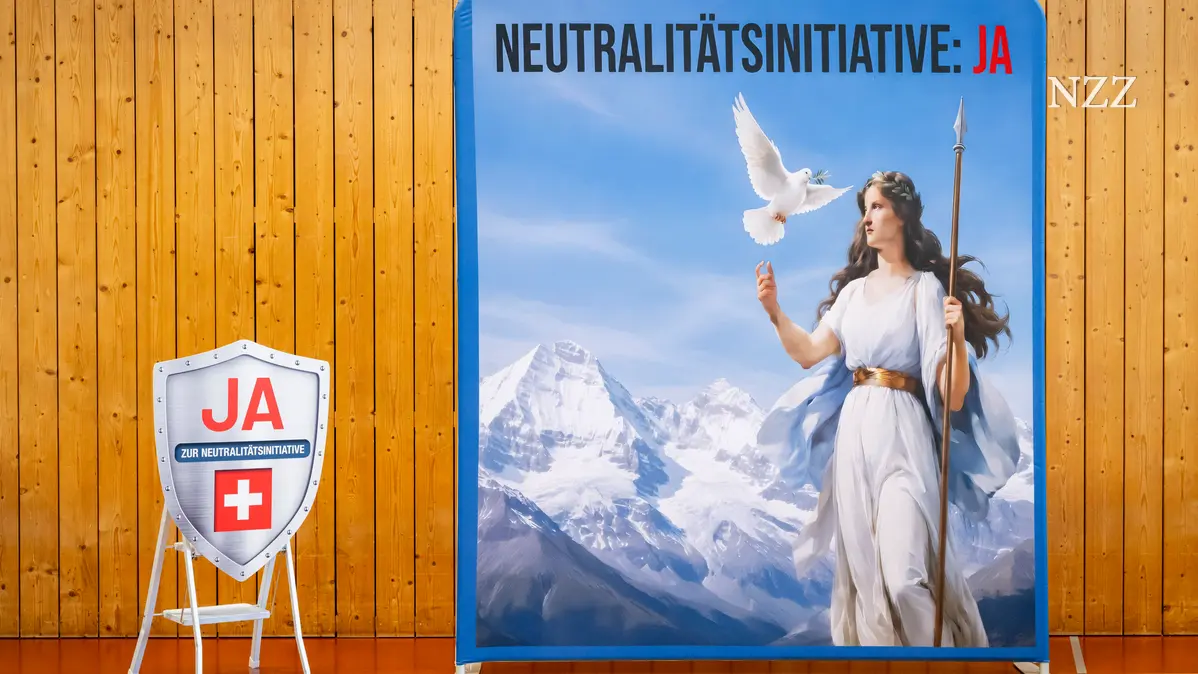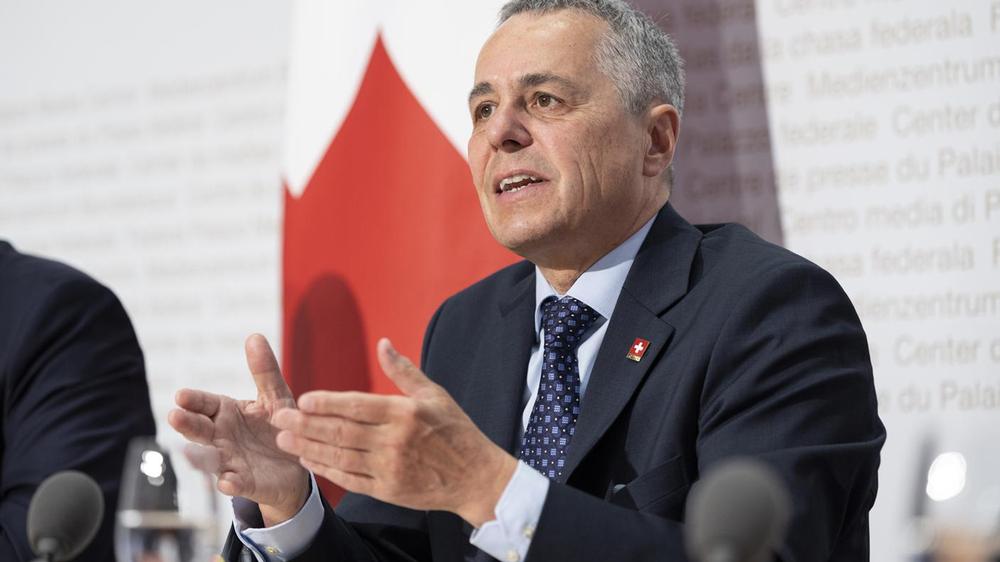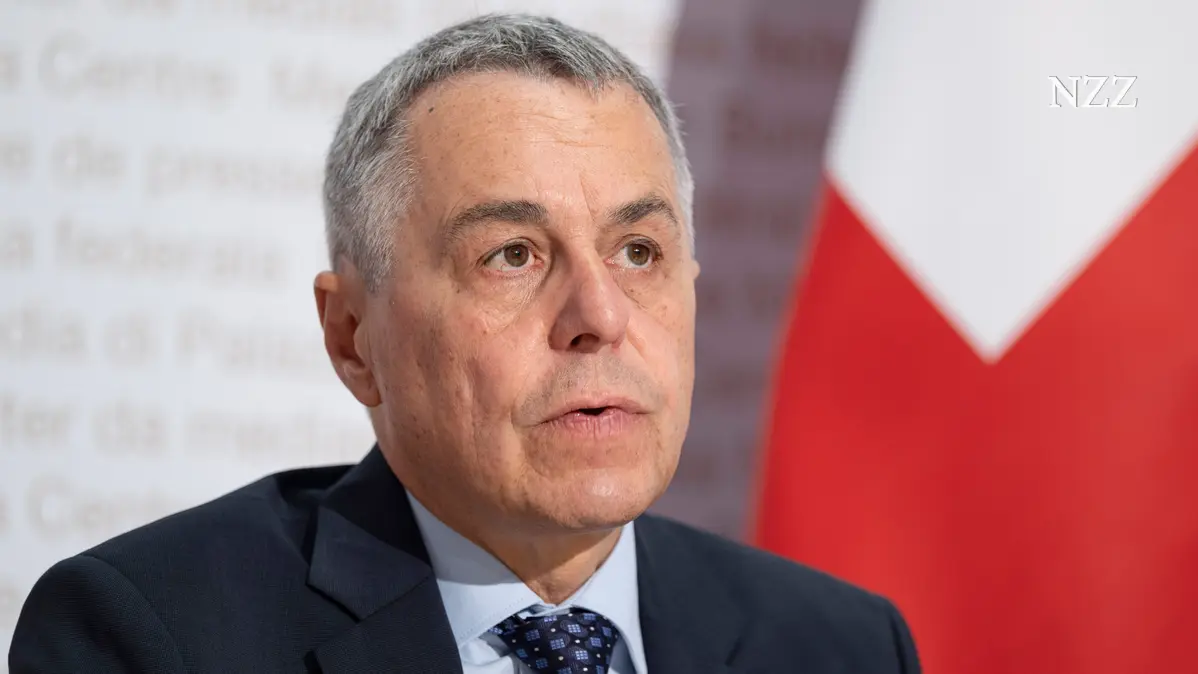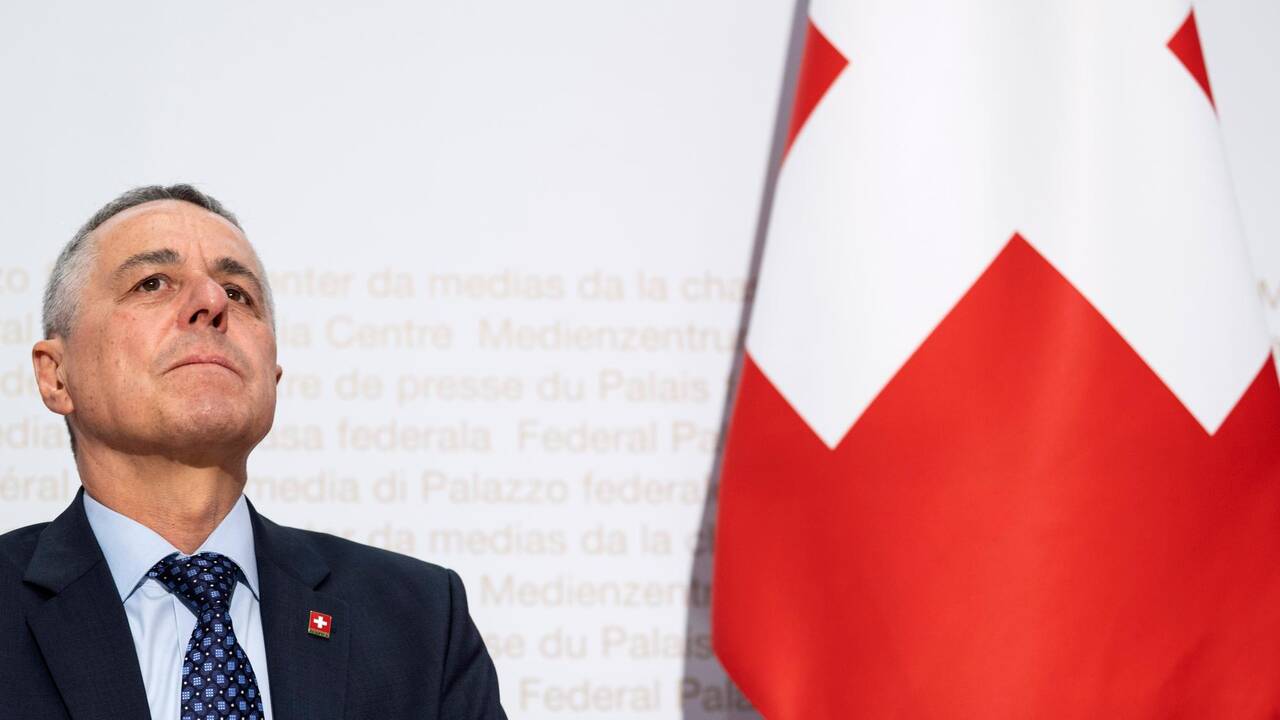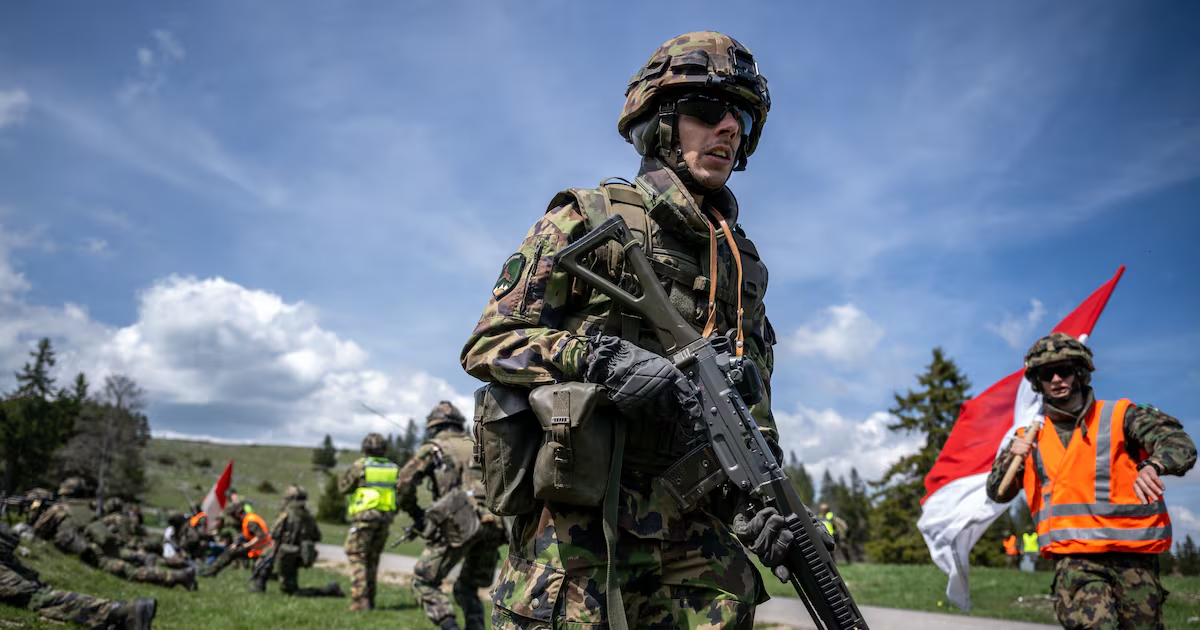
Swiss politicians are arguing about how to define the country’s policy of neutrality in advance of a referendum next month. But nobody is talking about getting rid of it.Staying in neutralWhen Switzerland’s foreign minister, Ignazio Cassis, launched his government’s campaign against a proposal to define neutrality in the constitution, he said it was because neutrality in its current form had served the country well for 180 years. Describing neutrality as a tool in the service of Switzerland, he said it protected the country’s freedom, security and independence.“It has proved its worth, not because it was rigid, but because it was applied wisely and responsibly,” he said.Voters will have their say in a referendum on September 27th on an initiative to insert a strict definition into the constitution. Proposed by the national conservative Swiss People’s Party (SVP) but also backed by some on the left, it would declare that Switzerland’s neutrality is permanent and armed.The proposed new article would rule out membership of any military or defence alliance and co-operation with such alliances except in the event of a direct military attack on Switzerland. Bern could not impose economic or diplomatic sanctions on participants in a war between third parties unless the measures were mandated by the United Nations or to prevent sanctions imposed by others from being circumvented.The initiative follows a debate about whether Switzerland has drifted away from its traditional neutrality by adopting European Union sanctions against Russia after the full-scale invasion of Ukraine in 2022. The government argues that the country’s neutrality is already enshrined in the constitution, it has been internationally recognised since the Treaty of Paris in 1815 and codified in international law in the Hague Conventions.Cassis said on Tuesday that Switzerland would stay out of military alliances and other people’s wars but the initiative would restrict the security policy co-operation needed to protect the country’s interests in a crisis. And he argued that adopting sanctions on a case-by-case basis was compatible with staying neutral.“Neutrality does not require an automatic response; it requires us to take responsibility and weigh up our interests,” he said.Polls put support for neutrality in Switzerland at 85 per cent and the referendum debate has offered both sides an opportunity to talk about the benefits of being neutral. The neutrality initiative explicitly mentions Switzerland’s role as a mediator and the government’s referendum information leaflet speaks about the use of the country’s “good offices” to promote peace.Switzerland has a policy of armed neutrality that requires it to maintain forces capable of defending its national territory but being neutral takes different forms elsewhere in Europe, as Naomi O’Leary outlined in a report for The Irish Times earlier this year. Neutrality outside Europe in countries such as Uzbekistan, Mongolia and Costa Rica is diverse too, with Costa Rica, which abolished its army in 1949, embracing demilitarised neutrality.Neutral states do not take part in acts of war by third parties, but they retain the right to defend themselves if attacked and many describe their policy as one of active neutrality. This means using diplomacy and institutions to contribute to collective security by promoting peace, contributing forces to peacekeeping missions or using their good offices to facilitate negotiations.Critics accuse the EU’s neutral states of acting as free-riders by benefiting from the public good of Nato’s military umbrella without contributing to the cost of it. But military deterrence is not the only public good worth taking into account and international development aid also contributes to collective security.Many EU member states have shifted resources from overseas aid into military spending, so that their aid budgets fell by about 10 per cent between 2024 and 2025 while defence spending, already about five times greater, grew by about 11 per cent.Please let me know what you think and send your comments, thoughts or suggestions for topics you would like to see covered to denis.globalbriefing@irishtimes.com
Switzerland debates the meaning of neutrality
Swiss voters will have their say in a referendum on September 27th
643 words~3 min read