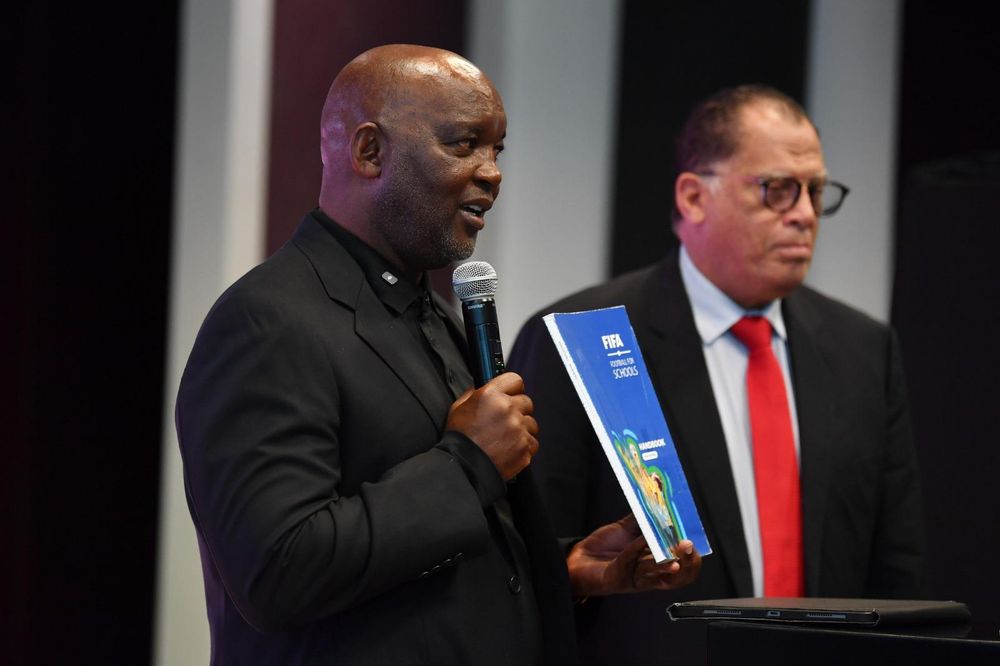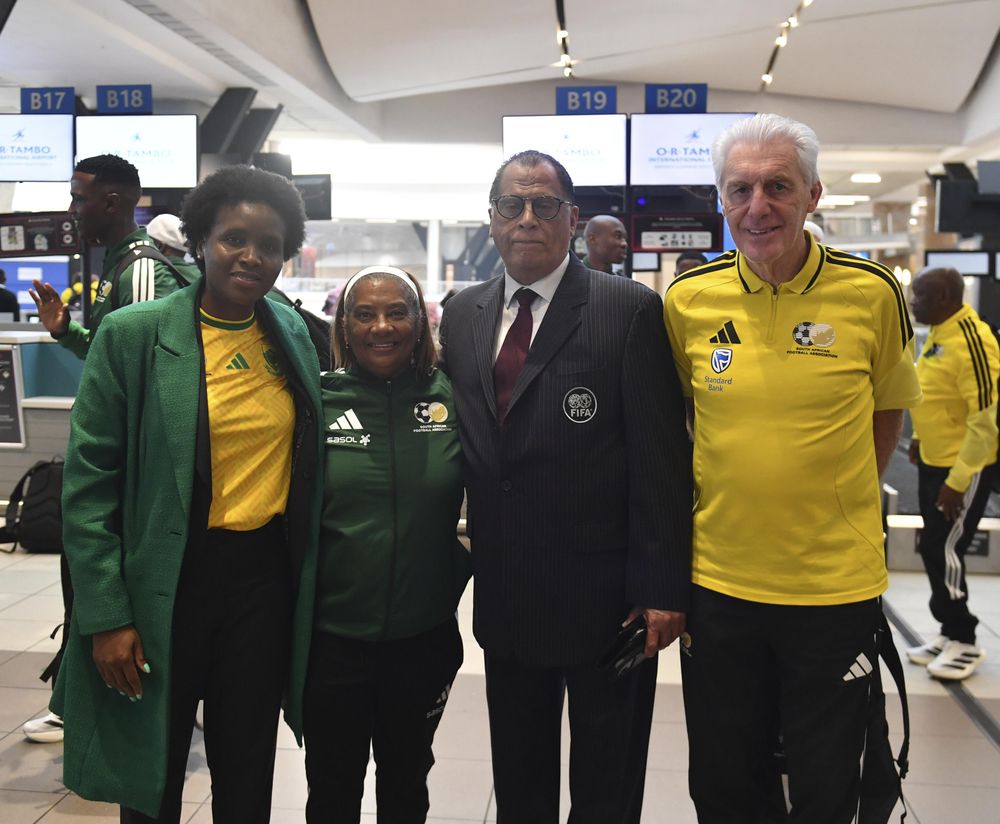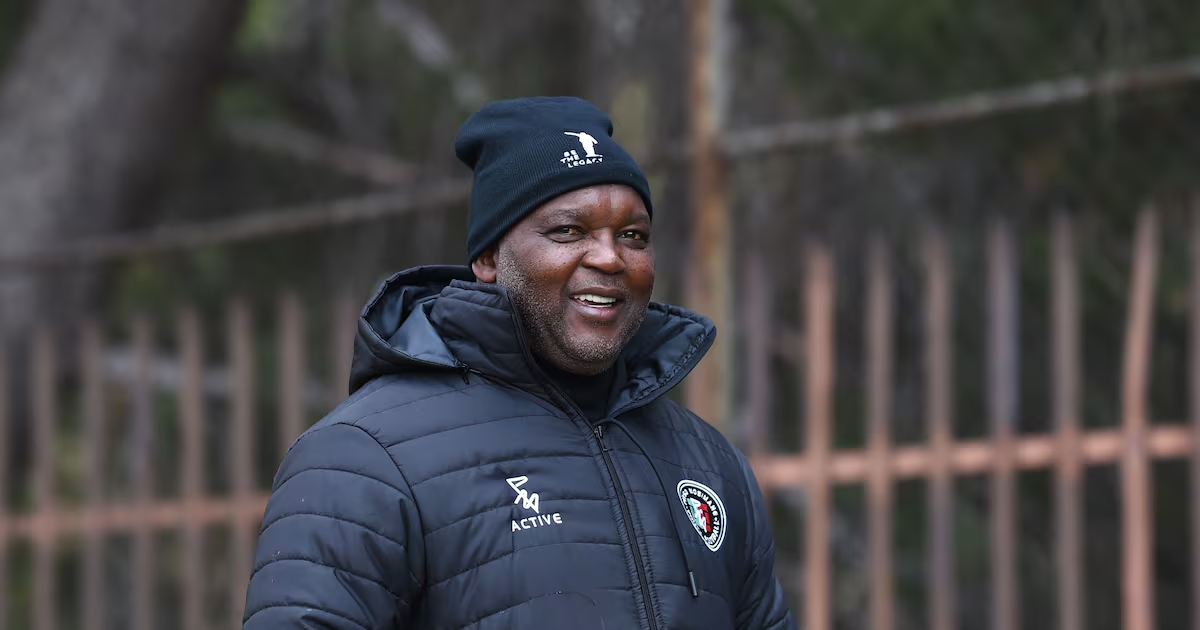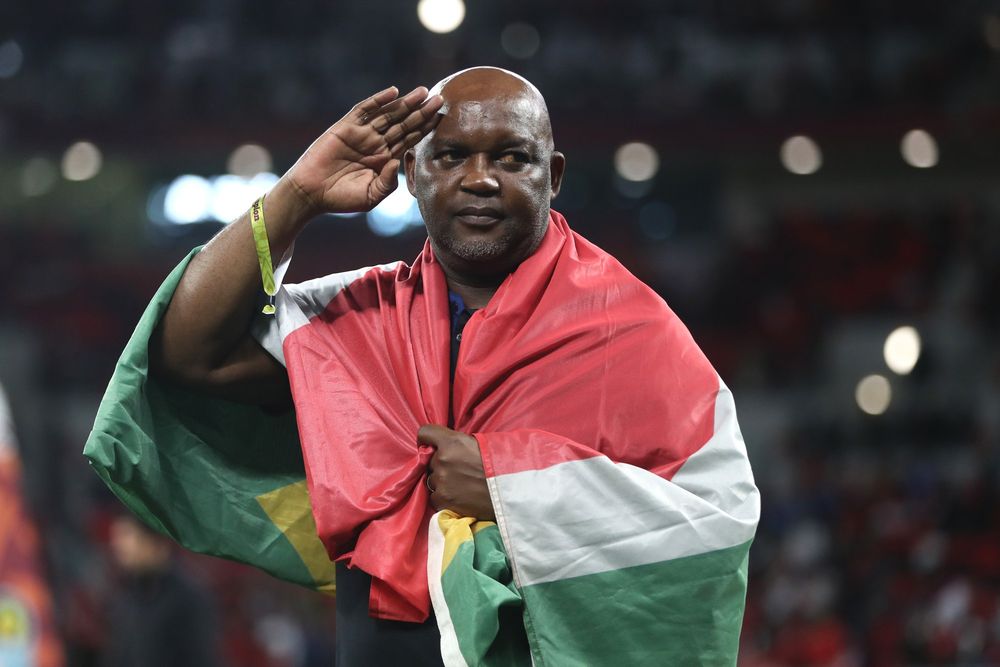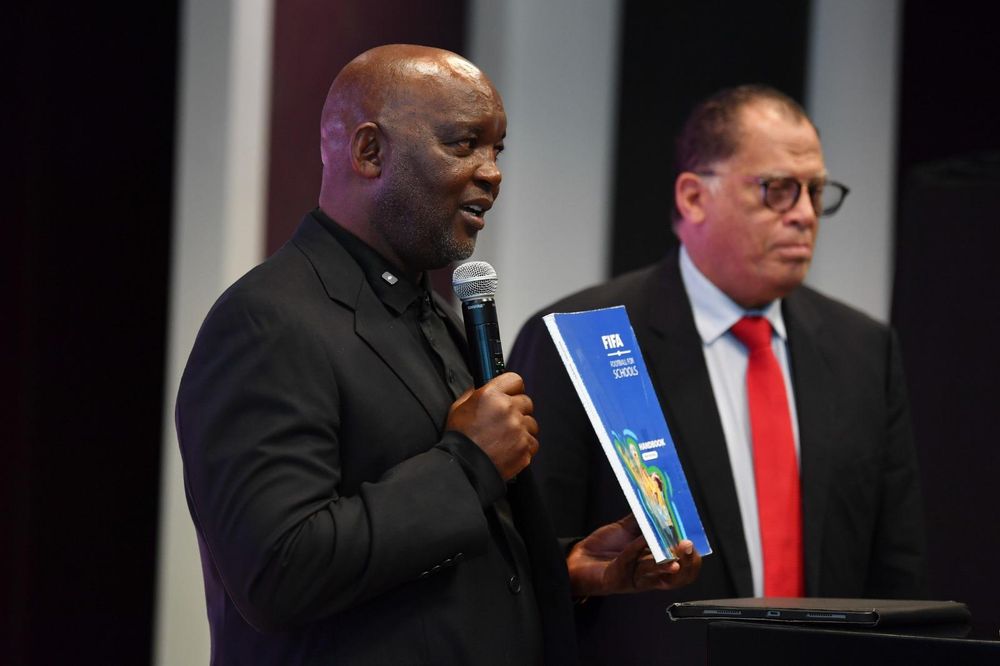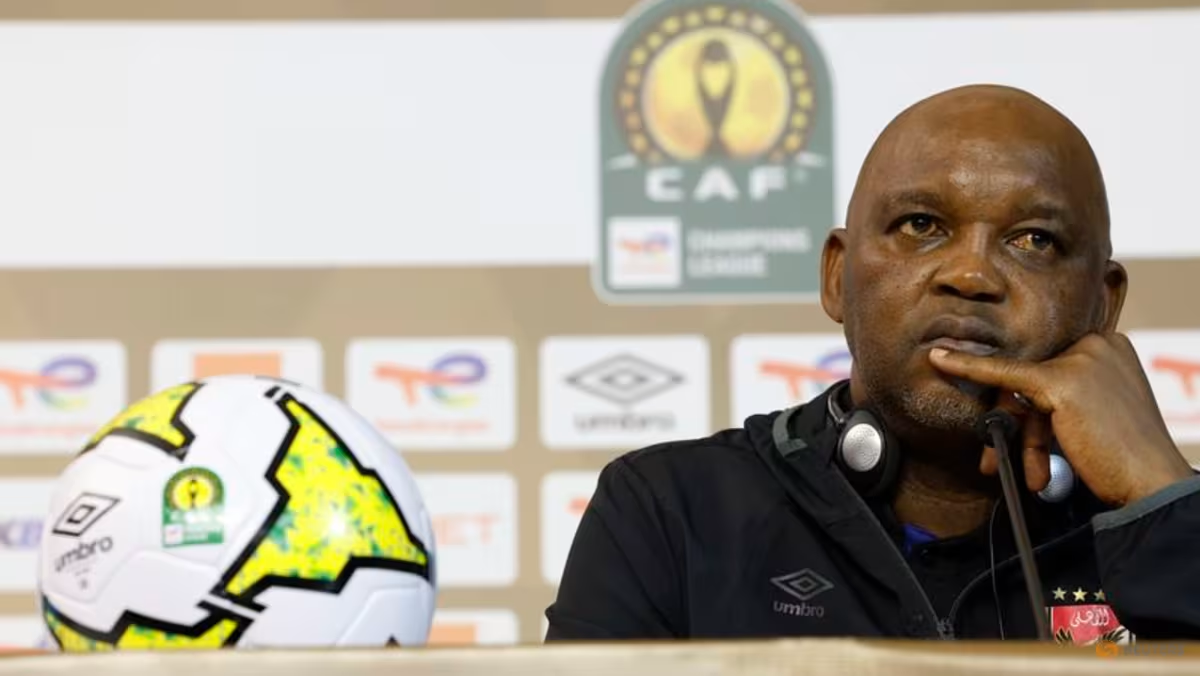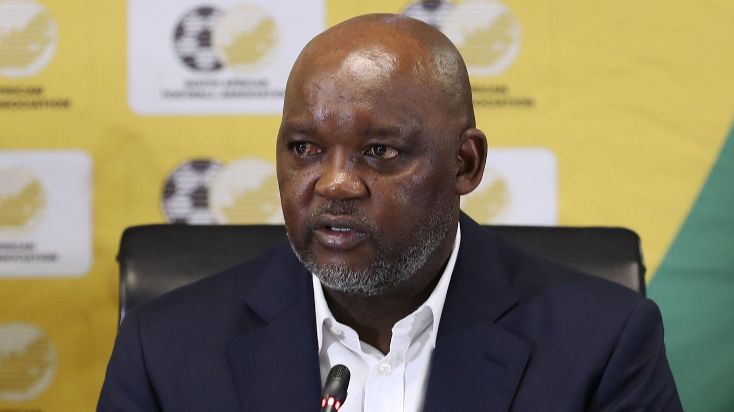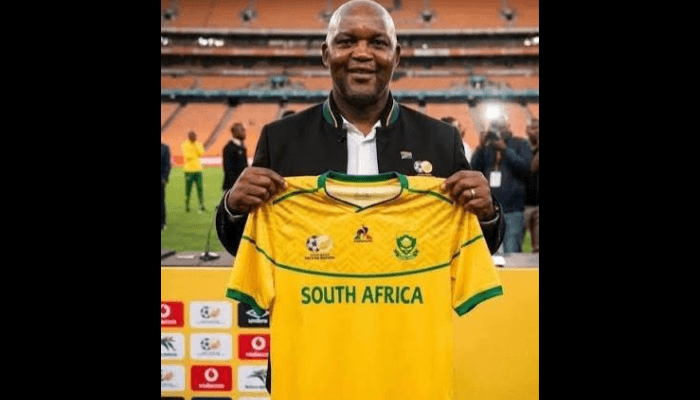
The appointment of a local manager to coach Bafana Bafana was always going to revive the debate about the difference in pay scales between local and foreign coaches.It has emerged that the South African Football Association (Safa) has picked Pitso Mosimane to replace Hugo Broos, the Belgian mentor who led Bafana Bafana to a credible finish at the recent World Cup finals in the US, as head coach of the men’s team.Almost immediately, the debate pivoted towards Mosimane’s pay, with reports suggesting that he would be paid far less than Broos, who is said to have been paid more than R1m a month and given other benefits such as rent money and return tickets to Europe.This debate occurs every time a local coach is appointed to manage the national soccer team. It’s an important debate to have. However, it has to be properly framed and nuanced to produce meaningful outcomes.Rather than sentiment and a touch of xenophobia, it should be driven by principle beyond nationality. It should also be broadened to include other sporting codes as well as the long-standing bugbear of the gap between women’s and men’s sports, managers and players.After all, fans and sponsors care less about the nationality of the head coach. As we’ve seen with rugby, South Africans of all races care less about the race of the Springboks’ head coach. They care more about the results.Also, fans are not bothered by who coaches the three top Premier Soccer League (PSL) clubs in South Africa. As it happens, all three — Orlando Pirates, Kaizer Chiefs and Mamelodi Sundowns — are managed by foreign coaches.The Rassie Erasmus-Siya Kolisi combination has become a case study of how to carry out transformation not only in sport but also in the wider society.There is no doubt that there is very little that separates Mosimane and Broos. Both are accomplished football managers.Yes, it’s true that Broos’s success is still fresh in the minds of soccer lovers. He took Bafana Bafana furthest in its short history of the Fifa World Cup.His success, however, has to be seen in its proper context. Without talent from the top three PSL teams, his chances of success would have been diminished.This also explains why Safa, a controversial association headed by a fraud-accused president, has been able to recruit lucrative corporate sponsorships for Bafana Bafana.Similarly, in and outside South Africa, Mosimane achieved much success thanks to the material he worked with.As a local coach, Mosimane will not be entitled to other benefits. But the negotiations ought to be left to the parties concerned, and, hopefully, they will soon find each other.In addition, it has to be noted that globally the power of a football manager is shrinking. Instead, scouts are becoming more influential.The picture is slightly more complicated with women in sports and it will require much more collaborative effort to achieve pay parity for women with men.It remains a sound principle to affirm that governments should stay far away from national teams.Commercial sponsors, however, need to be lured into taking bets both on national women’s teams and local leagues. New industries, such as the betting industry, need to be persuaded to support women sporting codes and the fight for equal pay for equal work.Finally, the lesson from the US women’s soccer team and global tennis is that advocacy for gender pay parity should be a year-long, not seasonal, campaign.
EDITORIAL: A more rational discourse about pay in sports needed
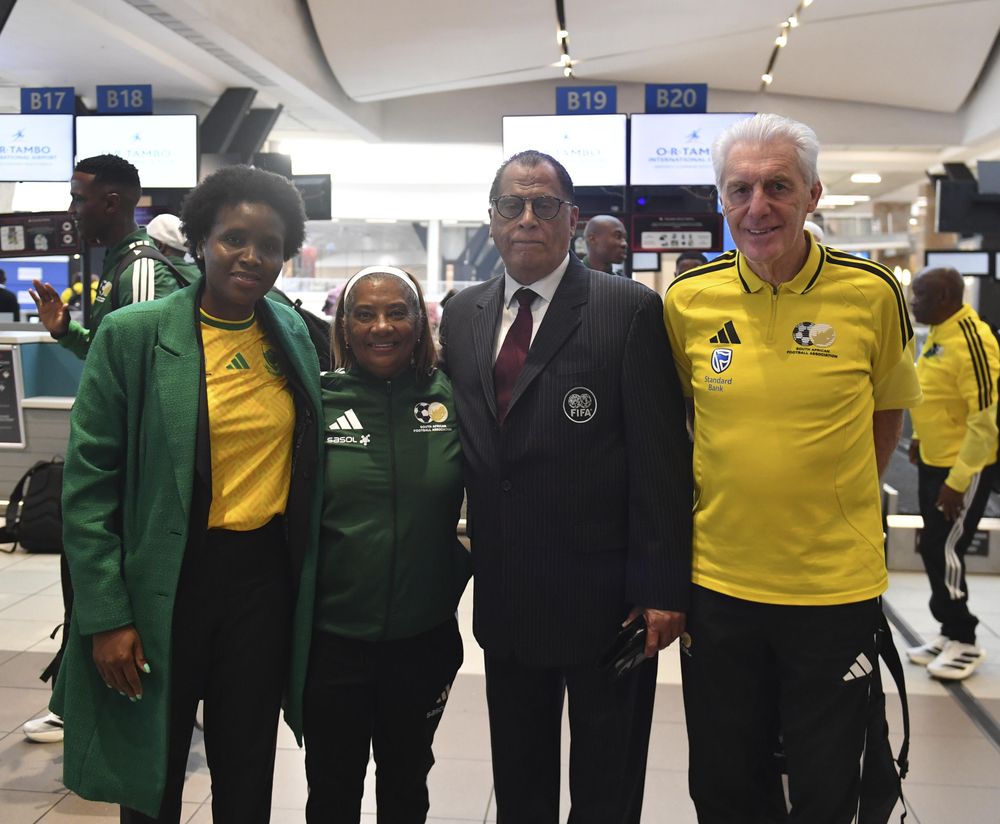
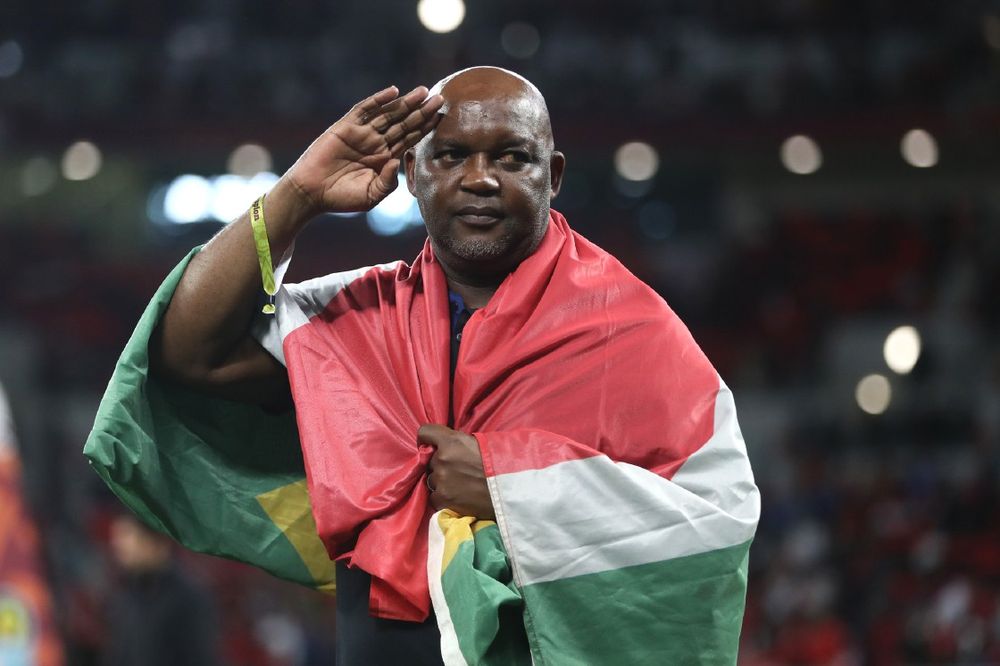
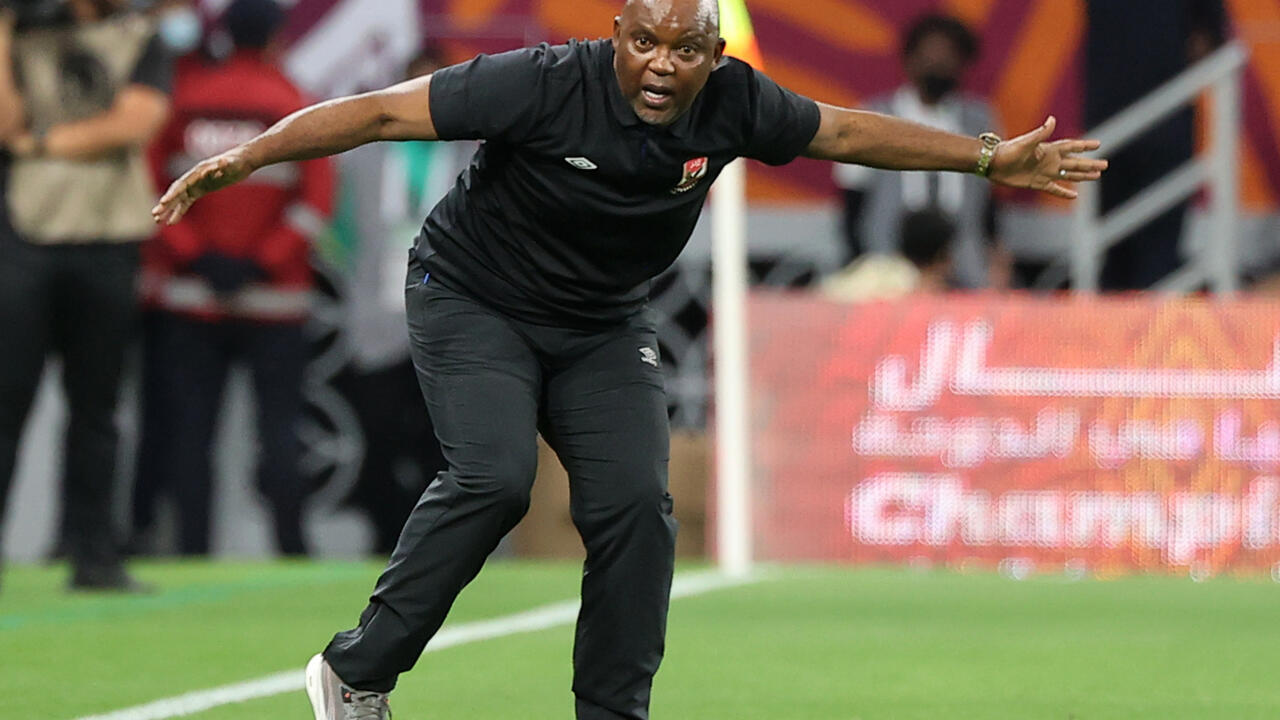
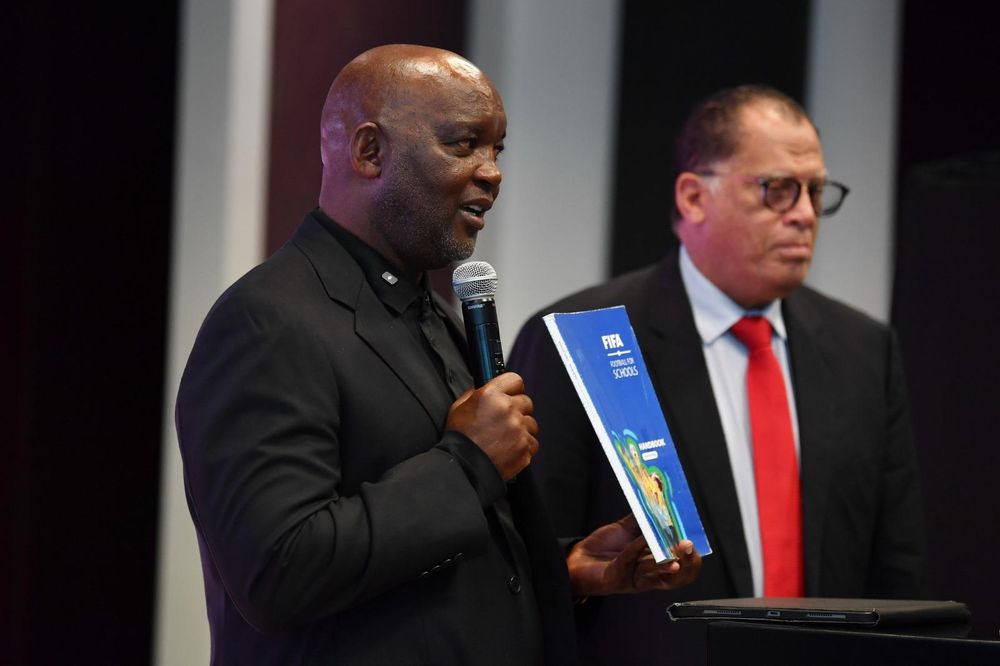
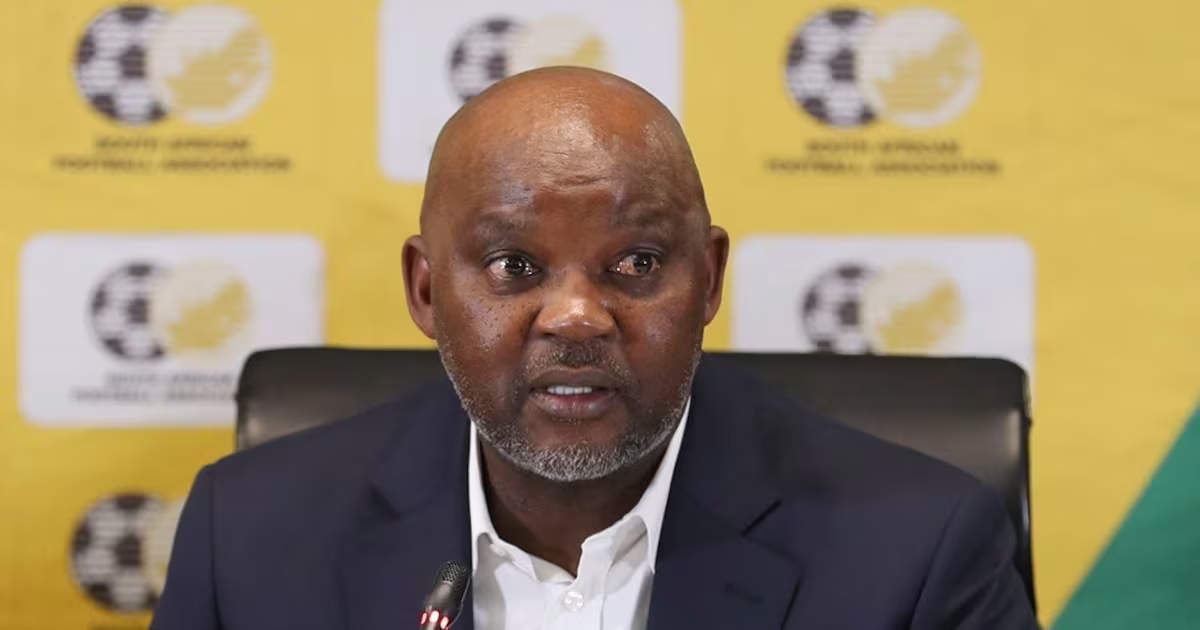
Pitso Mosimane is expected to be paid less than Hugo Broos as Bafana Bafana coach
563 words~3 min read