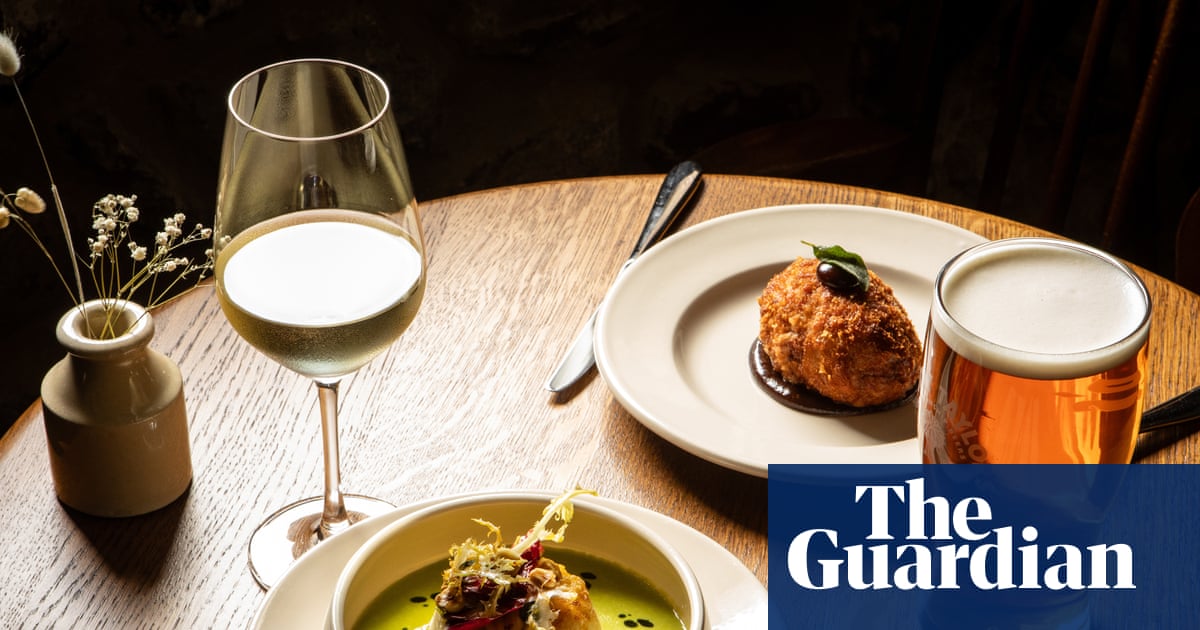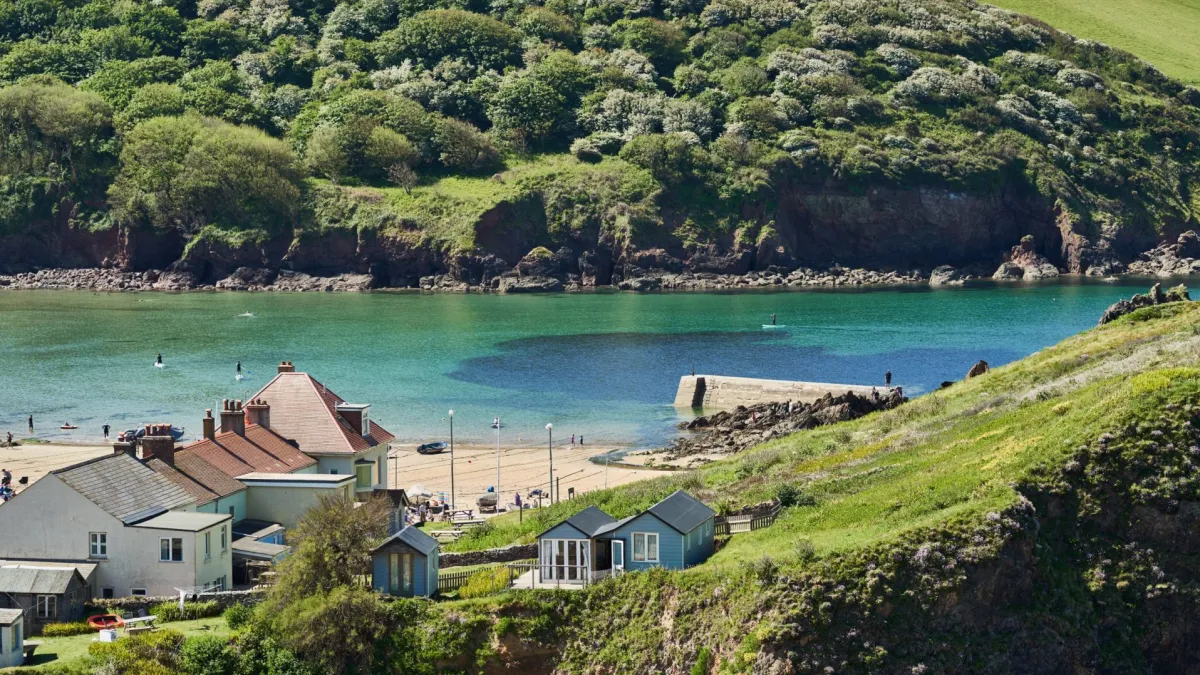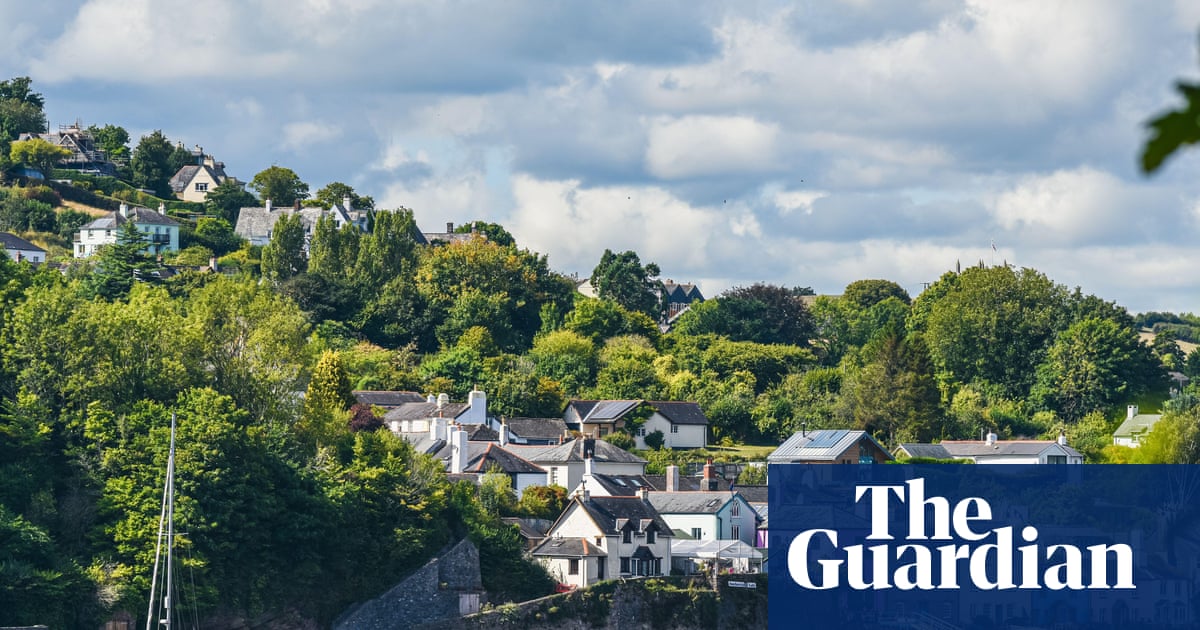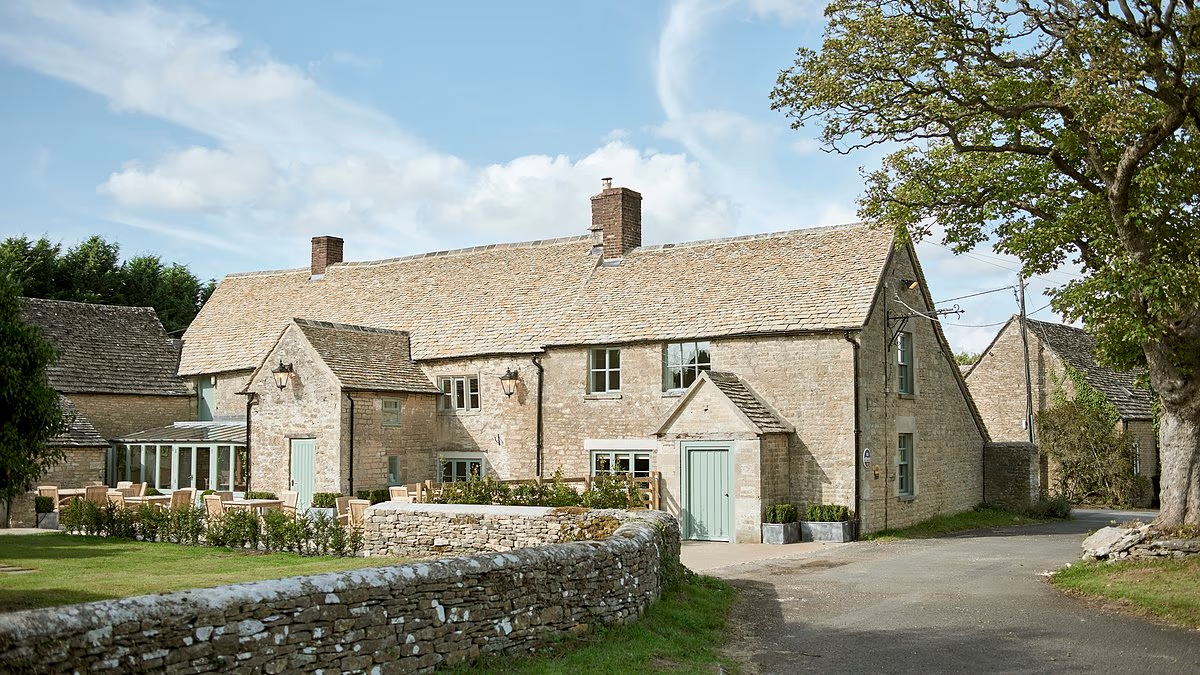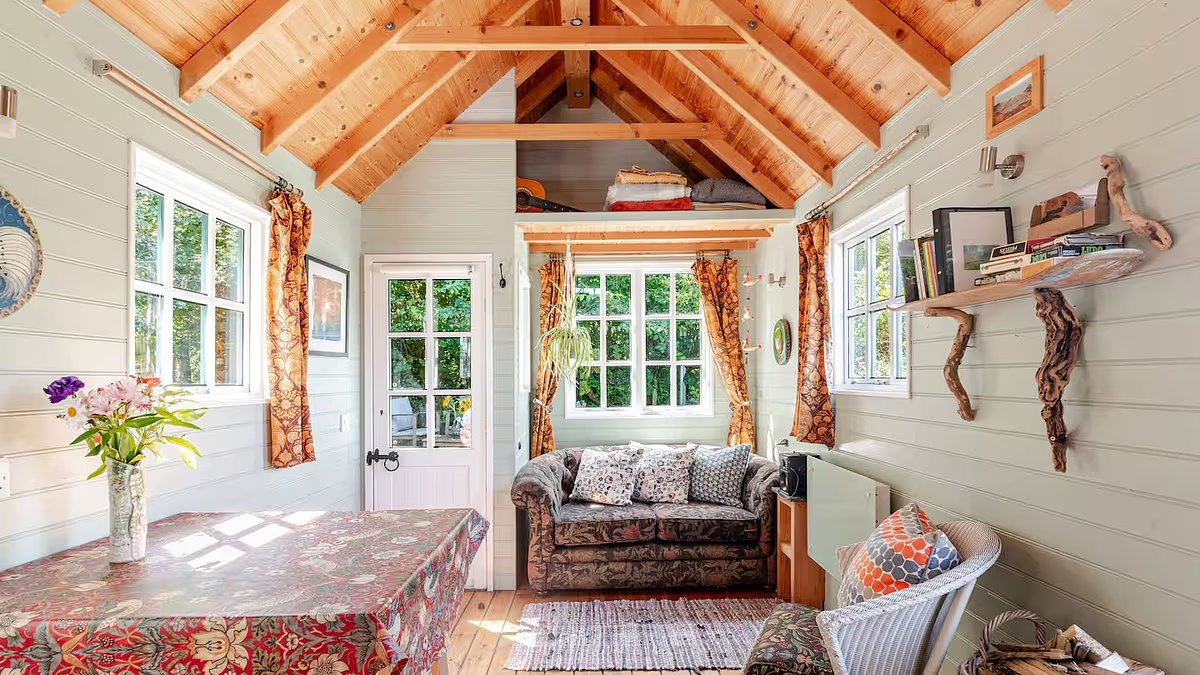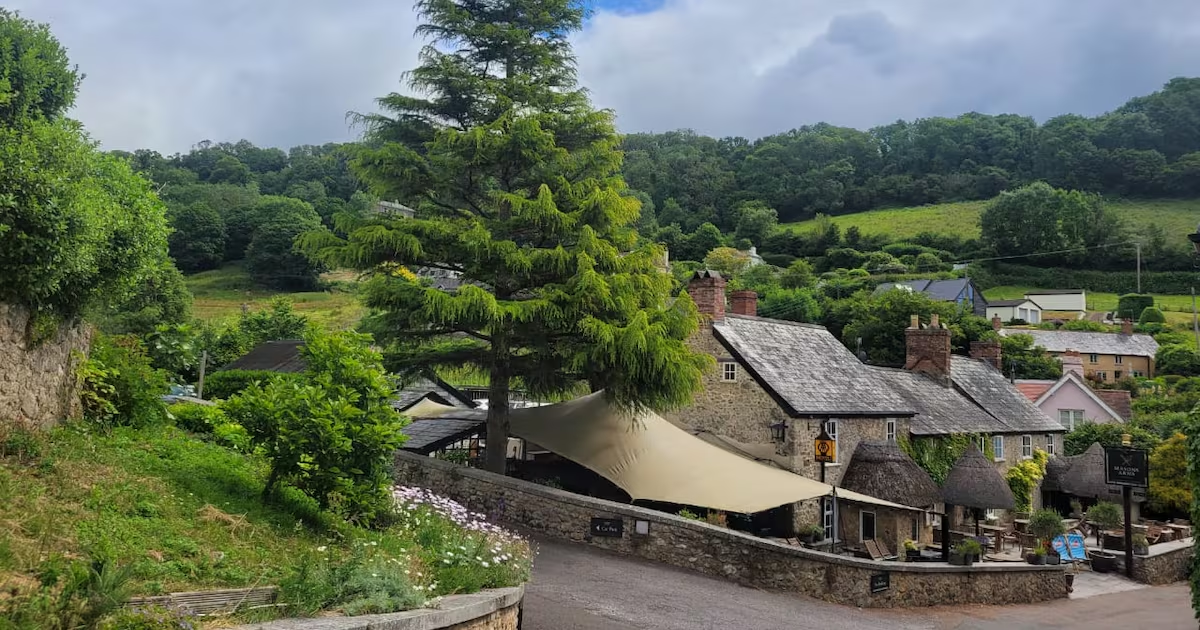
Crime writer Agatha Christie could have been referring to the proverbial death of the Great British pub in And Then There Were None, which takes place on an island off the coast of Devon, had she been alive today, when almost two pubs around the “Kingdom” close down every day. The crime being that pubs officially exist nowhere else in the world, other than in England and Ireland, and date back to inns that dotted pilgrimage routes throughout the Middle Ages. They are an intrinsic part of English history and in grave danger of disappearing, faster than Christie’s 10 strangers on Soldier Island.Fortunately for any modern-day wayfarer venturing into the depths of coastal Devon, Masons Arms — a 14th century cider house in Branscombe, once surrounded by lush apple orchards — has been restored to former historic glory by the St Austell Brewery family. Its founder, Walter Hicks, a wine merchant, maltster and entrepreneur, has bought a network of 180 flagging pubs in the West Country, saving a host of Cornish and Devonshire landmarks and breathing new life into craft beer and cream teas.The view from the Myrtle Cottage Wing at Masons Arms, with a cedarwood pod on the terrace. Picture: (Deborah Curtis-Setchell) Masons Arms, in the longest village in England in arguably the steepest valley — within a stone’s throw of the prettiest beach in East Devon — stands proudly as the St Austell flagship, a magnet for discerning ramblers, locals and anyone with epicurean tastes and an aesthetic eye. Having navigated the narrow roads en route and wandered up hill and down dale many times, I emerged from the maze of patchwork farmland to arrive on the threshold of the thatched-roofed, medieval landmark. There is nothing more rewarding after a lengthy journey than to be escorted to an alluring room in the newly renovated cottage wing to enjoy a clotted cream tea while surveying the land.Branscombe’s crescent-shaped pebble and shingle beach hugs the perimeter of Lyme Bay, between Seaton and Sidmouth, on the Unesco World Heritage, Jurassic coastline. The beach is flanked by two steep hills, with well-worn trails linking intrepid hikers to the famous West Coast Path at their summit, along which you can meander for hours, if not days. Given the longer daylight hours in midsummer, I had ample time to follow the babbling brook lacing the centre of the village, which boasts an old bakery and the only working medieval forge in England. Then past dozens of hanging baskets, cascading with colourful blooms, and manicured gardens to discover a mesmerising beach.The picturesque Branscombe Beach on the Jurassic Coast in Devon. Picture: (Deborah Curtis-Setchell) Branscombe does not have a station, unlike neighbouring towns, so you won’t feel as if you are drowning in a whirlpool of tourists and day trippers. The strawberry jam scones I had consumed propelled me up to the top of Sellers Wood Hill, where spectacular views awaited, stretching in all directions, interspersed with the sound of gulls. On the way back to the inn, I bumped into a couple from Brighton — and Drover their dachshund — also staying at Masons Arms.By the time we reached Masons’ legendary herb gardens, we had become firm friends, and I joined them for dinner that night in the most sought-after gastro pub in South England.Given our proximity to the sea, together with the surrounding bovine herds and flocks of fat sheep, mussels, scallops and plaice in sage and caper brown butter, not to mention juicy steaks, take precedence over torched goat’s cheese salad. The Masons Arms’ wine list is long and leaning towards local. There is little room left for the marshmallows on sticks, thoughtfully placed on your pillow, near the Nespresso machines, with an encouraging note to “toast these in the fire pits on your terrace”. Thus you sit in a handmade cedarwood pod, staring at the stars — Libra and Lupus — delicately twirling mallows and licking sticky fingers.One awakes to a loud cacophony of “moos” and “baas”, especially during weening season, when an abundance of hungry progeny are at large.After a guilt-ridden breakfast indulging in blueberry pancakes, smothered by lavish dollops of Devonshire cream, I embarked on an ambitious five-mile cliff walk, from Branscombe Beach to Beer. My pilgrimage was to find the famed “Quarry Caves”, man-made caverns used to mine the prized beer stone (from which the inn’s robust walls are made) dating back to the days of Roman occupation and providing sanctuary for smugglers centuries hence. You are reminded as you marvel at the idyllic countryside, straddling Exmoor and her dramatic, convoluted coastline, of how many classic English writers have drawn their literary inspiration from this hallowed turf: Arthur Conan Doyle, Charles Dickens, Jane Austen, Thomas Hardy and Christie, as integral to British culture as the tales they have woven.So, too, is the Great British Pub part of the fabric of life on this island. Masons Arms is a shining example of how one can successfully preserve the authenticity of the original cider house by adapting to demands for contemporary luxury. The formula remains unchanged through seven centuries — good food plus comfortable beds at a strategic location equates to longevity. Long may her royal blue and gold signboard stand tall and inviting, like the centurion lighthouse presiding over nearby Lyme Regis.Business Day
Devon’s Masons Arms preserves 14th-century charm for modern travellers
The formula remains unchanged through seven centuries — good food plus comfortable beds at a strategic location equates to longevity
883 words~4 min read