Academia
For five centuries, raw materials have flowed out of Africa and Brazil at low cost to be used as inputs elsewhere, often returning to their source countries embedded in expensive finished goods.
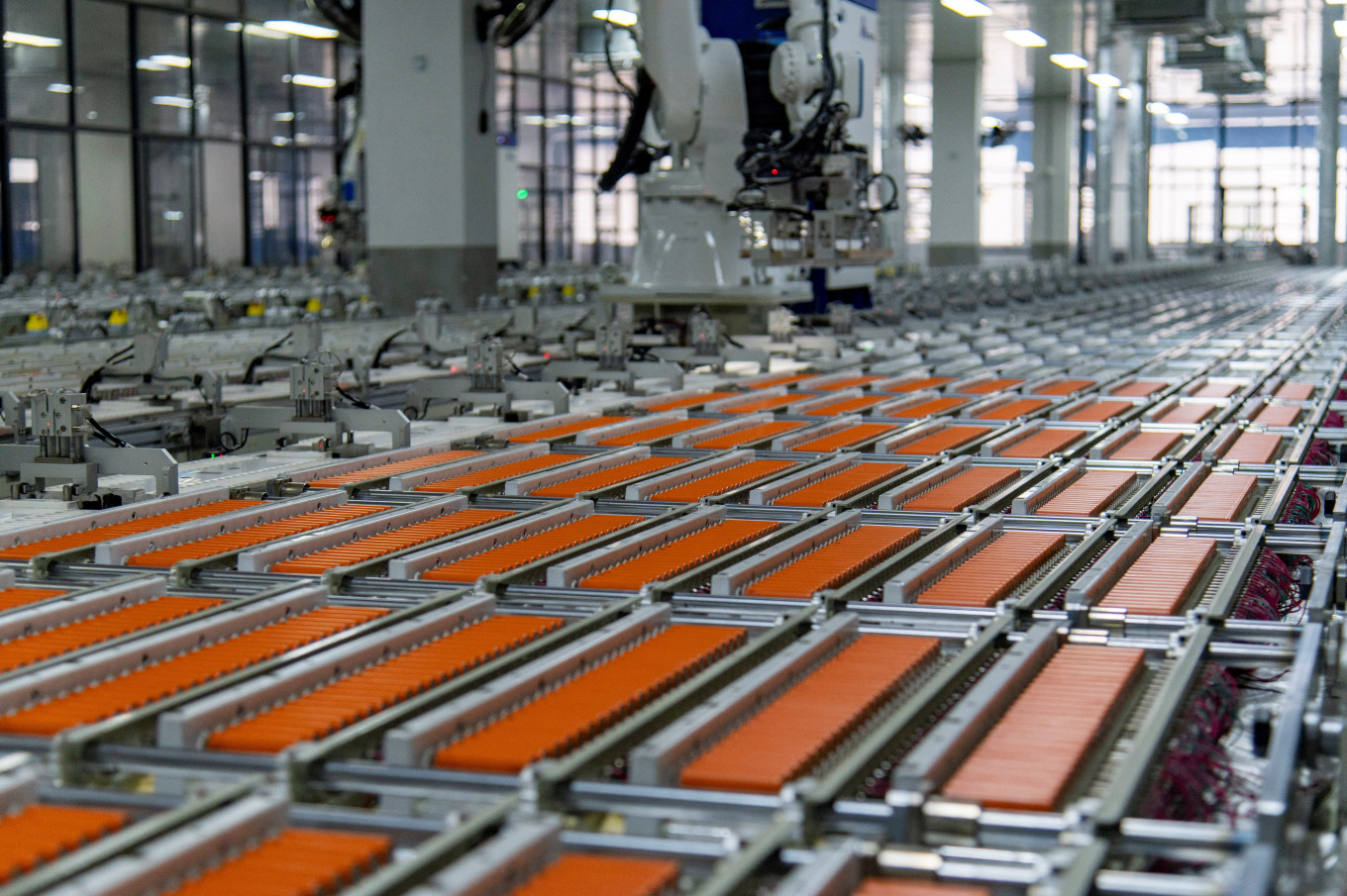
An automated lithium-ion battery production line operates on Nov. 11, 2025, at a workshop of Zhejiang Shineway Technology Co Ltd in Yongkang, Zhejiang province, China. (Reuters/China Daily)
For five centuries, raw materials have flowed out of Africa and Brazil at low cost to be used as inputs elsewhere, often returning to their source countries embedded in expensive finished goods. The energy transition offers a critical opportunity to escape this extractive dynamic. The key for these economies is to leverage their vast resources, as well as mutual cooperation, to build thriving green industries of their own.The current global energy crisis has made the energy transition all the more urgent. Supply disruptions and rising costs have put pressure on governments, households and businesses in many countries, weakening productivity, straining food supplies and exacerbating economic inequality.
The effects of the crisis are particularly acute in many African countries, which already struggle with persistent poverty, limited energy access and inadequate infrastructure. Africa’s energy-producing countries are not immune, not least because they often export crude oil while importing costlier refined products like diesel and gasoline.