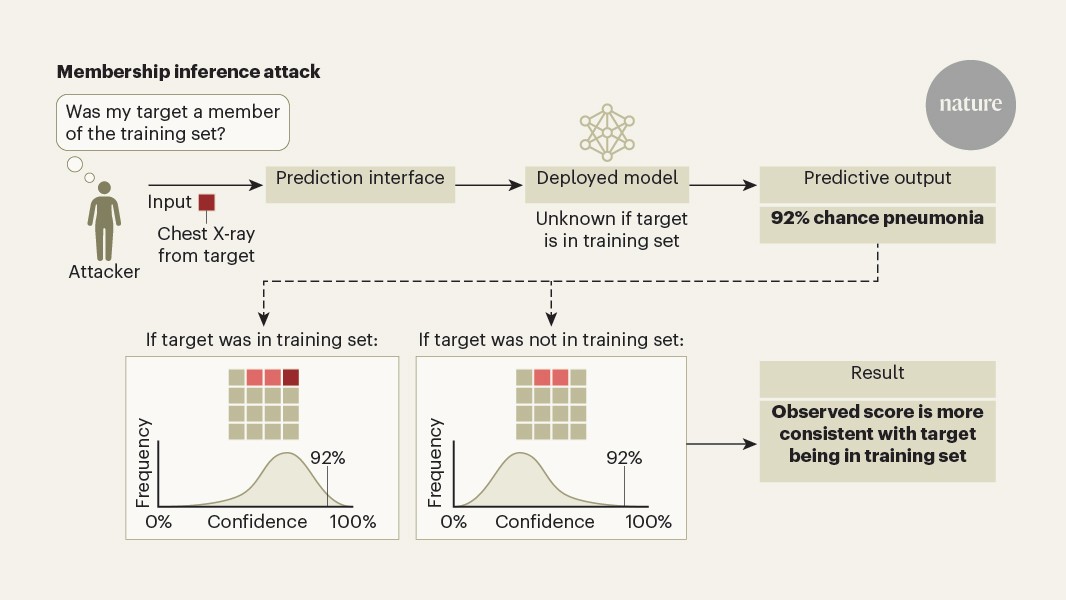
Sharing sensitive health data with researchers is a tightrope walk. On one side, you have the potential for medical breakthroughs; on the other, the catastrophic risk of leaking personal health information (PHI). If you're still relying solely on "anonymization" (like removing names), you're living in the past—and likely at risk of re-identification attacks.
In this guide, we’ll dive into the engineering implementation of Differential Privacy (DP). We'll explore how to use Privacy-Enhancing Technologies (PETs), Laplace Noise, and Data Anonymization techniques to transform a raw health dataset into a privacy-guaranteed statistical goldmine. For those looking to implement these patterns in high-stakes production environments, the team at WellAlly Blog has documented several advanced privacy-preserving architectures that served as the inspiration for this build.
The Architecture: The Laplace Mechanism
Differential Privacy works by adding a specific amount of mathematical "noise" to a query result. This noise is calculated such that the presence or absence of a single individual in the dataset doesn't significantly change the output.
graph TD