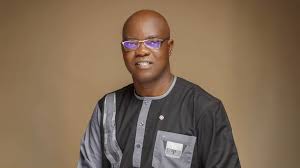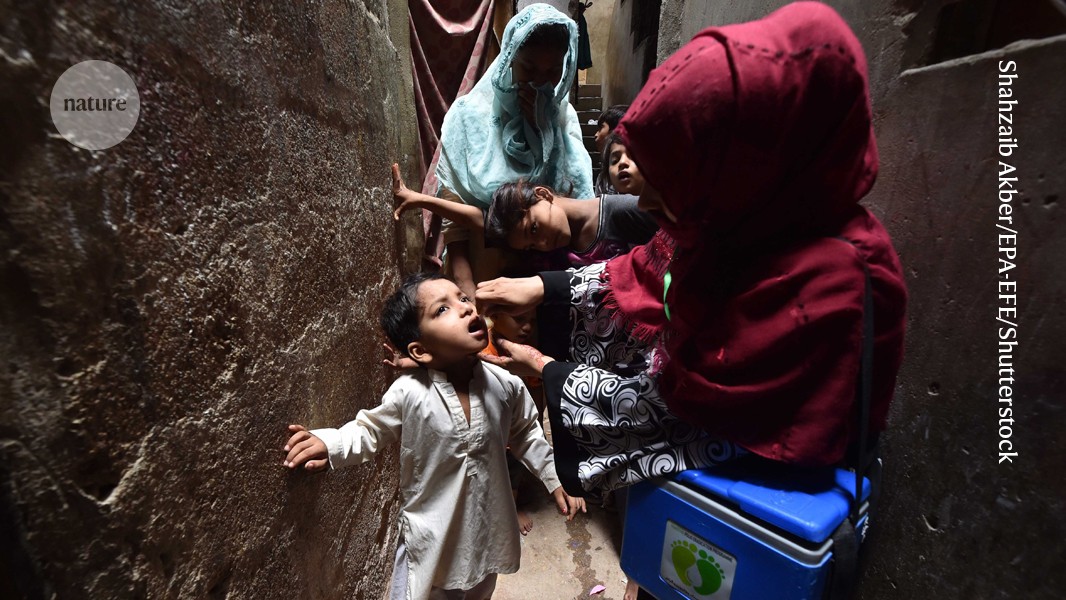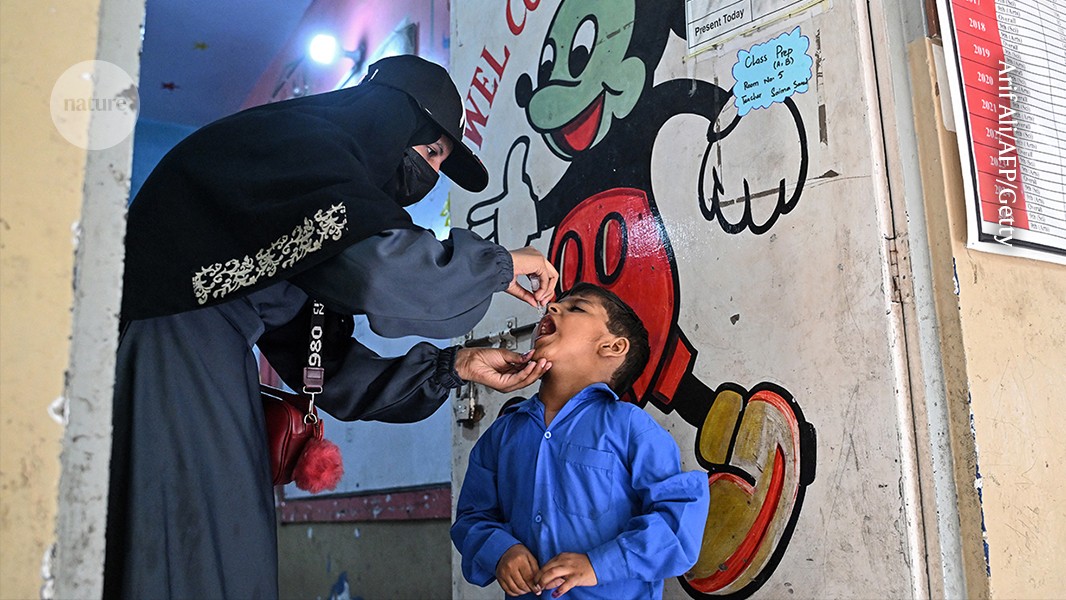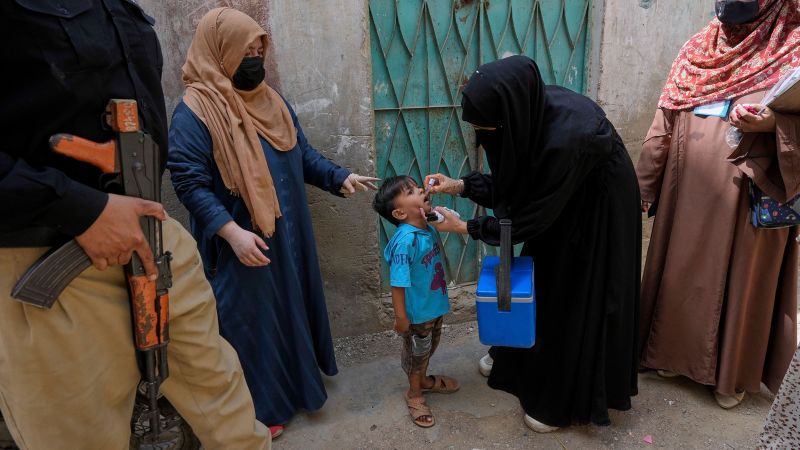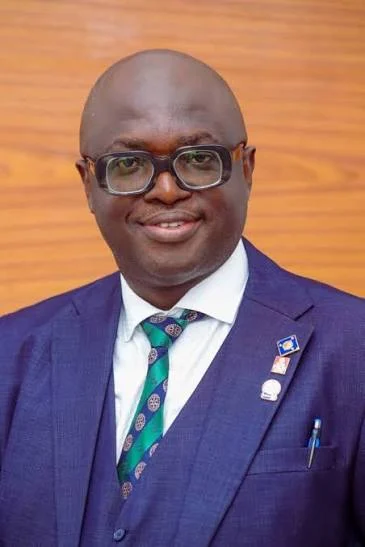
Rotary International President, Yinka Babalola, in this interview with WALE AKINSELURE, highlights Rotary’s strides in the global fight against polio, the organisation’s efforts to strengthen health systems and prevent future health crises, as well as the critical role of governments in sustaining humanitarian interventions
In your Rotary journey, you have provided leadership in polio eradication, vaccine distribution, and adult literacy. Upon your emergence as President of Rotary International, you came up with this theme, ‘Create lasting impact.’ What will be your priorities for the next year of your leadership?
I’m pleased to be uniting our members to create lasting impact and help them share how Rotary has transformed their lives. My goal is to show the world that Rotary is more than a service organisation. It’s not just about what we do for others. It is a life-changing experience because being a member of Rotary inspires personal growth, just as much as community impact. Our vision statement is that, together, we see a world where people unite and take action to create lasting change across the globe, in our communities, and in ourselves. And my goal is to help us stay and realise the words, the deliverables of that vision statement, at every level of the organisation. Our areas of focus are community development, economic empowerment, basic education, including water and sanitation. We are an international organisation, but we function locally. Every Rotary club, wherever they are located, tries to do something in these areas of focus. We have asked Rotary clubs to look into their communities, look at what the community needs, and try to see how they can intervene. And not just intervening with the resources available to them; we can also use our connections, leverage our internationality to bring in resources, which is not just about money. Sometimes it’s about expertise and knowledge because the person who is more knowledgeable about something may not be present in a particular community. But we are a network of leaders, of professionals, of business people. We leverage that also to do things. So you find out, for example, that in Nigeria, Rotary clubs are building schools, improving schools, supporting education in many ways. My own Rotary club of Trans Amadi, for example, has one of the biggest spelling bees to encourage children to read and to spell, to improve their language skills. Clubs are providing computer literacy. Rotary clubs in Ghana are teaching young people coding. Again, my own Rotary club of Trans Amadi is doing a vocational training program. We do it every year, where close to 400 people are given vocational skills that will help them to go out and stand on their own and be able to earn a living. And this is done by Rotary clubs across the globe based on the needs of their communities.