Small business owners were feeling more optimistic in July than they’ve felt in almost a year, according to the National Federation of Independent Business’ Small Business Optimism Index. That optimism coincided with a rise in the share of business owners who say they’re looking to hire more people in the next three months. But business owners said those hiring plans are running into a familiar challenge: finding qualified workers. Ariel Voorhees runs a personal chef service, Gather Round, in Vermont. She grocery shops and cooks for families in their homes. Business is good and she’s had to hire to keep up with demand.“In the past six months actually we've grown from two chefs working in the business to four chefs,” she said. And she may bring on another chef in the next few months.About 20% of small firms are in the same boat, according to the National Federation of Independent Business index. But wanting to fill a position and actually filling it with the right person are two very different things. “They're going to the market trying to fill these positions, and they're noticing, hey, the number of applicants, the kind of skill level and fit of these applicants isn't what I hope for,” said Peter Hansen, director of research and policy analysis at NFIB.That’s true for Chris Kesler, who owns Black Flannel Brewing and Distilling Company in Essex, Vermont. The brewery has a restaurant and he said it’s been hard to fully staff up.“The labor shortage, especially in Vermont hospitality, is real, and we're still looking for a couple of kitchen people,” he said.Kesler attributed that mostly to a restaurant industry workforce that shrank in the pandemic and never fully recovered.Other businesses see a more recent cause for the lack of skilled workers: The Trump administration’s immigration crackdown.Alexis D’Amato Falvey with the advocacy group Small Business Majority said the threat of deportation is keeping some employees from going to work.“It's more and more difficult for people to feel that they want to come risk their ability to remain in the U.S. Even if they are here legally,” she said.That points to another finding in the NFIB survey. Even as more business owners feel optimistic, the share that feel uncertain is also rising well above historical norms.
Small business owners are feeling uncertain but optimistic
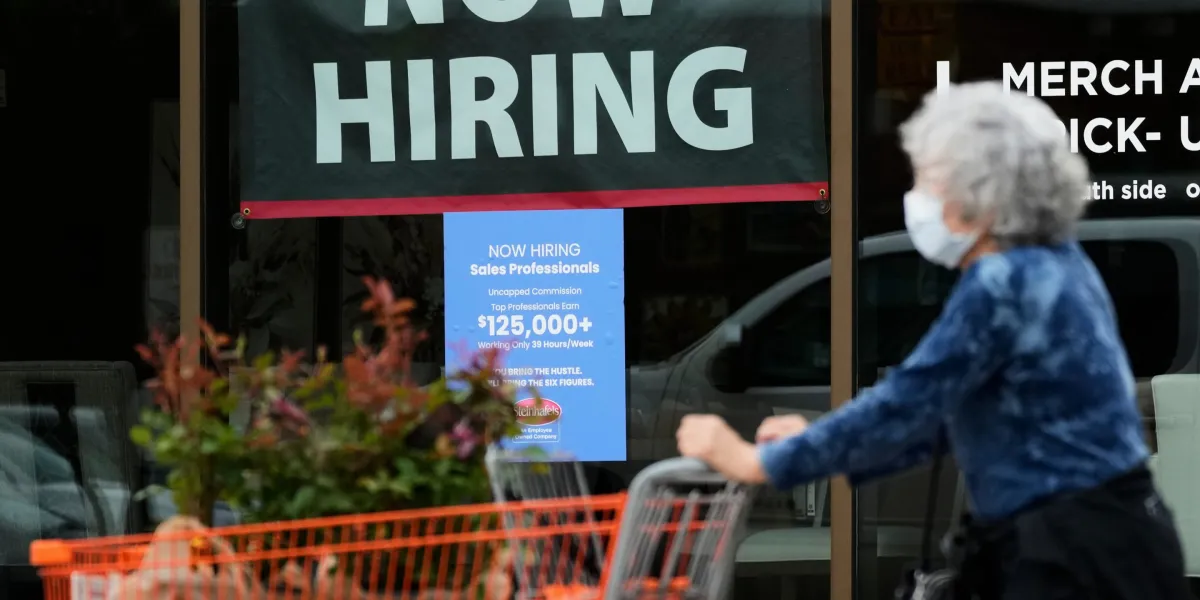
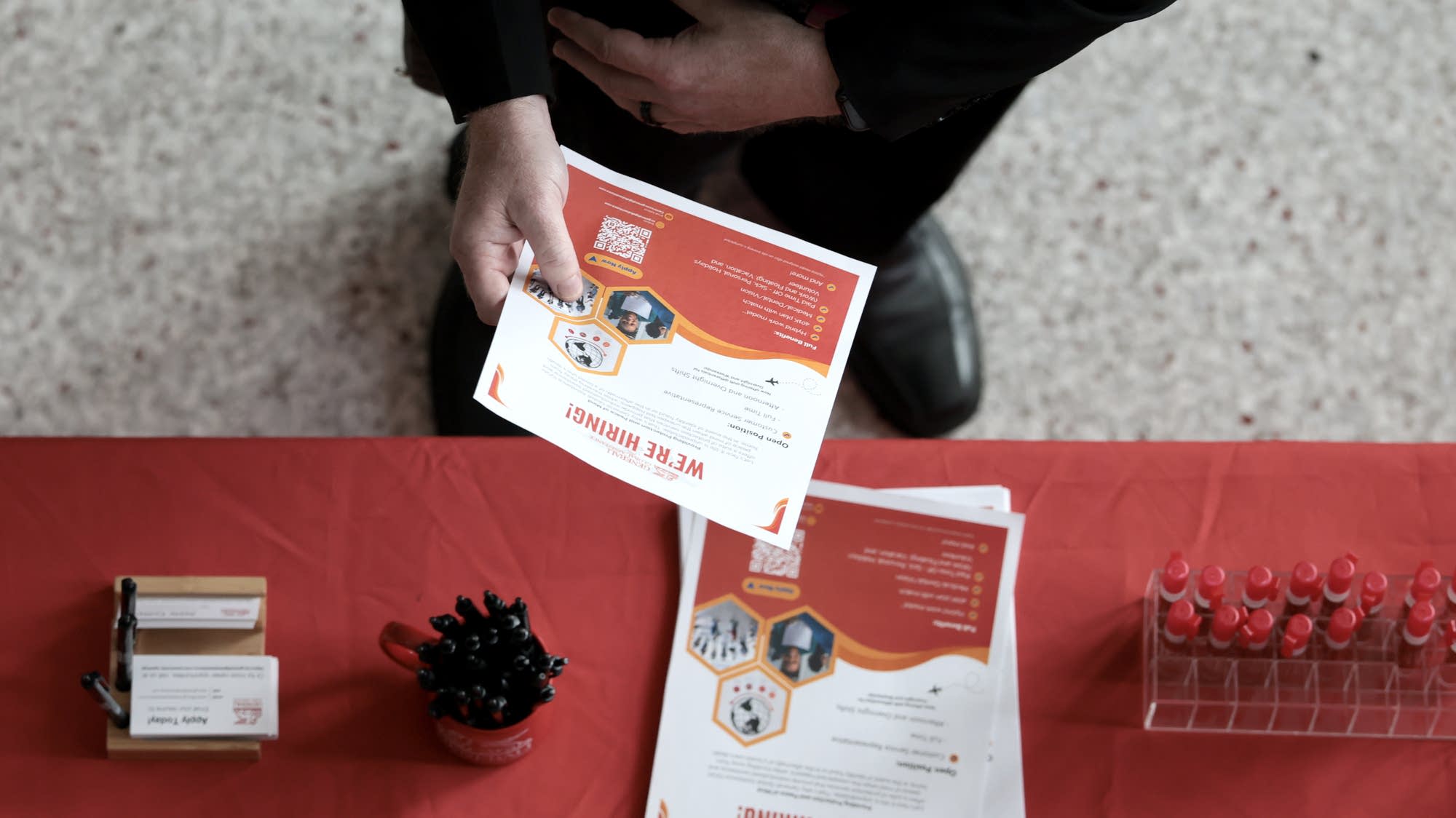
More of them are telling the National Federation of Independent Business that they’re looking to hire, and that finding the right people to hire is difficult.
377 words~2 min read