Support CleanTechnica's work through a Substack subscription, on Patreon, or on Stripe. Help us produce all of the high-quality, original content we publish week after week despite the challenges of content-scraping AI, antisocial media, inflation, and other hurdles.
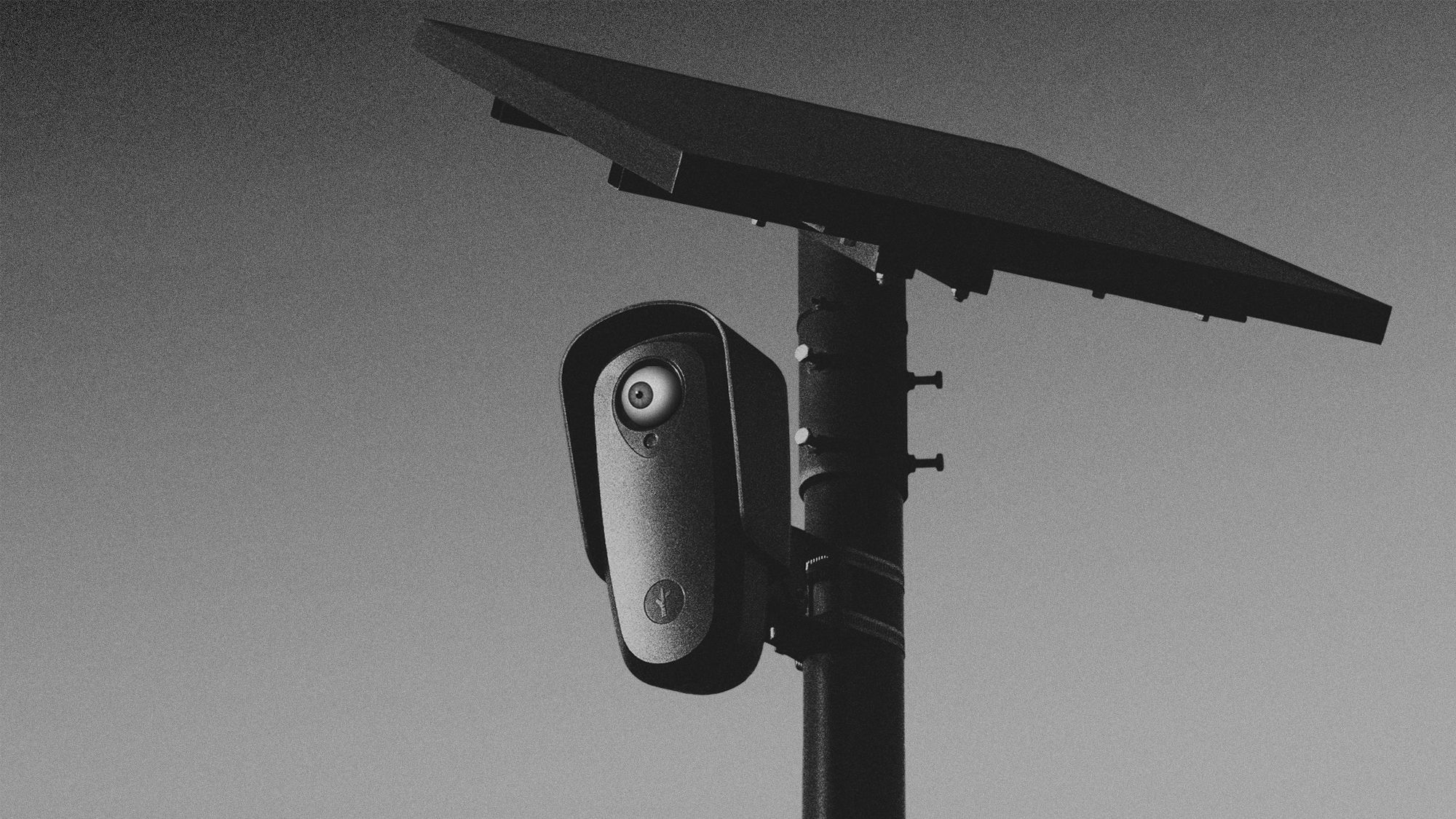
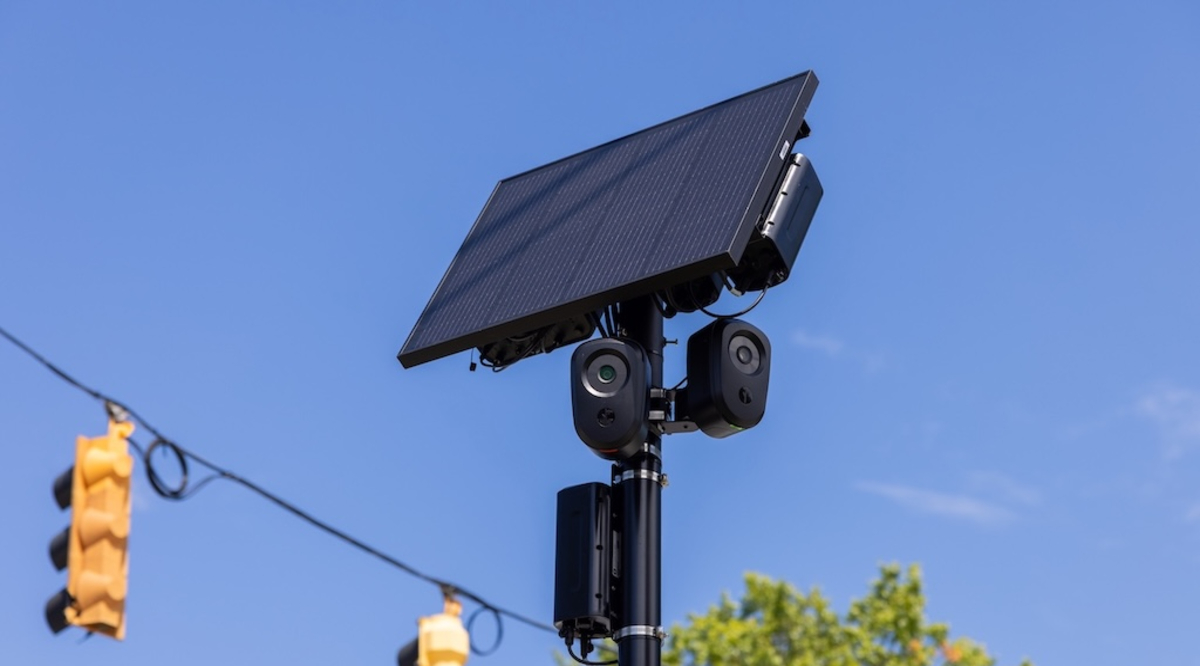
“If you haven’t done anything wrong, you’ve got nothing to worry about.” That is the mantra of those who believe surveillance technology is a public benefit. The UK has perhaps the largest number of security cameras per capita of any nation, and its citizens seem to be perfectly happy knowing they are being observed every moment of every day while outdoors. But surveillance has a potentially darker side. In the late 1800’s, Jeremy Bentham proposed a way to control prisoners by housing them in a a circular structure he called a Panopticon.
The guards would be located in a central area, with the prison cells arranged around them. This would allow the guards to observe the prisoners every moment of the day. Because the prisoners would never know when they were being watched, they would voluntarily refrain from inappropriate behavior, which in turn would allow the prison to operate with fewer guards than would otherwise be needed.