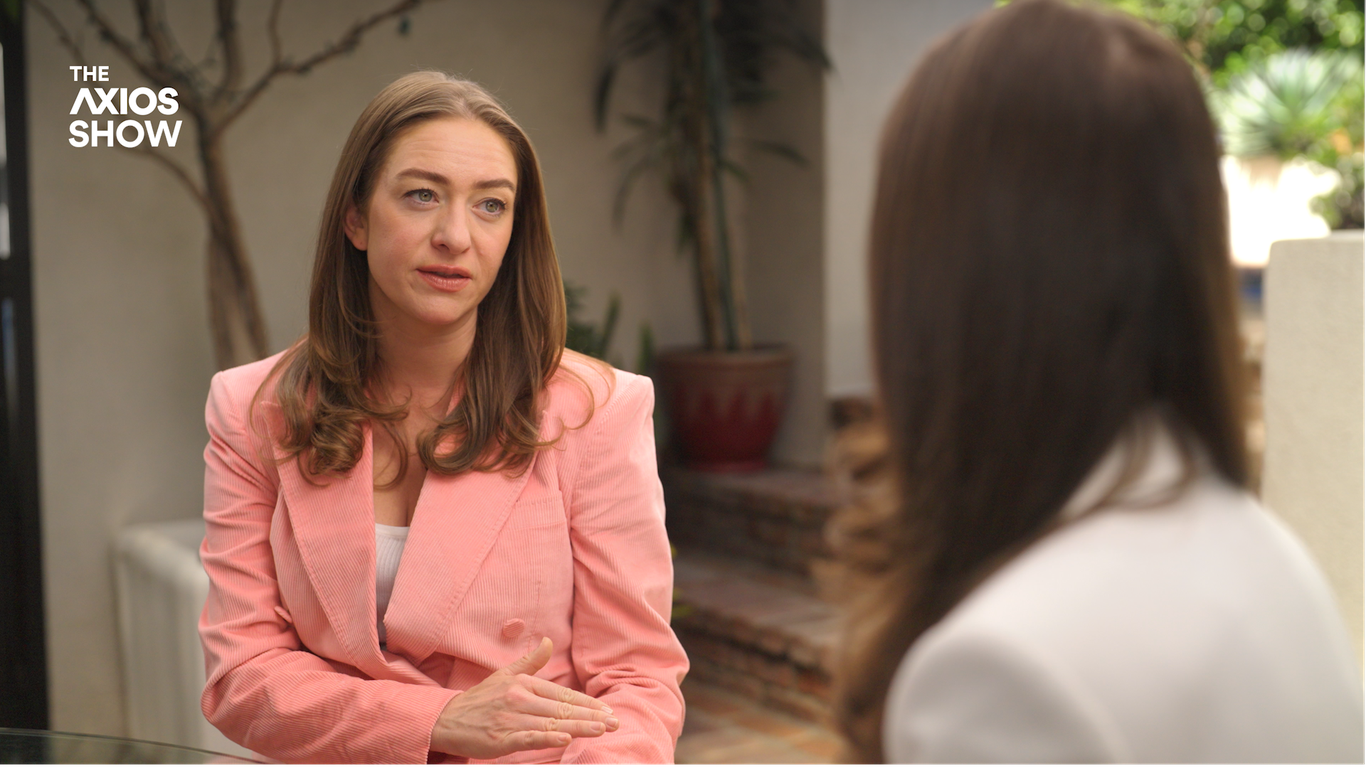
Whitney Wolfe Herd returned to her role as CEO of Bumble in 2025.
Dia Dipasupil/Getty Images
Bumble's buzz is sounding familiar.When Whitney Wolfe Herd left Tinder to found Bumble, she positioned the new rival as Tinder's antithesis. "I always felt that for me as a woman, I always had to wait around," she told The New York Times in 2017. So, women would have to message first, and they'd have 24 hours to do it.The app enjoyed early success in the mid-2010s and again during the COVID-19 pandemic. Then came the industry's tightening, the stock's sinking, and a widespread feeling of online dating malaise. While competitors like Hinge rose in the ranks, Bumble changed from a progressive darling to a stodgy also-ran.On Tuesday, Bumble officially gave up on its founding principle. It allowed men to message first, a feature that had gradually loosened since the 2024 release of Opening Moves — a product overhaul that let men send the first "move" by replying to a prompt on a woman's Bumble profile. It also extended the countdown for messaging a new match from 24 hours to 72 hours.Bumble argues that it isn't changing its principles. In a press release announcing the change, Wolfe Herd said that the move "isn't a departure from our founding vision, but rather an evolution of it." Bumble didn't respond to a request for comment.But shedding the distinguishing feature of having women message first begs the question of how Bumble plans to differentiate itself from Tinder. Or any competitors.