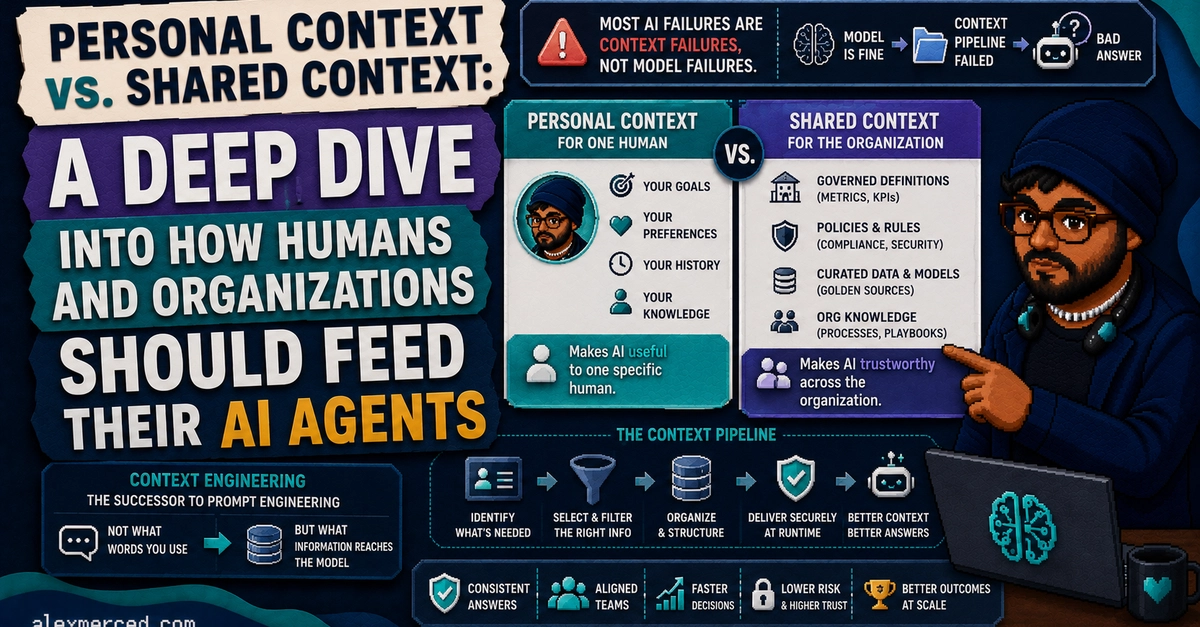
AI assistants are increasingly capable of reasoning through marketing and SEO tasks, but capability alone does not make their output dependable. The missing ingredient is often stable client-specific context: the brand rules, campaign history, data access, content constraints and prior decisions that define how work should be done for a particular account.
A recent Search Engine Land analysis of the “client brain” concept describes a per-client memory layer designed to give AI assistants that grounding. Rather than treating every prompt as a new onboarding exercise, the approach preserves relevant account context across tasks and sessions. It is a conceptual model, not a newly announced vendor product, but it addresses a practical problem facing teams that want AI to support repeatable marketing work.
For businesses, the central question is not simply whether an assistant can generate an SEO audit, draft content or recommend a campaign change. It is whether the assistant can do so using the right data, following the right rules and retaining the decisions that make its work consistent with the account.
Why AI assistants need durable client context
Marketing work depends on information that is rarely contained in one prompt or one system. An SEO recommendation may need performance data, existing content, CMS limitations and prior strategic decisions. A content brief may need brand voice guidance, audience knowledge and a view of active campaigns. If that information is absent, the assistant may still produce plausible output, but it lacks the basis to reliably tailor its work to the client.