Last summer, I was at my cousin's wedding. 200 guests, one professional photographer, and exactly zero way for anyone else to share the photos they were taking on their phones. The bride spent weeks chasing people through WhatsApp groups and Facebook messages, trying to collect the candid shots everyone promised to send. She got maybe 30 photos out of what must have been thousands taken that night.
That moment stuck with me. I'm a developer, and I kept thinking: there has to be a better way. Not another app to download. Not another account to create. Something so simple that even your tech-averse uncle could use it after his third glass of wine.
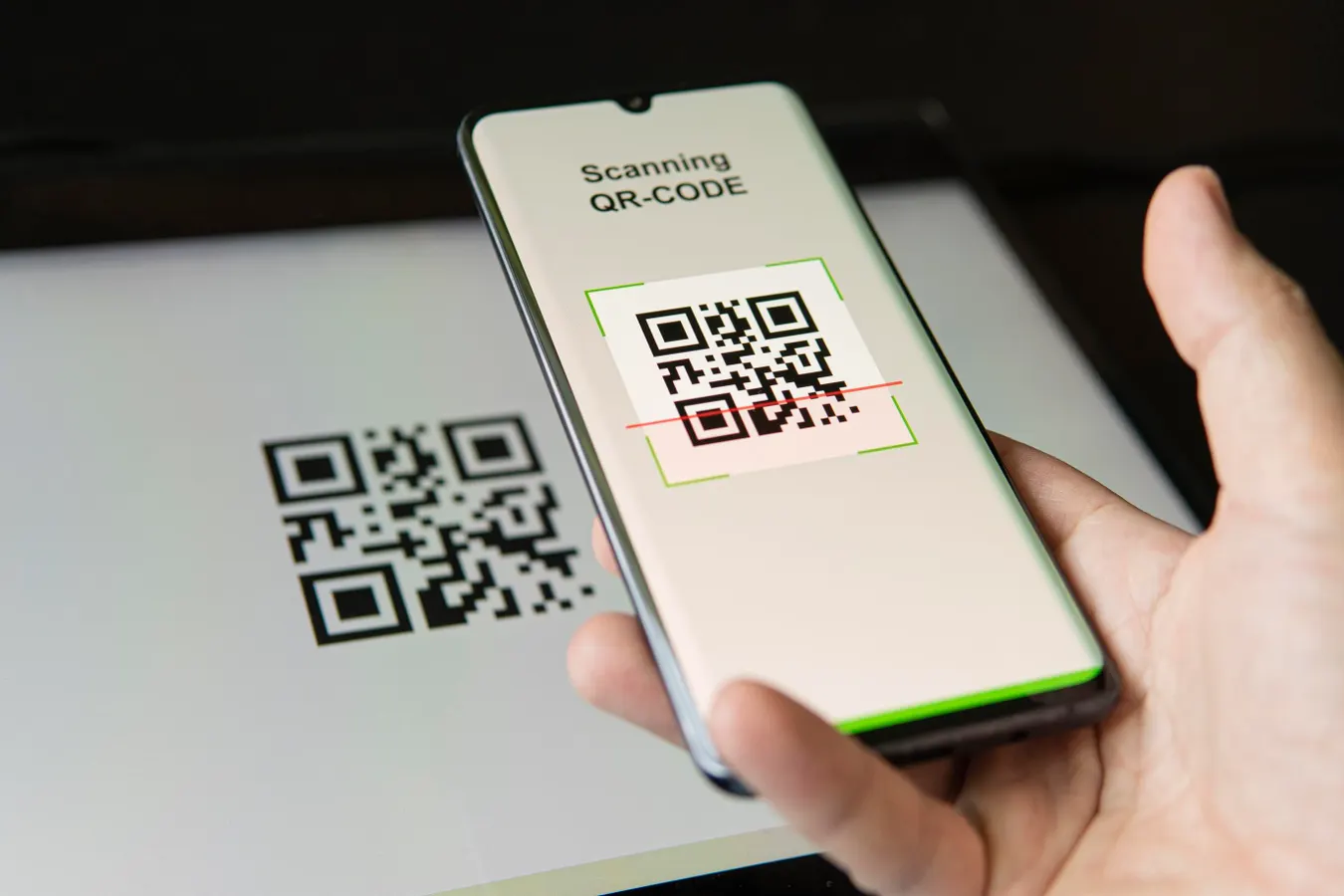
So I built Picshots — a no-app photo sharing platform that works entirely through QR codes and browser cameras. No downloads, no sign-ups, no "check your email for a verification code." Just scan, snap, and the photos land in a shared gallery. Here's exactly how I built it, what I learned, and the technical decisions that made it work.
The Core Problem: Friction Kills Participation
Here's a stat that shaped every decision I made: for every additional step between a guest and their first photo upload, you lose roughly 40% of potential participants. I didn't pull that from a research paper — I tested it. I built a prototype that required guests to enter their name before taking a photo. Then I removed the name field. The difference? A 3x increase in photos captured.