Show Caption
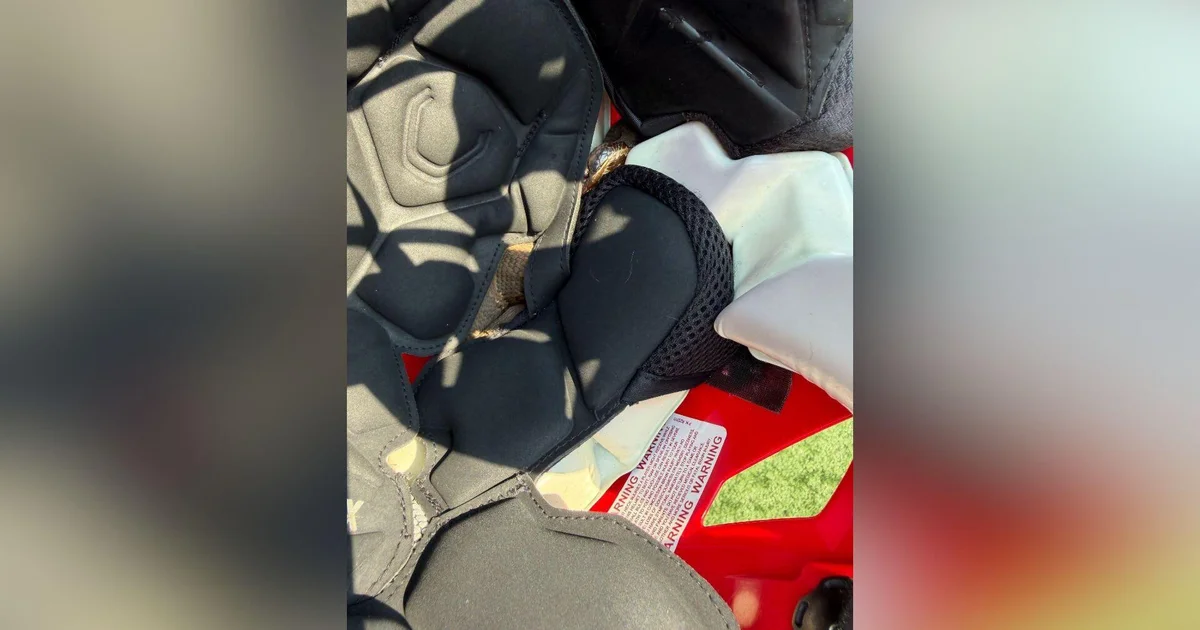
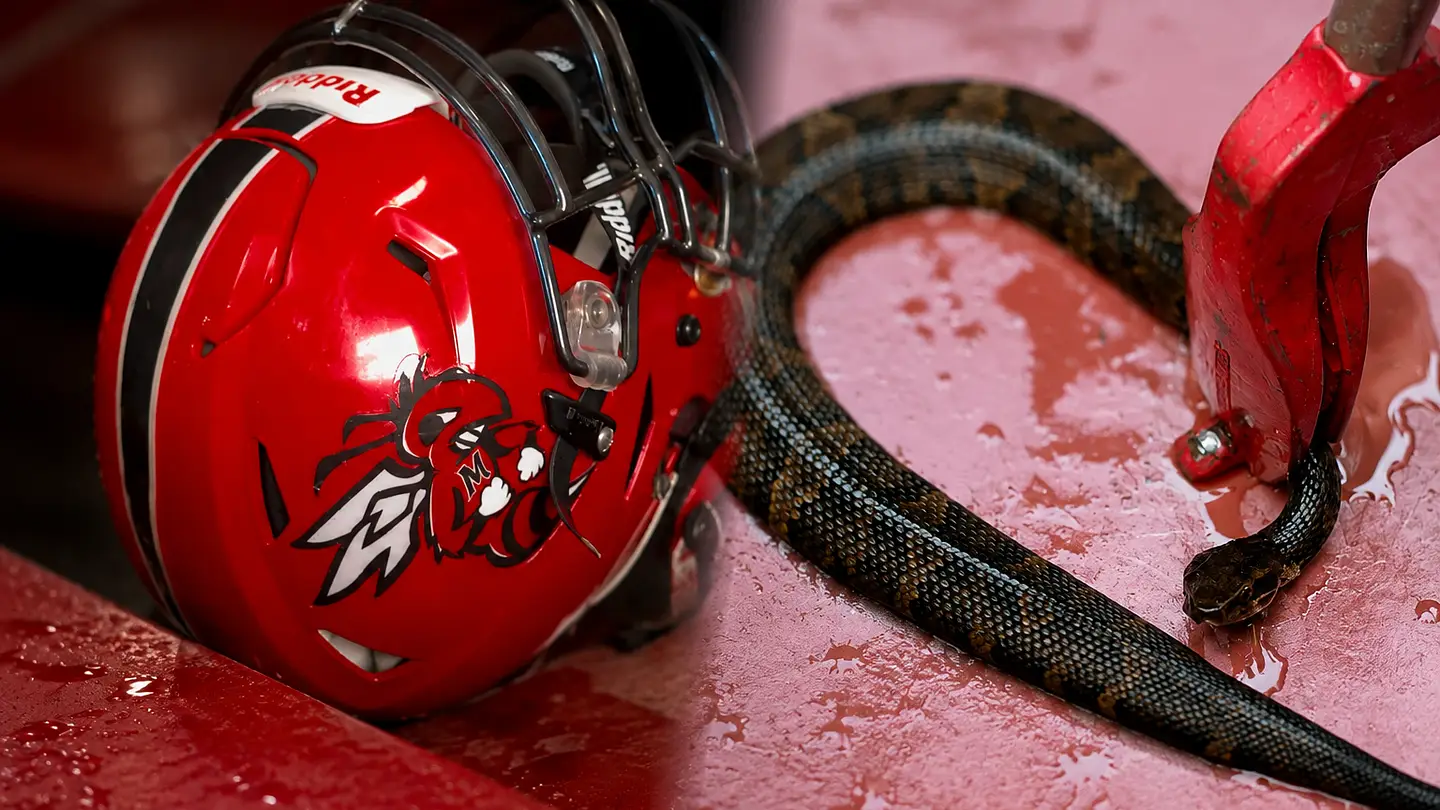
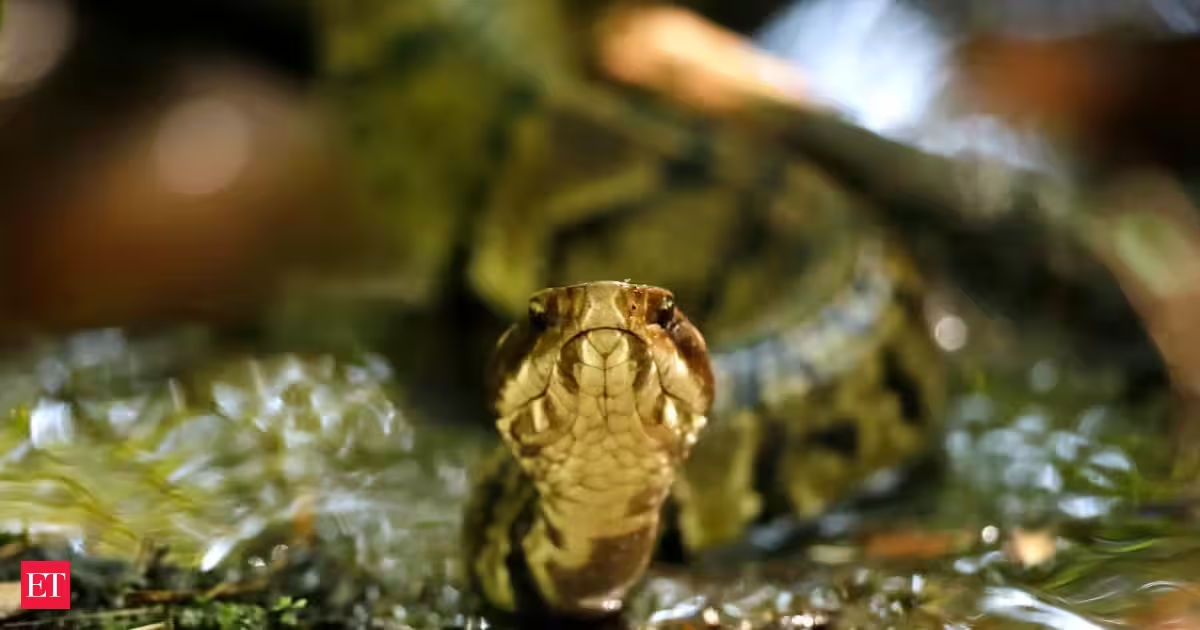
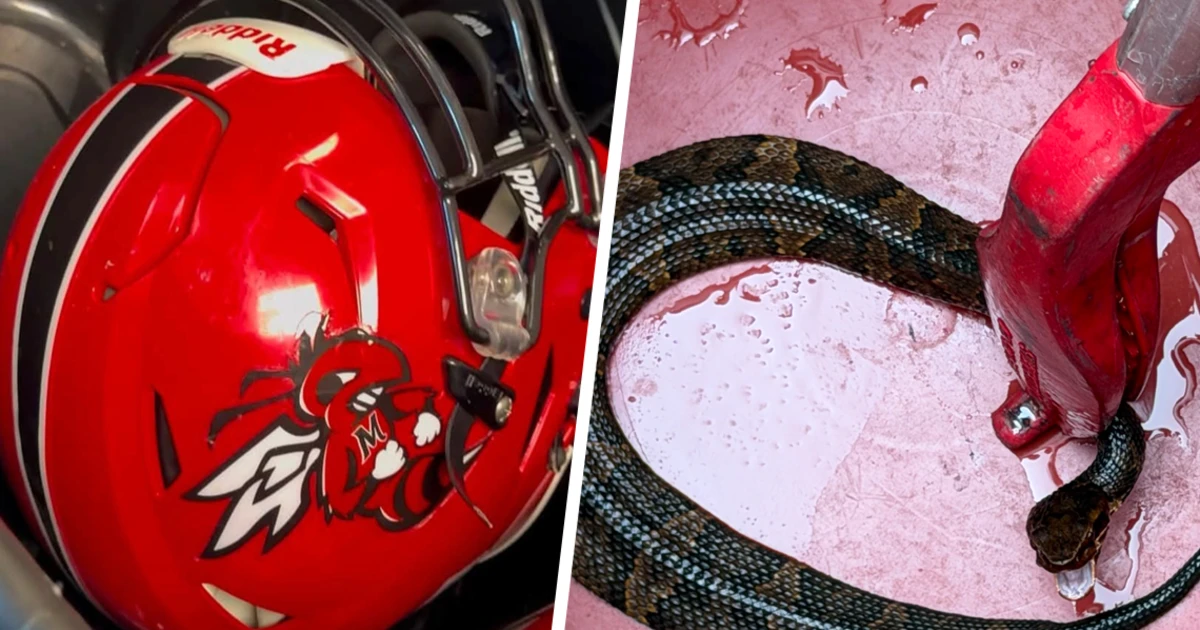
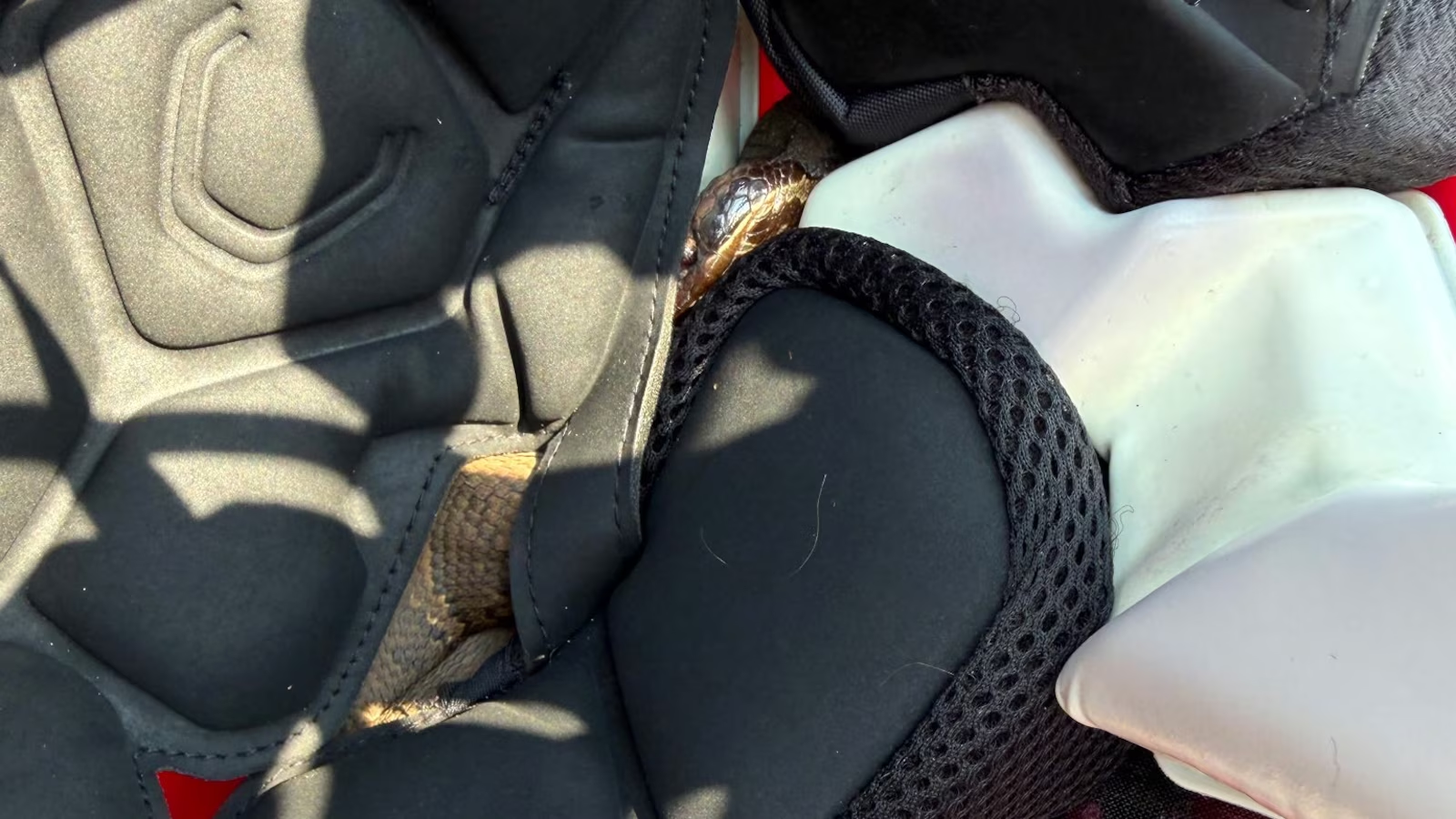
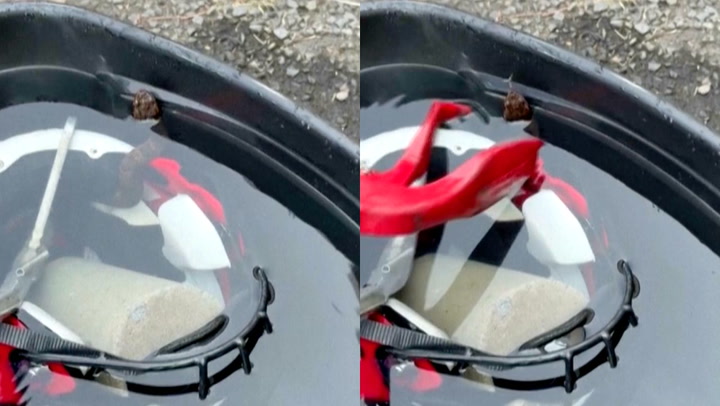
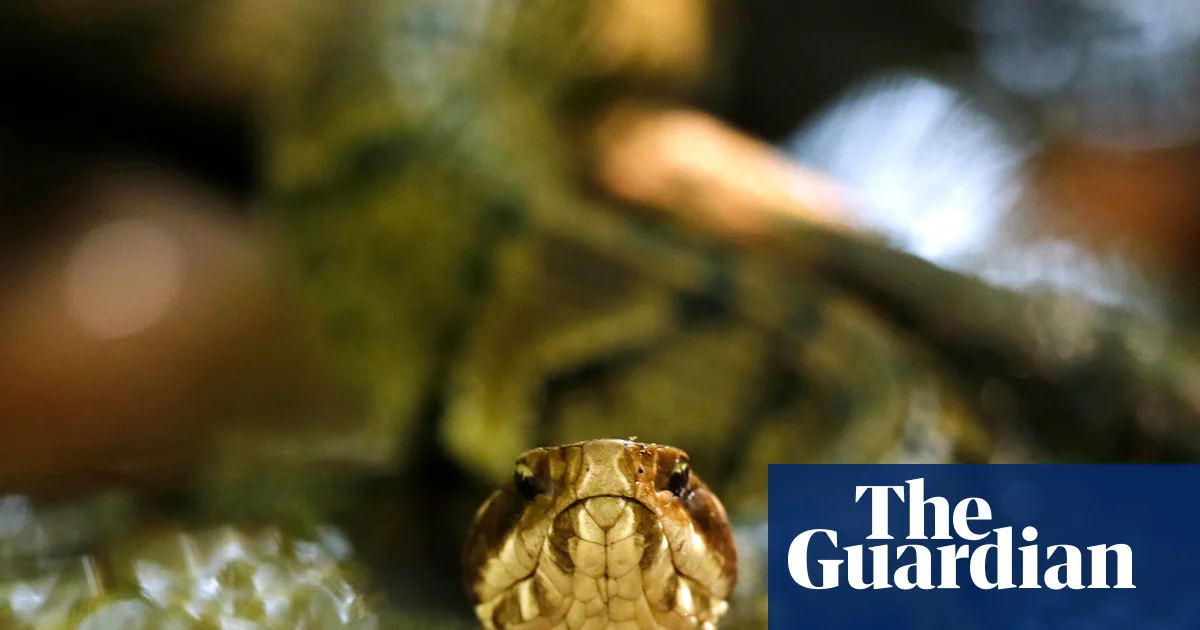
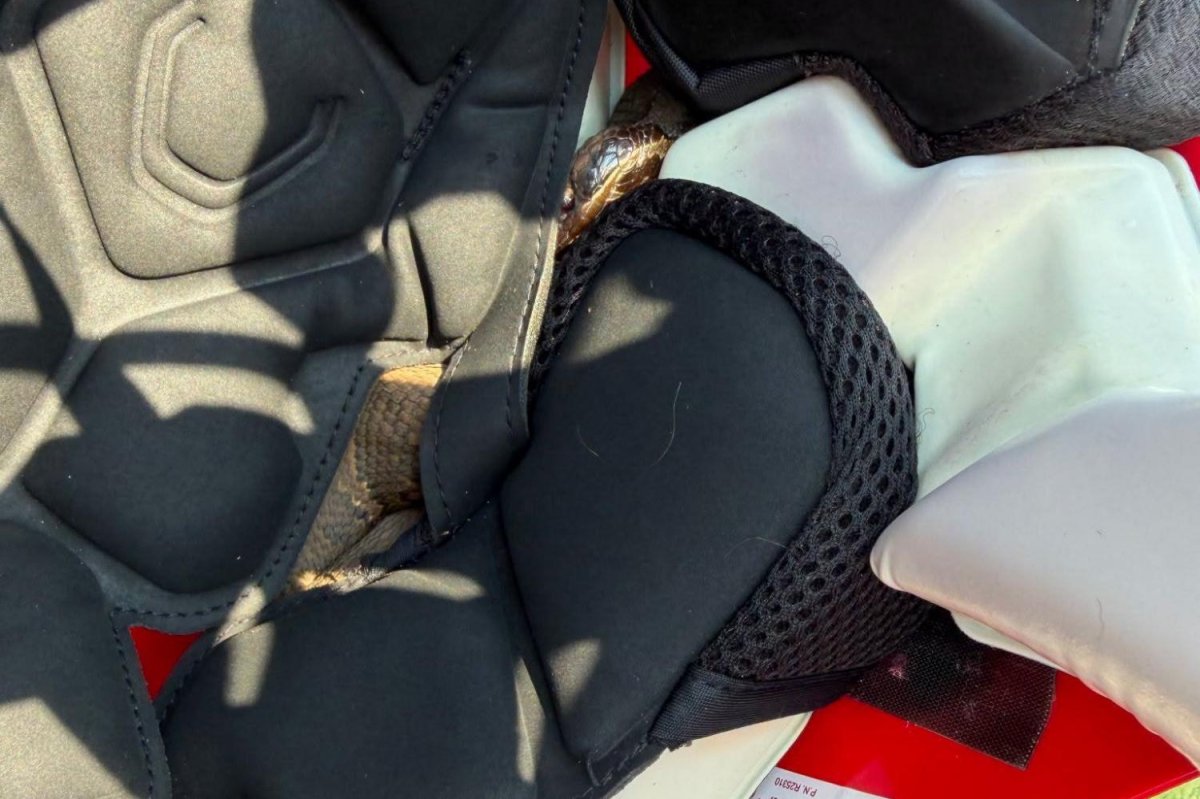
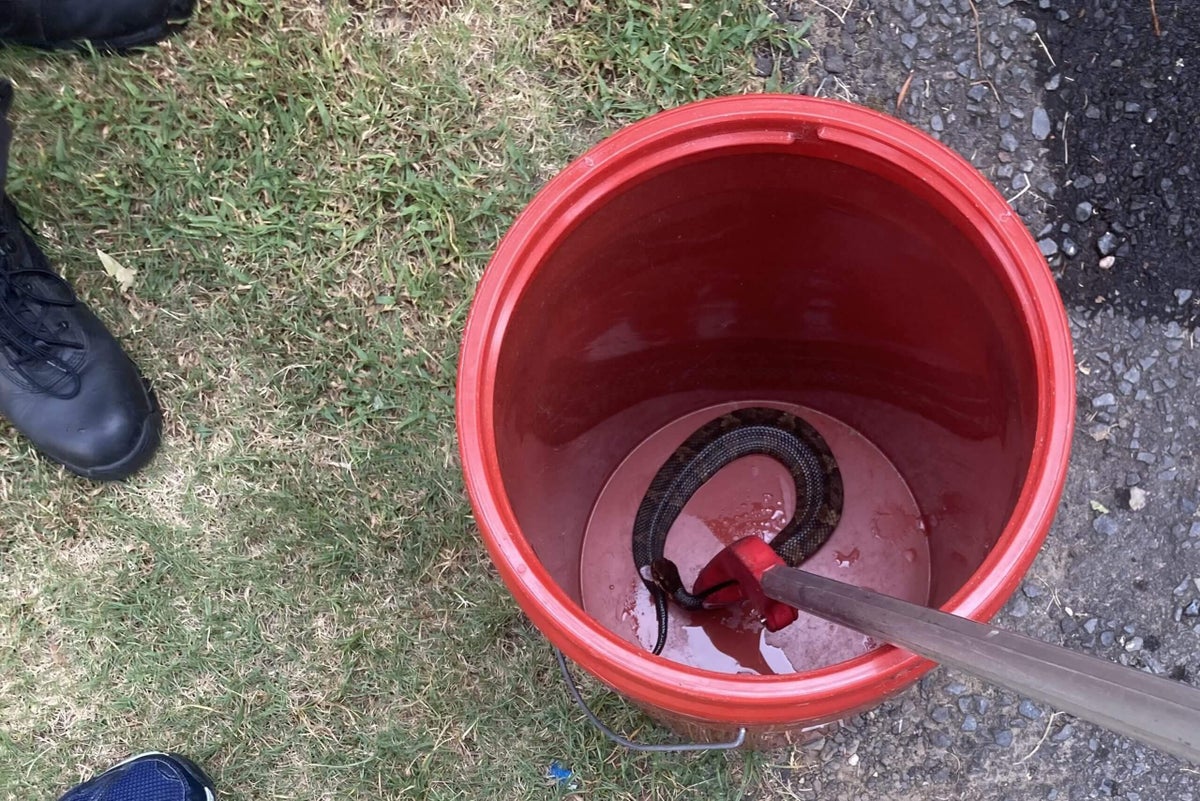
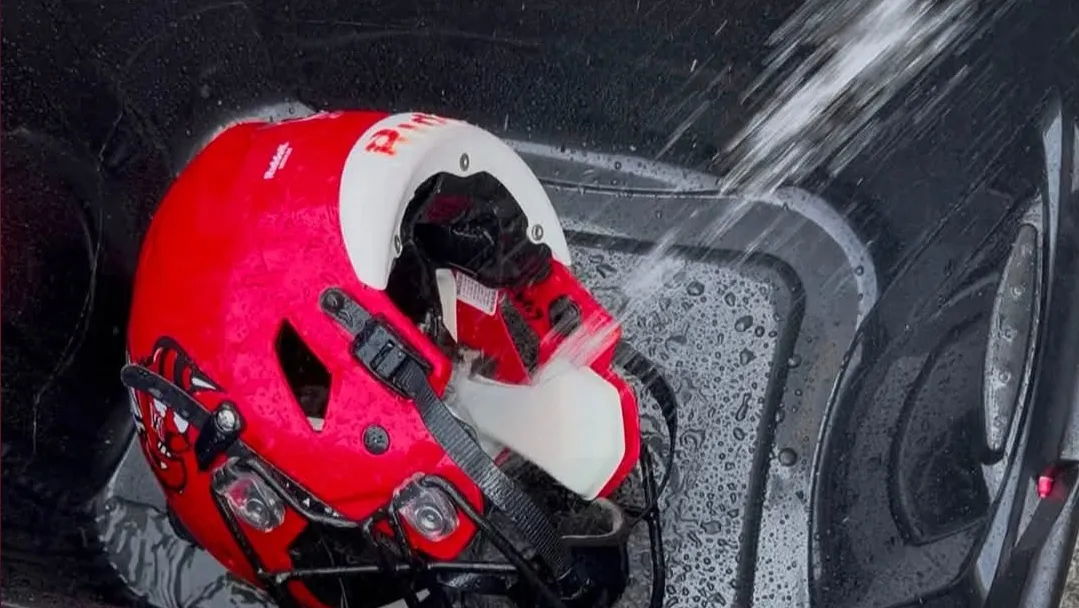
A high school football team in Arkansas recently had quite the scare when one of its players went to grab his helmet for practice, but unbeknownst to him, a venomous snake was inside.Staff from Maumelle High School found a cottonmouth, one of the most venomous snakes native to Arkansas, nestled in the padding of the helmet on Thursday, Aug. 6.“Thankfully, everyone is okay, but this is an important reminder that snakes and other critters can find their way into dark, enclosed spaces – especially helmets, shoes, bags, boxes, and other items that are left outside or sitting undisturbed,” the Maumelle Animal Shelter wrote in a Facebook post.The student who found the snake was getting ready for football practice in Maumelle, about 18 miles northwest of Little Rock. He noticed something moving inside his helmet, so he took it to his defensive coach, who then gave it to the head football coach for further observation. The helmet ultimately ended up with Athletic Director Kirk Horton."The snake was wound up tight between the helmet padding and the exterior of the helmet," Horton told USA TODAY in an email on Aug. 11.After locating the snake, Horton said he called Animal Services, placed the helmet inside a plastic tote and sealed it until authorities arrived.Cottonmouth snakes possess potent venom, and a bite can cause intense pain, swelling and tissue damage. Although deaths are uncommon, prompt medical treatment is essential to prevent lasting tissue loss or scarring.Animal Services flooded snake out of helmetAnimal Services Director Chris Davis said the call came in around 10 a.m. that day. In addition to Davis, four animal control officers and the agency's veterinarian responded, he told USA TODAY on Aug. 11."I decided that the best course of action was to flood the snake out," Davis said. "Our tools were not going to be effective."Once they got the snake out of the helmet, they took it to a forested area next to the Arkansas River, Davis added.Although Davis wasn't able to identify the snake's sex, he believes the 2-foot-long reptile is probably 2 years old. It appeared to be an older juvenile or early adult, he said.Coaches normally warn players to check for bugs, not snakesLuckily, despite wearing the snake-filled helmet for more than an hour in the sweltering Arkansas heat, the player was unscathed and was provided with a new helmet.Horton said his first thought was for his player's safety, and he's glad he wasn't bitten.After the snake ordeal, the boy asked for another helmet and wanted to finish practice, Horton said. Coaches later held a meeting where they reminded players to check their gear."Coaches have always said ‘Check your helmets,’ but that is usually for bugs," Horton told USA TODAY. "This will put much more emphasis on that statement."Snake gets its name from white lining around its mouthCottonmouth snakes, also called water moccasins, are large, heavy-bodied pit vipers that typically measure 24 to 48 inches long. Juvenile cottonmouths have dark brown crossbands on a lighter gray, tan or reddish background, according to the University of Georgia. As they age, their colors darken. When cottonmouths feel threatened, they often coil, vibrate their tails and open their mouths, revealing a white or pink oral lining. That lining is where the snake gets its name, the university said.The species is often found in freshwater habitats such as cypress swamps, river floodplains, wetlands and slow-moving streams. When cottonmouths do bite people, it’s often when individuals try to handle, kill or “intentionally harass the snake,” the university wrote.Those bitten by cottonmouths may suffer tissue destruction, pain, swelling and disruption of normal blood clotting. The venom can damage blood vessels, break down red blood cells and may lead to localized necrosis; however, fatalities are rare due to fast access to antivenom, according to the university.In the shelter's Aug. 6 Facebook post, staff reminded community members to check any helmets, articles of clothing and outdoor gear before putting them on.“Always give it a quick check first,” the shelter wrote. “It only takes a few seconds and could prevent a very scary encounter – or worse.”This story was updated to add new information.