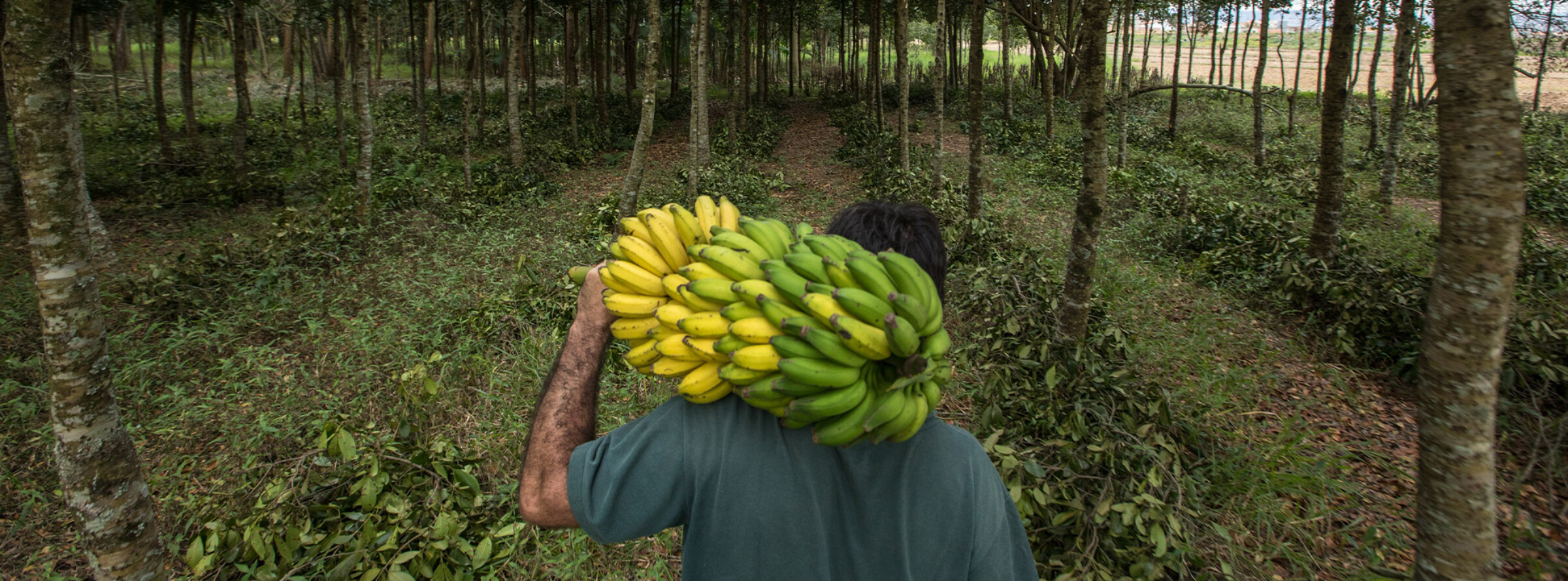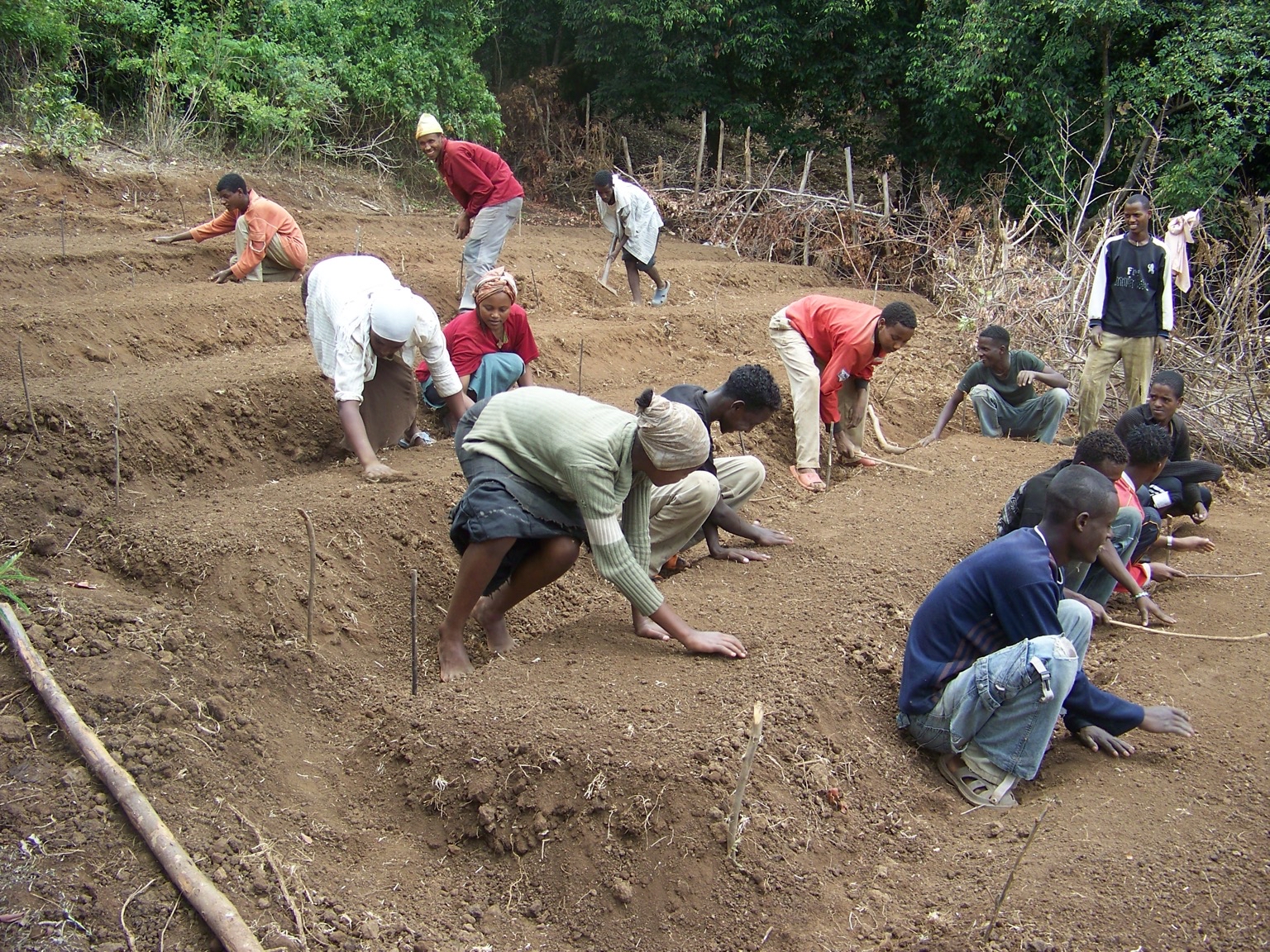
The Global Biodiversity Standard (TGBS) is a certification scheme for forest restoration projects that show positive outcomes for biodiversity.Each assessment includes a field visit by experts from regional hubs, who have been trained in TGBS methodology.The regional hubs also offer ongoing mentoring to projects, to promote internationally recognized best practices in restoration.One year on, TGBS has certified six sites, and 15 regional hubs offer mentoring.
There are around 60,000 known tree species in the world, and they can do amazing things: store carbon, provide people with food and firewood, shelter creatures big and small, and so much more.
In the past two decades, numerous high-profile initiatives have announced ambitious restoration targets for forests. Restoring forests can bring all kinds of benefits and is widely seen as an effective nature-based solution to climate change and biodiversity loss. But planting the wrong trees, or planting them in the wrong places, is, at best, a missed opportunity — and at worst, can even harm biodiversity.
In fact, a 2019 Nature commentary found that almost half the area pledged under the Bonn Challenge, a high-profile initiative to restore 350 million hectares (865 million acres) of degraded forest by 2030, was for plantation-style monocultures, and thus a poor strategy for both carbon sequestration and biodiversity. Meanwhile, half of the land pledged for reforestation under the African Forest Landscape Restoration Initiative was actually on savanna, a landscape not suitable for tree planting, according to a 2024 Science study.