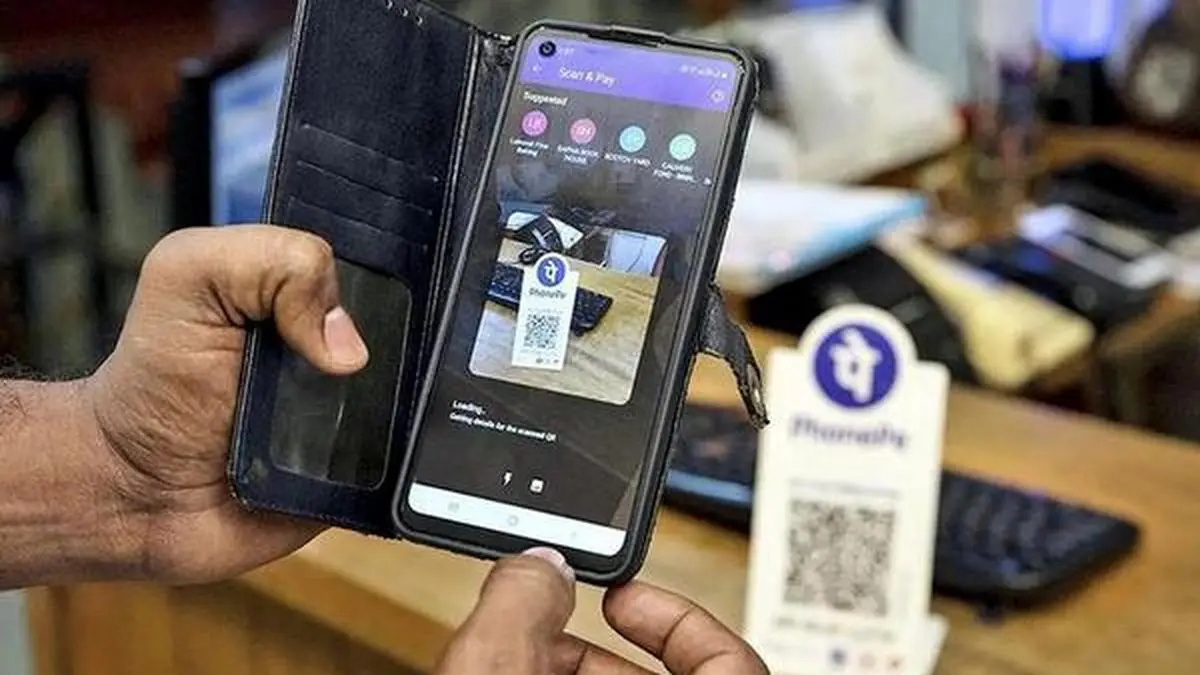
In January 2020, the government mandated that the Merchant Discount Rate (MDR) on UPI and RuPay debit card transactions be set to zero. This meant that when a payment was made using either of the two mechanisms, no charge was levied on the merchants for the transaction. A recent amendment has lifted this statutory prohibition, reversing a policy that has defined Indian digital payments for six years. While the zero-MDR mandate engineered unprecedented digital adoption, its reversal forces the ecosystem to finally confront the true cost of moving money.
The economics of the MDR
Consider a customer buying a toy. On the surface, money moves from her to the shopkeeper (merchant). Underneath, a message travels from her bank – call it Bank A, the issuer through a switching network such as UPI, to the merchant’s bank, Bank B, the acquirer, and then settles between them. This movement is not free. The issuer bank has to authenticate the customer, bear the risk of fraud if the credentials are compromised, absorb the chargebacks if the transaction gets disputed, and provide customer service if the transaction goes wrong. The merchant’s bank (or the acquirer) has to bear the cost of providing a QR code and handling disputes from the merchant’s side. The network (such as Visa, Mastercard, UPI) runs the routing and the settlement. All these entities also run the fraud prevention infrastructure.