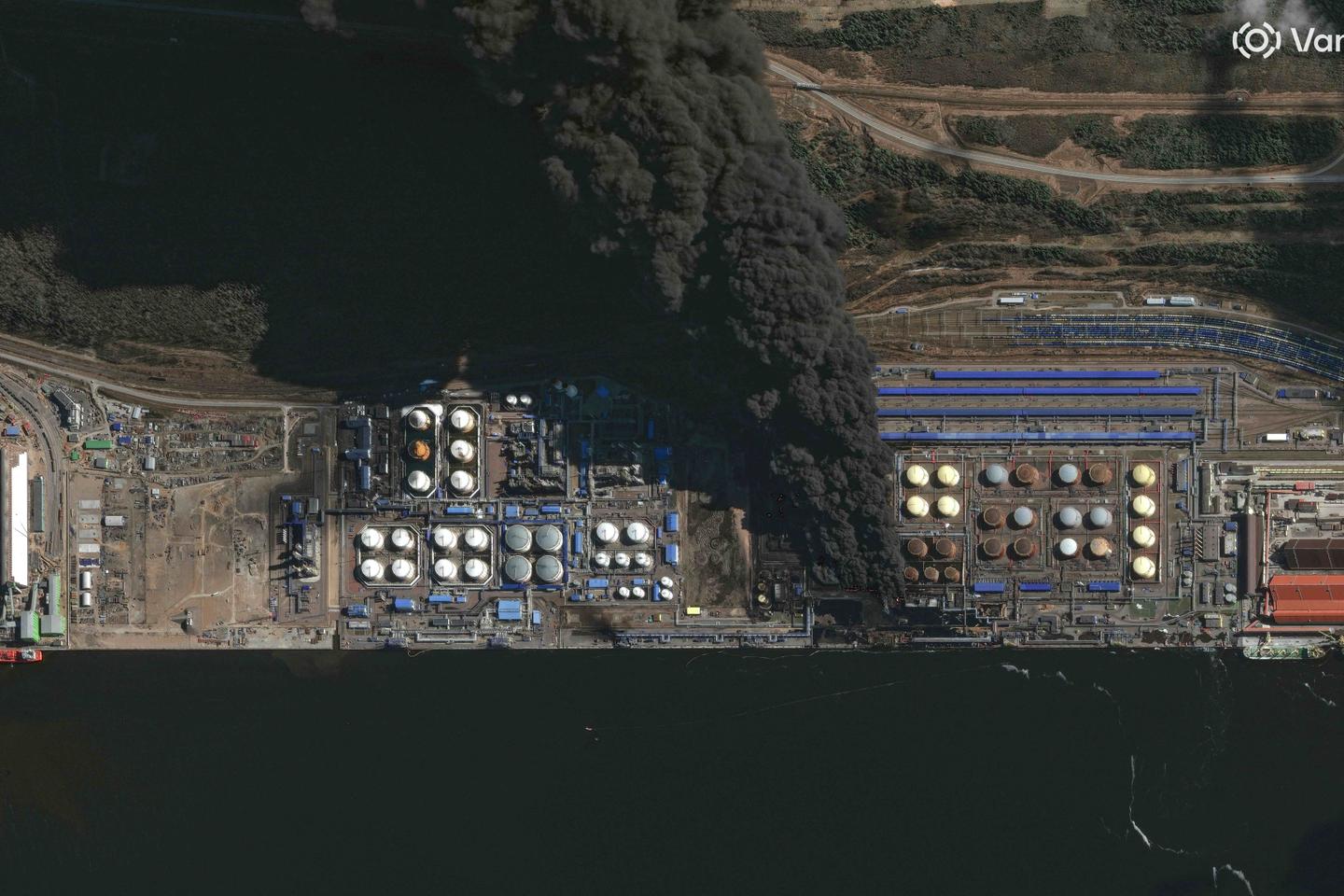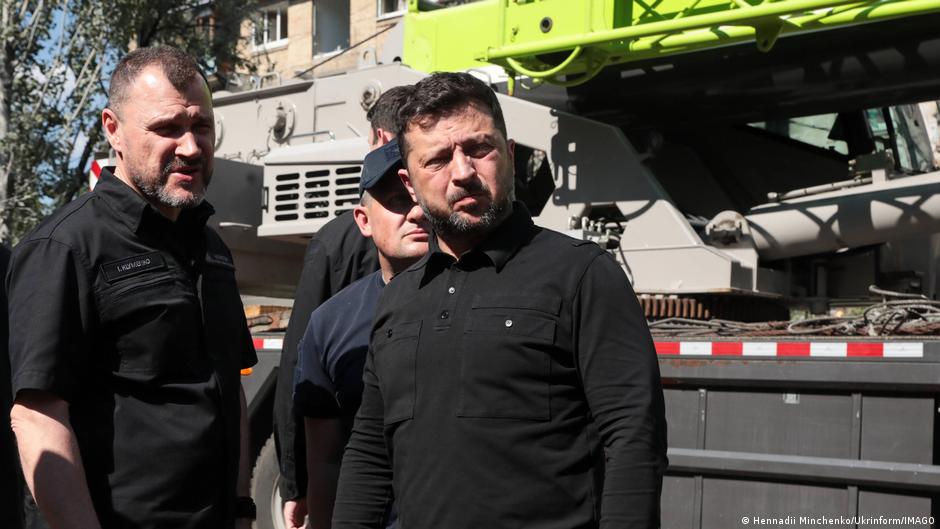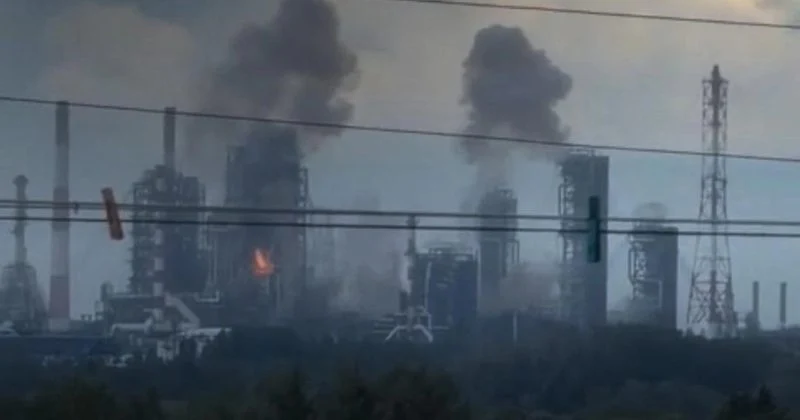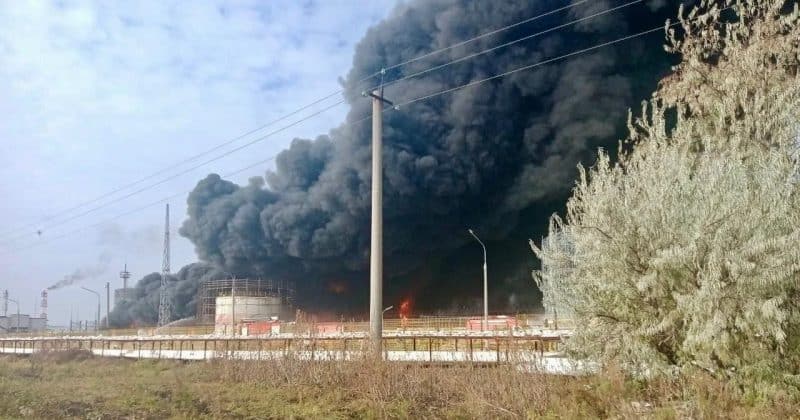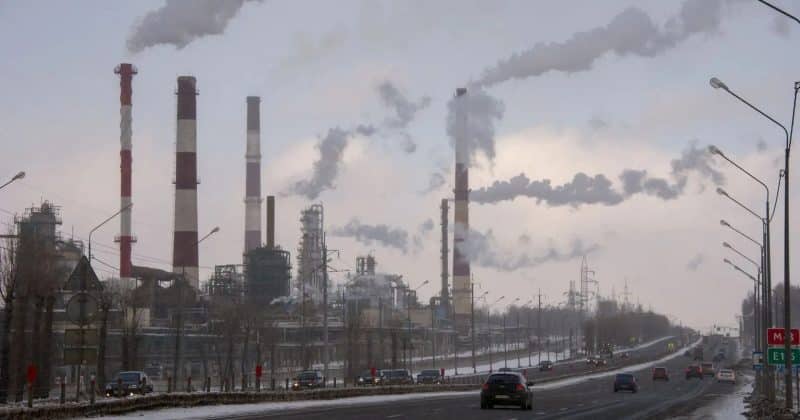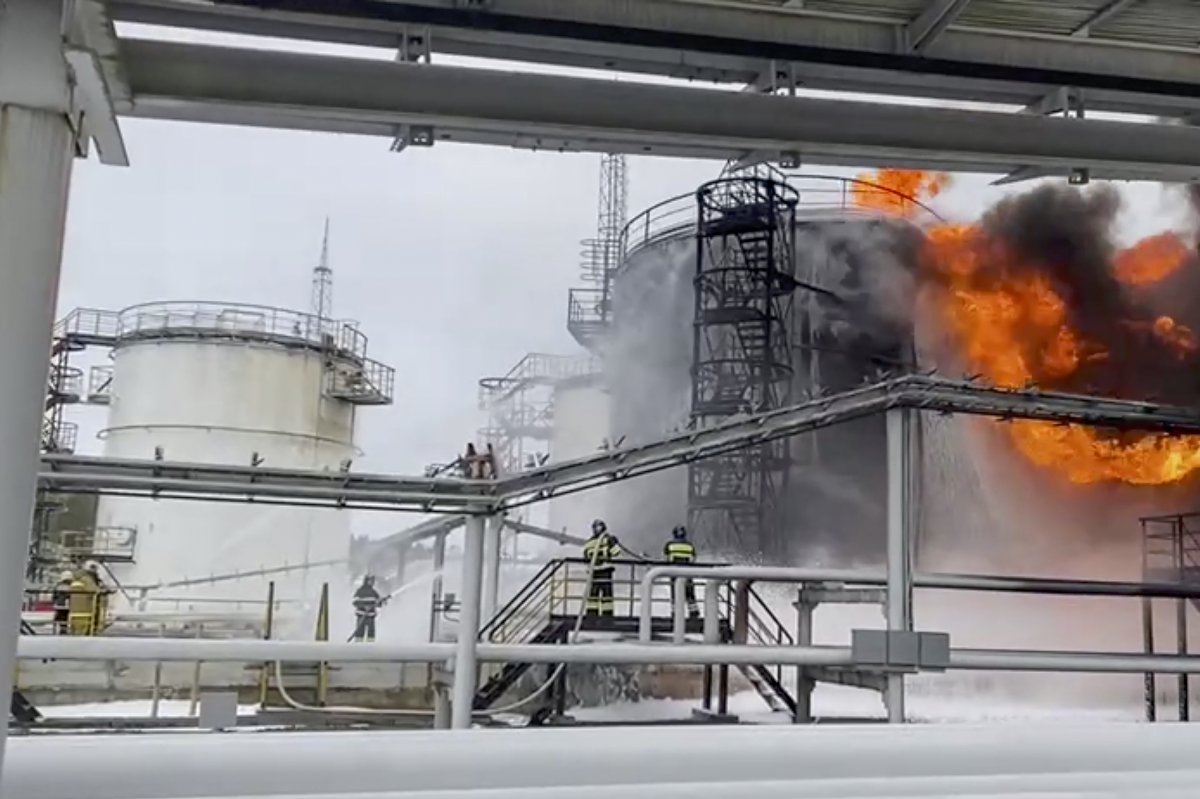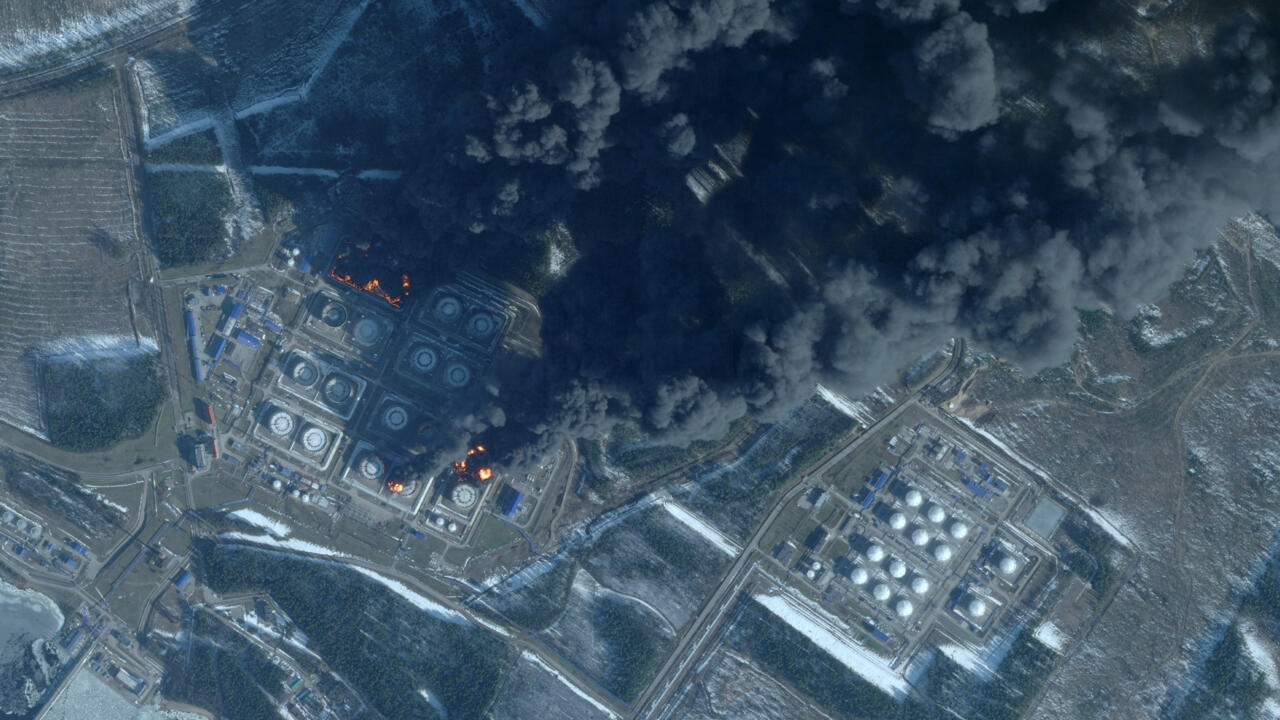
Ukrainian drones struck key oil export infrastructure at least four times in Russia’s Leningrad region on the Baltic Sea in the past week, leaving some facilities burning for days. “There’s damage at Ust-Luga port,” wrote Leningrad Region Governor Alexander Drozdenko in a March 31 post on Telegram, without providing further details on the extent of the damage. Ukraine regularly targets Russia energy and electrical infrastructure with its drones and missiles. The Ukrainian army has in fact been leading a “sustained campaign [against Russian infrastructure objects] for almost a year”, said Huseyn Aliyev, an expert on the war in Ukraine at Glasgow University. But by targeting Russian oil ports, Kyiv seems to have touched a nerve. "This is the most serious threat to exports of Russian oil and oil products since the war began," said energy analyst Boris Aronshtein, interviewed by RadioFreeEurope. Read moreEstonia and Latvia hit by drones as Ukraine unleashes massive attack on Russia Ukrainian President Volodymyr Zelensky even said on March 30 that some of Ukraine’s allies had sent Kyiv “signals” to scale back its long-range strikes on Russia’s oil sector on the Baltic Sea. The energy infrastructure that Ukraine targeted is particularly sensitive. “Russia’s oil infrastructure is very heavily focused in the western part of Europe,” said Jeff Hawn, a Russia specialist at the London School of Economics. “This was a legacy of the Soviet Union [. . .] and then later, Russia’s primary market for its energy supplies was Western Europe.” The Primorsk and Ust-Louga ports thus became Russia’s main oil terminals on the Baltic Sea. It was also these terminals that the Ukrainian army targeted in recent weeks. These two oil terminals “account for about 30% of Russian oil exports”, said Agata Loskot-Strachota, a European energy specialist at the Centre for Eastern Studies in Warsaw. The two ports are important for a “state that has pretty much become reliant on the oil industry to continue to fund the war effort”, said Hawn. Kyiv likely had the ports in its crosshairs for a long time, but it wasn’t until six months ago that “the capacity and range of Ukrainian drones significantly increased”, said Aliyev. Ukrainian drones capable of performing long-range strikes The recent drone strikes are “the natural evolution of the Ukrainian strategy, which began by targeting infrastructure near the border and in the Black Sea region because they are the easiest targets to attain”, said Aliyev. The Ukrainian army has begun striking deeper into Russian territory simply because their drones now have the capacity to do so. It’s even more natural that the Ukrainian army seriously damaged the infrastructure “closer to Ukrainian borders and within comfortable range of Ukrainian drones”, said Aliyev. The strikes also mark a “strategic change in [Ukraine’s] choice of targets”, said Will Kingston-Cox, a Russia specialist at the International Team for the Study of Security Verona. Ukraine’s previous refinery strikes were “used to squeeze processing capabilities and to create bottlenecks in [domestic] fuel production, whereas import and export terminal strikes are going after the routes [through which] Russia monetizes its hydrocarbons internationally”, added Kingston-Cox. In this context, the timing of the strikes counts. “The demand for Russian oil has strongly increased because of the war in the Middle East and the blockade of the Strait of Hormuz,” said Aliyev.
Baltic Sea strikes: How Ukraine aims to undermine Russia's oil profits from Iran war
Ukraine has in recent days intensified drone attacks on ports and refineries in Russia’s Leningrad region on the Baltic Sea. Yet Kyiv’s strategy of trying to stop Moscow from reaping the benefits of…
981 words~4 min read