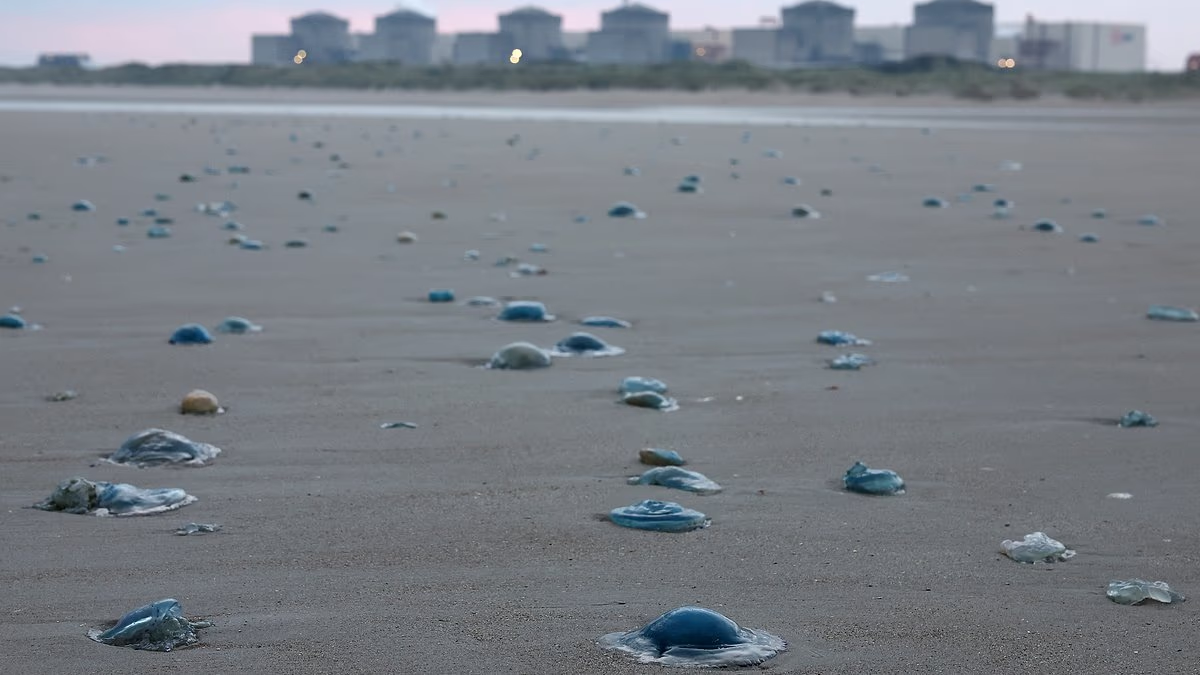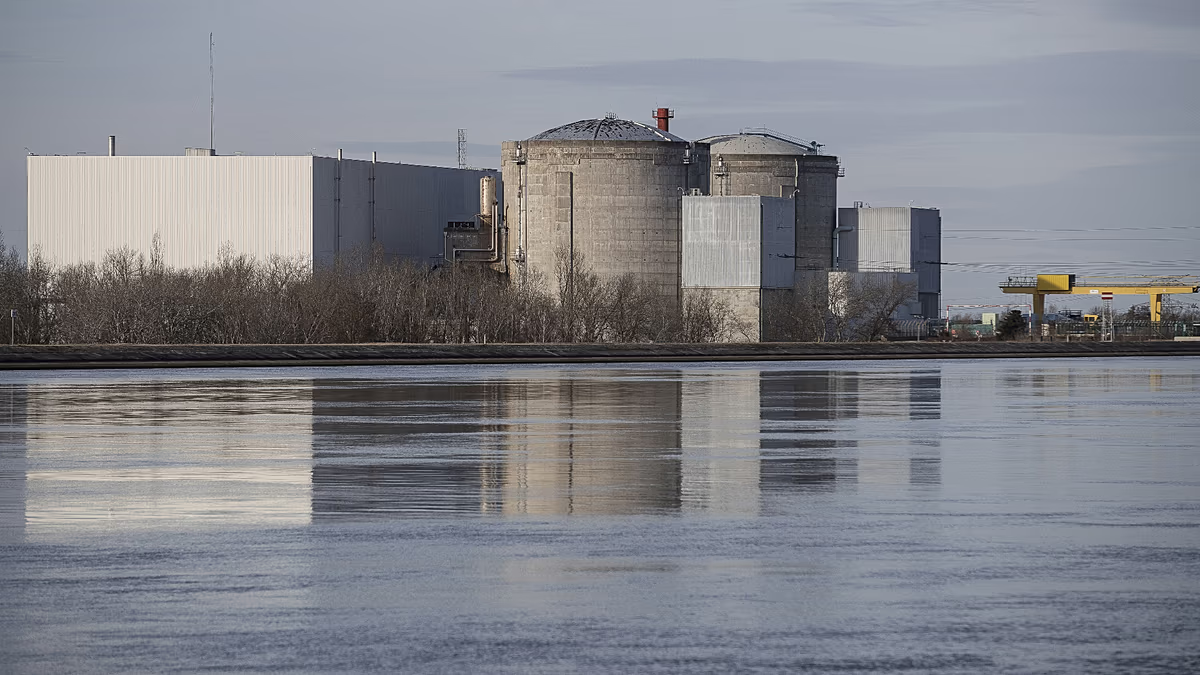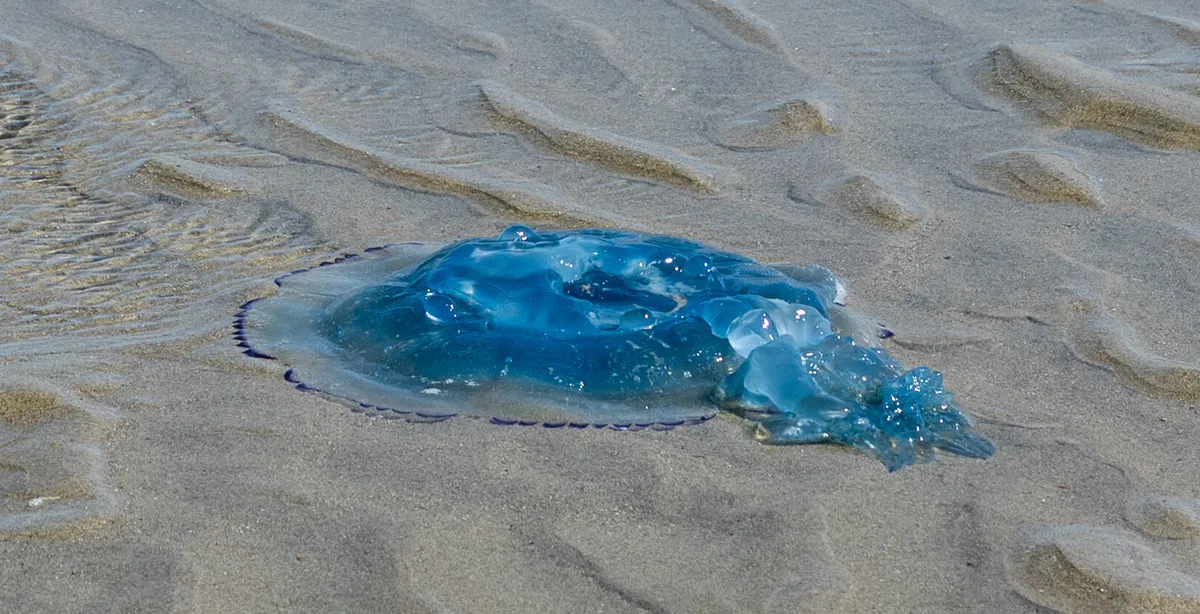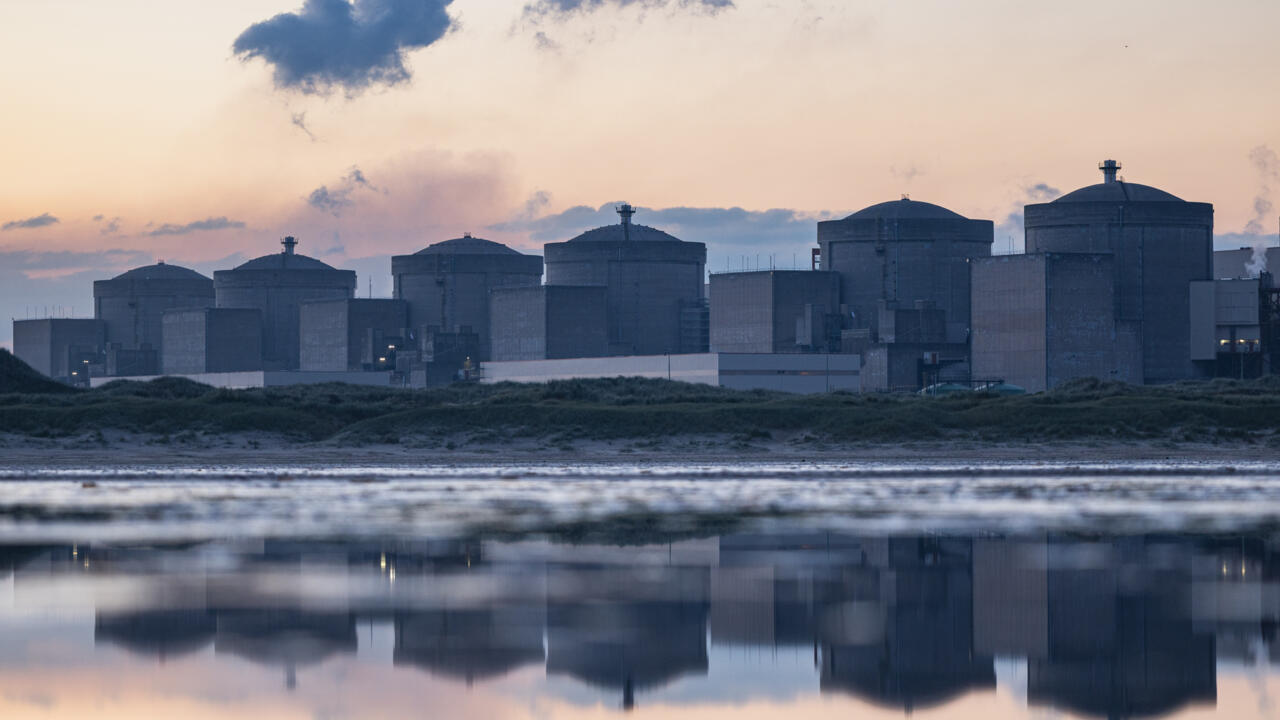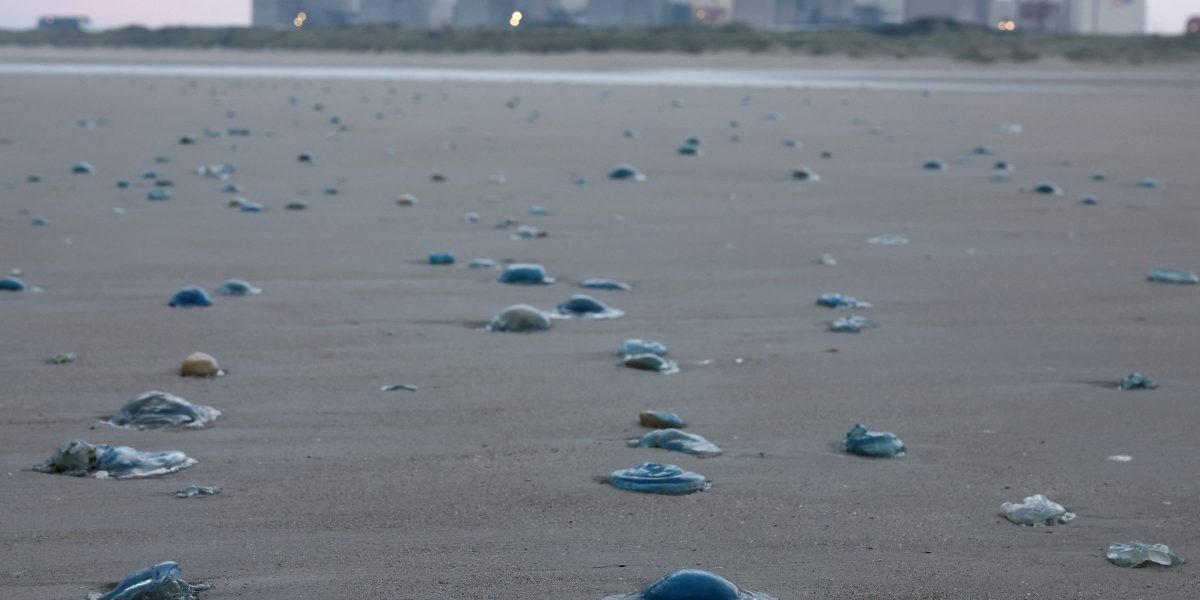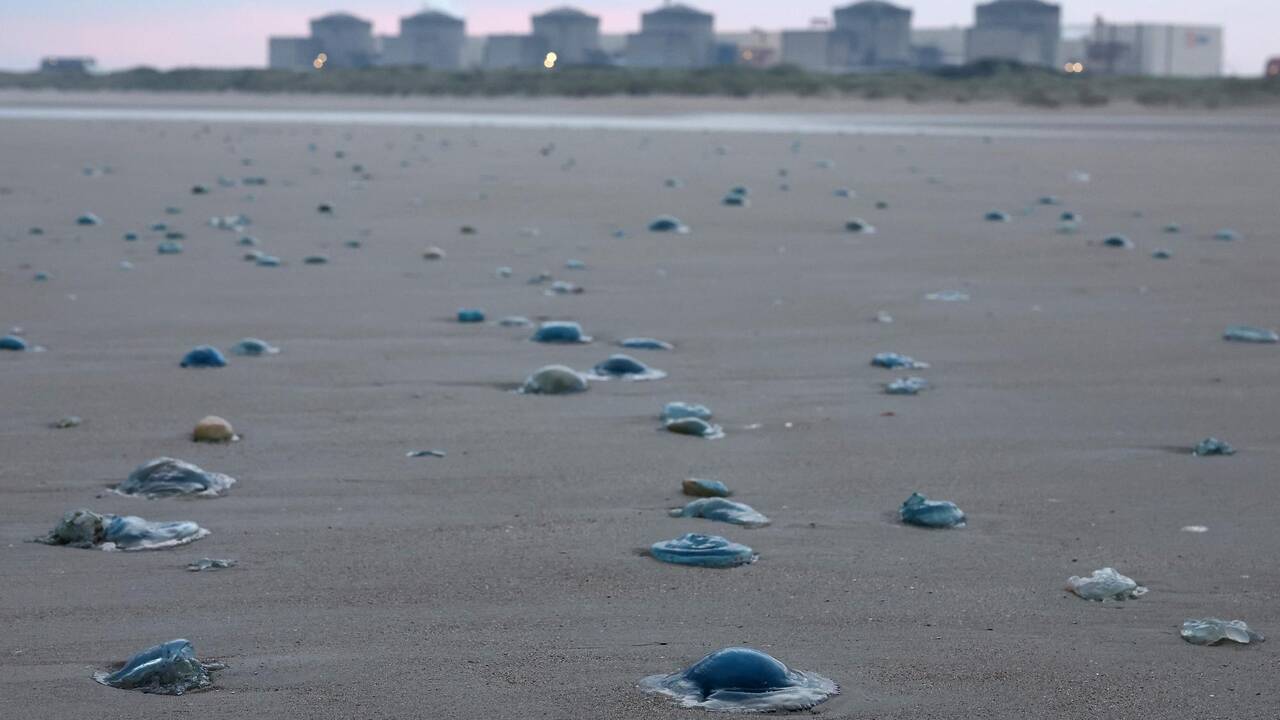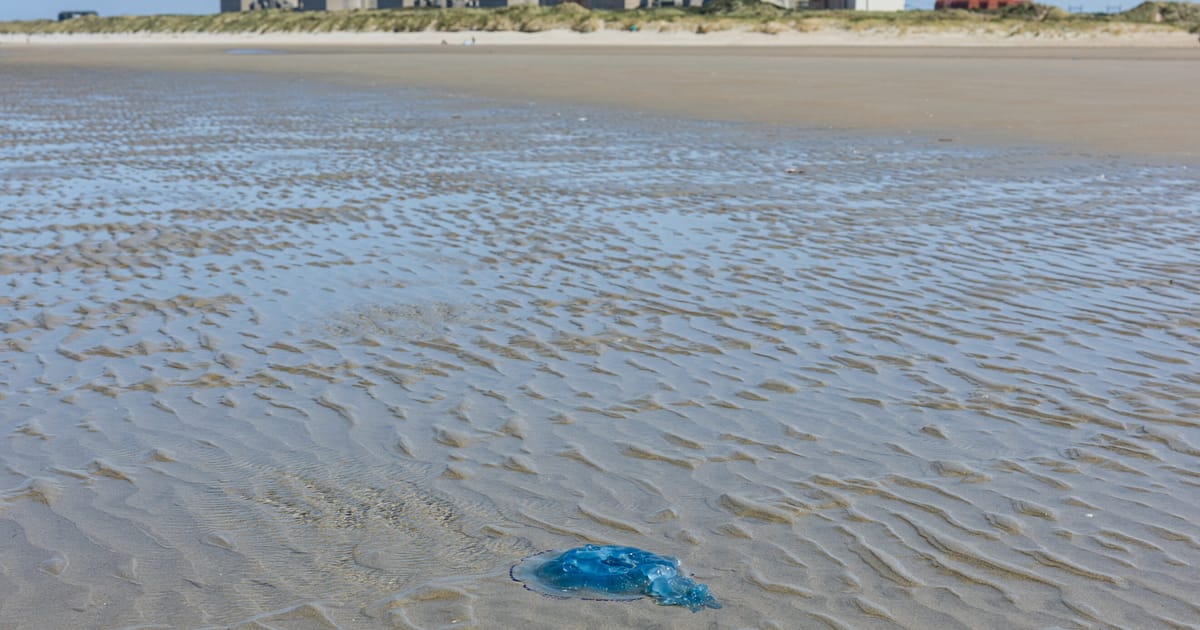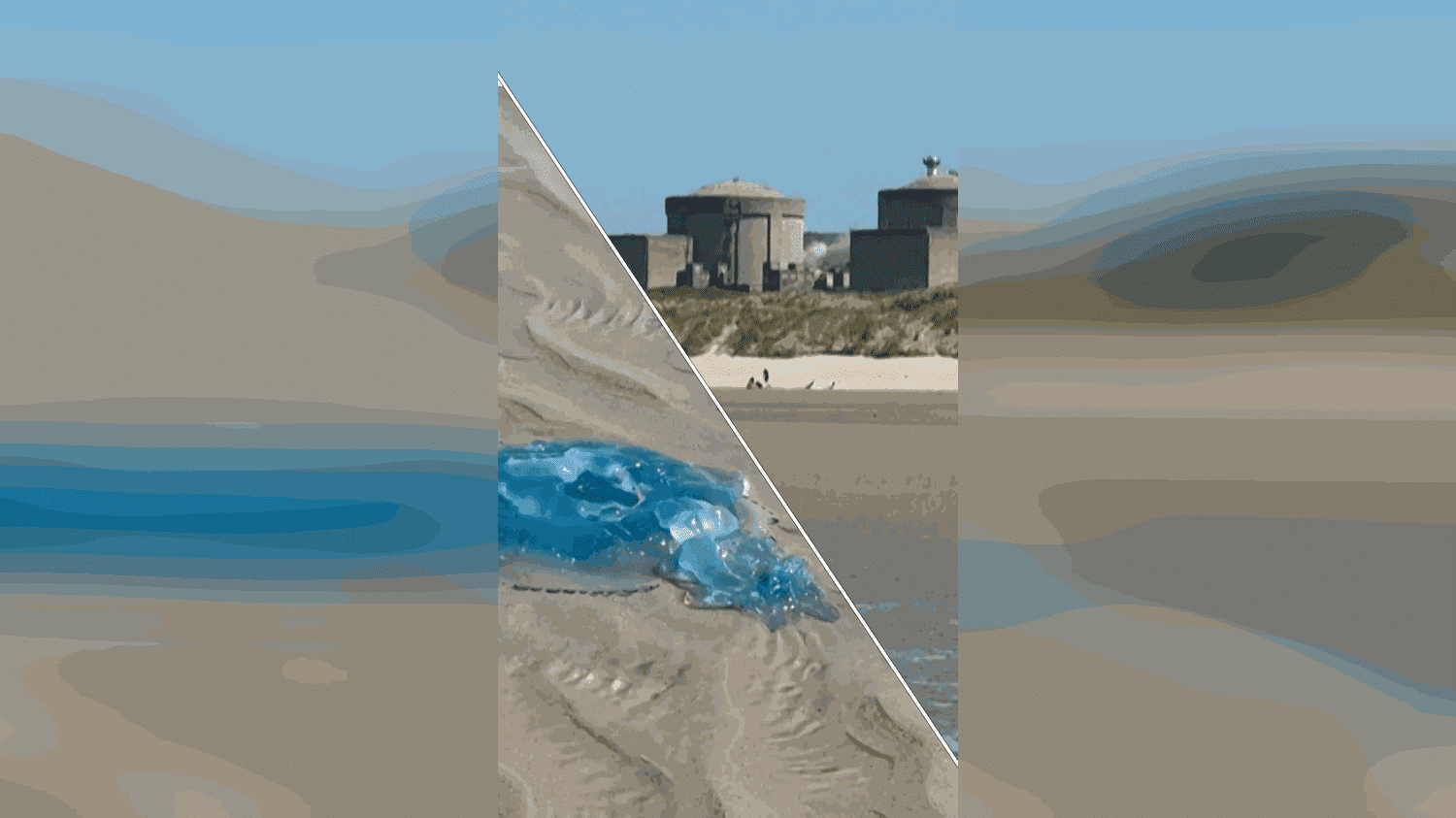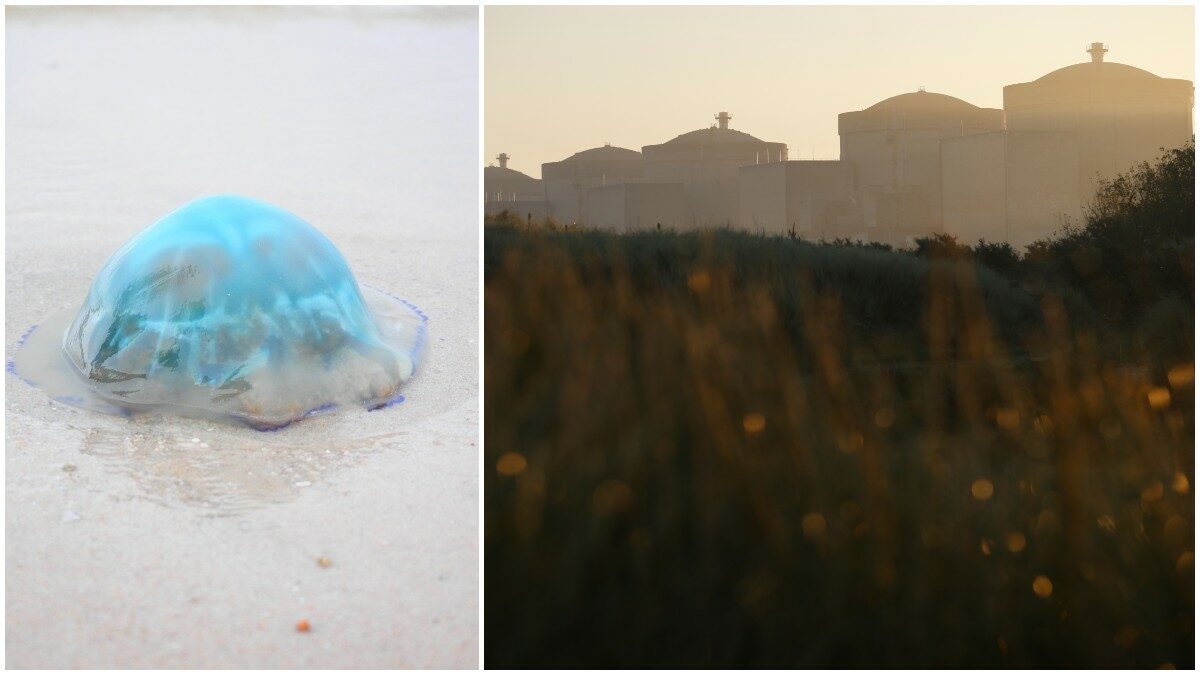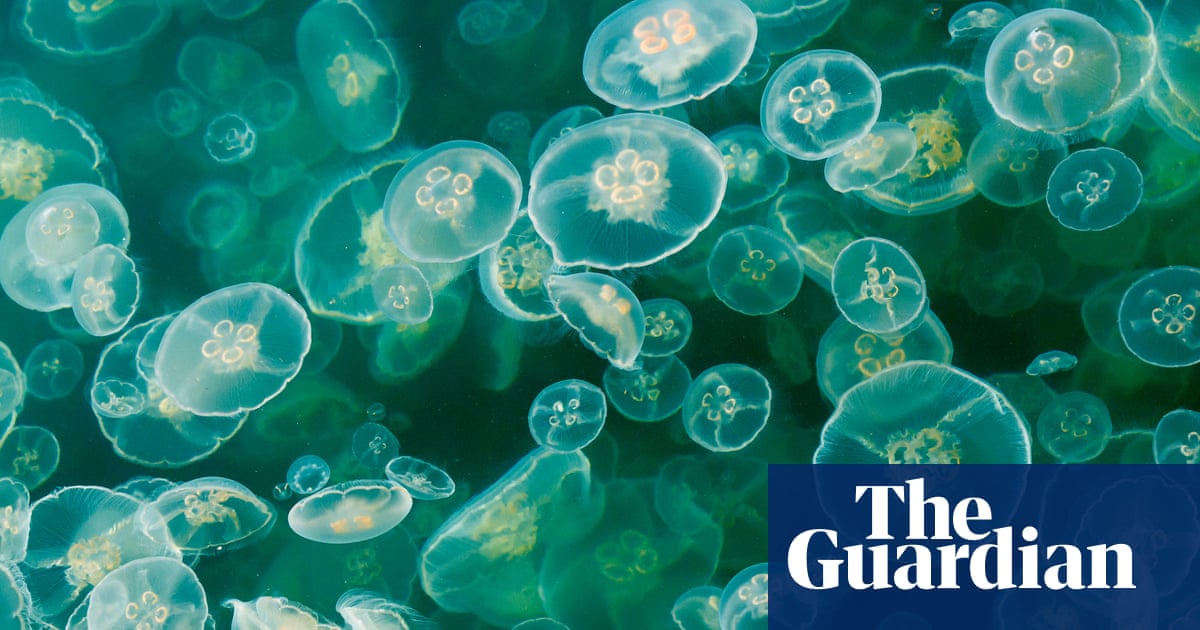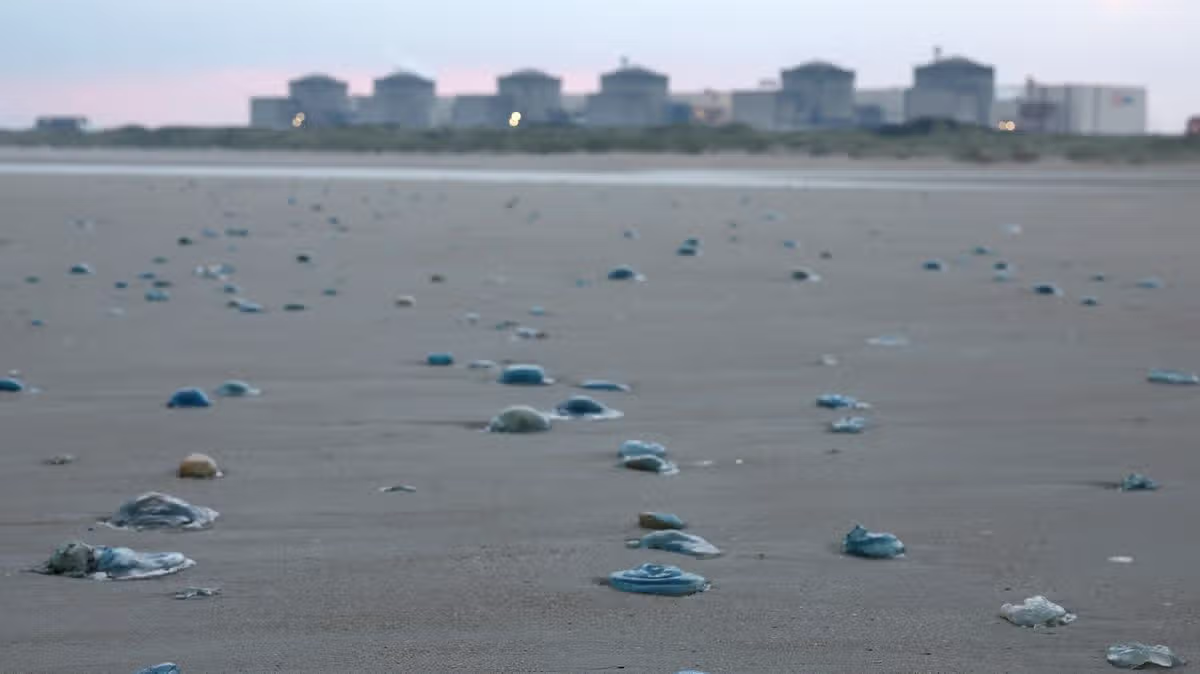
NewsUK NewsNuclear powerThe massive Gravelines nuclear power plant just 30 miles from Britain has been forced to close down in order to avoid disaster after a swarm of jellyfish got sucked into the cooling system on Monday18:38, 11 Aug 2026Western Europe’s biggest nuclear power station has been shut down after it was invaded by millions of jellyfish.EDF’s Gravelines plant near Dunkirk, just 30 miles from Britain, was forced to shut down in order to avoid disaster on Monday as the sea creatures swarmed into the plant.EDF revealed how the jellyfish had been filter drums at the seawater pumping stations, used to cool the giant nuclear reactors at the heart of the plant.The company was forced to take emergency measures, with reactors two, three and four taken offline, while output from reactor one was halved.“This situation has no impact on the safety of the facilities, the safety of our personnel, or the environment,” a statement from EDF said.Only reactor six was operating at full power on Tuesday, with reactor five previously taken offline for scheduled works.The massive Gravelines plant has six reactors and pumps out 5,400 megawatts of juice, supplying around 70 per cent of the power in northern France’s Hauts-de-France region each year.The jellyfish invasion comes exactly a year after another swarm of the creatures took the French nuclear site offline for two days.An invasive species of jellyfish, called the Asian Moon Jellyfish, have been making themselves at home in the English Channel and North Sea in 2020.The species, usually native to the Pacific, is thought to have been brought here in the ballast tanks of supertankers and dumped into the seas around France and Britain.Nuclear plants in China, Japan and India, which also rely of seawater for cooling, have previously been thrown into chaos by the slimy sea creatures. And last year power production at Gravelines came to a standstill after the jellies caused chaos.Article continues belowThe plant installed cameras monitoring the seawater intake and filters after last year’s fiasco and set up a warning system to give advanced notice of swarms heading their way.The system saw fishing boats sent out of saturday with trawler nets in an attempt to thin the numbers of the invasive jellyfish. This helped to limit the latest invasion, the engineer said.Meanwhile vacuum trucks are sucking out the jellyfish already trapped inside the plant. The engineer said that since no new jellies are arriving the plant will hopefully be back on line soon.Choose Daily Mirror as a 'Preferred Source' on Google News for quick access to the news you value.Nuclear powerAnimalsFranceEDF Energy
Major nuclear power station shut down by millions of invading jellyfish
The massive Gravelines nuclear power plant just 30 miles from Britain has been forced to close down in order to avoid disaster after a swarm of jellyfish got sucked into the cooling system on Monday
428 words~2 min read