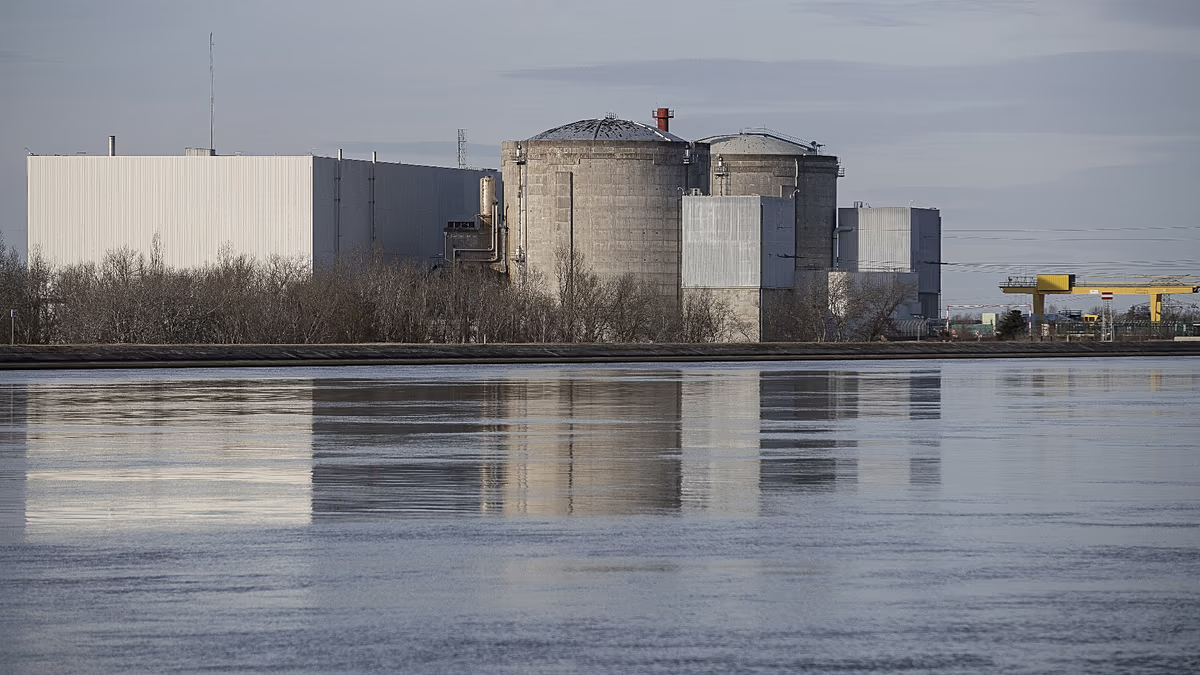
See more Daily Mail on Google - save us as a Preferred SourceBy OLIVIA ALLHUSEN, FOREIGN NEWS REPORTER Published: 13:54 BST, 11 August 2026 | Updated: 13:58 BST, 11 August 2026
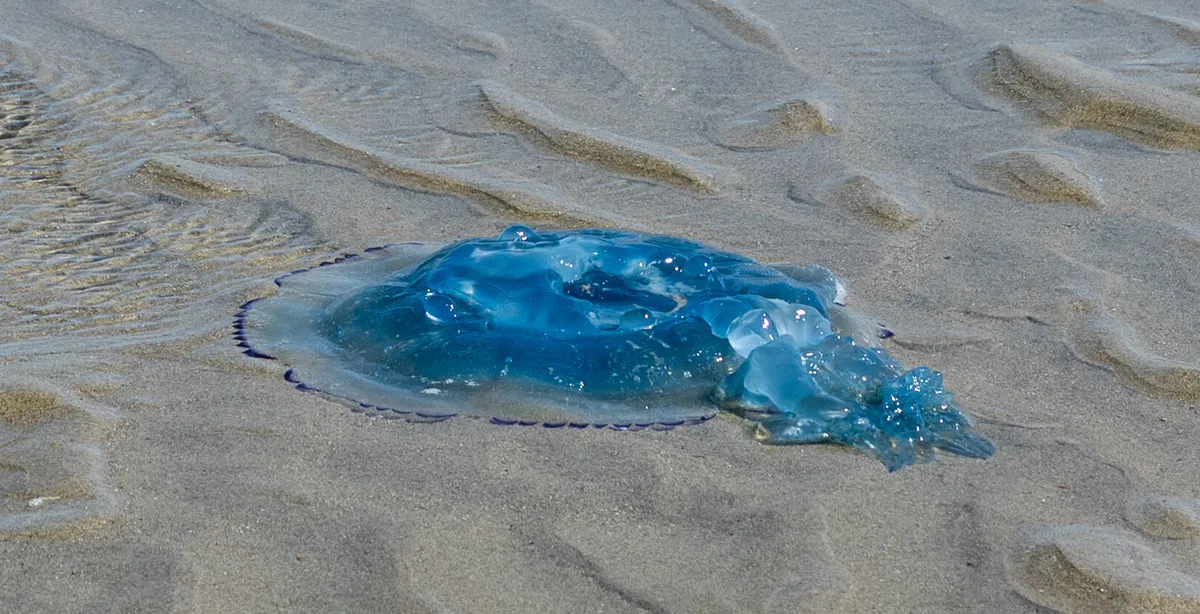
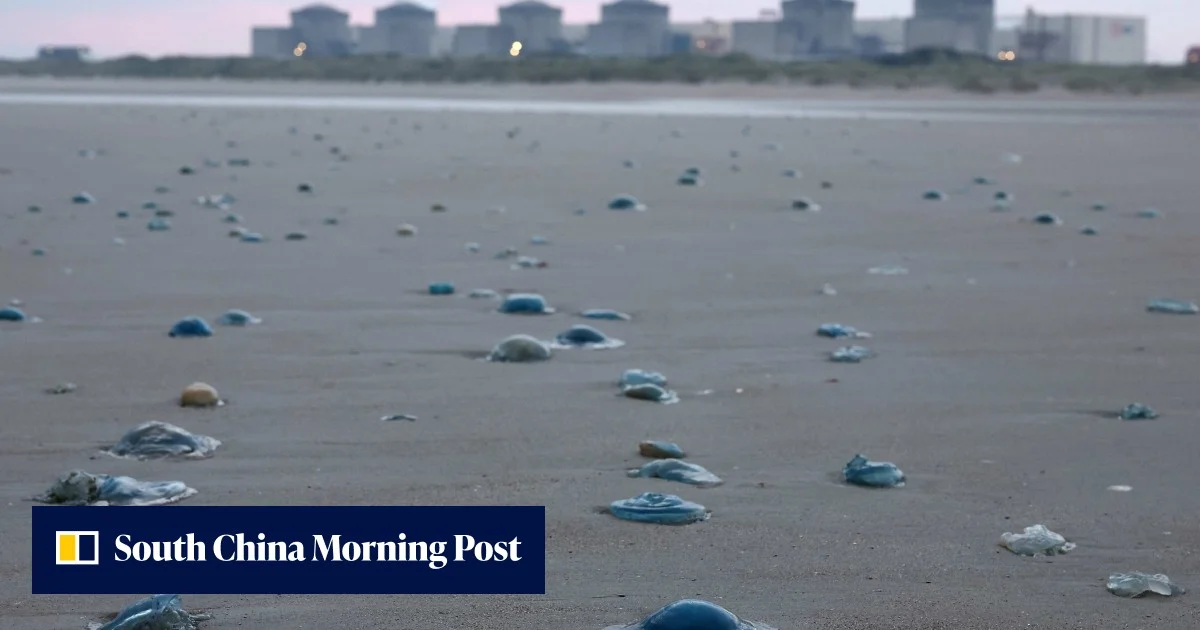
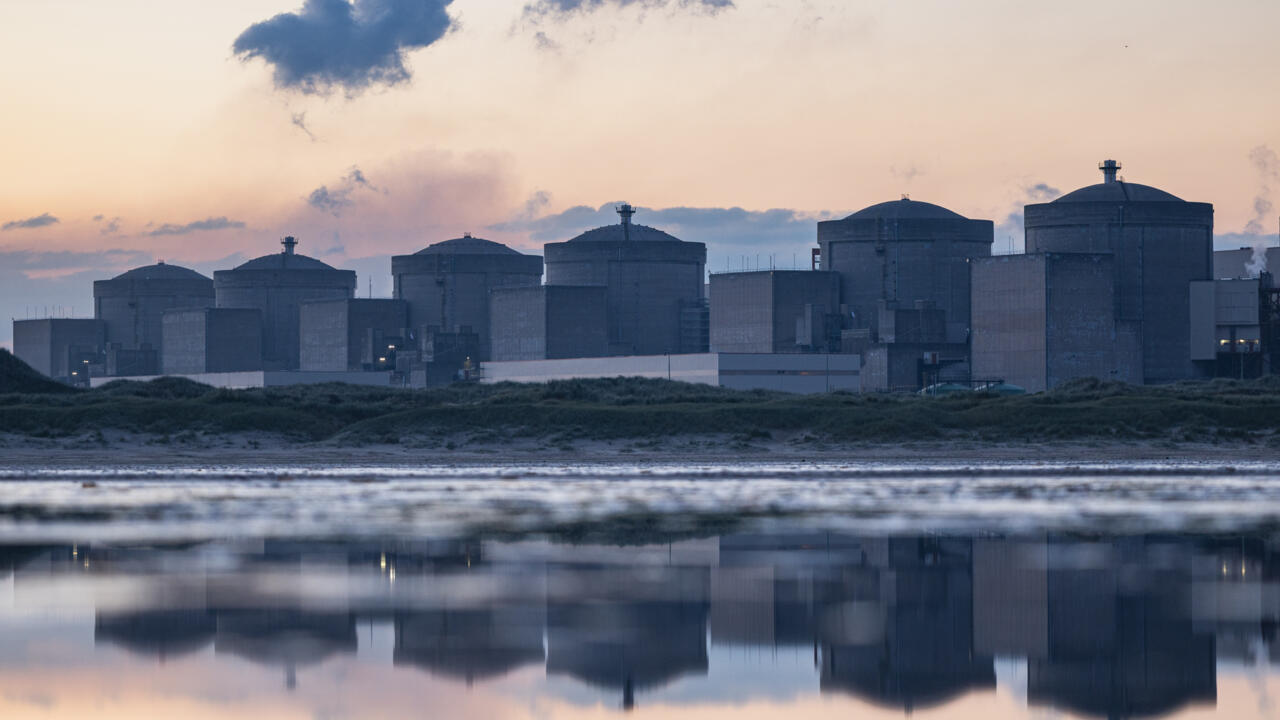
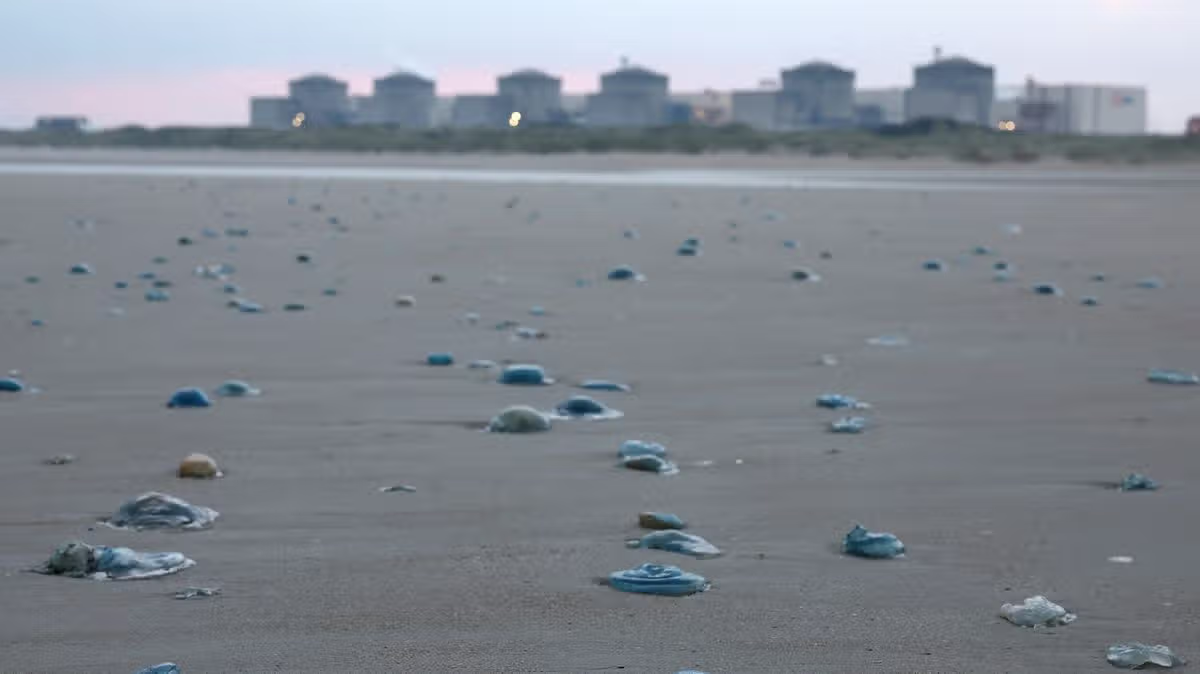
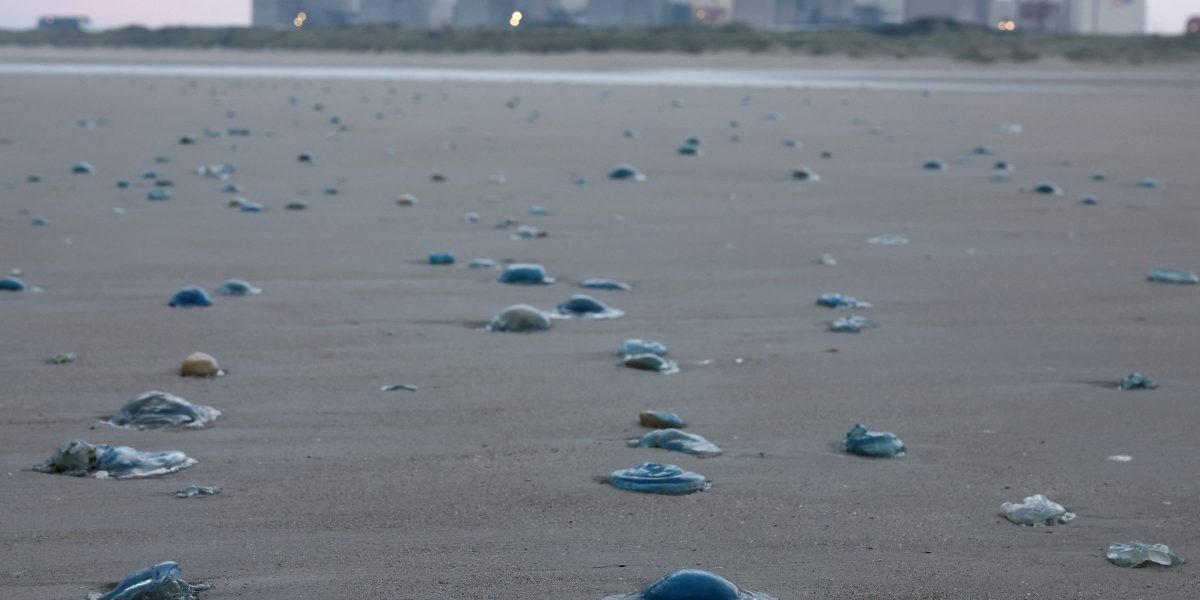
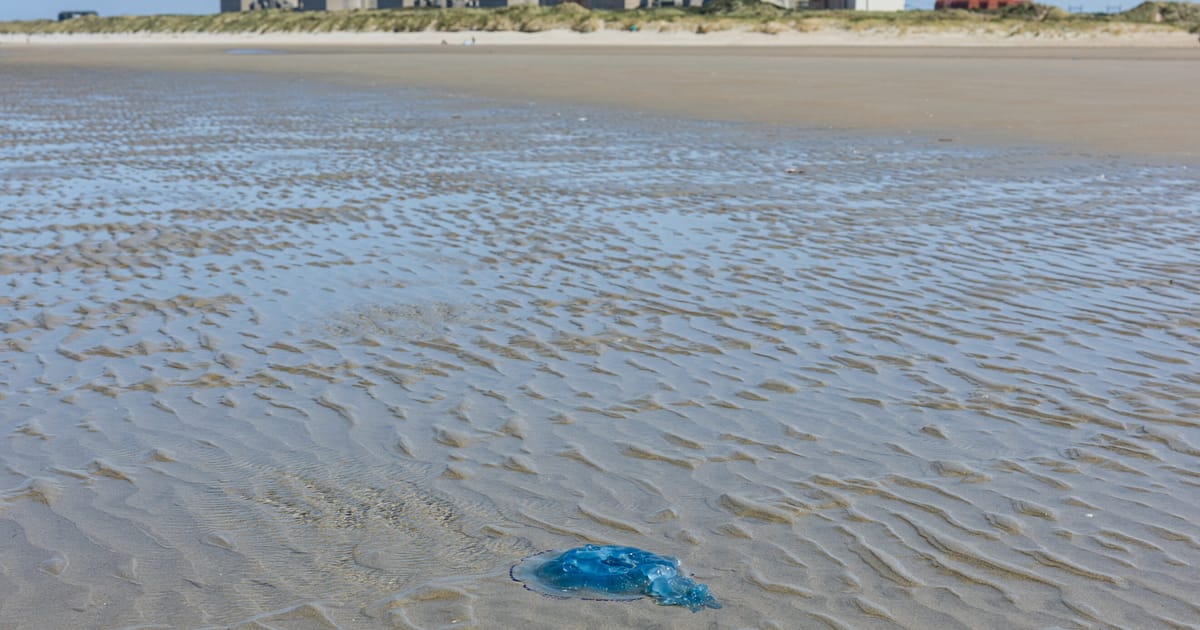
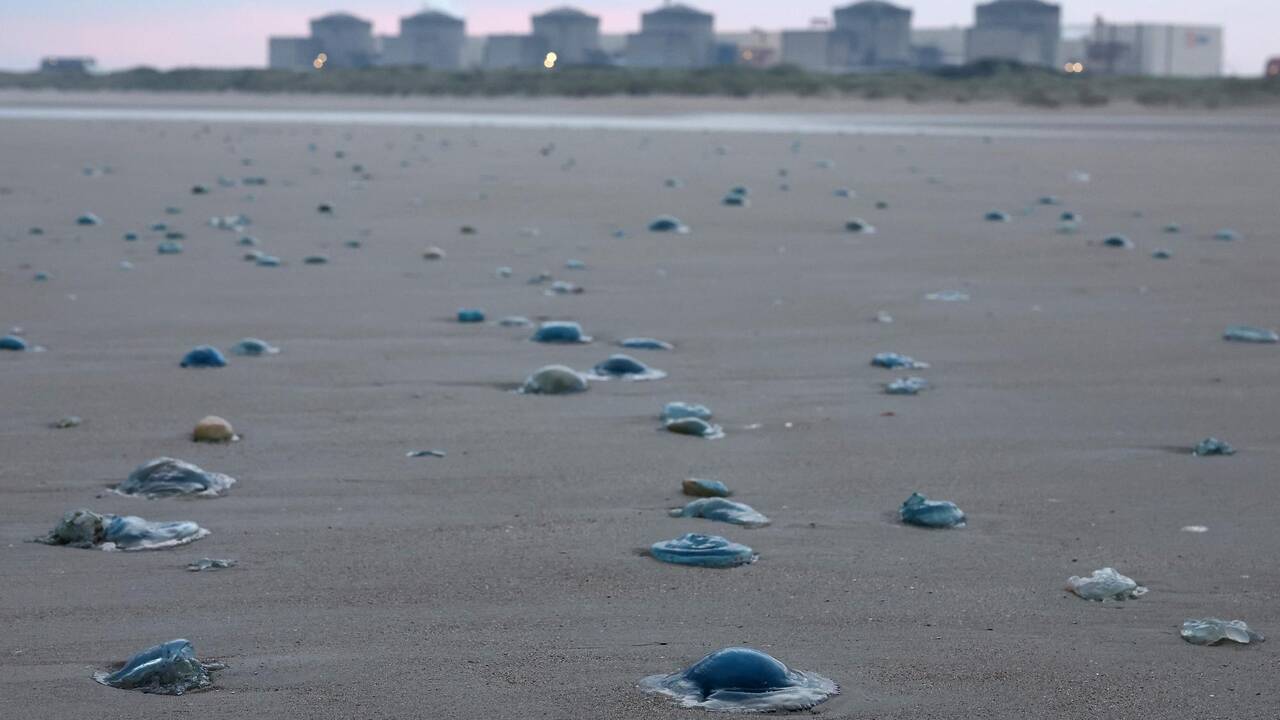
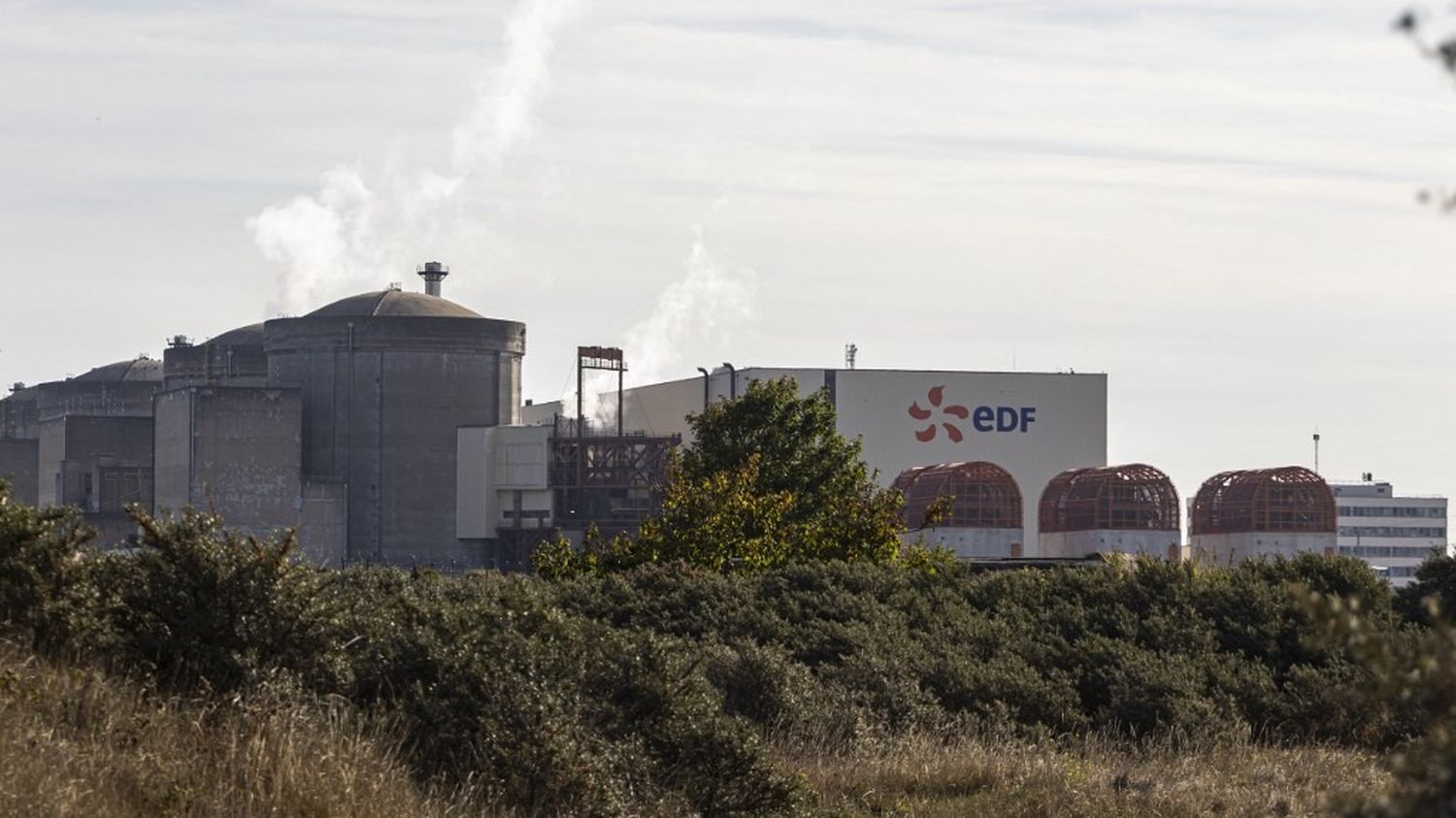
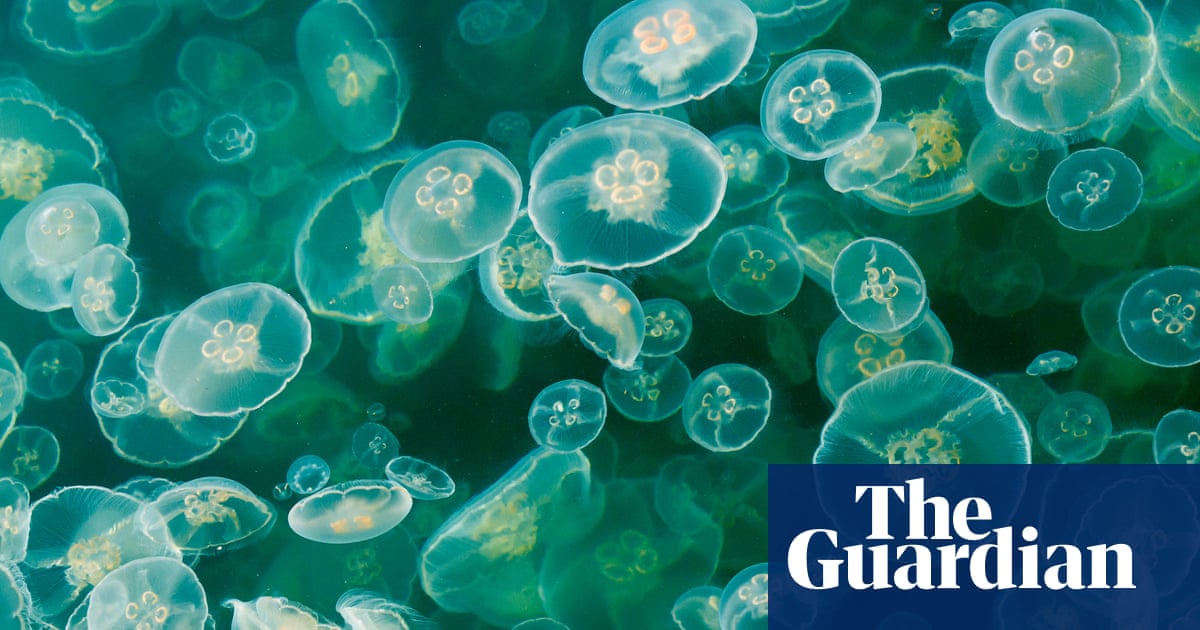
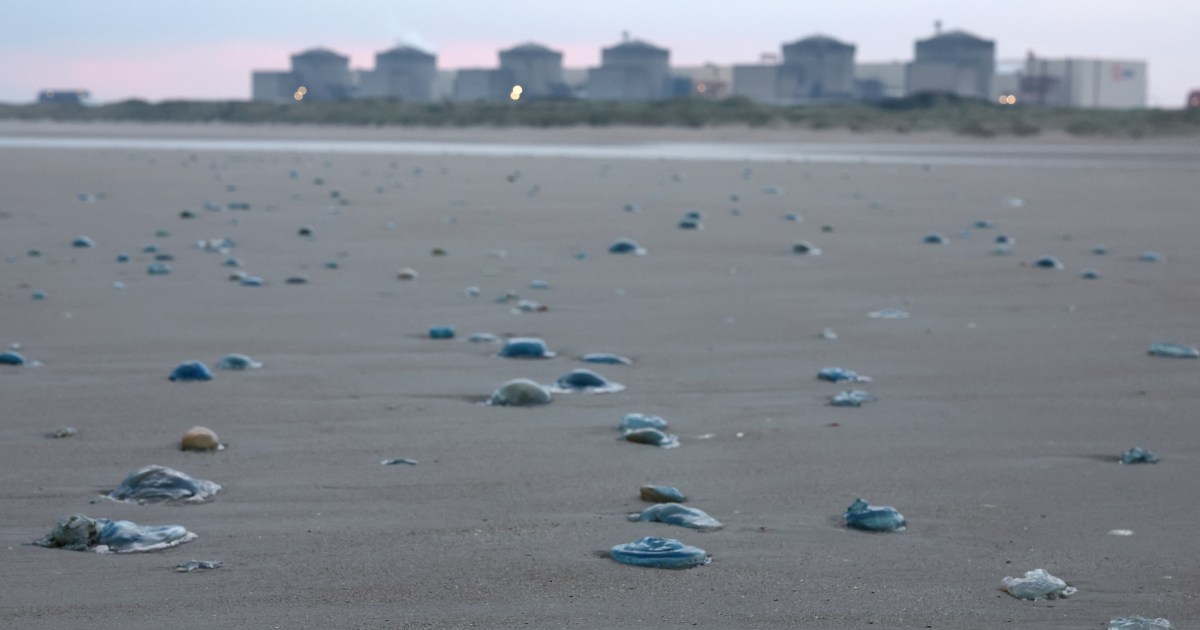
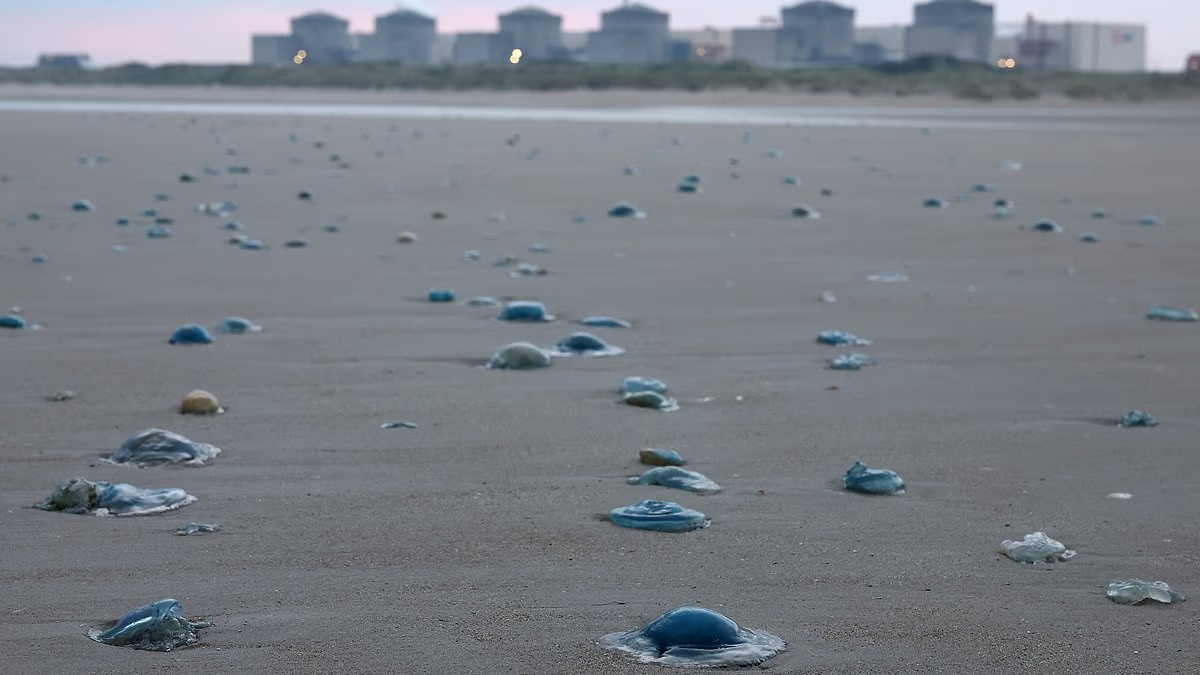
Three reactors at France's Gravelines nuclear power plant were shut down late on Monday after a massive swarm of jellyfish hit the site.The incident triggered preventative measures introduced after the entire plant was forced offline by jellyfish last year, operator EDF said. The plant in northern France is one of the largest in the country and is cooled by water drawn from a canal connected to the North Sea. Its six reactors each produce 900 megawatts of power, or 5.4 gigawatts in total.Reactors 2, 3 and 4 were taken offline because of the swarm, while reactor 1 was limited to 50 per cent of its output as a preventative measure.Reactor 5 was already offline for maintenance, while reactor 6 remains fully operational, EDF said. Last year's complete outage prompted EDF to introduce new monitoring and trawling techniques to prevent or limit the impact of future swarms.The operator has installed fixed cameras at intake canals and filter drum screens to detect incoming blockages as quickly as possible, an engineer told Reuters.EDF has also partnered with a French fishing organisation and a sea rescue organisation to monitor for swarms and raise the alarm when they approach. Three reactors at France’s Gravelines nuclear power plant were shut down late on Monday after a massive swarm of jellyfish hit the site. Pictured: Jellyfish lay on the shore near the Gravelines nuclear power plant on August 12, 2025 The incident triggered preventative measures introduced after the entire plant was forced offline by jellyfish last year, operator EDF said. Pictured: Jellyfish lay on the shore near the nuclear power plant on August 12, 2025 The Gravelines nuclear power plant is seen across the beach in Petit Fort Philippe, northern France, March 10, 2017This allows fishermen to launch targeted trawling operations to reduce the density of jellyfish before they reach the plant.Fishing boats were deployed on Saturday after an initial alarm was raised, helping to limit the impact of the swarm.Jellyfish already at the site are being removed using vacuum trucks, the engineer said.No new jellyfish are arriving and the clean-up is nearing completion, meaning the reactors should be able to restart quickly, they added.EDF said the incident had no impact on the safety of the facility, its staff or the environment.Massive swarms of jellyfish can clog filtration systems, blocking the flow of cooling water and forcing reactors to shut down to prevent overheating.While disruptive to power generation, the blockages affect non-nuclear components and trigger safety systems designed to shut reactors down before they pose a danger.Scientists warn such events could become more common due to factors including global warming, invasive species, habitat loss of predators and over-fishing.EDF is also grappling with heat-related restrictions at nuclear reactors across France as a fifth heatwave is expected to intensify throughout the week and curb the country's nuclear output.One reactor in northern France has been offline for much of the summer because of low river levels, while another has had limited restarts and remained largely offline for most of July.