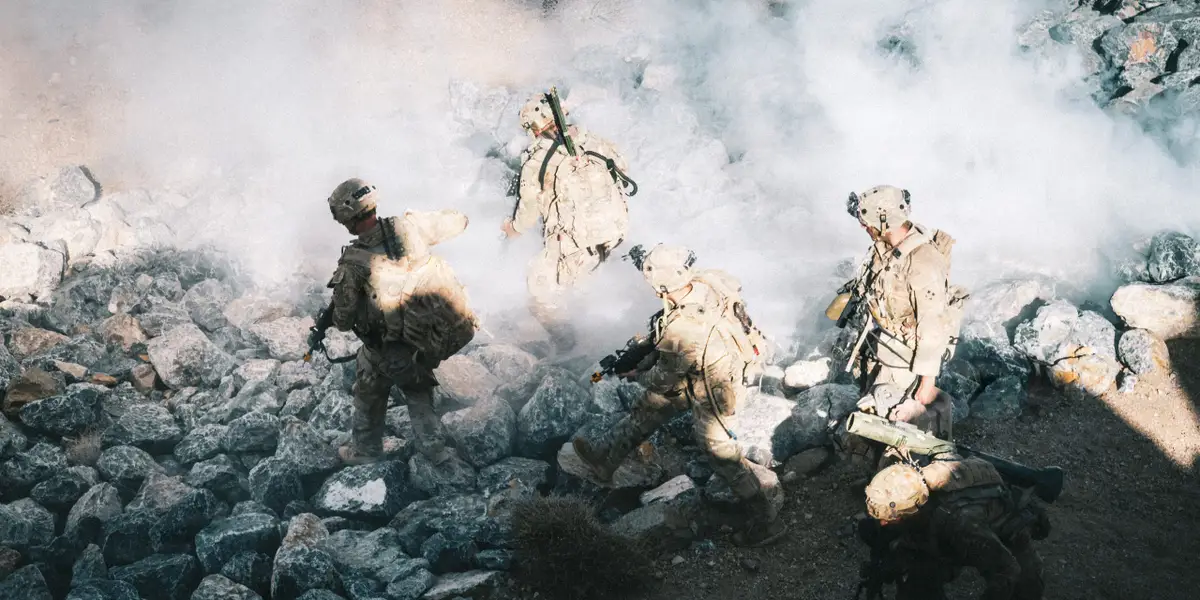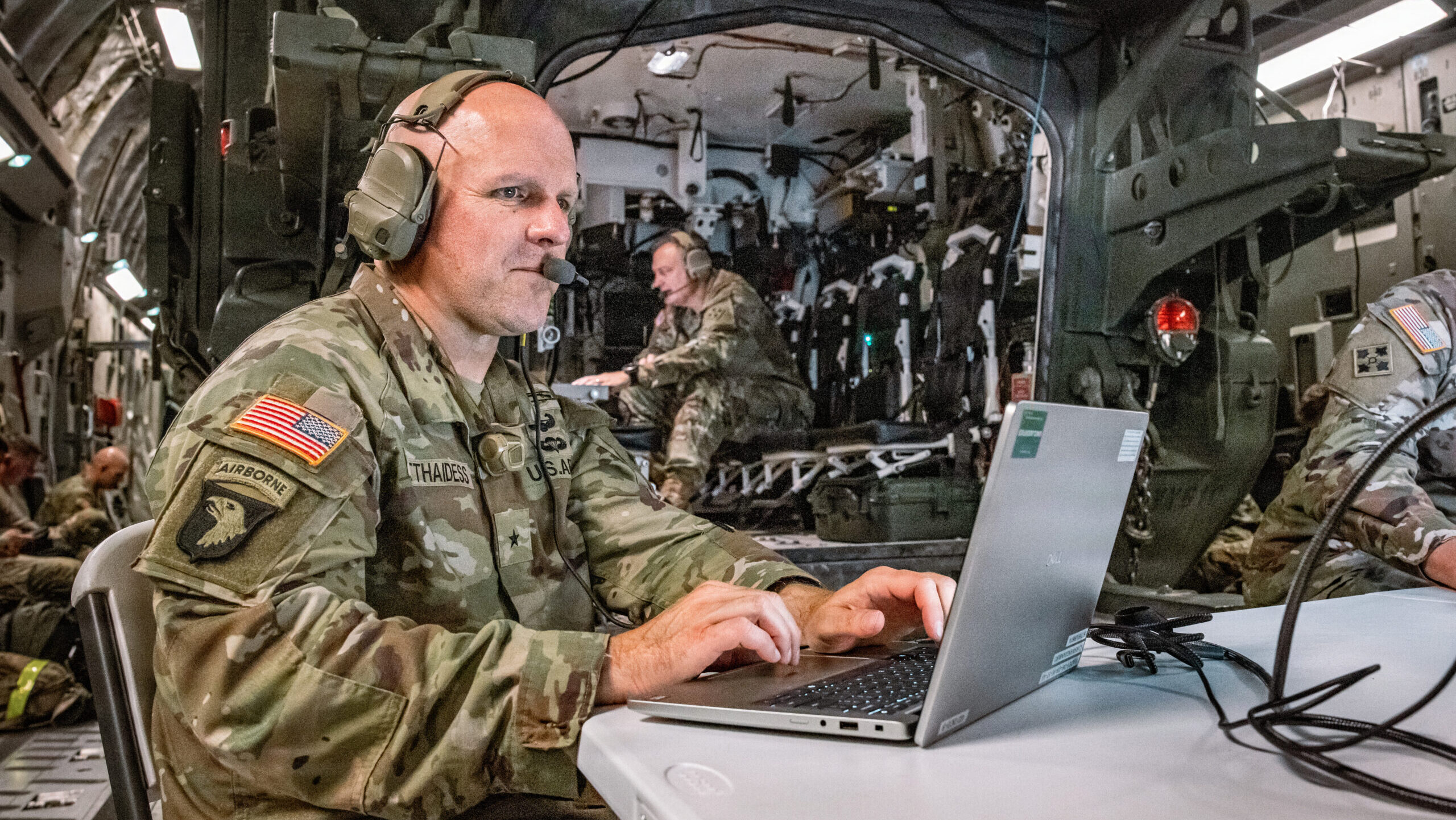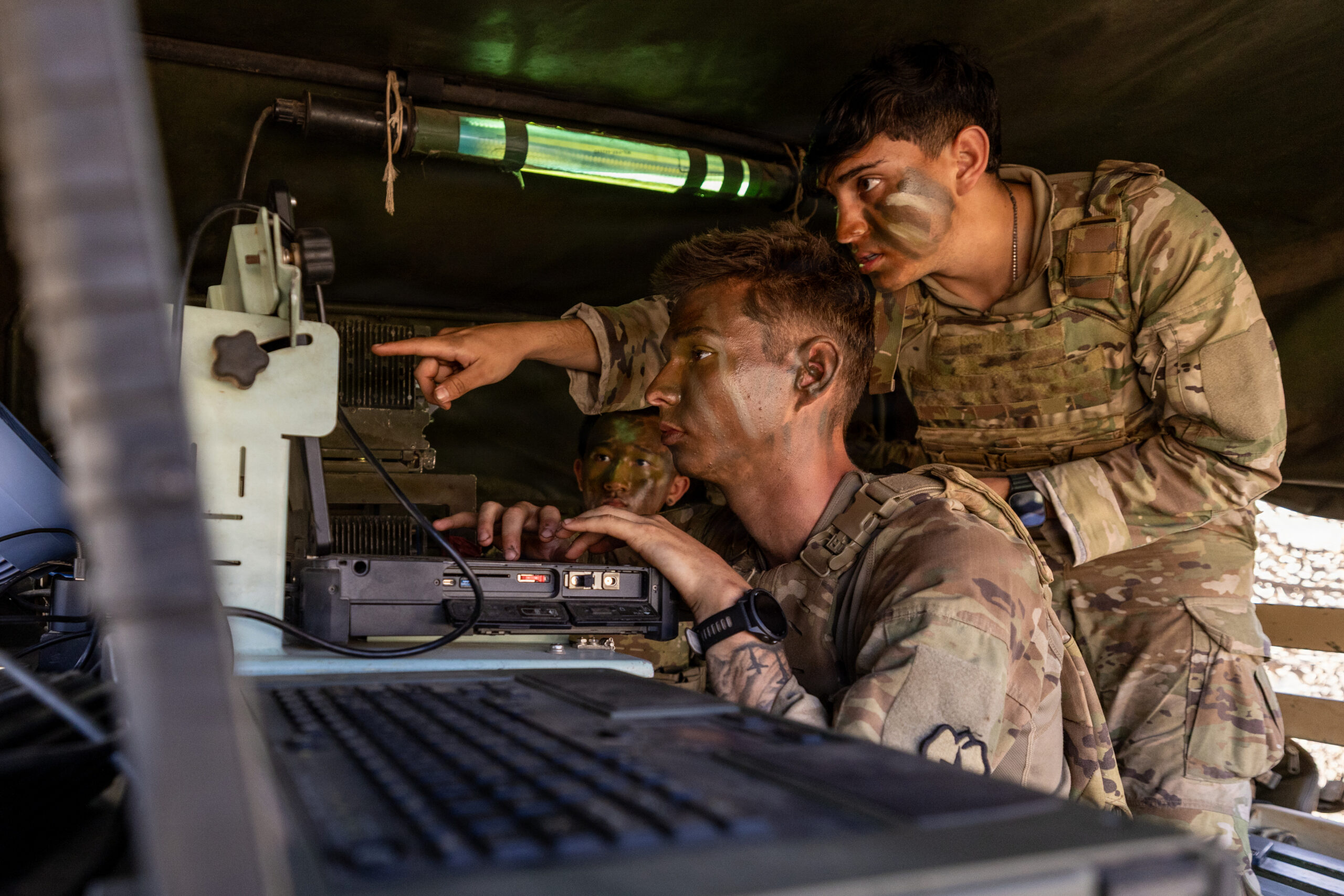
The Army’s work with the 25th Infantry Division (ID) in Hawaii is providing an operational test bed for Next Generation Command and Control (NGC2), bringing soldiers, software developers, and technology providers together to rapidly refine capabilities in the field.
Through a series of Lightning Surge exercises, the 25th has tested an open architecture that connects sensors, fires, airspace, and other data while allowing developers to respond to soldier feedback with software changes in hours or days. Lockheed Martin is the Full Stack Operational Implementation Lead for the Army’s 25th ID.
The goal is to replace platform-specific systems and lengthy development cycles with a modular approach that can add new technologies quickly, use artificial intelligence (AI) to support faster decisions, and extend lessons from the 25th ID across the Army. In this Q&A, Breaking Defense discusses the effort with Chandra Marshall, vice president and general manager for Multi-Domain Combat Solutions at Lockheed Martin.
Breaking Defense: What specifically is NGC2 intended to change for the Army? What problems does it solve for warfighters that they couldn’t solve before or took too long to solve?
Chandra Marshall is vice president and general manager for Multi-Domain Combat Solutions at Lockheed Martin.