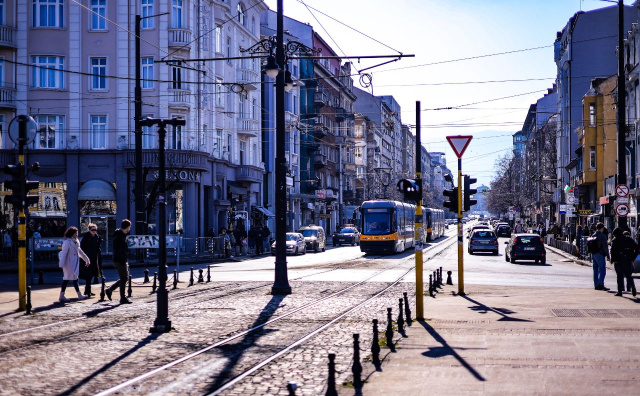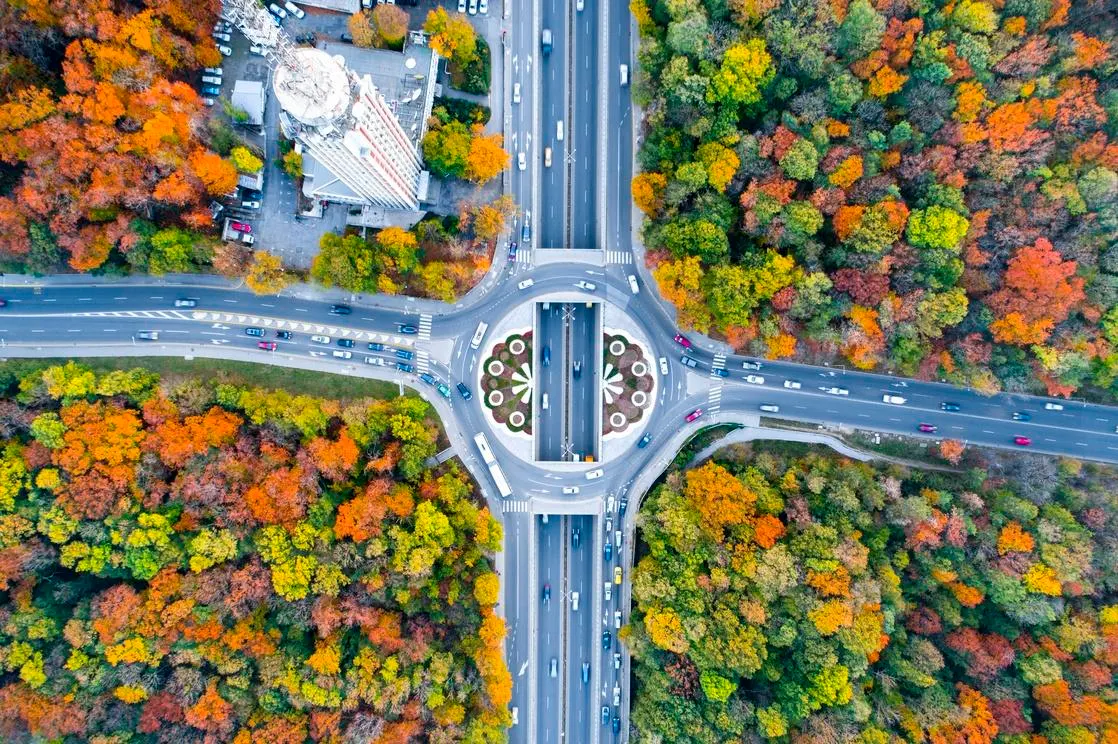
A traffic circle in Sofia, Bulgaria—its newish digital nomad visa could be a great way to work overseas and explore the region.gettyOver 66 countries offer digital nomad visas for Americans to live, work and travel overseas (a 1-year term is standard, but many can be renewed once or twice), provided you have income from outside the country in question.Bulgaria doesn’t often feature heavily on the lists of best places for digital nomads in Europe—those accolades usually go to Spain, Portugal, and Greece.It may be time for Greece’s neighbor, Bulgaria, however, to get a little attention, particularly as it recently added a new visa to its canon, one that allows digital nomads to work there easily.Lonely Planet describes Bulgaria as “soul-stirring mountains rivaling golden beaches, while cities hum with nightlife and art.” There is also a lot of great hiking and skiing.CNTraveler calls it one of “Europe’s most underrated travel destinations” with its “gorgeous Black Sea beaches and ancient Balkan Mountain villages”. It has far fewer tourists and the cost of living is attractive, making it one of Europe’s most affordable countries.Plovdiv, Bulgaria’s second-largest city today, is one of the oldest still-inhabited cities in the world, with archaeological evidence of life dating back to 4,000 BCE. The Romans incorporated the city into their empire in the first century; it became part of the First Bulgarian Empire in the ninth century and was a European Capital of Culture in 2019. That means visitors rub shoulders with its ancient ruins while navigating its modernity.Bulgaria’s Digital Nomad VisaAs in many countries, the visa is not officially called a digital nomad visa—it is called a Type D visa, and applicants apply through a consulate before arrival. It is open to non-EU/EEA remote workers, freelancers, and entrepreneurs who earn income outside Bulgaria. This is key—like most digital nomad visas, you cannot take work from local people or offer services to Bulgarian businesses.It is valid for one year, and you must provide proof of accommodation, health insurance, a clean criminal record and sufficient financial resources. It can be renewed once.As for ‘sufficient,’ there doesn’t appear to be a fixed threshold, but €25,000–€30,000/year is the ideal minimum you need to be earning (approximately $29,000 to $35,500). Officials may base acceptance on a calculation, which EuroNews says is whether your earnings exceed 50 times Bulgaria’s minimum monthly wage, which is currently around €620 (or $709). Your local consulate will be able to help further.Benefits Of Bulgaria’s Digital Nomad VisaOne of Bulgaria’s key offerings is its everyday affordability in terms of cost of living. Eurostat identifies Bulgaria as having some of the lowest housing costs in the EU, and its household consumption price level is about 63% of the 2025 European average. These figures compare the cost of consumer goods and services after accounting for currency differences and price levels. Only Romania and Poland were higher.It also has a relatively inexpensive minimum monthly requirement for a digital nomad visa. By comparison, Spain’s digital nomad visa requires proof of earnings exceeding $39,036, and Portugal requires $42,132.Citizen Remote notes a flat 10% income tax rate (if you become a tax resident), reliable internet, and growing nomad-friendly hubs in cities like Sofia, Plovdiv, and Bansko.The biggest driver, though, is that this visa allows you to travel freely within the Schengen area, 29 countries, including 25 EU member states (not Ireland nor Cyprus) plus Norway, Liechtenstein, Switzerland and Iceland.Since 1 Janaury, 2026, Bulgaria has also used the euro, making it more convenient than ever to travel there.Drawbacks Of Bulgaria’s Digital Nomad VisaThe application process is drawn out because you need to apply from outside Bulgaria and then submit a second application upon arrival (within 14 days). This means the process is not as frictionless as it is in other EU countries.Bulgaria may not offer the polished infrastructure or established digital nomad ecosystem of countries such as Spain or Portugal, and it may not be the most accessible in terms of minimum monthly income requirements (as in Finland), but its affordability is one advantage of this digital nomad visa. For remote workers looking to explore a less-developed digital nomad path in Europe, it offers Schengen access, mountains, beaches, historic cities and growing nomad hubs—making it a destination with plenty to offer.MORE FROM FORBESForbesHow Useful Is Your Passport In 2026 For The Best Global Mobility?By Alex LedsomForbesTraveling To Europe? ETIAS Is Delayed As EES Queues BiteBy Alex LedsomForbesThree Destination Dupes For Europe’s Most Crowded HotspotsBy Alex Ledsom
Why Bulgaria's 2026 Digital Nomad Visa Is Worth Considering
Looking to live in Europe? Bulgaria's digital nomad visa could be a good option for exploring the region—a lot less popular than Spain or Portugal and more affordable.
741 words~3 min read