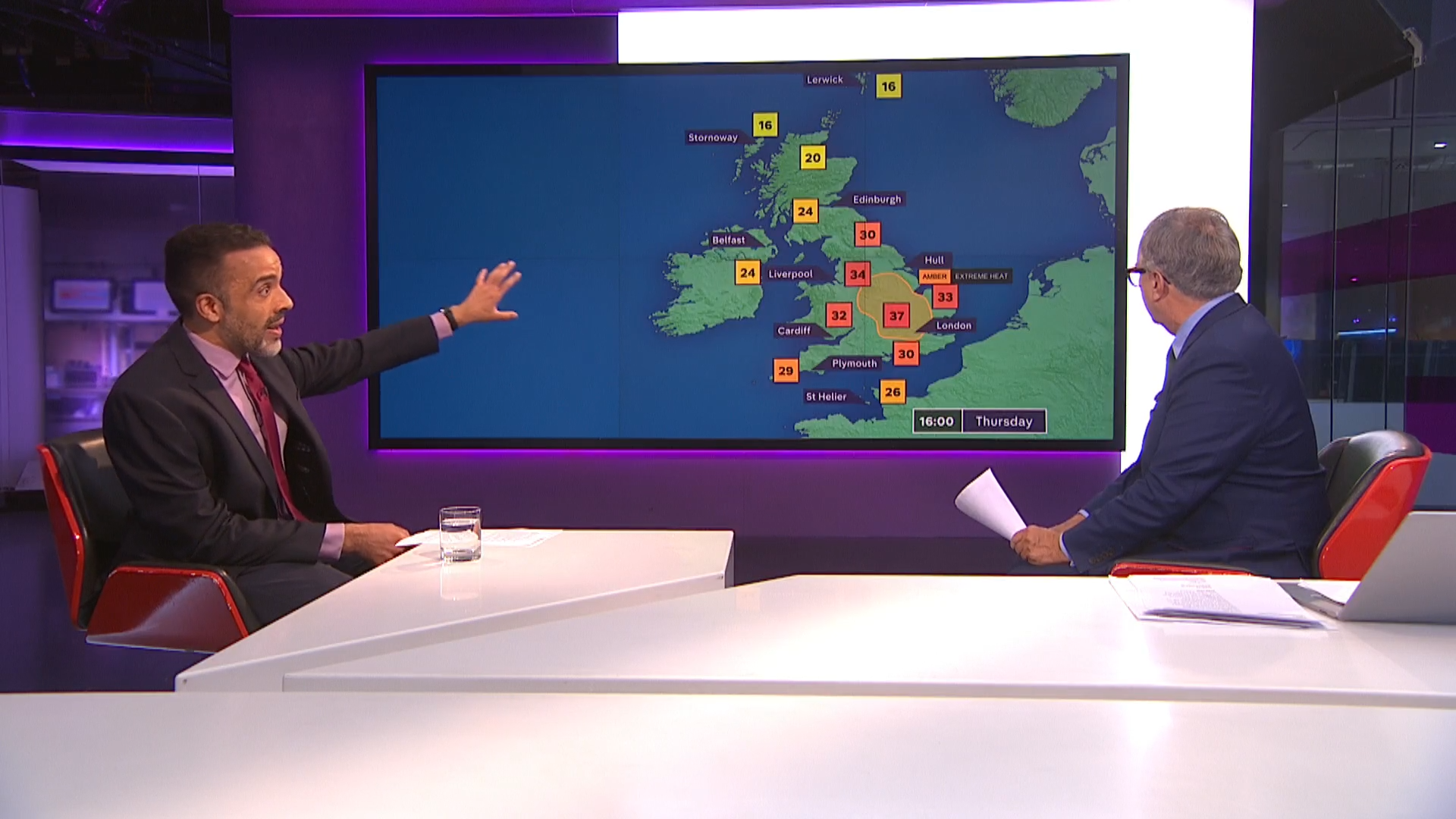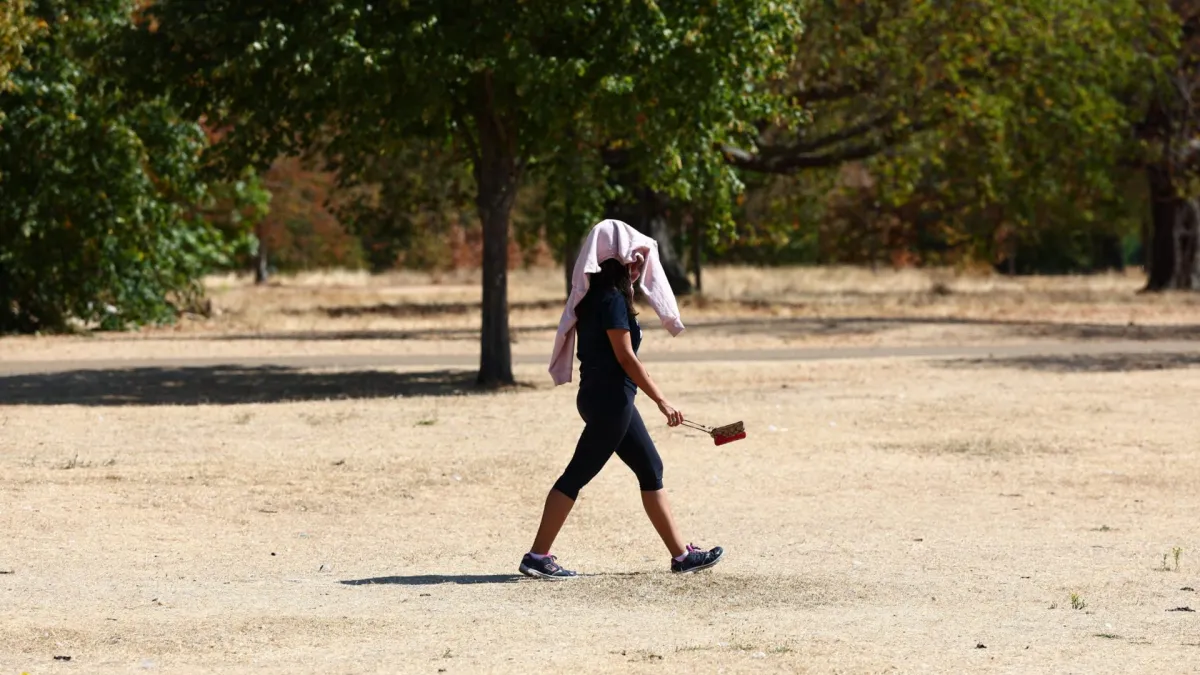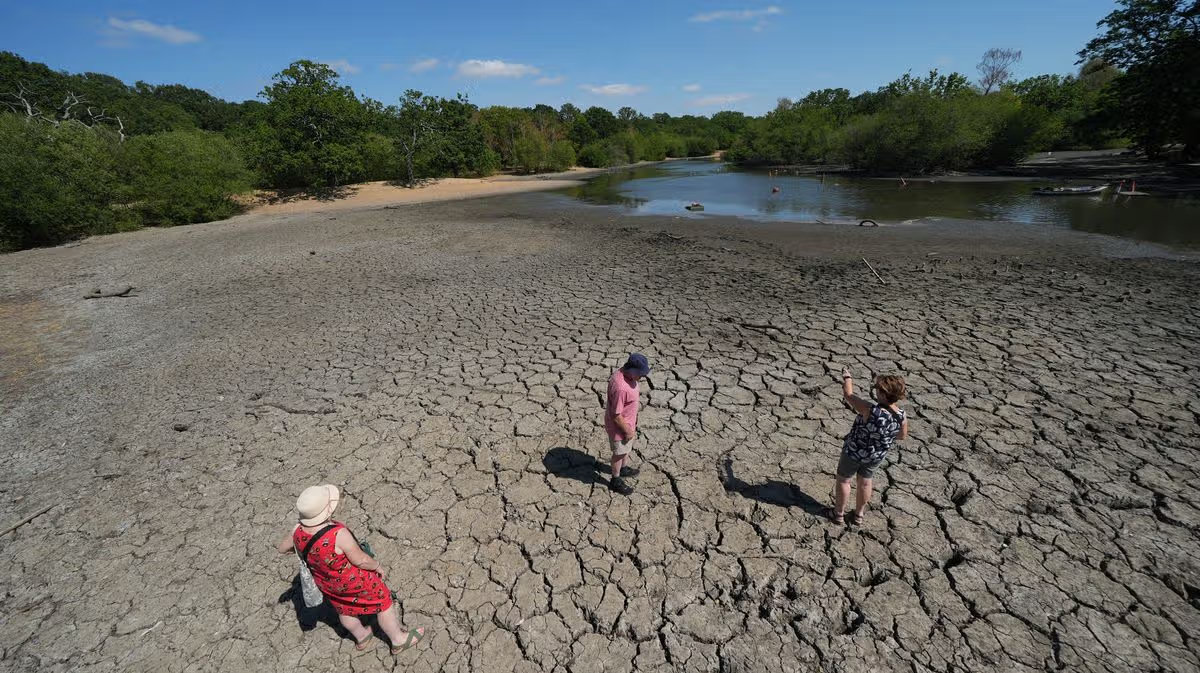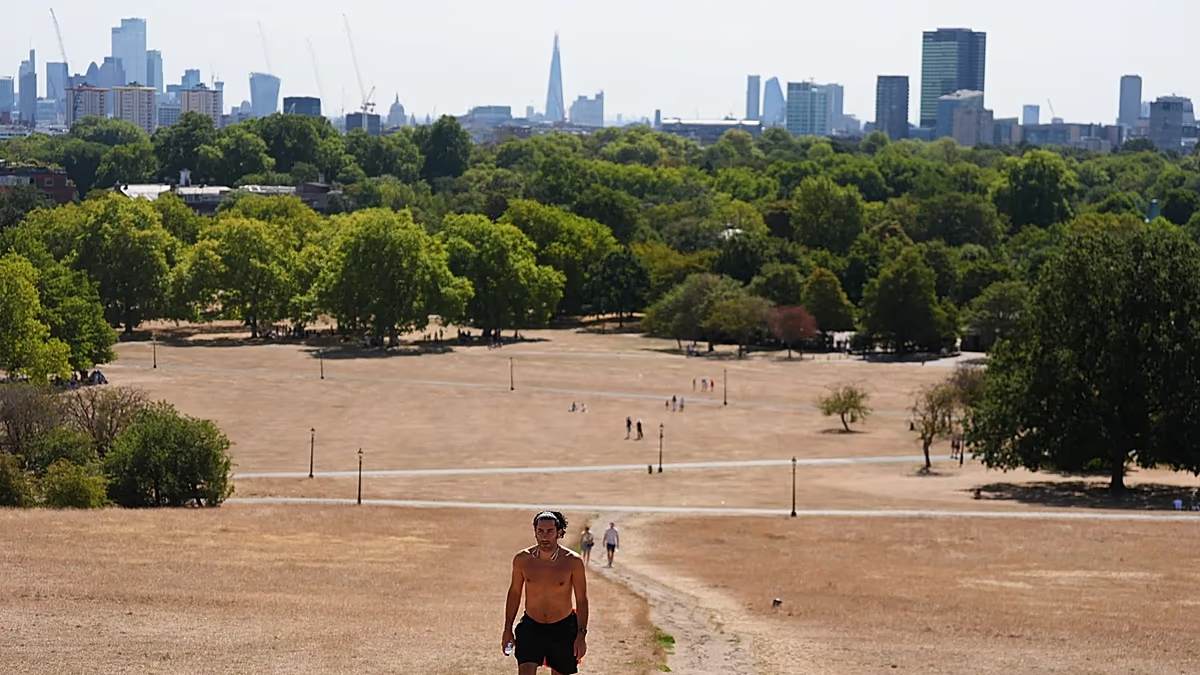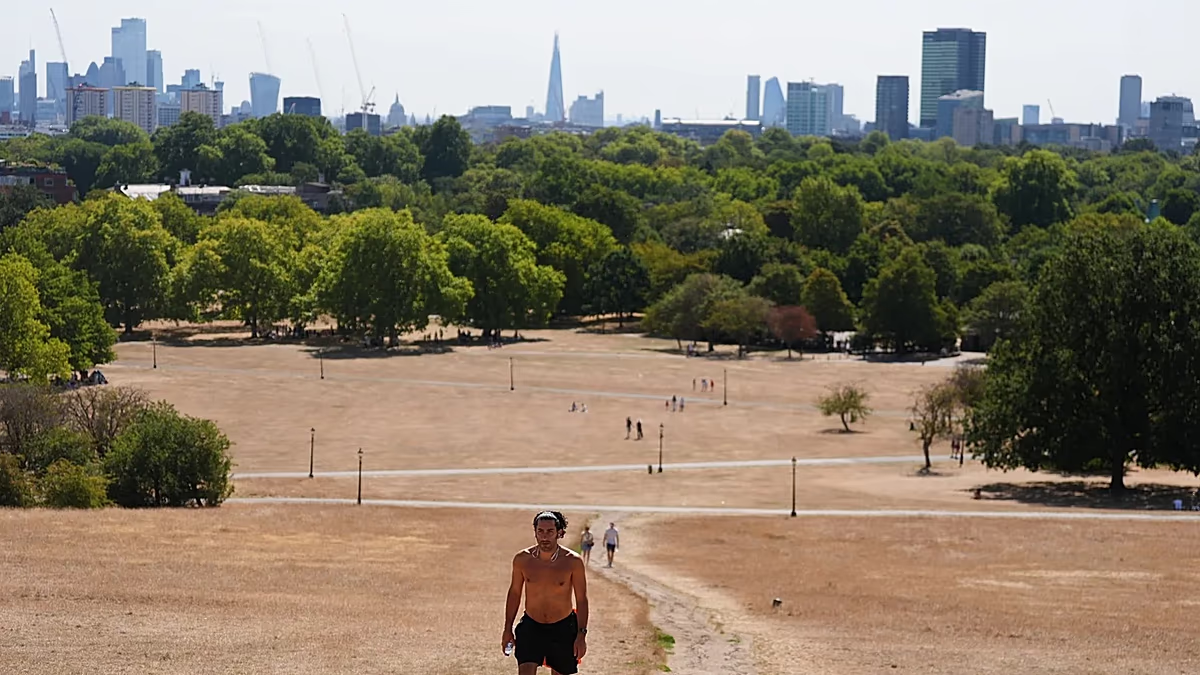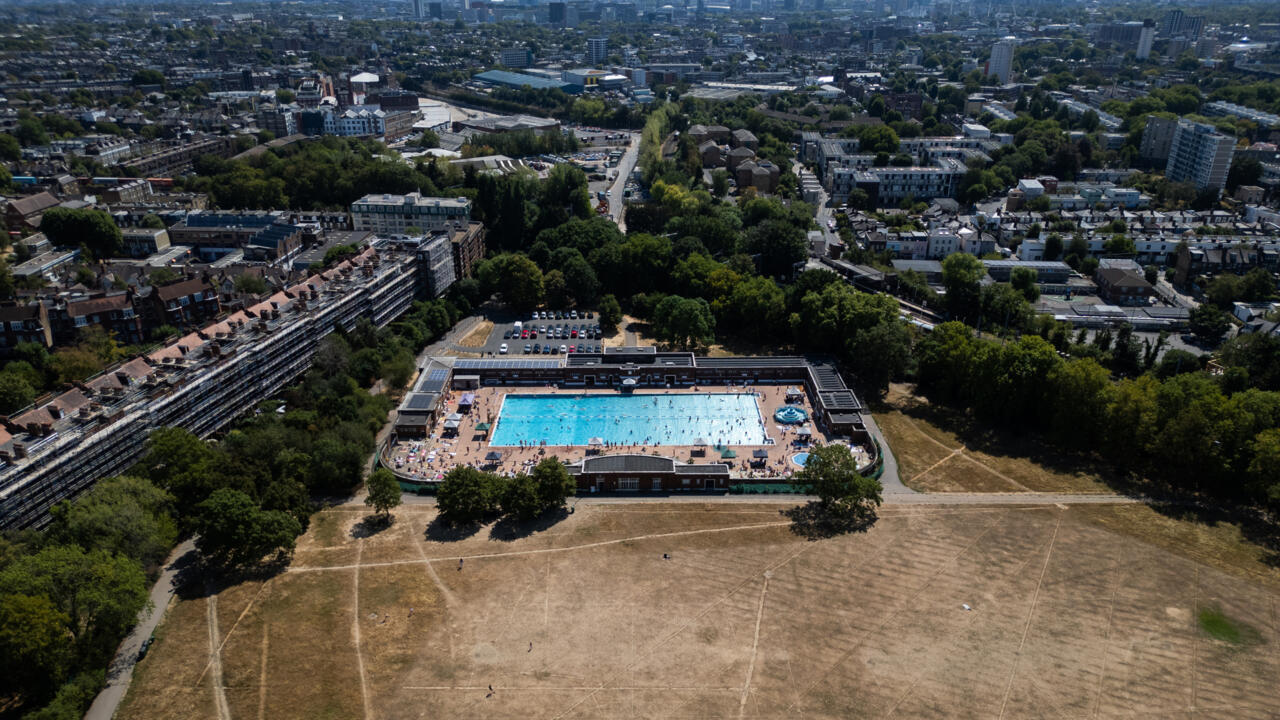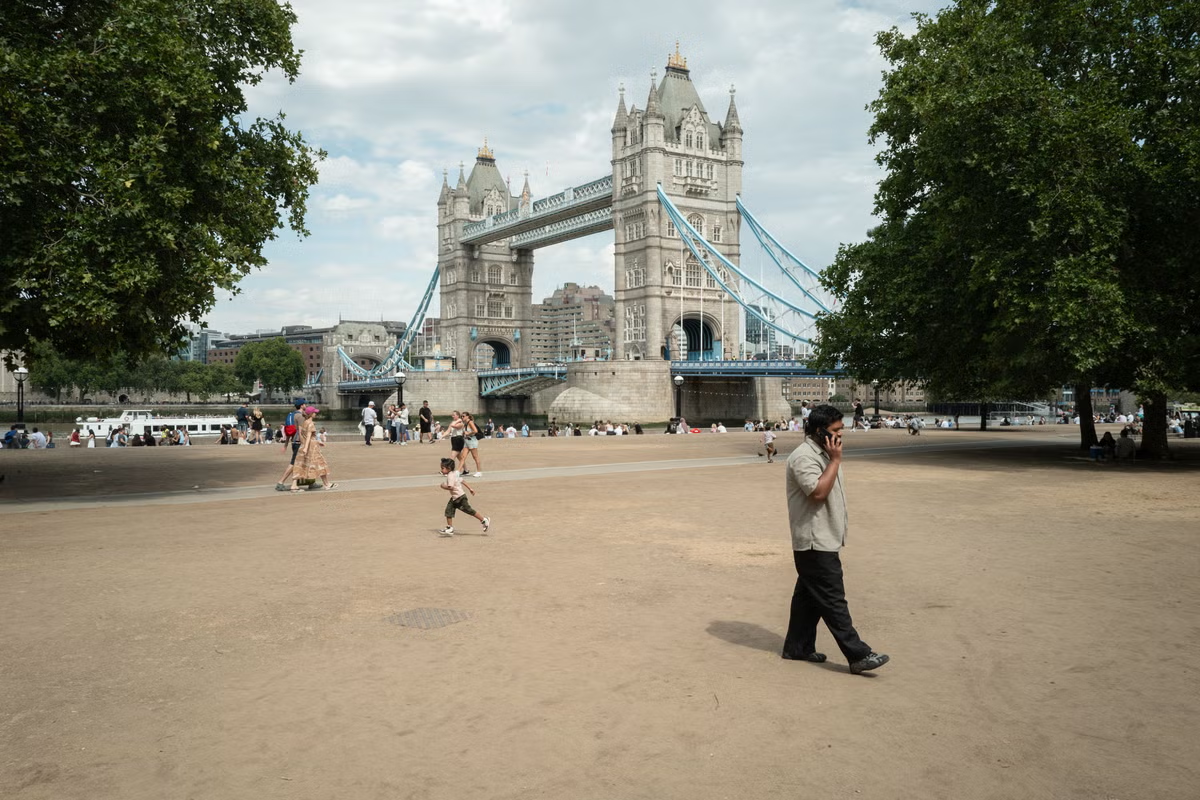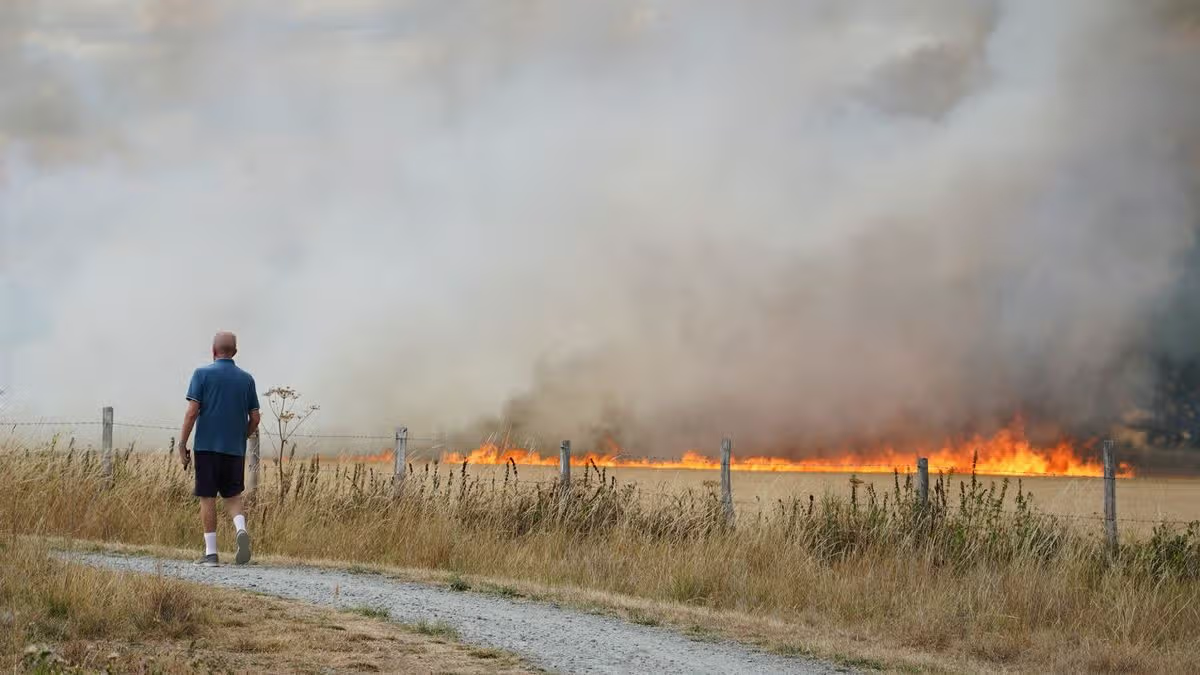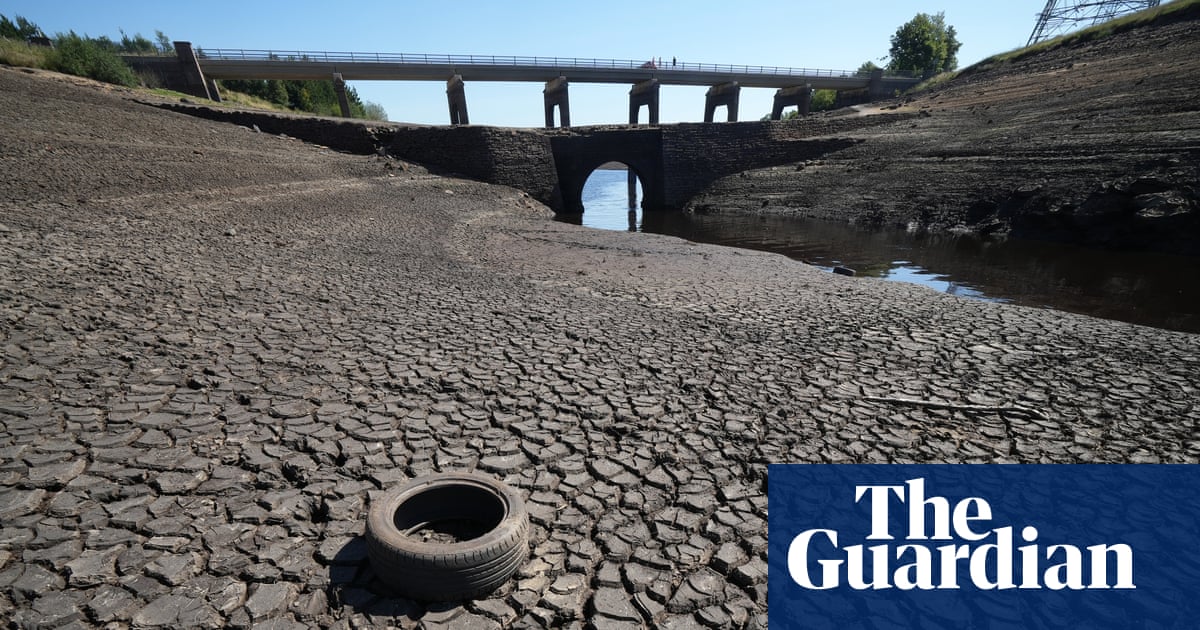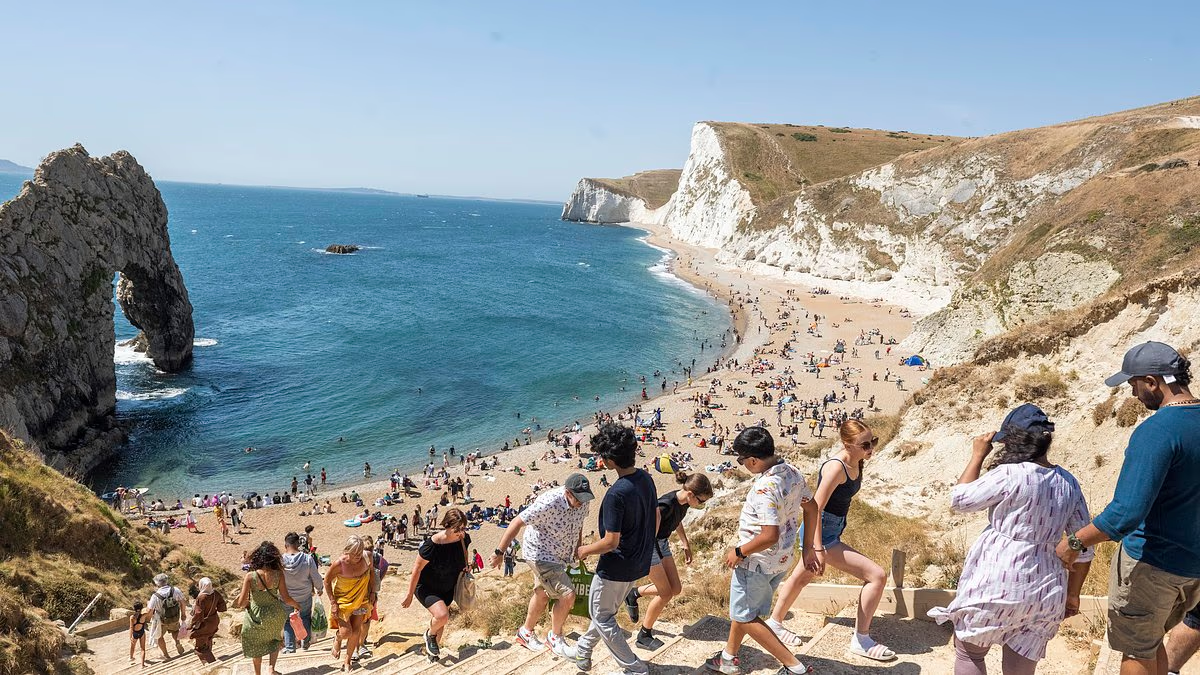
The UK is on course for its hottest summer ever - with only average temperatures needed for the rest of August to beat the record, the Met Office says.The mean temperature for the summer so far, from June 1 to yesterday, stands at 16.48C – which is 1.88C above the 1991 to 2020 average, provisional data shows.To equal the 16.12C seen only last year – the UK's warmest summer on record – the rest of August would need to be just 0.21C below the long-term average, and any warmer than this would establish a new record for the country, meteorologists confirmed.For England and Wales, which have seen temperatures more than 2C above average so far this summer, it is even more likely that this summer will be record-breaking.It comes as the record-breaking drought revealed the remains of a fascinating lost village which was demolished and flooded half a century ago to create a reservoir.Stonework and the outlines of buildings in Nether Hambleton can now be seen because of the low water levels at Rutland Water reservoir in the East Midlands.More than 3,000 acres of land were submerged in the 1970s to create what was then Europe's largest man-made lake, with residents rehoused in the surrounding areas.Among the lost buildings were 18th century homes and farmland growing barley to be sold to Germany for brewing lager, and wheat which Hovis bought for breadmaking.The remains of Nether Hambleton were left in the bottom of a valley between what is now the Hambleton peninsula in the north and the hamlet of Lyndon to the south.People across drought-hit England have been told to expect no rain in this week's forecast with some areas now having been completely dry for two months.Almost three-quarters of the country is now in drought - and you can use the Daily Mail's exclusive new tool below to find out when your area last experienced rain.Some parts of Hampshire and West Sussex have not had rain for 59 days. The parched landscape will only deteriorate as Britain's sixth heatwave of the year builds from today towards one of the hottest days on record this Thursday with a 38C peak.The Met Office has issued only its second extreme heat warning in four years, in an alert saying the 'wider population is likely to experience some adverse health effects'.The 15-hour amber warning for central and southern England will run from 9am until midnight on Thursday. Another extreme heat warning was also issued in the June heatwave, but that was the first time such an alert had been issued since 2022.Separately, UK Health Security Agency (UKHSA) today activated amber heat health alerts for much of England, which will run until Friday - warning of a 'rise in deaths'.The Government has urged people to stay safe by drinking plenty of water, checking on vulnerable friends and family, and avoiding the sun at the hottest part of the day.Highs of 26C in London, 28C in Manchester and 29C in Cardiff are expected today, before the mercury soars in some areas to 34C tomorrow and 38C on Thursday.The UK could also have 'tropical nights' where temperatures stay above 20C through the night. Friday is likely to hit at least 30C, before a dip to 26C across this weekend.If 38C is observed, it would see Britain experience its joint fifth hottest day on record - tying with that same temperature recorded at Lingwood in Norfolk on June 26. The hottest-ever UK day was July 19, 2022 when Coningsby in Lincolnshire hit 40.3C. It comes as the Environment Agency said 71 per cent of England is experiencing a 'flash drought' as a dry start to August followed the country's driest July on record.While there is no meaningful rain in this week's forecast for drought-hit areas of England, meteorologists have spotted early signs that showers could move across the country on Sunday – bringing the first proper rain to southern areas in two months. Hundreds of visitors enjoy the hot weather at the beach in Bournemouth, Dorset, this afternoon People stand on the exposed, cracked and dried mud bed of Hollow Pond in east London today Tourists visit Durdle Door in Dorset this afternoon as the UK enters a sixth heatwave of the year
Ghost towns emerge as reservoirs dry up in record-breaking drought
The Met Office has issued only its second extreme heat warning in four years, in an alert saying the 'wider population is likely to experience some adverse health effects'.
3,181 words~14 min read