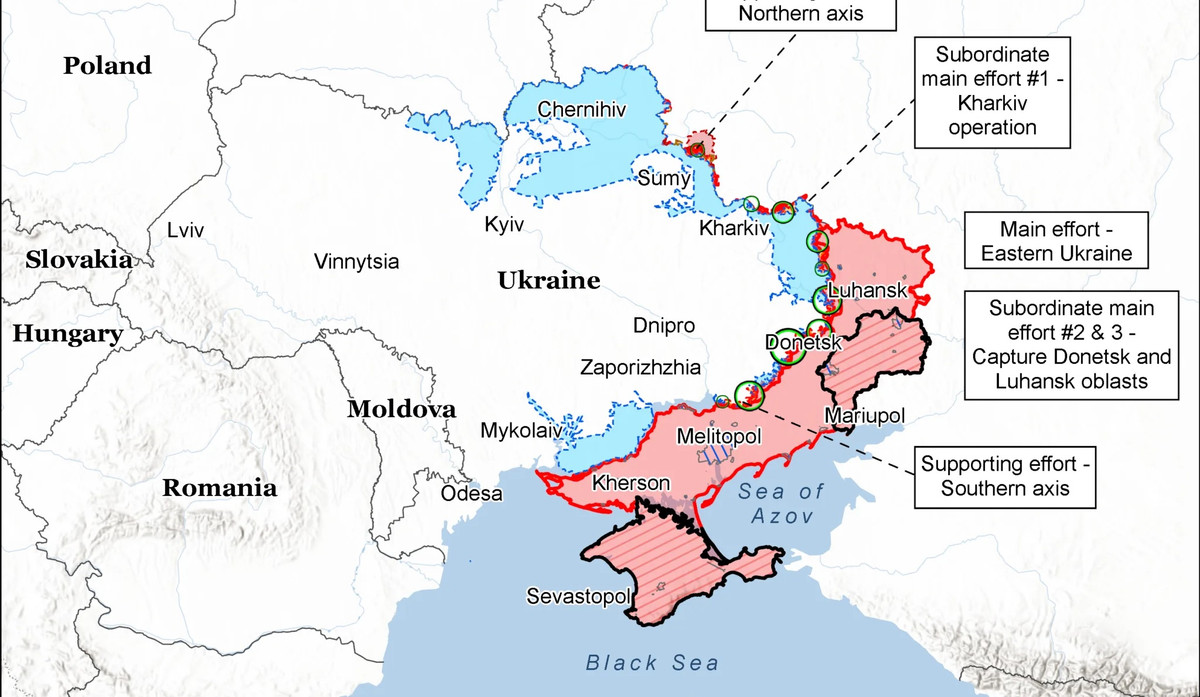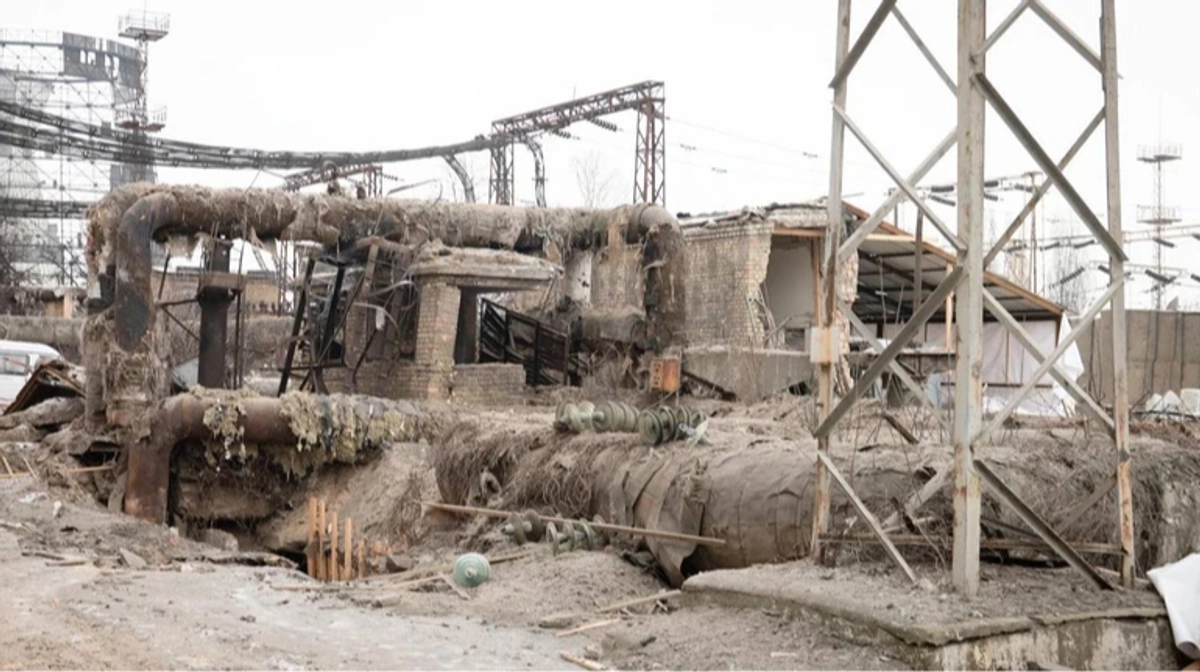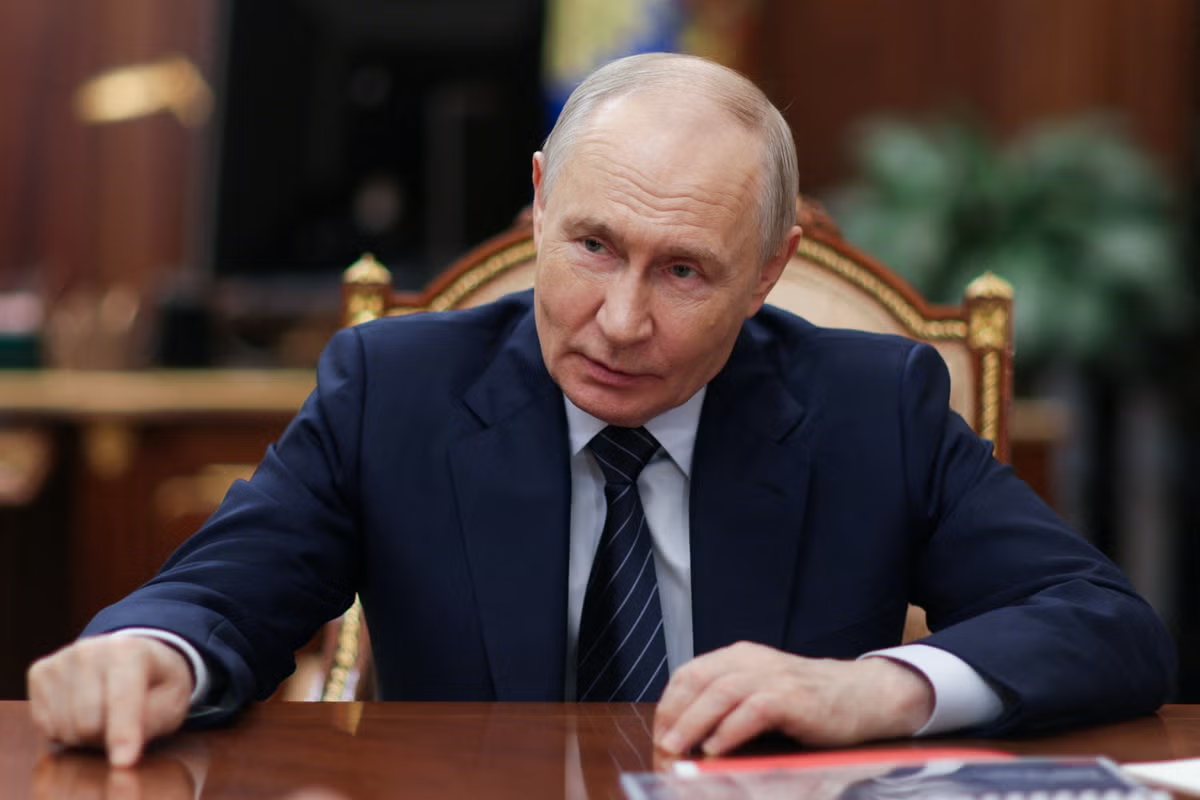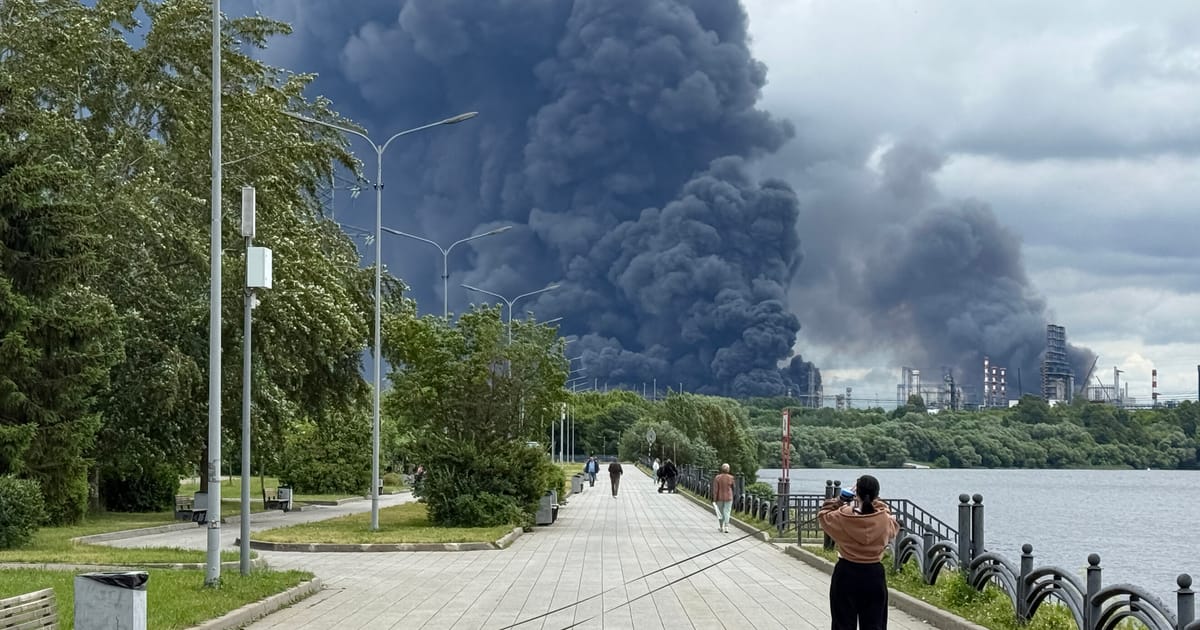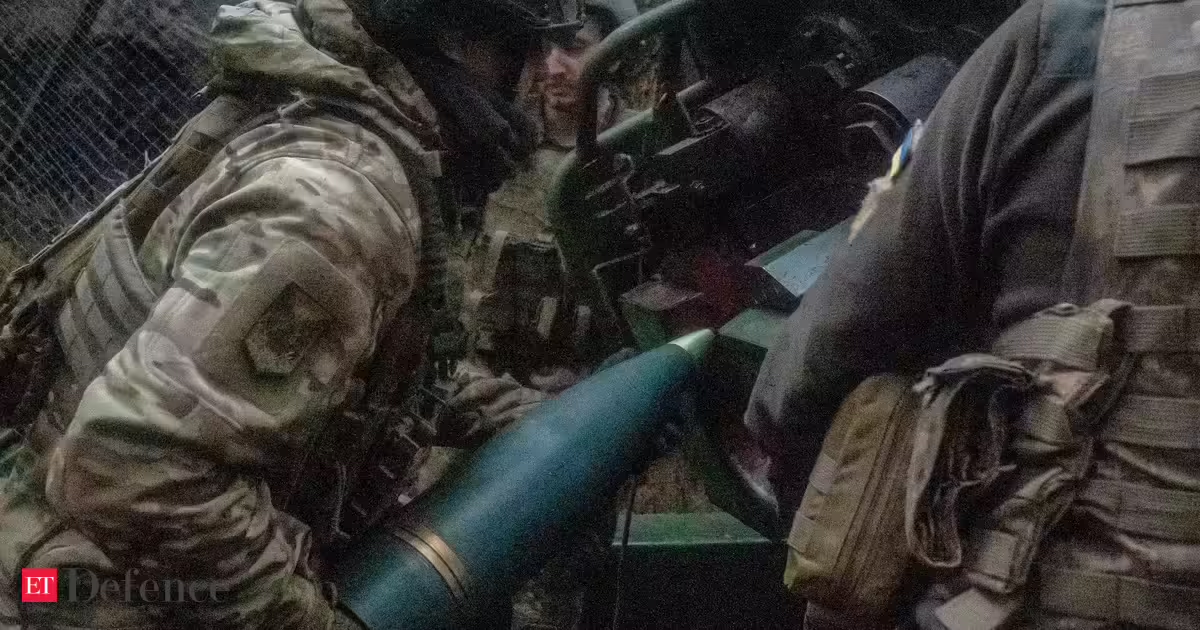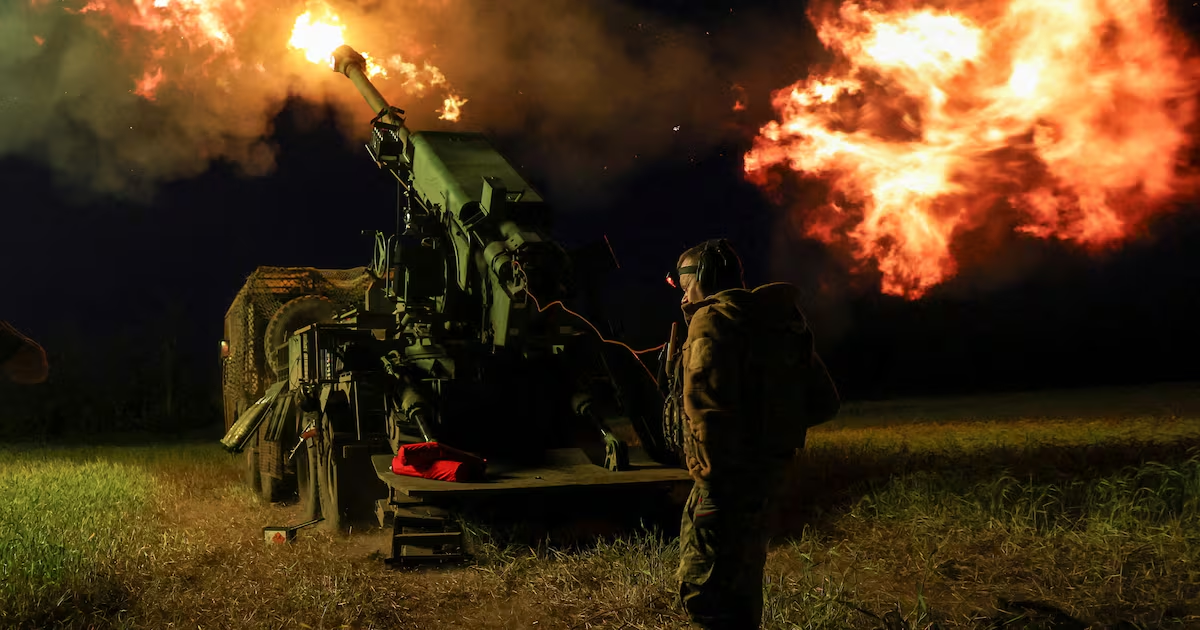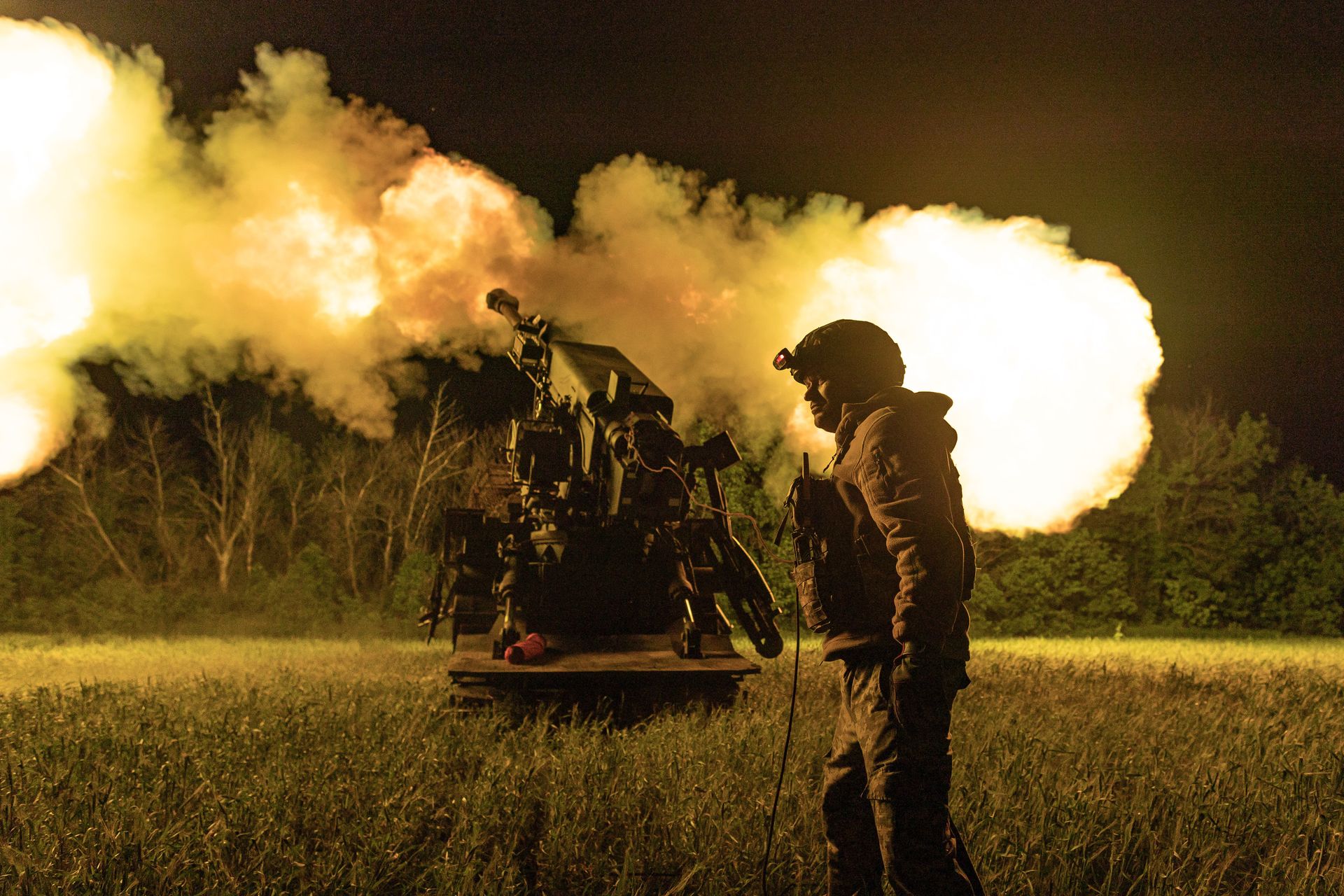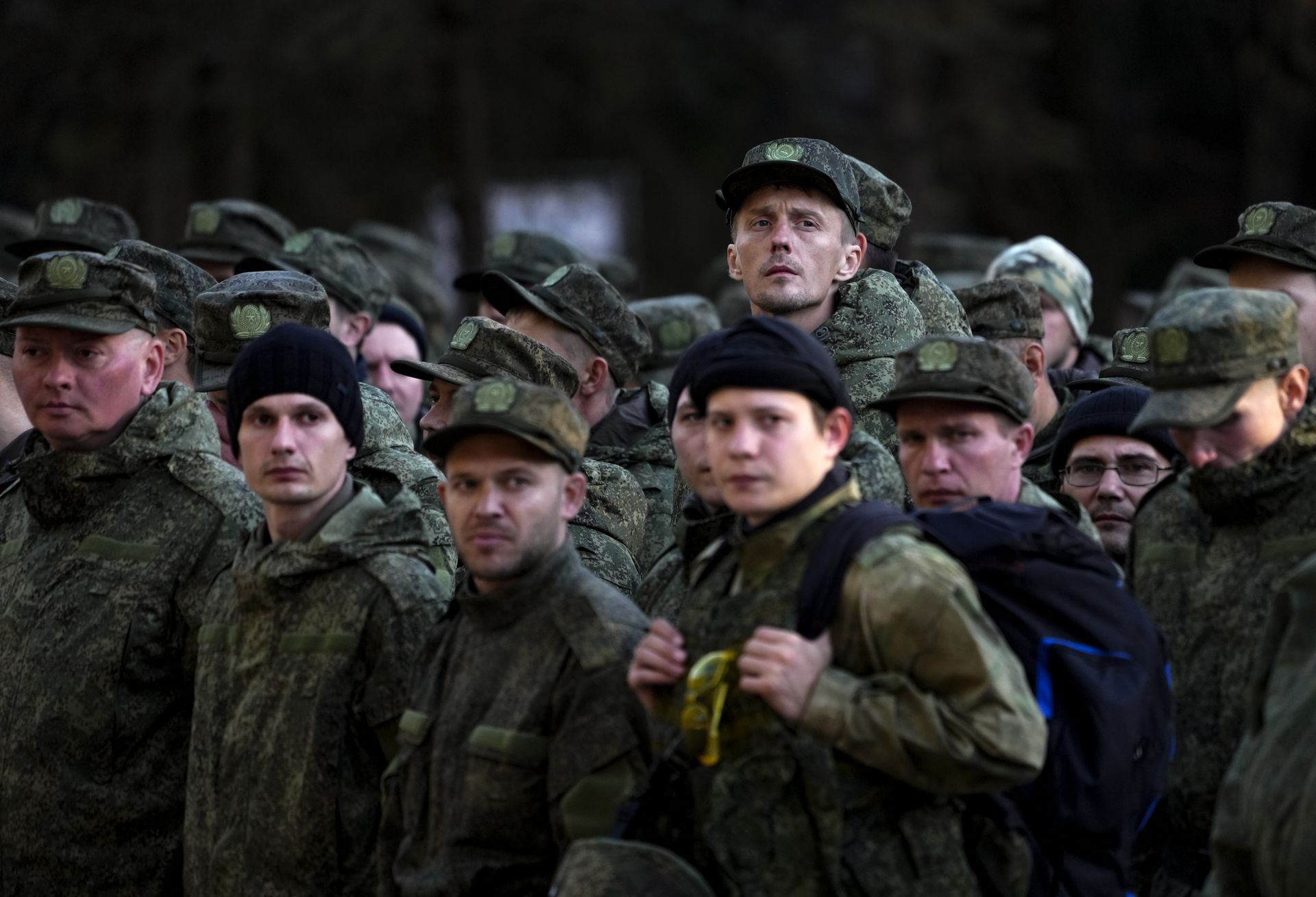
Russian citizens drafted during the partial mobilization are dispatched to combat coordination areas in Moscow, Russia, on Oct. 10, 2022. (Stringer / Anadolu Agency / Getty Images)In Kyiv and the capitals of its allies, talk of a brutal "winter" awaiting Ukraine because of Russian strikes is a top matter on the agenda. And it's quite likely that this very fall and winter will become Russia's own kind of "last push" — an attempt to somehow turn the tide of its war.Back at the start of the year, I said that in 2026 the Kremlin would find it absolutely essential to achieve what it calls a "korennoy perelom v voyne" (a "fundamental turning point in the war") in order to close out the most costly and exhausting phase of the conflict on its own terms.By early 2026, it was already obvious: Russia's continued gamble on a war "of attrition" was losing, or had already lost, any real chance of paying off. That strategy has been dragging the Kremlin, almost irreversibly, toward its own exhaustion, and at a considerably faster clip than Ukraine has been losing its capacity to resist.Layered on top of that are other factors: deeply negative processes are building up inside Russia itself, fueled by the war; the Kremlin's attempts to fully "cut off Ukraine's oxygen" on the international stage never quite succeeded either. Nor did Moscow get much reassurance from its "Chinese comrades," the Kremlin's chief strategic ally, who never scaled up their involvement in the war to a level that would actually cost Beijing something.Which is to say, the Kremlin was left needing to make yet another choice about where to take its strategy next: either slide into a mode of "war on a natural fade" — in effect abandoning its core objectives, declared or otherwise, and settling for whatever it had already grabbed, which means essentially declaring an informal pause in this "age-old" standoff with Ukraine under a de facto "no peace, no war" arrangement; or move into another round of "intensified effort" and try, once more, to force Ukraine out of the war quickly, on Moscow's own terms.Long queues form at fuel stations in the early morning hours in Novosibirsk, Russia, on July 3, 2026, as gasoline and diesel shortages spread across more than 40 Russian regions. (Rostislav Netisov / Anadolu / Getty Images)Either way, the Kremlin could no longer afford to sit on that decision. Compared with where things stood at the end of 2025 and the start of 2026, the overall strategic picture kept getting worse for Moscow — and dithering had become, quite literally, a matter of survival.So, judging by the regime's recent actions (and, in part, its rhetoric), the choice has been made — and it looks like option two.Strategically, this is likely to unfold as follows. First comes another round of mobilization, followed by the further operational buildup of Russian forces inside Ukraine.Next, a further ramping-up of long-range strikes across the whole of Ukraine's territory and against the main groupings of its Armed Forces — the Russians will probably try, come fall, to really "jump out of their pants," aiming to significantly degrade Ukraine's capacity to resist through nearly continuous, massed, combined long-range strikes.
Russia prepares its 'final push' of the war this fall
In Kyiv and the capitals of its allies, talk of a brutal "winter" awaiting Ukraine because of Russian strikes is a top matter on the agenda. And it's quite likely that this very fall and winter will become Russia's own kind of "last push" — an attempt to somehow turn the tide of its war. Back at the start of the year, I said that in 2026 the Kremlin would find it absolutely essential to achieve what it calls a "korennoy perelom v voyne" (a "fundamental turning point in the war") in order to clo
1,023 words~5 min read