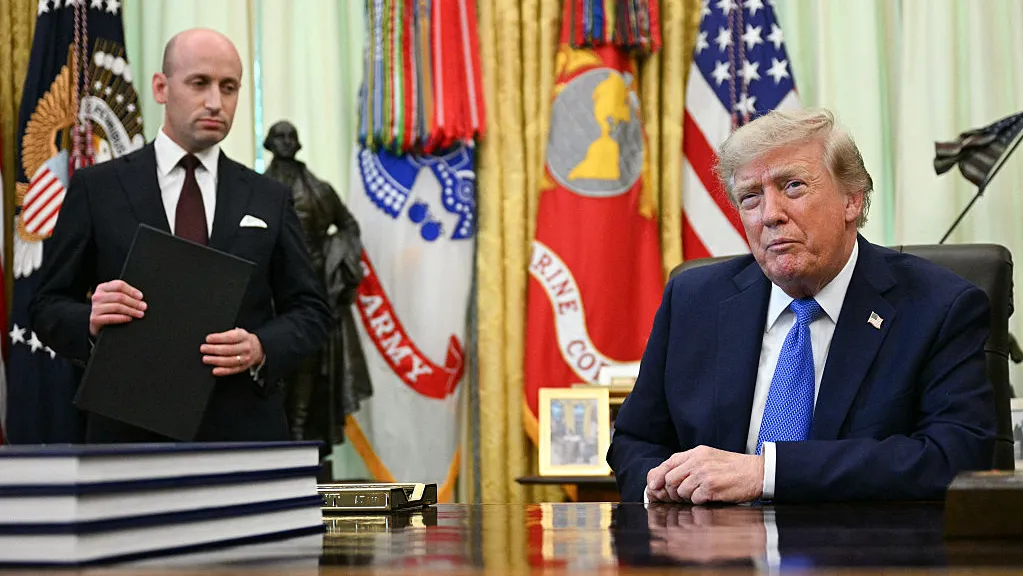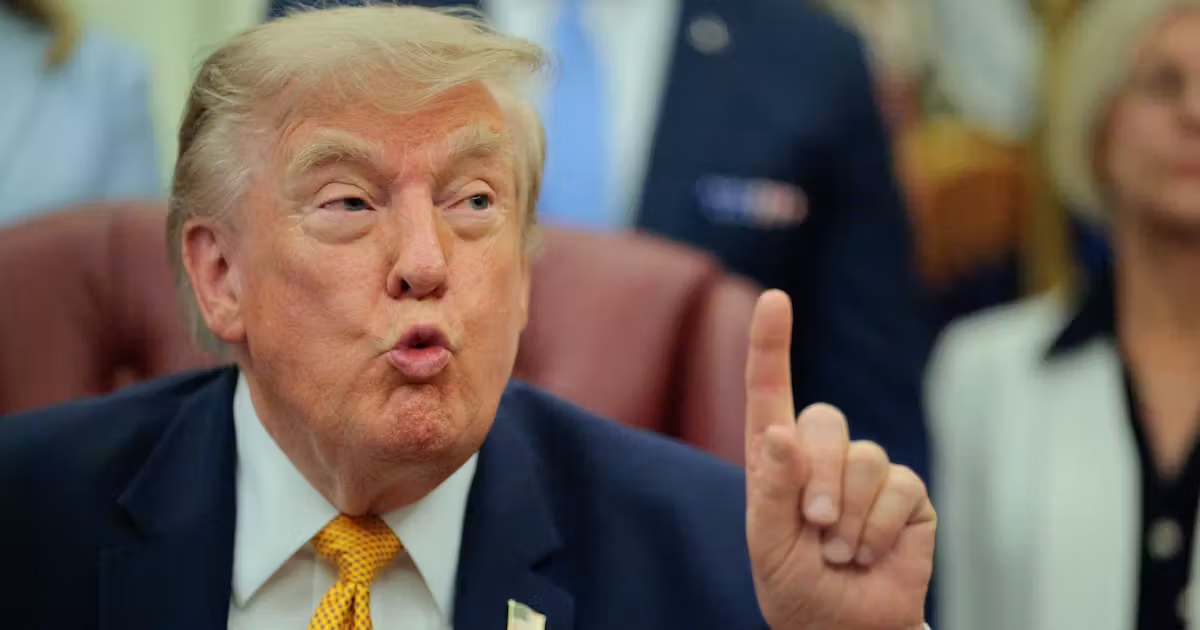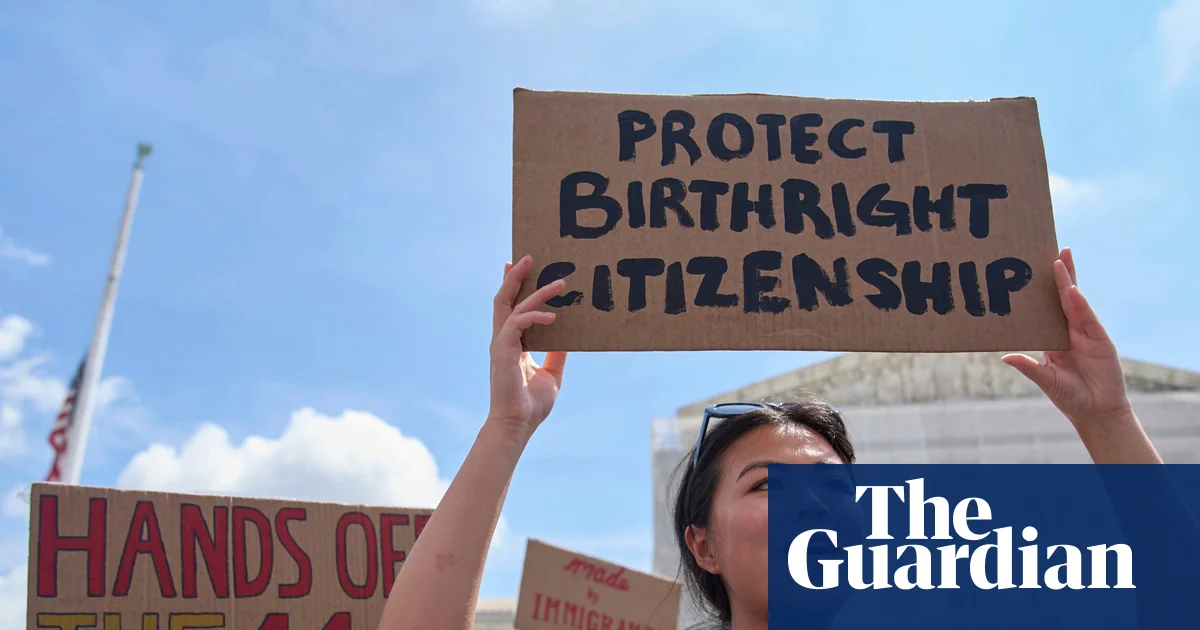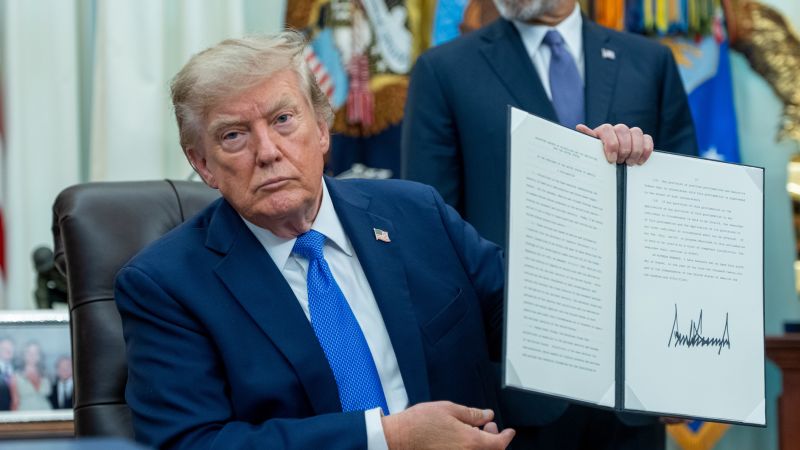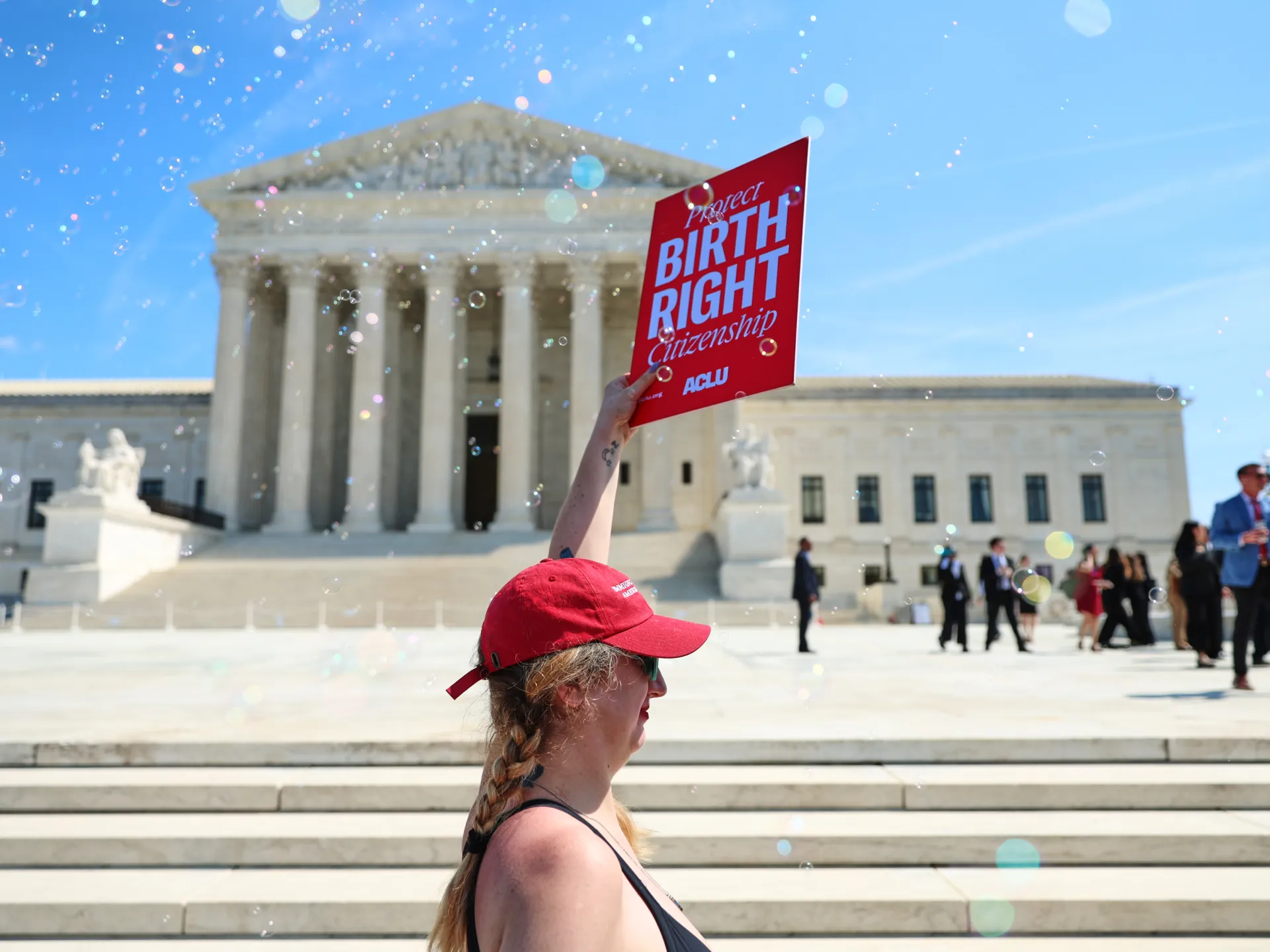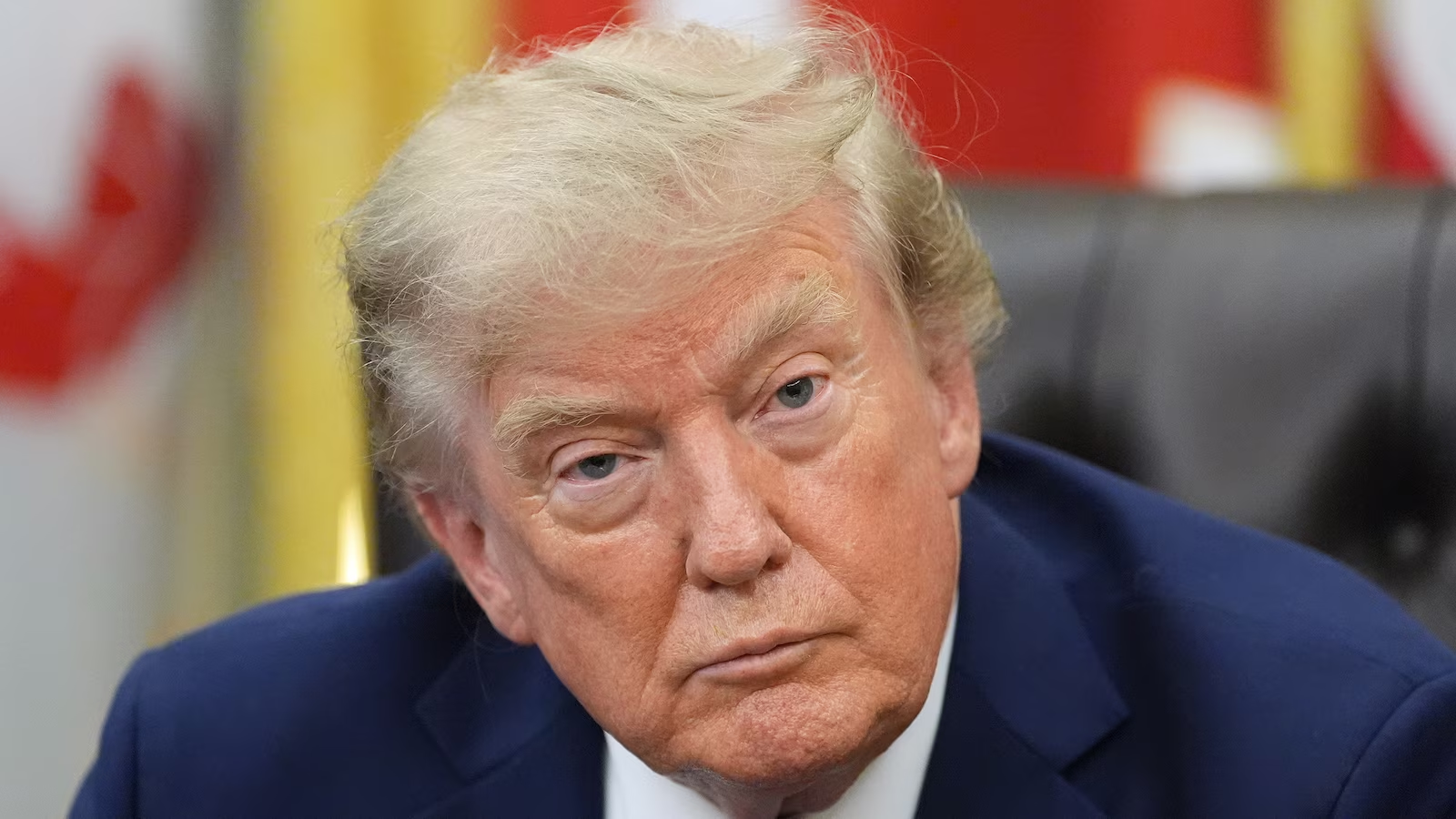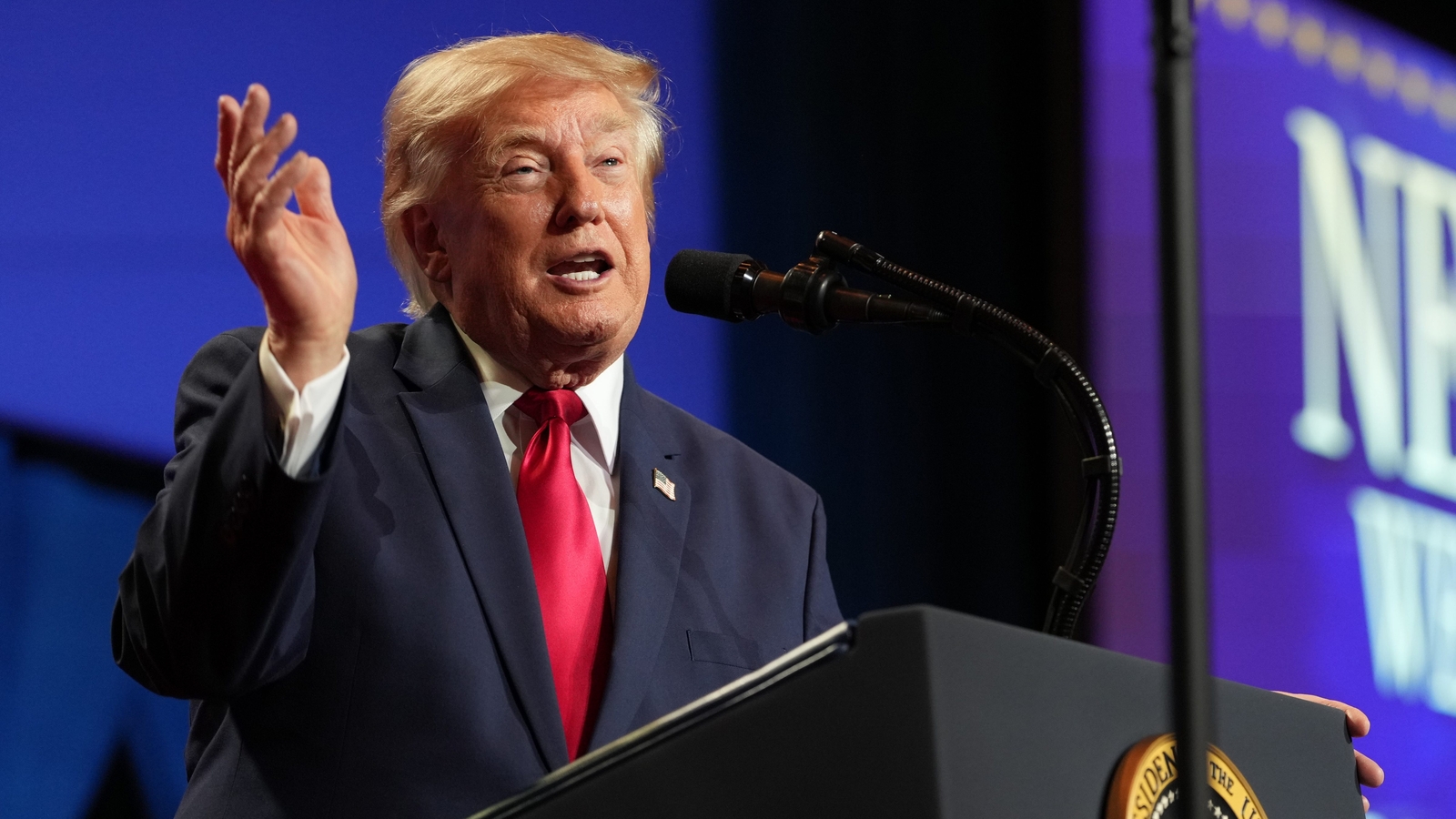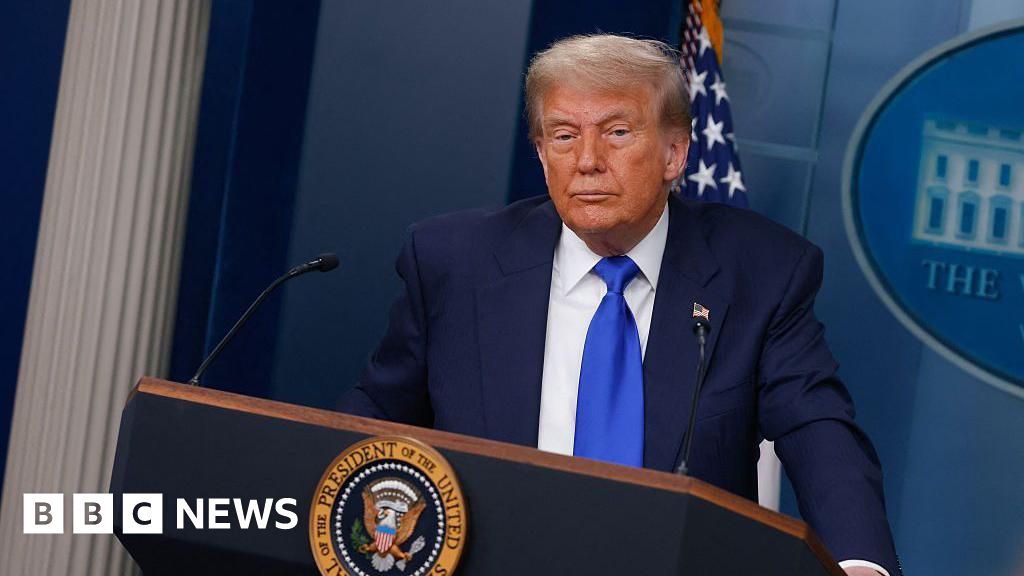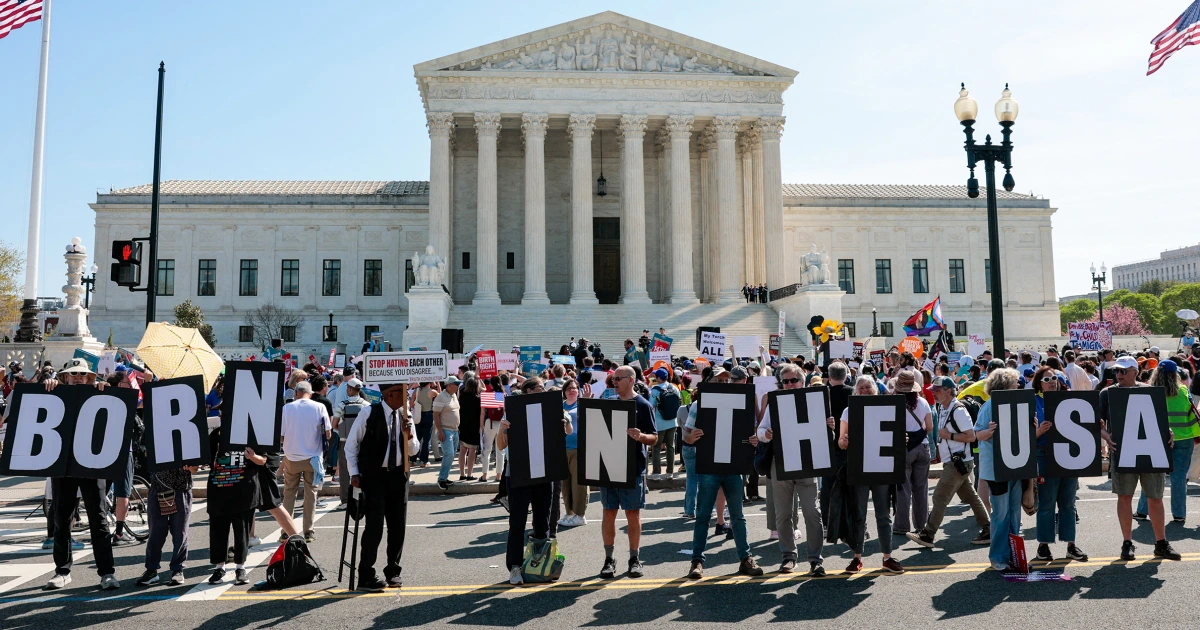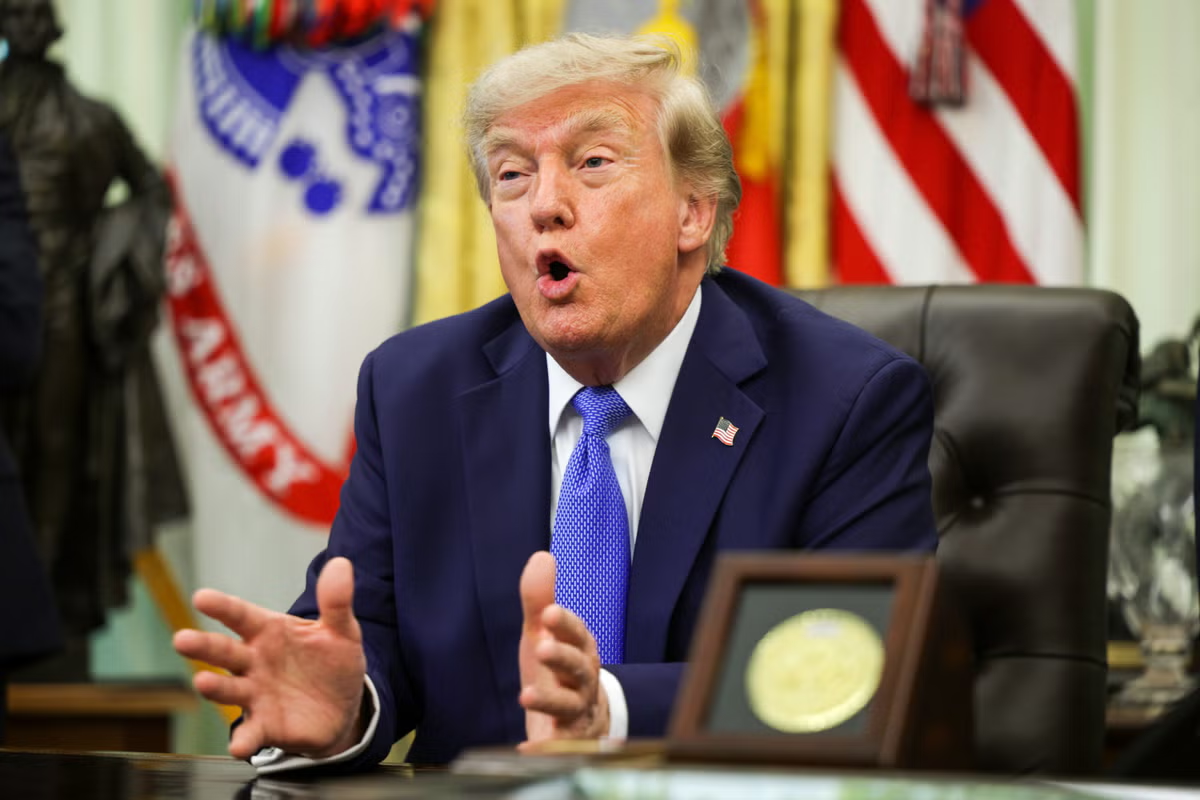
Legal groups who defeated Donald Trump at the Supreme Court over the president’s failed attempt to unilaterally redefine birthright citizenship are asking a federal judge to block his latest executive action.Last week, more than a month after the justices narrowly struck down his executive order that sought to block automatic citizenship to U.S.-born babies, Trump signed another pair of executive orders seeking to further limit the categories of children eligible for citizenship at birth.The Supreme Court’s decision “should have been the end of this issue,” plaintiffs wrote Tuesday.They are calling on the judge overseeing the initial case to underscore that the government cannot “strip away” citizenship though executive orders “or other similarly flawed assertions of executive power over birthright citizenship.”“If the President issues 100 orders seeking to create new exceptions to the sacred guarantee of the Citizenship Clause, all 100 will be equally illegal,” they wrote.After losing at the Supreme Court, Donald Trump pushed two new executive orders seeking to further limit birthright citizenship to US-born babies with new categories of children that he claims can be barred from automatic citizenship (Getty)The courts should not tolerate the administration’s “continued assault on this foundational constitutional principle” or be forced to issue a string of executive order-specific injunctions each time, plaintiffs argued. The judge should make clear that the president cannot take away those rights “under the auspices of these or any other executive actions,” they wrote.The Independent has requested comment from the White House.The latest legal battle could open up yet another challenge to birthright citizenship at the nation’s high court, which has already considered the issue twice since the president returned to officeThe 14th Amendment’s citizenship clause states that “all persons born or naturalized in the United States, and subject to the jurisdiction thereof, are citizens of the United States and of the state wherein they reside.”In an executive order issued within his first hours in office last year, Trump claimed that babies born on U.S. soil could be denied citizenship at birth if their mother was “unlawfully present” or had “lawful but temporary” status, and if the father “was not a United States citizen or lawful permanent resident at the time of said person’s birth.”In June’s 5-4 decision written by Chief Justice John Roberts, the court’s majority determined that children born in the United States to parents “unlawfully or temporarily present” are indeed “subject to the jurisdiction” of the U.S. and citizens at birth under the text of the 14th Amendment.Last week, flanked by White House aide Stephen Miller, the architect of the Trump administration’s anti-immigration agenda, Trump unveiled two new executive orders seeking to circumvent the Supreme Court decision.Stephen Miller, the architect of Trump’s anti-immigration agenda, has claimed that the 14th Amendment was only designed to grant citizenship to the children of enslaved people, even though the constitutional protection ensures citizenship for all US-born children (Reuters)The orders would exclude from citizenship the children of staff working for foreign governments who work in the U.S. as well as the children of mothers who are accused of lying about their intentions for visiting the country while pregnant.The president also is seeking to strip automatic citizenship from newborns in U.S. territories, including Puerto Rico, which would first require congressional action, which is extremely unlikely.The administration also would bar automatic citizenship to babies born to people accused of being “alien enemies” or terrorists.“President Trump may not like the fact that birthright citizenship is a constitutional right, and he may not like that he lost in the Supreme Court, but that is really beside the point,” Cody Wofsy, deputy director of the ACLU’s Immigrants’ Rights Project and lead counsel in the case, said in a statement.“It’s well past time for these illegal and cruel attacks on children’s citizenship to end,” he added.Trump and Miller continue to claim that the 14th Amendment was drafted only to “ensure that the children of slaves would be citizens,” as Miller said at the White House last week. The president has repeatedly stated that a constitutional right to citizenship extended to all U.S.-born children was intended only for “the babies of slaves.”For more than a century, courts have determined that the citizenship clause applies not only to the children of enslaved people but also to immigrants.In their briefs to the Supreme Court, Trump administration lawyers cited several scholars who campaigned against birthright citizenship in the 1800s, a movement fueled by anti-Black and anti-Chinese racism in the aftermath of Reconstruction and a rise in anti-immigrant views.At the time, a group of anti-immigrant scholars advanced the argument that the 14th Amendment’s phrase “subject to the jurisdiction thereof” excluded the children of Chinese immigrants.The Supreme Court was unpersuaded, and the landmark decision in the case of United States v Wong Kim Ark in 1898 held that the 14th Amendment grants citizenship to virtually everyone born in the country.June’s decision, more than 100 years later, affirmed that principle.“This case has always been, and remains, about the President’s effort to fashion new exceptions to birthright citizenship,” plaintiffs wrote Tuesday.“The Supreme Court confirmed that there are no additional exceptions beyond those recognized in United States v. Wong Kim Ark,” they added. “President Trump’s continued resistance to that principle calls for this Court’s renewed intervention.”
Birthright citizenship groups push judge to block Trump’s latest ‘illegal’ order
Groups that defeated the president’s attempt to redefine the 14th Amendment say the Supreme Court’s latest ruling ‘should have been the end of the issue’
870 words~4 min read