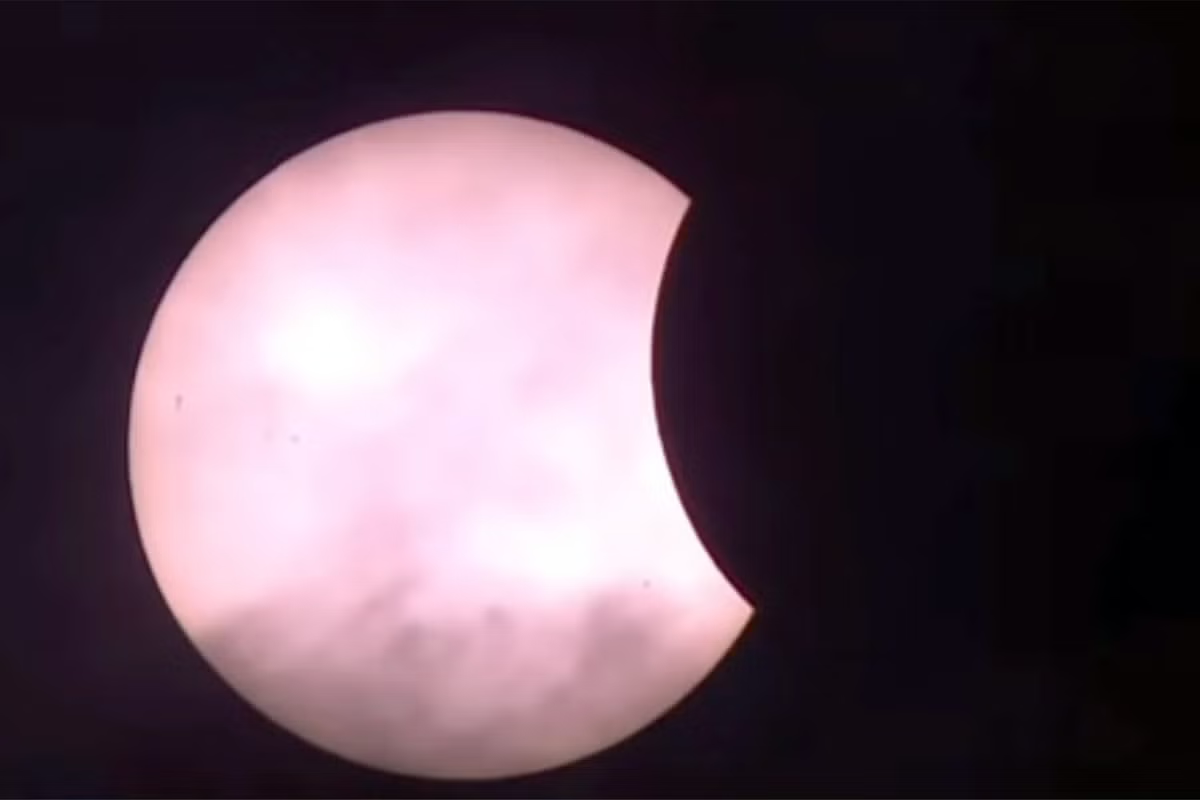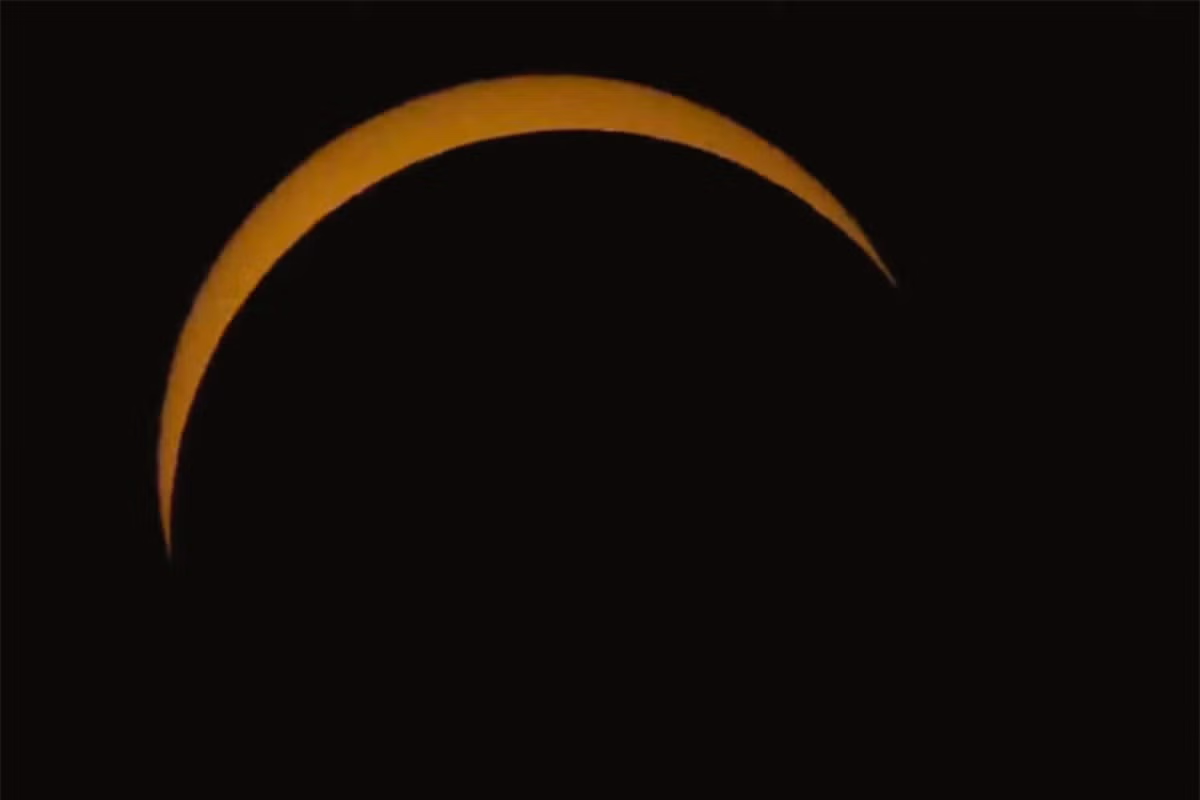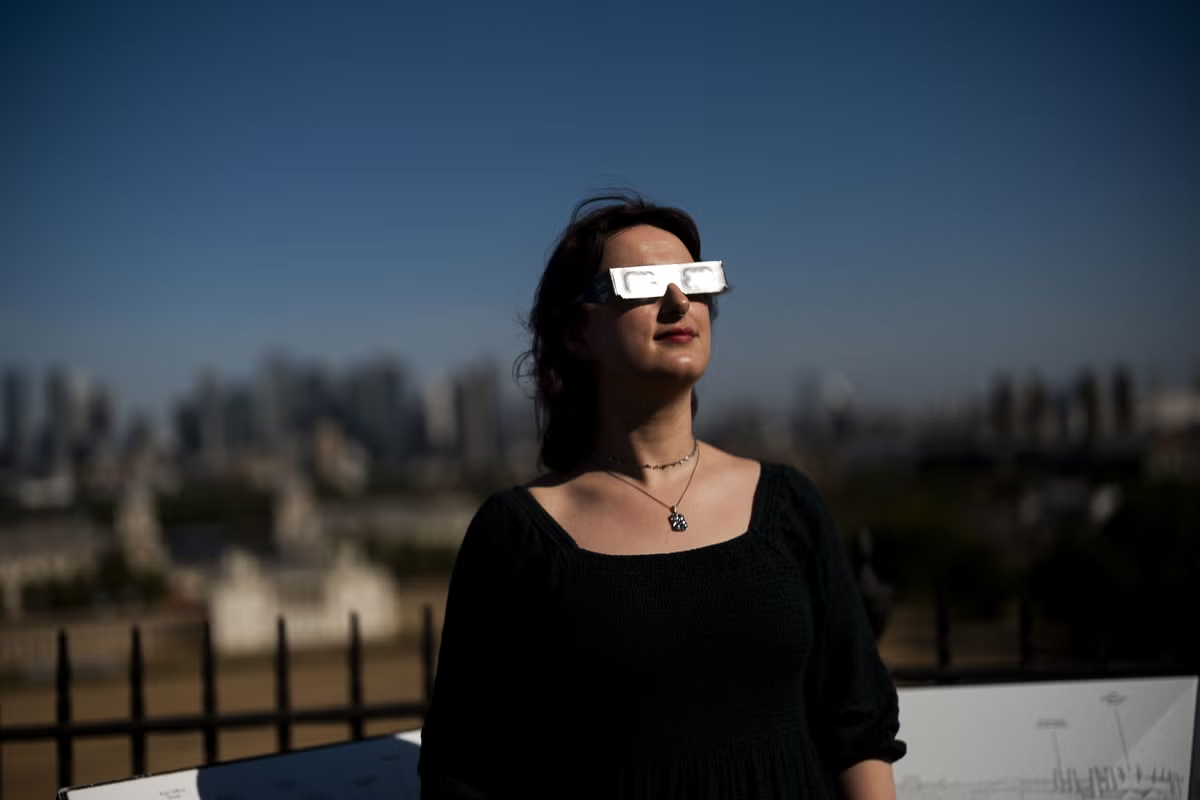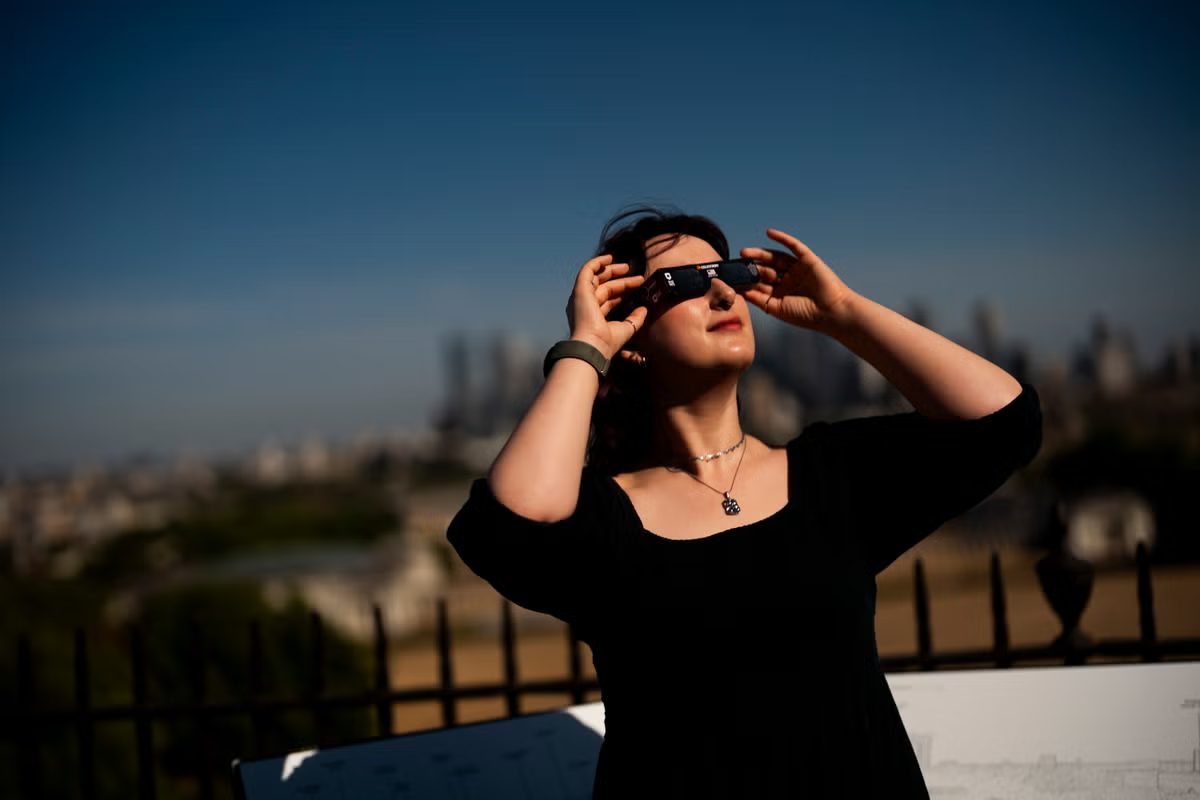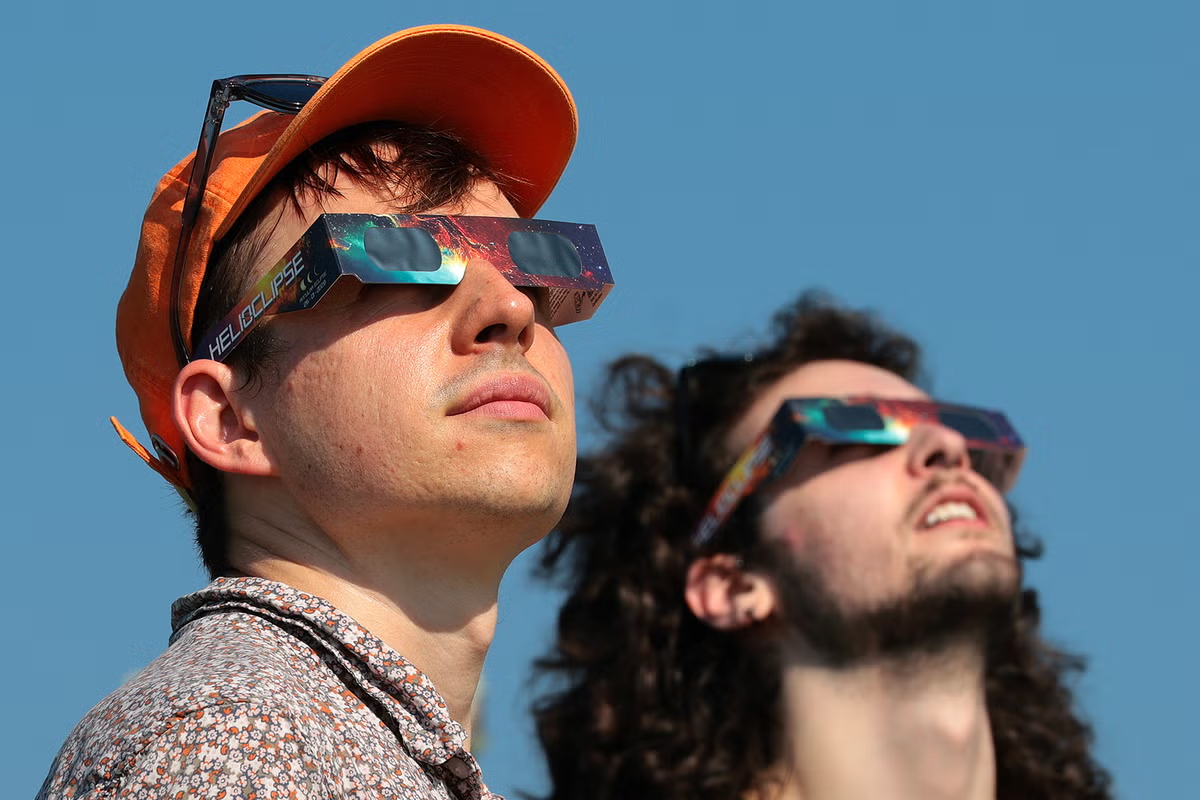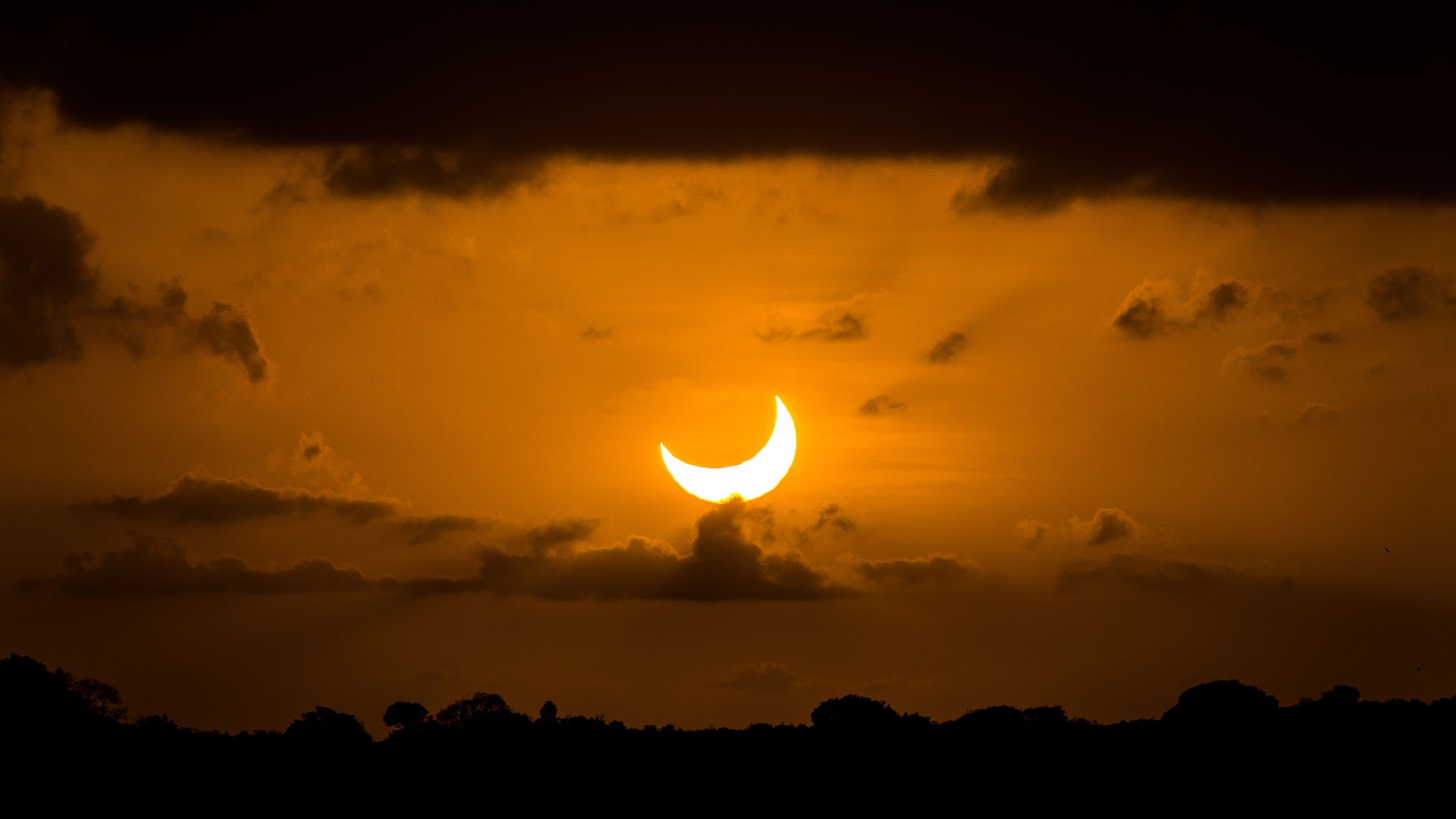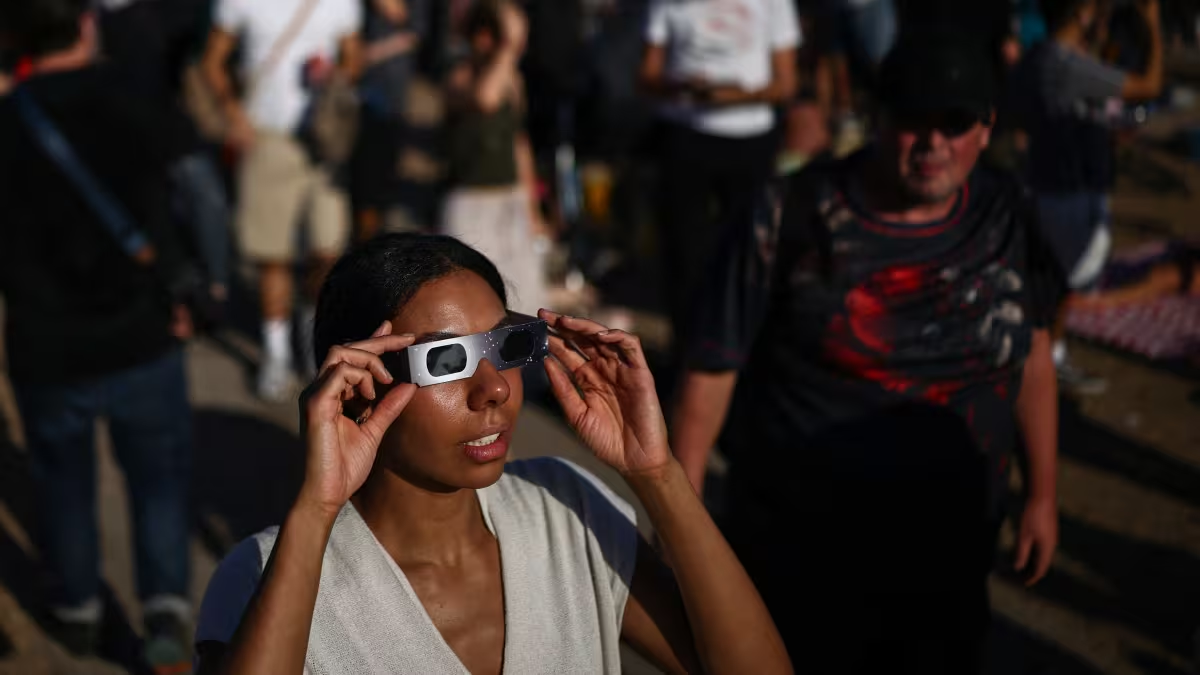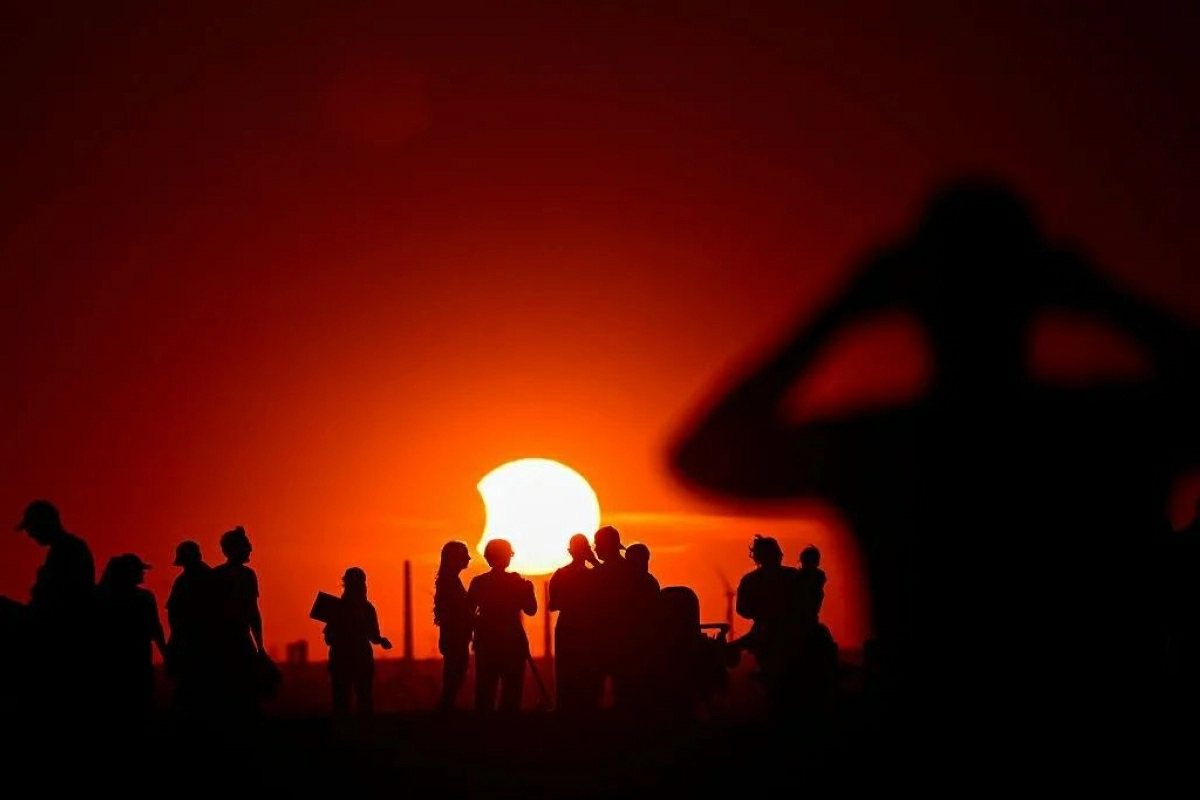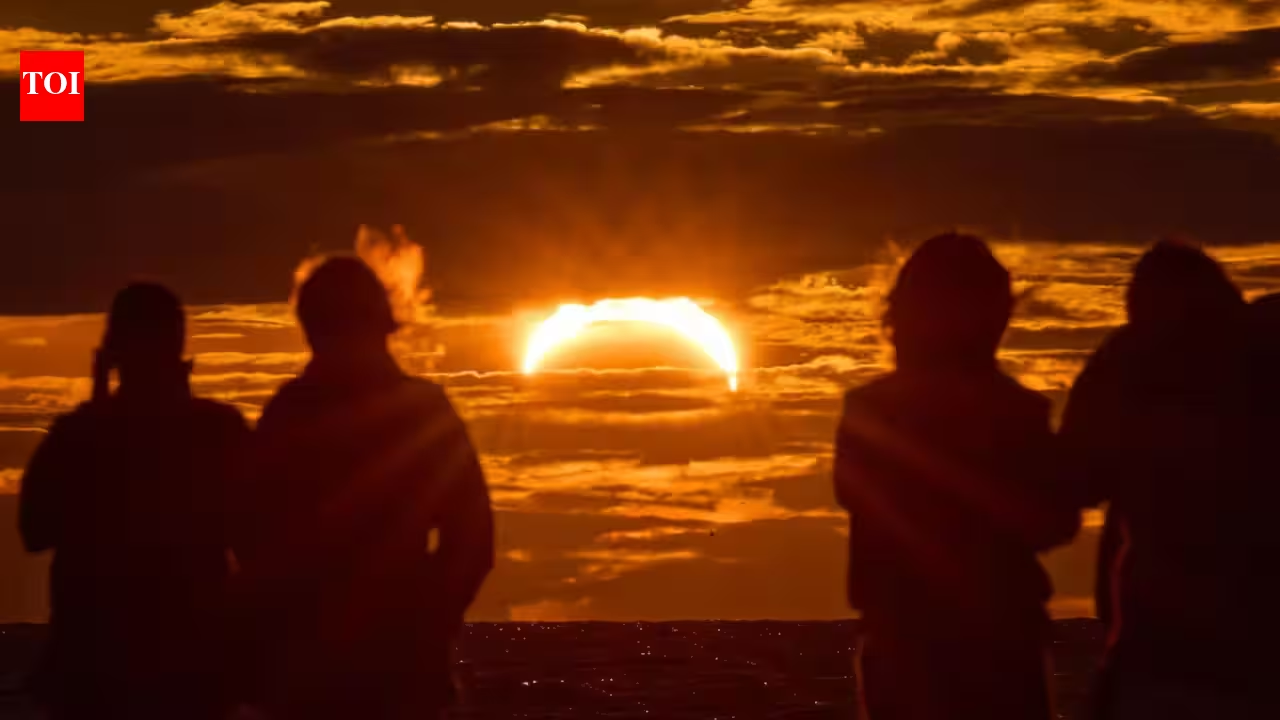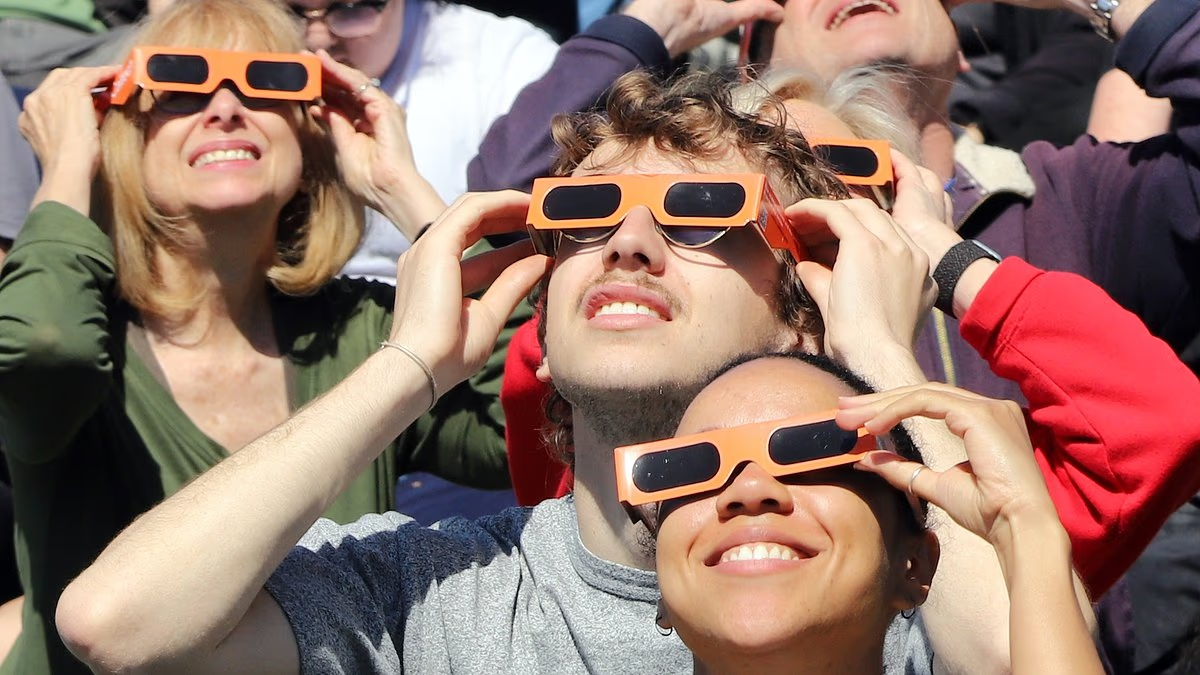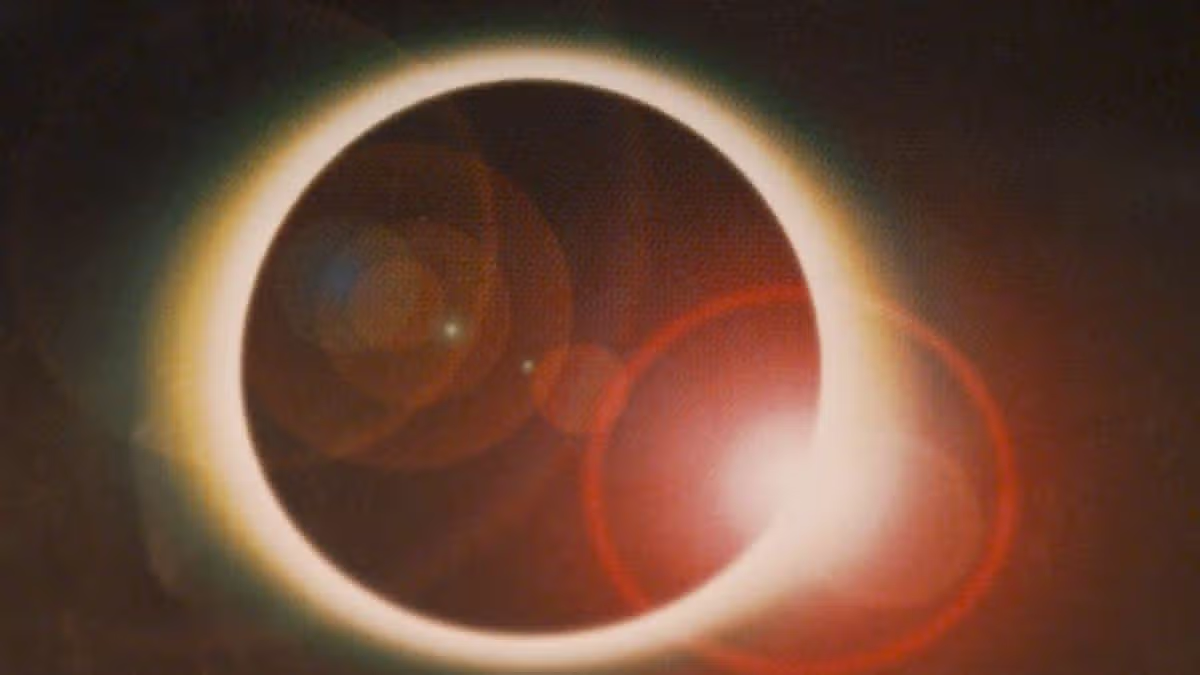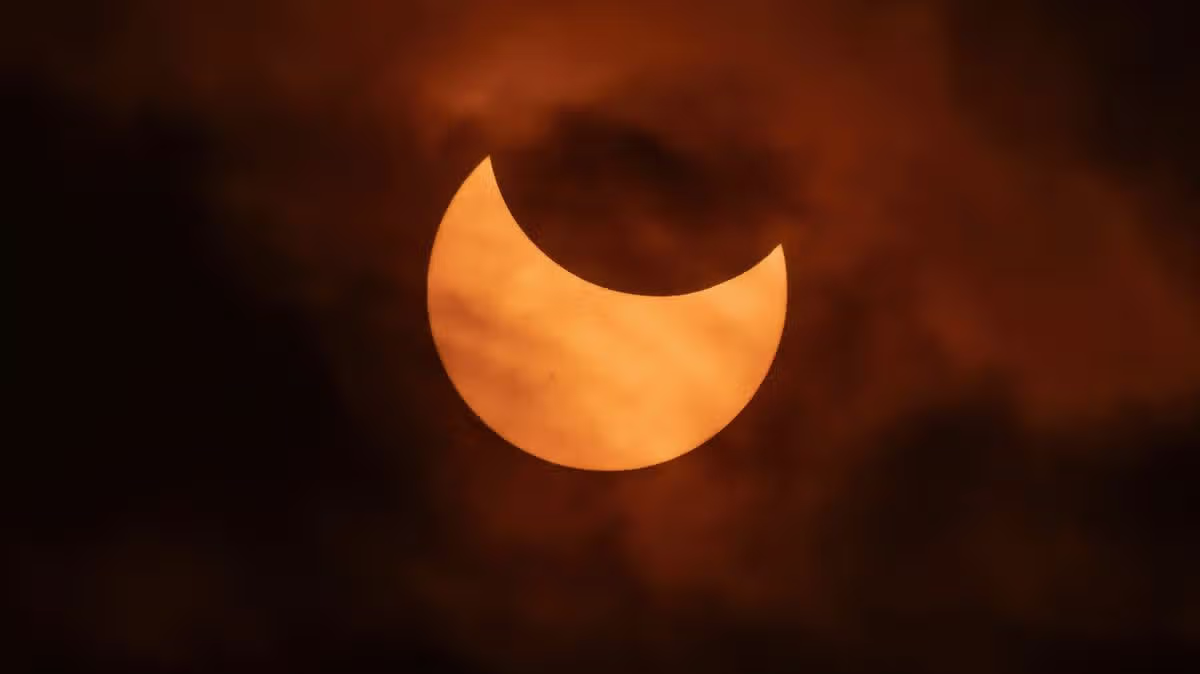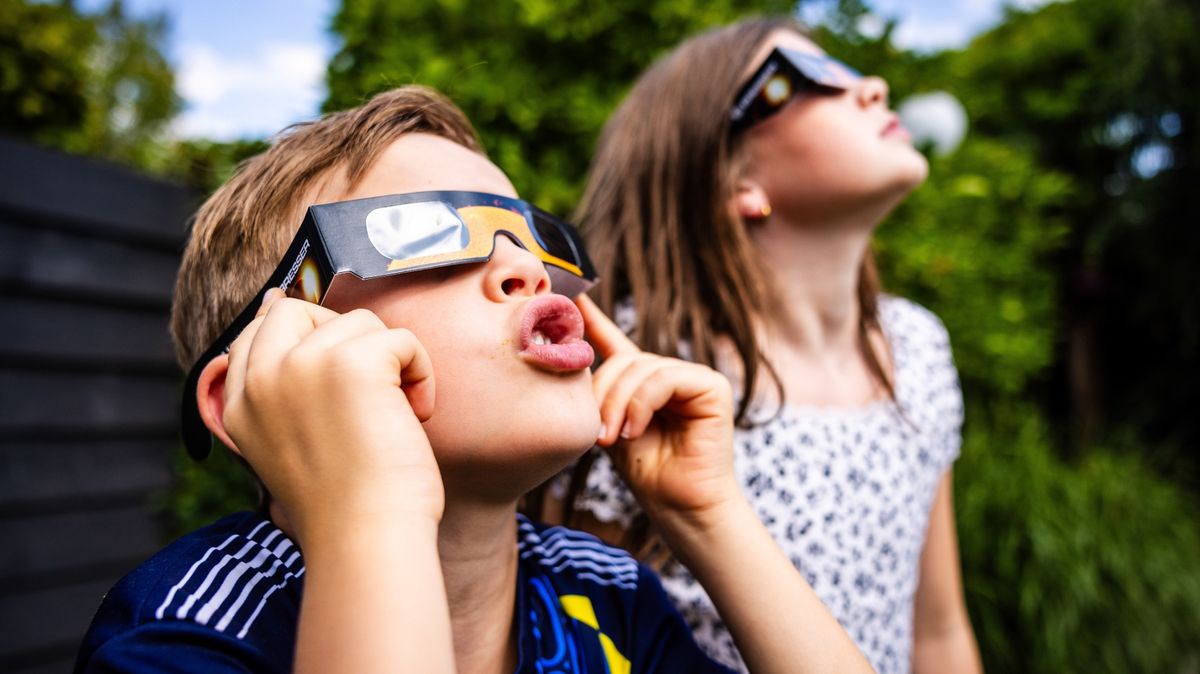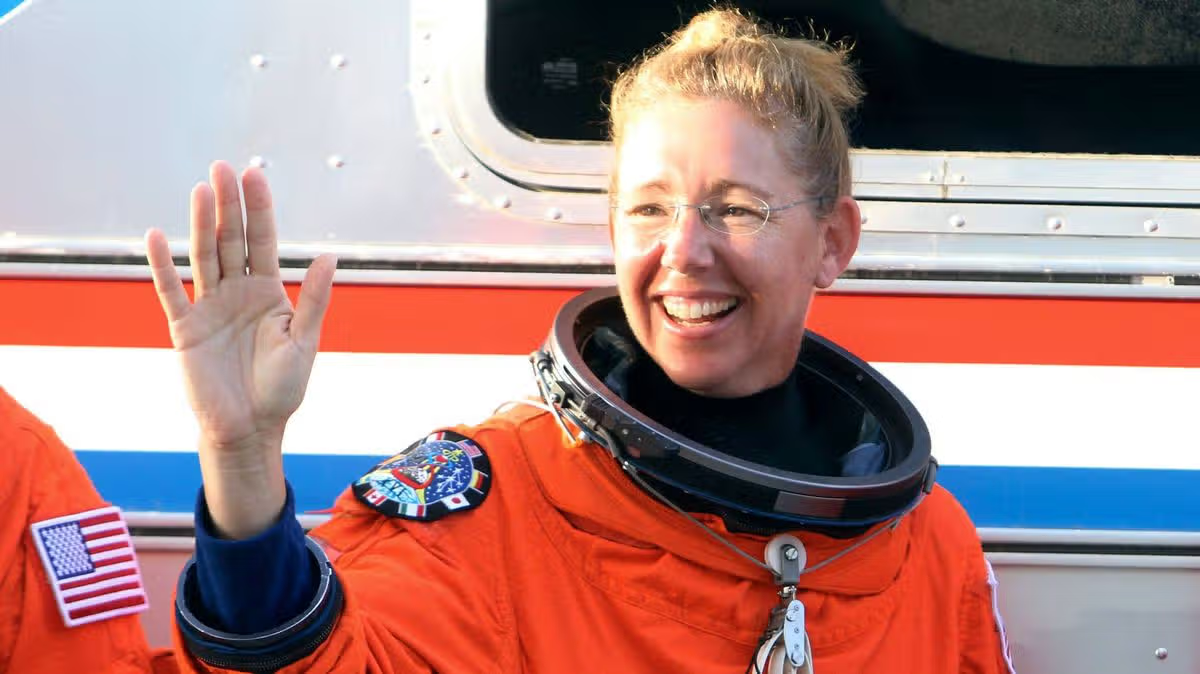
EXCLUSIVE: Ex-NASA astronaut Sandra Magnus has exclusively spoken to us about what it's like to view a solar eclipse from space. She spoke out as a massive partial solar eclipse will block out 90% to 96% of the sun across the British Isles on Wednesday (August 12) evening16:45, 11 Aug 2026Updated 16:46, 11 Aug 2026The UK will experience its most dramatic celestial event in nearly three decades this week. On Wednesday (August 12) evening, a massive partial solar eclipse will block out 90% to 96% of the sun across the British Isles. While the "path of totality" (where the sun is completely covered) will pass over Greenland, Iceland, and northern Spain, the UK will still get front-row seats to the deepest eclipse seen here since 1999.The event will take place low in the evening sky as the sun moves towards the western horizon. The exact times vary slightly depending on your location, but the main window is between 6pm and 8:10pm BST.To mark the occasion, we've exclusively chatted to Dr Sandra Magnus, a highly accomplished former NASA astronaut, aerospace engineer, and executive who spent 157 days in space across three major missions, including the historic final flight of the Space Shuttle program.She witnessed the moon's shadow sweeping across the Earth during her long-duration stay on the International Space Station between November 2008 and March 2009. However, Dr Magnus is now getting ready to see it from Earth.Seeing an eclipse from spaceDescribing her emotional reaction to seeing an eclipse from orbit, Dr Magnus she said it "gives you an extraordinary sense of scale".She told us: "From the International Space Station, I could see the moon's shadow as this dark area moving across the surface of the Earth below us. You’re watching the mechanics of the sun, moon and Earth play out on a planetary scale, and that really stays with you."What I’m particularly excited about this time is experiencing that same phenomenon from the opposite perspective. In space, I was looking down at the shadow. In East Greenland, I’ll actually be standing within it."Asked if you can see the stars and planets more clearly during an eclipse in space, the expert add: "From space, you already have an extraordinary view of the sky because you’re above the Earth’s atmosphere, so it’s a little different to experiencing an eclipse from the ground."During totality on Earth, the sky can darken enough for some bright stars and planets to become visible, although exactly what you can see will depend on where those planets and stars are positioned at the time of the eclipse."Talking about the safety measures astronauts have to follow during an eclipse, she said they never look directly at the sun without the appropriate protection or equipment, just like you shouldn't do on Earth.She added: "For people watching this eclipse from Earth, approved eclipse glasses or properly filtered viewing equipment are essential throughout the partial phases."It’s only during the brief period of totality, when the Sun is completely covered, that you can safely look without that protection. As soon as any part of the sun reappears, the glasses need to go straight back on."What she's expecting from this eclipse on EarthWith Sandra planning to watch the eclipse in East Greenland, she shared how this will be different from what we should expect in the UK."I’ll be watching the entire transformation as we move towards totality — the changing quality of the light, the landscape beginning to darken, temperatures potentially dropping and then those final moments before the sun disappears," she said.Article continues below"Immediately before totality, we may see Baily’s Beads, where points of sunlight shine through valleys along the edge of the moon, followed by the diamond-ring effect. Then, for approximately two minutes and 18 seconds, we expect the Sun to be completely obscured and its corona to become visible."That is the fundamental difference from what people will experience in the UK. The UK will see a partial eclipse; from our position off East Greenland, we expect to be inside the path of totality."She concluded: "Although I’m a scientist and naturally interested in all of those details, when totality actually arrives my advice is very simple: understand the mechanics beforehand, then put them in the back of your mind and experience the wonder of the moment."
'I'm ex-NASA astronaut – viewing solar eclipse from space is totally different'
EXCLUSIVE: Ex-NASA astronaut Sandra Magnus has exclusively spoken to us about what it's like to view a solar eclipse from space. She spoke out as a massive partial solar eclipse will block out 90% to 96% of the sun across the British Isles on Wednesday (August 12) evening
714 words~3 min read