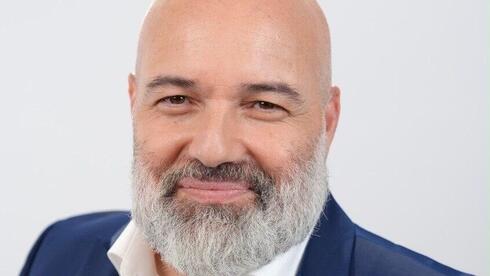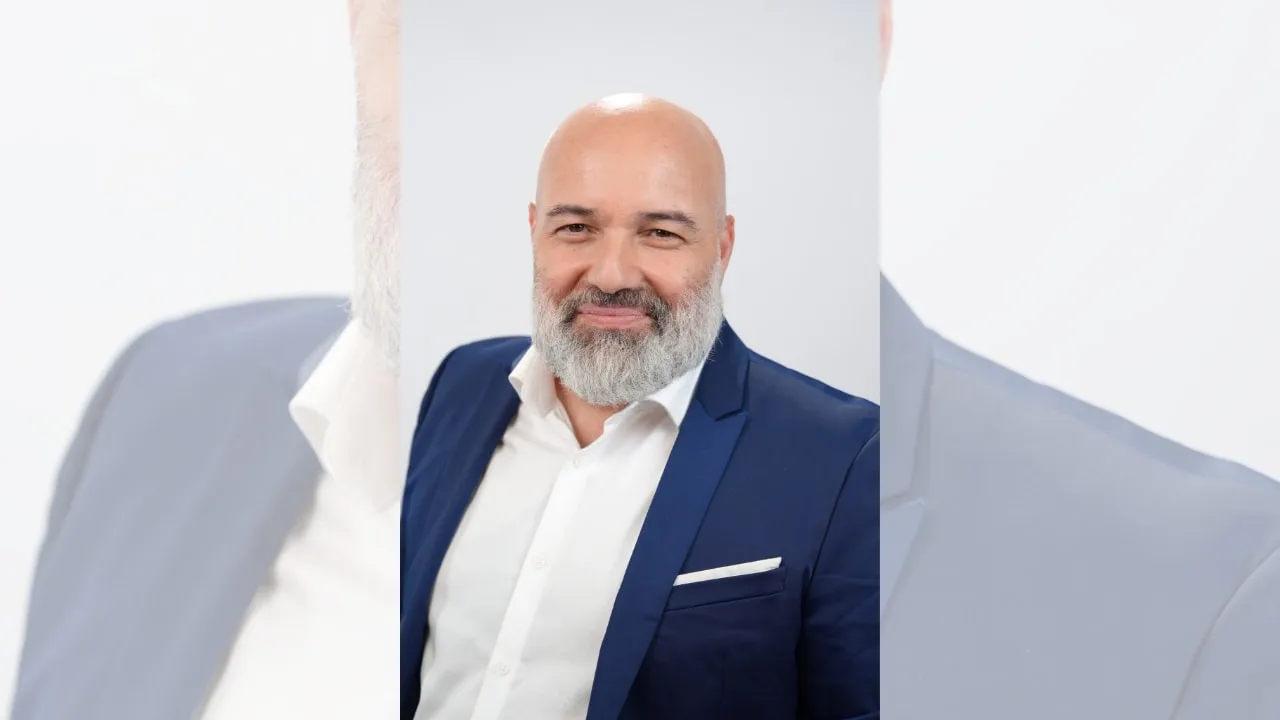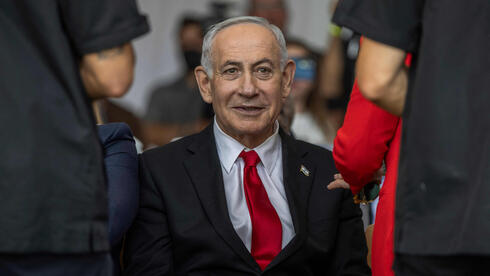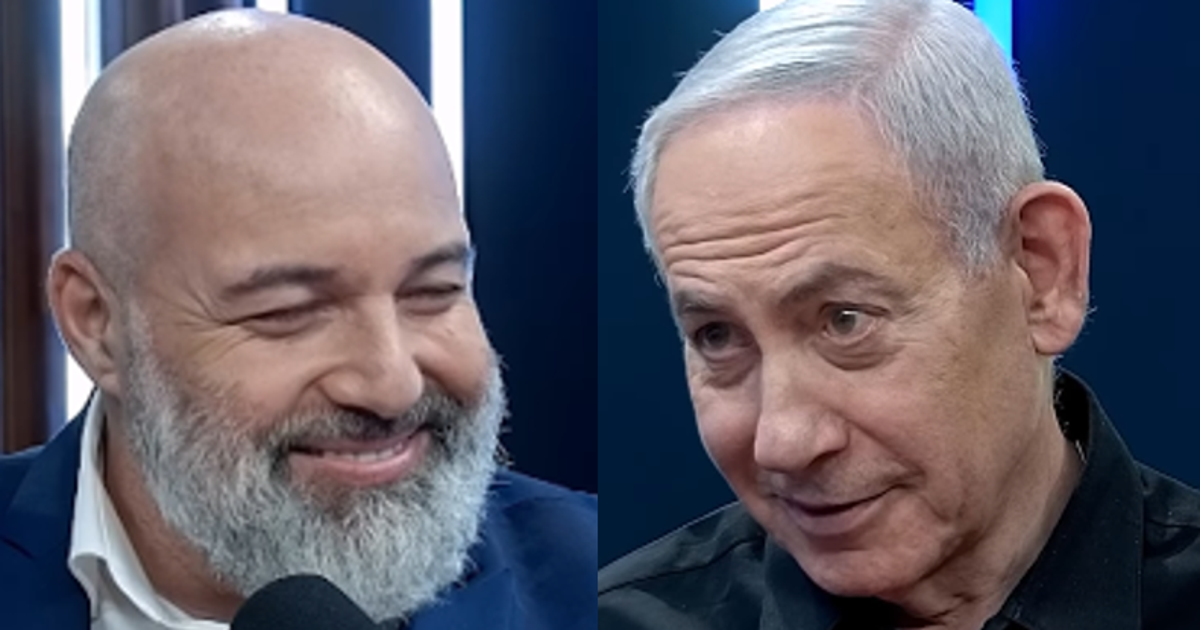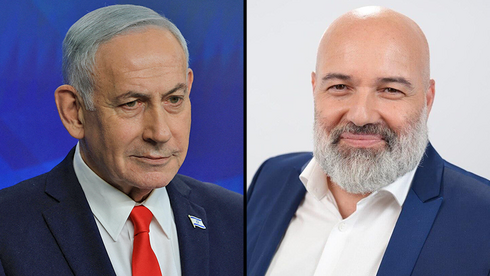
Oren Dobronsky, Netanyahu’s first handpicked Likud candidate, built Hotbar into a global hit before it drew fierce criticism over ads, tracking and removal — then reinvented himself in Silicon Valley, restaurants and TVMeta CEO Mark Zuckerberg, Dobronsky once joked, knows him simply as “the hummus guy.”GalleryPrime Minister Benjamin Netanyahu, Oren Dobronsky (Photo: REUTERS/Ronen Zvulun, Likud)But for Israelis who followed the tech industry in the early days of the internet, Dobronsky may be better remembered — and not always fondly — as one of the entrepreneurs behind Hotbar, a browser toolbar that became enormously popular in the early 2000s before drawing criticism over advertising, tracking and the difficulty some users reported in removing it from their computers.Netanyahu named Dobronsky on Monday as the first of eight candidates the prime minister has been given authority to personally place on Likud’s candidate list for the next Knesset.Likud said Dobronsky would focus on artificial intelligence in areas including the economy, education and health care if the party returns to government after the election.His selection brings into politics an entrepreneur whose career stretches from the early Israeli internet industry to Silicon Valley startups, restaurants and television.Dobronsky entered Israel’s emerging technology sector after completing six years of service in Mamram, the IDF’s central computing unit, which has produced generations of Israeli tech entrepreneurs.His first startup was an online classified advertising board, among the first of its kind in Israel. It failed commercially.Hotbar (Photo: Screengrab)Dobronsky established his reputation as a successful tech entrepreneur in the late 1990s, shortly before he was due to begin studying medicine at Tel Aviv University.Together with Gaby Carni, he founded Hotbar, which developed a toolbar allowing users to customize the appearance and functionality of their web browsers and email programs.At a time when the internet offered far fewer personalization options than it does today, Hotbar allowed users to add colorful themes, backgrounds and animated icons to their browsers. It also offered emojis and backgrounds for email messages and incorporated features including a search box, weather updates and direct links to shopping and content websites.Hotbar became an international success and at one point was installed on an estimated quarter of the world’s personal computers. The company was regarded as one of Israel’s more promising and profitable startups during the era.But its rapid growth was followed by mounting controversy.Security researchers, antivirus companies and users criticized the software, alleging that it monitored browsing habits to deliver targeted advertisements, sometimes changed browser search settings, slowed computers and could be difficult to uninstall.Major cybersecurity companies including McAfee and Symantec eventually classified Hotbar as adware, a term generally used for software designed to automatically display advertising and often applied to potentially unwanted programs.Hotbar fought the characterization.The company sued Symantec after its Norton antivirus software began automatically removing the toolbar from users’ computers. A U.S. federal court rejected Hotbar’s case.Technology publications also criticized the software over pop-up advertising and its monitoring of users’ browsing behavior.Revital Salomon, a former editor at financial newspaper TheMarker, recalled the controversy Monday on X after Dobronsky’s entry into politics was announced.Salomon said that when she once described Hotbar as adware, it was “the first time I was threatened with a libel lawsuit.”She remains sharply critical of the product, writing that Hotbar “was one of the worst pieces of garbage you could install on a computer in the 2000s.”Dobronsky defended the company at the time.“We don’t understand why people are smearing us,” he told ynet in an interview during the controversy. “There is no adware company in the market as fair as Hotbar.”He also maintained that the program could easily be removed through Windows’ standard software removal process.Dobronsky moved Hotbar’s headquarters to Manhattan in July 2000 and relocated to the United States.Hotbar was sold in 2006 in a deal valued at about $50 million.Dobronsky remained in the United States and continued building technology businesses. He founded Infolinks, an online advertising company, as well as SmartShopper, a price-comparison service.In 2008, he moved from New York to Silicon Valley, where his career took an unexpected turn into the restaurant business.Dobronsky opened Oren’s Hummus in Palo Alto, California, seeking to bring Israeli-style hummus to the heart of the technology industry.Within a week of its opening, dozens of customers were lining up outside the restaurant. The business later expanded to six additional locations across Silicon Valley.The restaurants also introduced Dobronsky to another corner of the technology world.“Mark Zuckerberg knows me as the hummus guy,” Dobronsky later said in an interview. “He has no idea I’m a tech guy.”Dobronsky continued working in technology alongside the restaurant business and was involved in establishing other companies, including OwnerListens and Crossrider.Since 2018, he has also been a panelist on “The Sharks,” Israel’s version of the international “Shark Tank” television format, in which entrepreneurs pitch their businesses to a group of wealthy investors.That role made Dobronsky familiar to a much broader Israeli audience than his technology ventures had.Now, after decades moving between Israel and the United States and between technology, investment and restaurants, Dobronsky is preparing for another career change — this time into politics.Netanyahu’s decision to reserve a place for him on the Likud slate guarantees Dobronsky a prominent position in the party’s election campaign and could put the longtime entrepreneur in the Knesset for the first time.His precise position on the Likud list will be announced after the party holds its primary. He is expected to receive a relatively high slot among the eight positions Netanyahu has been given authority to fill.
Netanyahu’s new recruit: the man behind one of the 2000s’ most reviled tech tools
Oren Dobronsky, Netanyahu’s first handpicked Likud candidate, built Hotbar into a global hit before it drew fierce criticism over ads, tracking and removal — then reinvented himself in Silicon Valley, restaurants and TV
910 words~4 min read