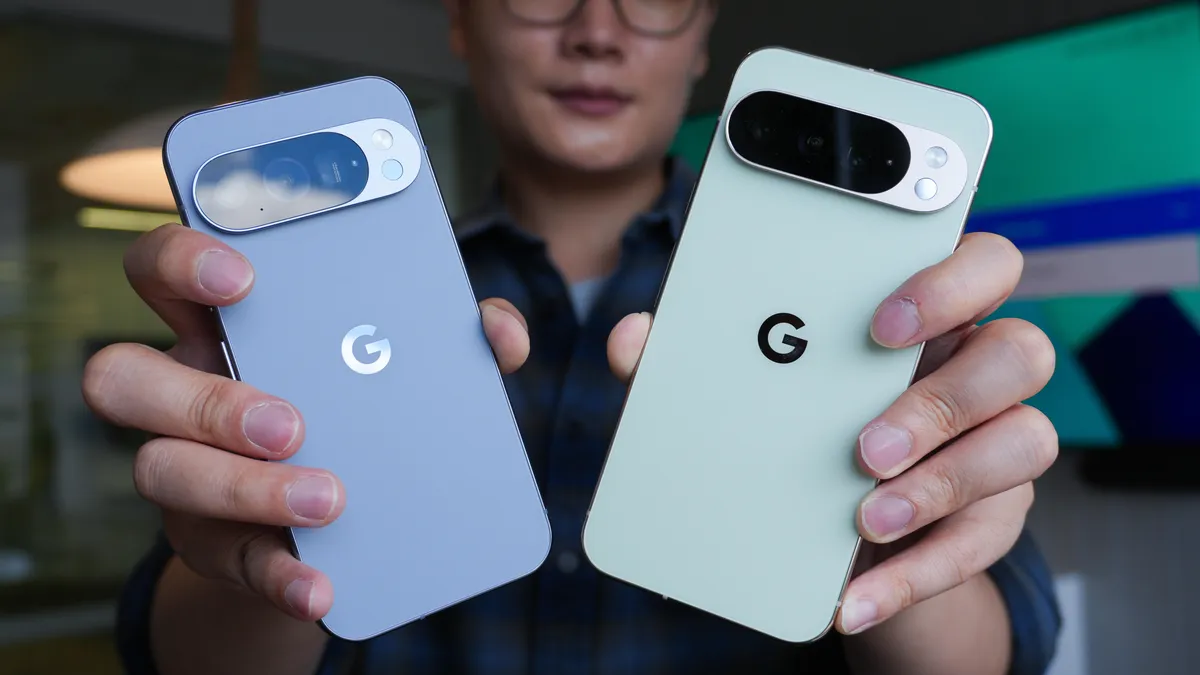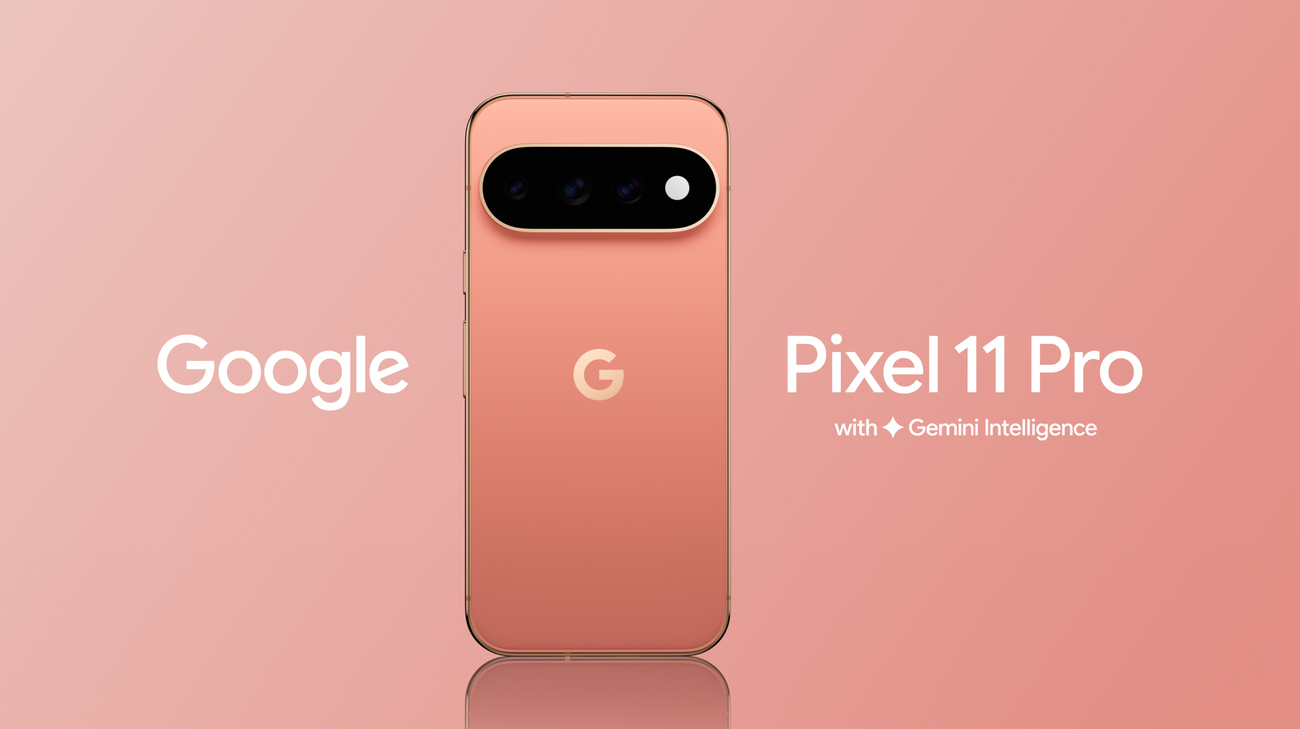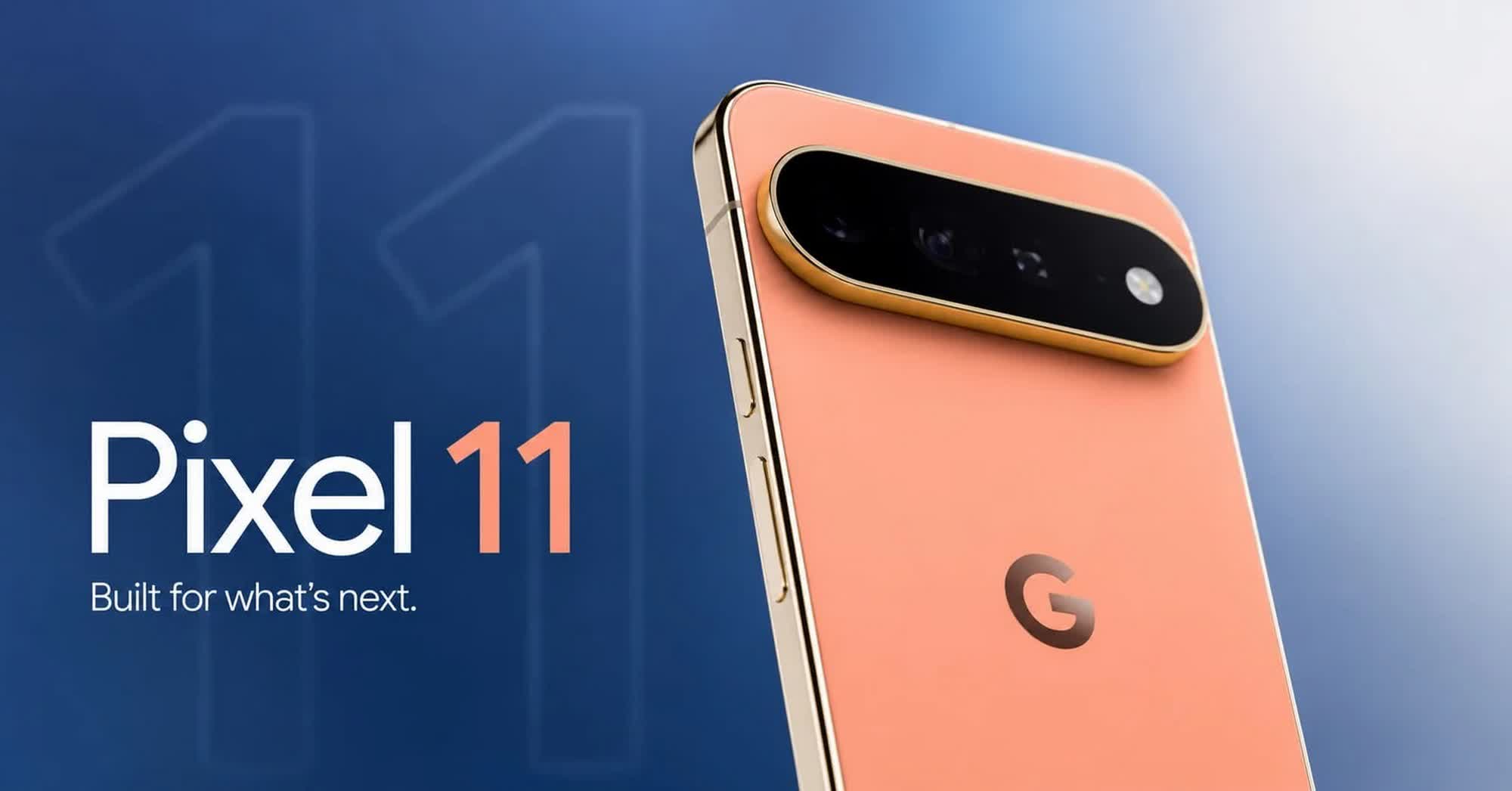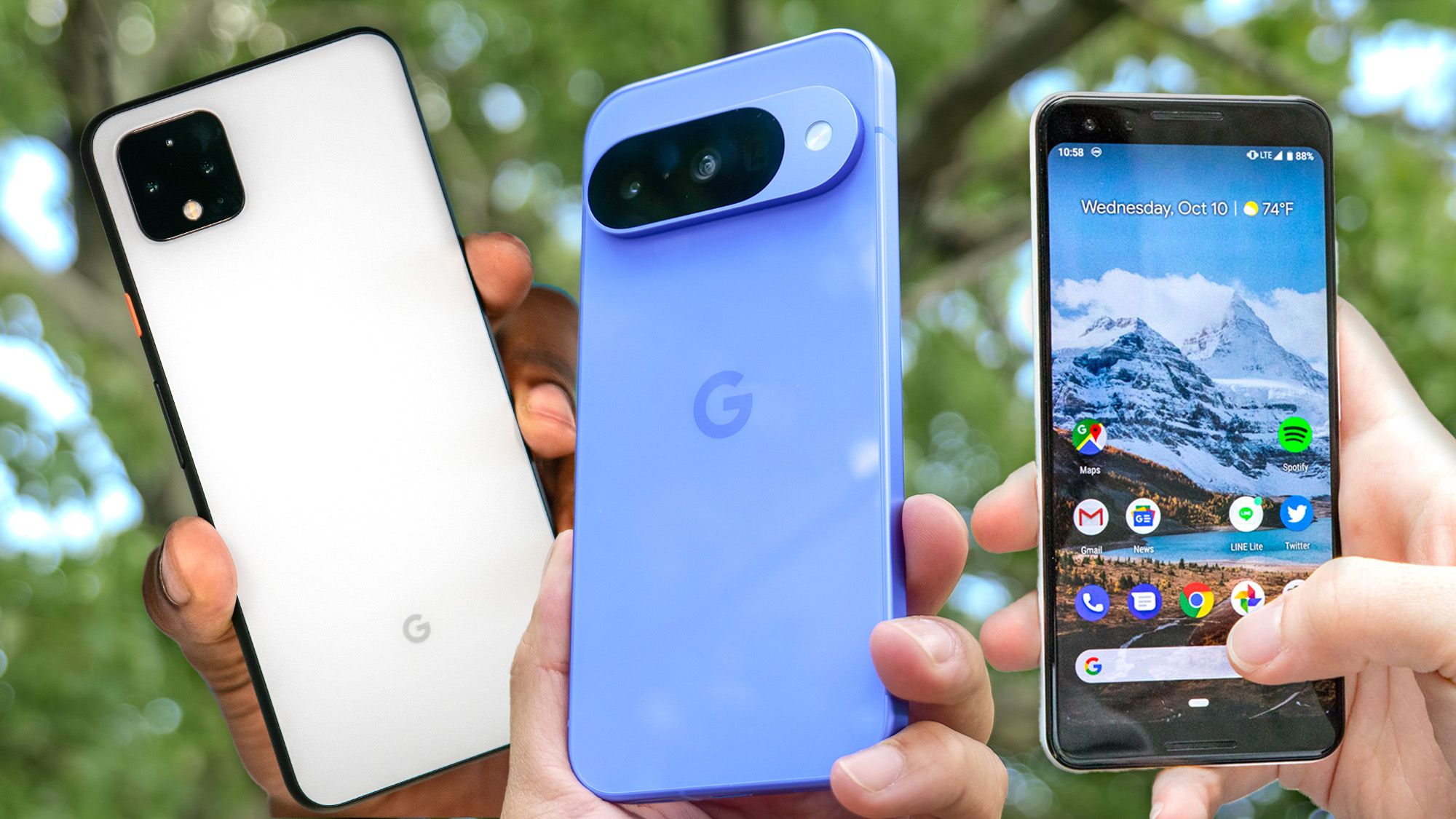
(Image credit: Tom's Guide/Bloomberg/Getty)
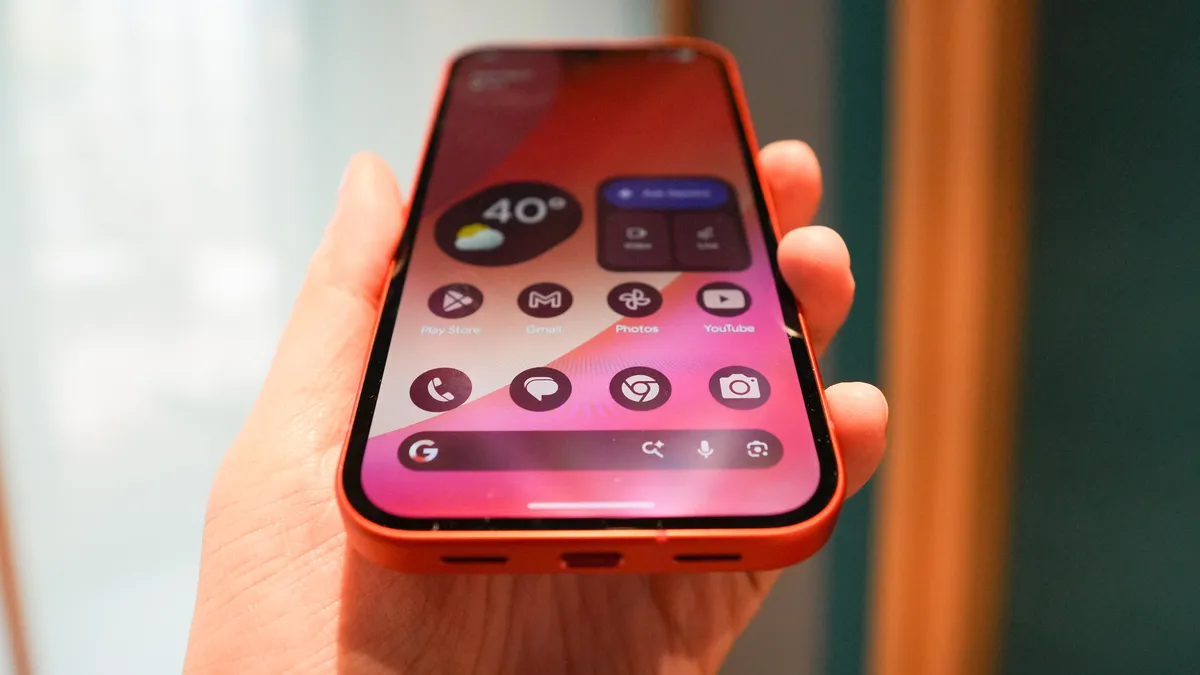
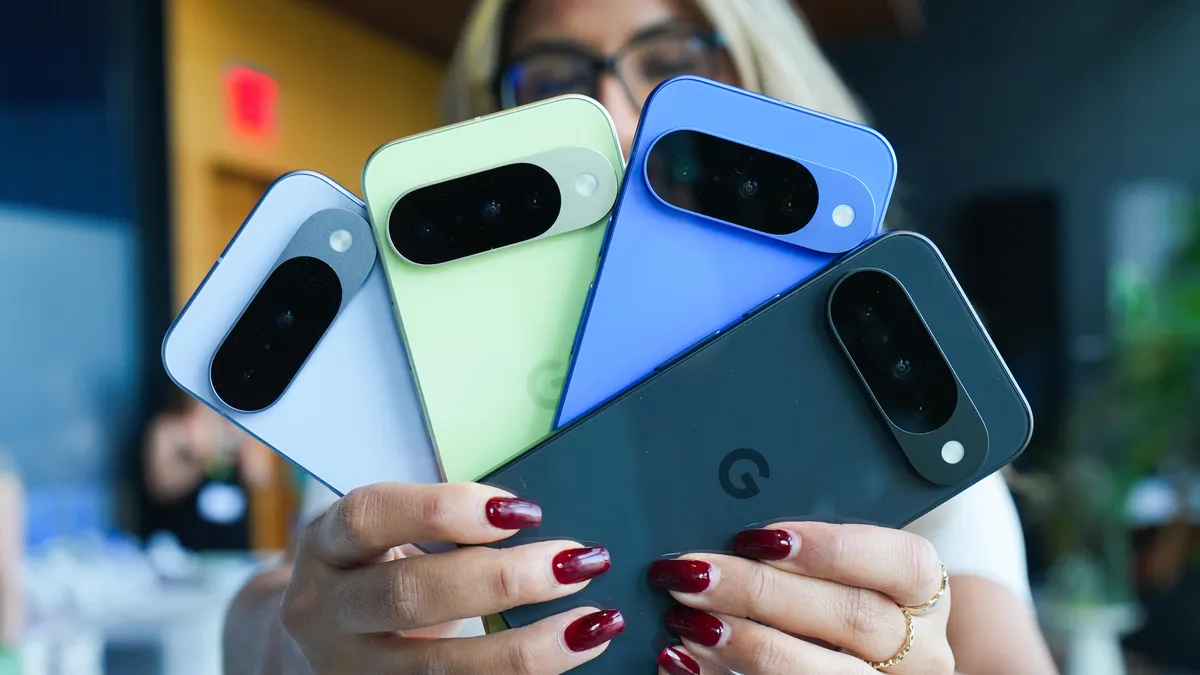
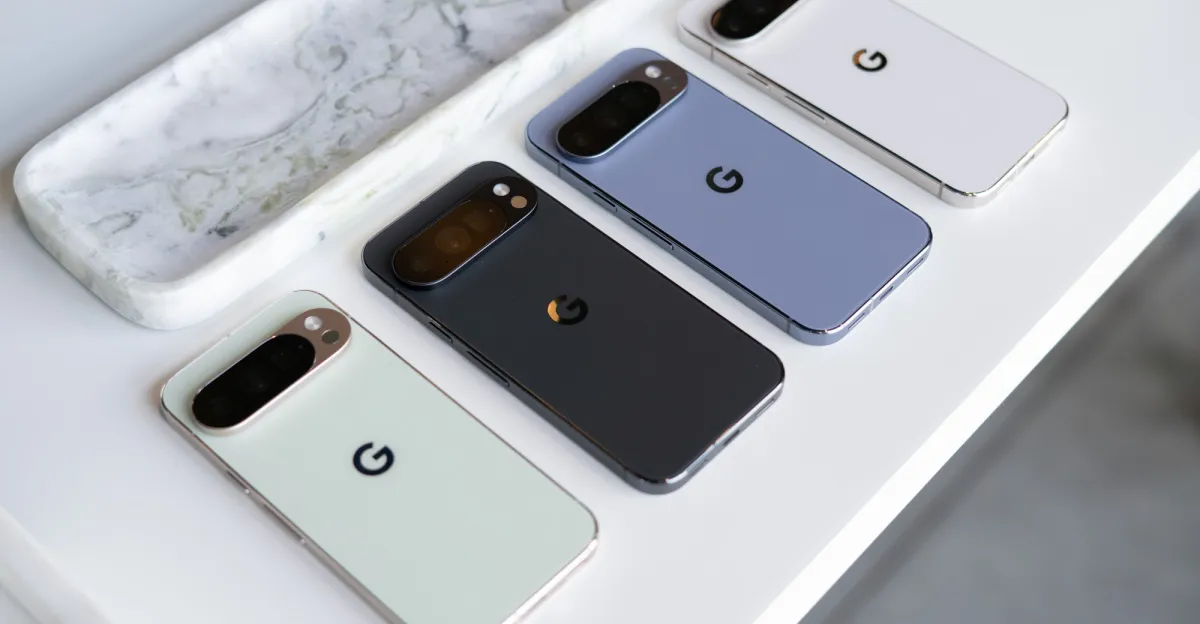
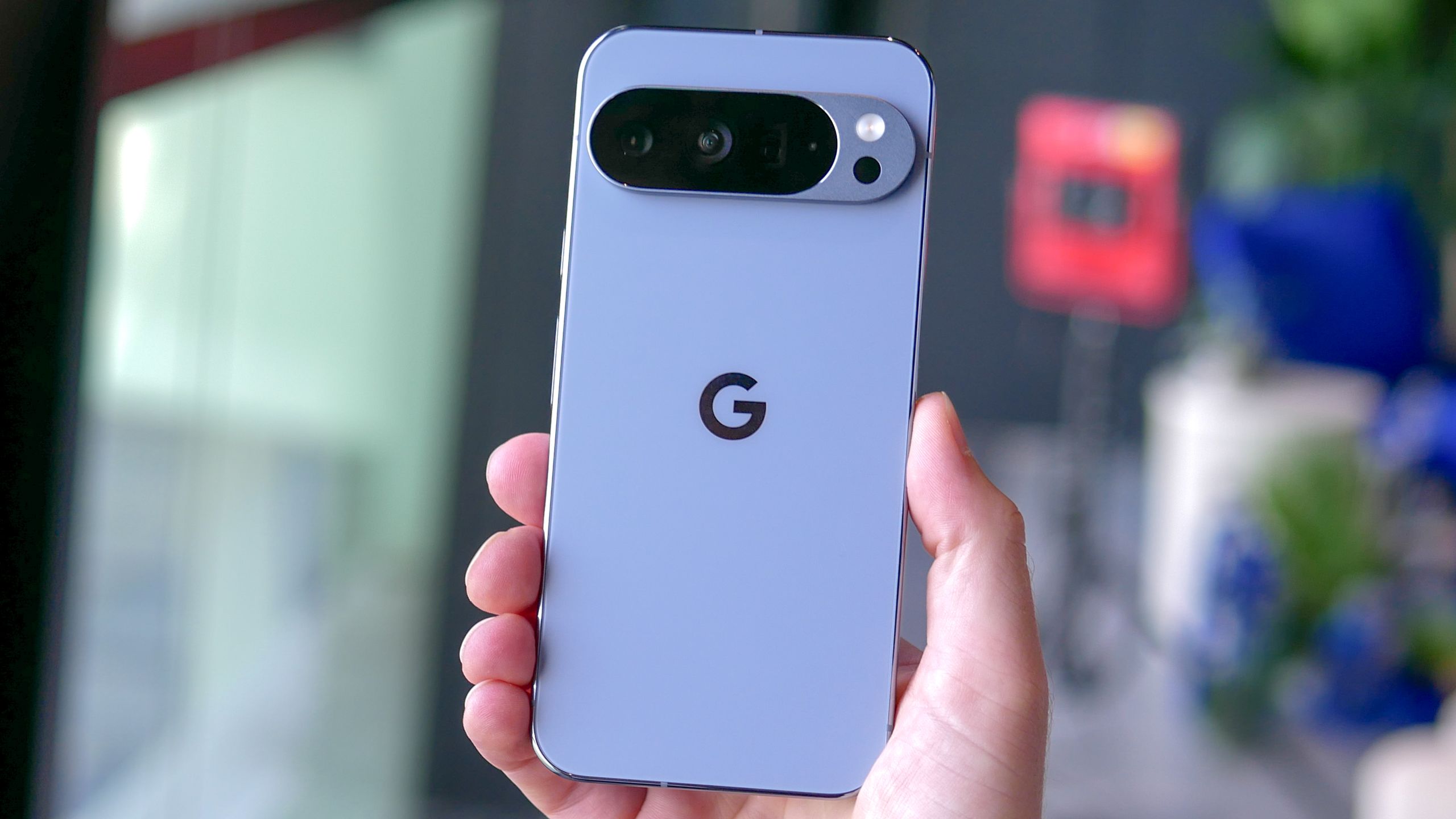
It’s kind of hard to believe that the Google Pixel 11 series is about to launch. Yes, it’s been 10 years since the introduction of the first Pixel phone, which was the first truly “made by Google” device. (Yes, there were Nexus phones before that, but that was through partners like HTC.)The original Google Pixel had a 5-inch OLED display, 4GB of RAM and an 8MP camera running Android 7.1 Nougat. But it wasn’t about the specs. It was about making a device that was a differentiated flagship that could go toe-to-toe with the iPhone 7 and Galaxy S7. A true Apple rival that had Google-made hardware and software.To do that, Google leaned heavily into computational photography before anyone else, elevating image quality via sophisticated processing as opposed to just hardware. And the first Pixel also paved the way for AI as a hallmark feature in phones, with Google Assistant being built directly into the OS.But now that we’re a decade in, what does Google have to show for its efforts? A fairly low No. 10 in global market share, according to IDC. And with the Apple-Samsung duopoly still going strong in the U.S. and the likes of Xiaomi, Oppo and Vivo dominating in China, does it still make sense for the Pixel to exist?With the Pixel 11, Pixel 11 Pro and Pixel 11 Pro Fold right around the corner, I asked three of the smartest mobile analysts why Google is still making phones, and what the company can do to stand out.