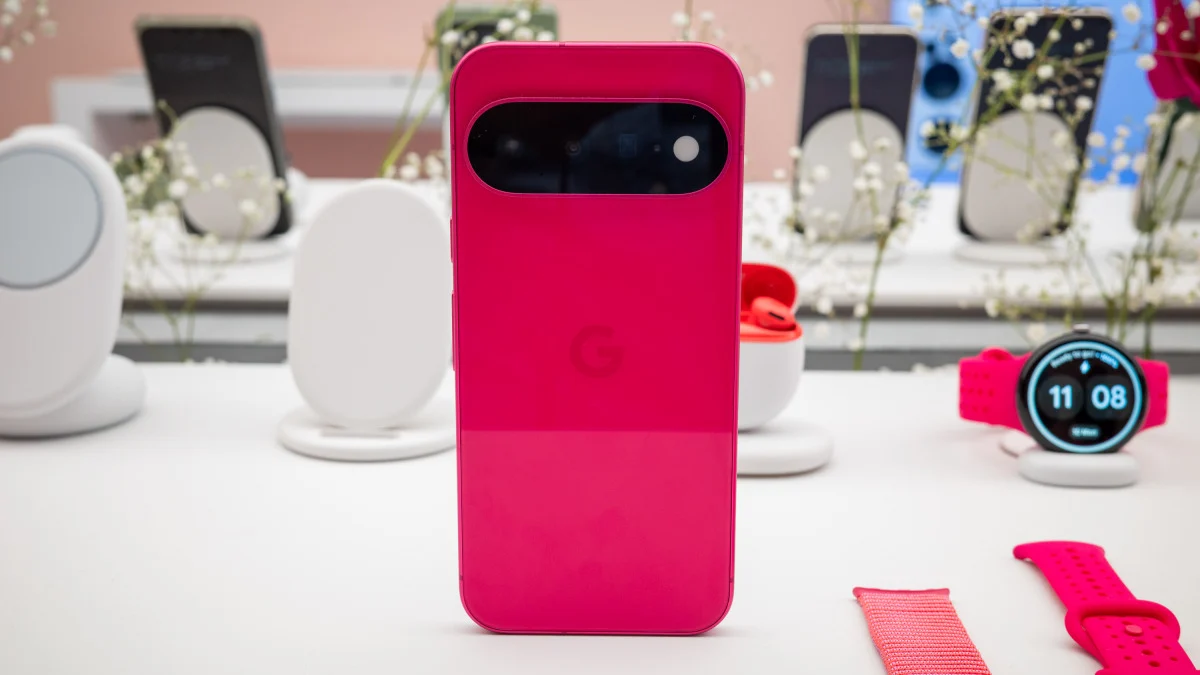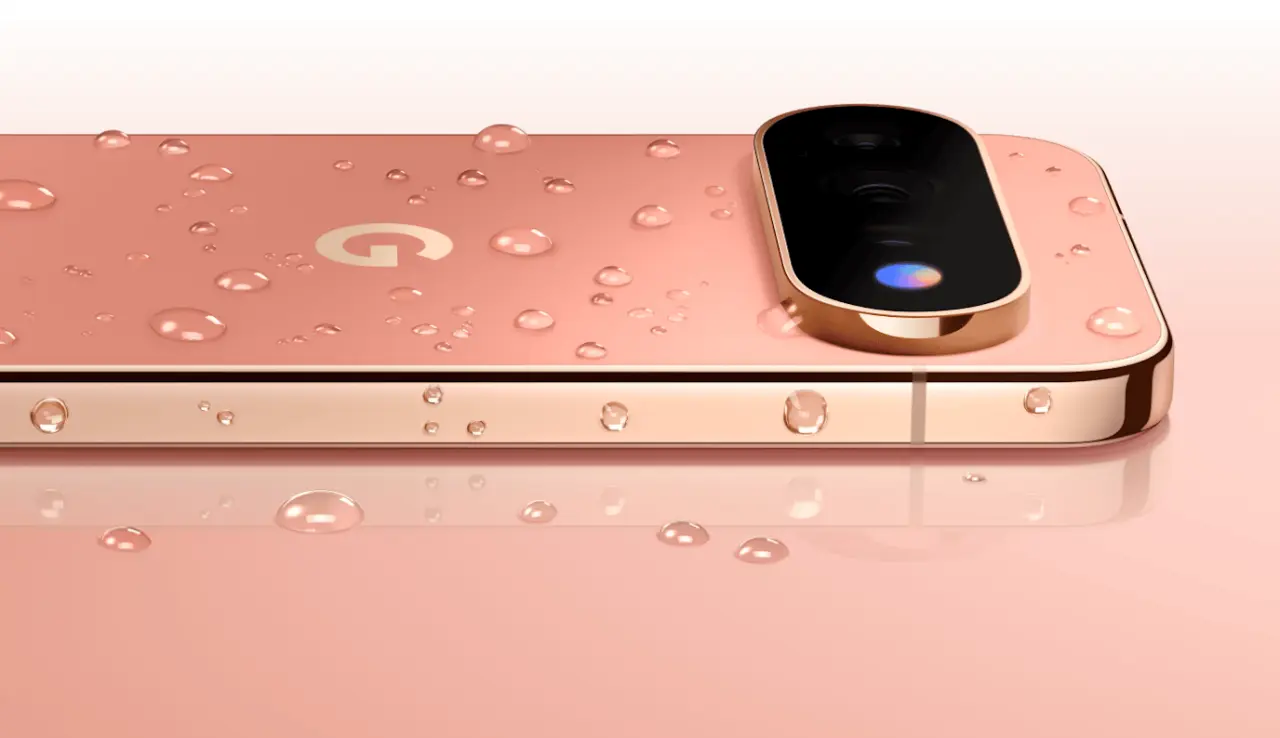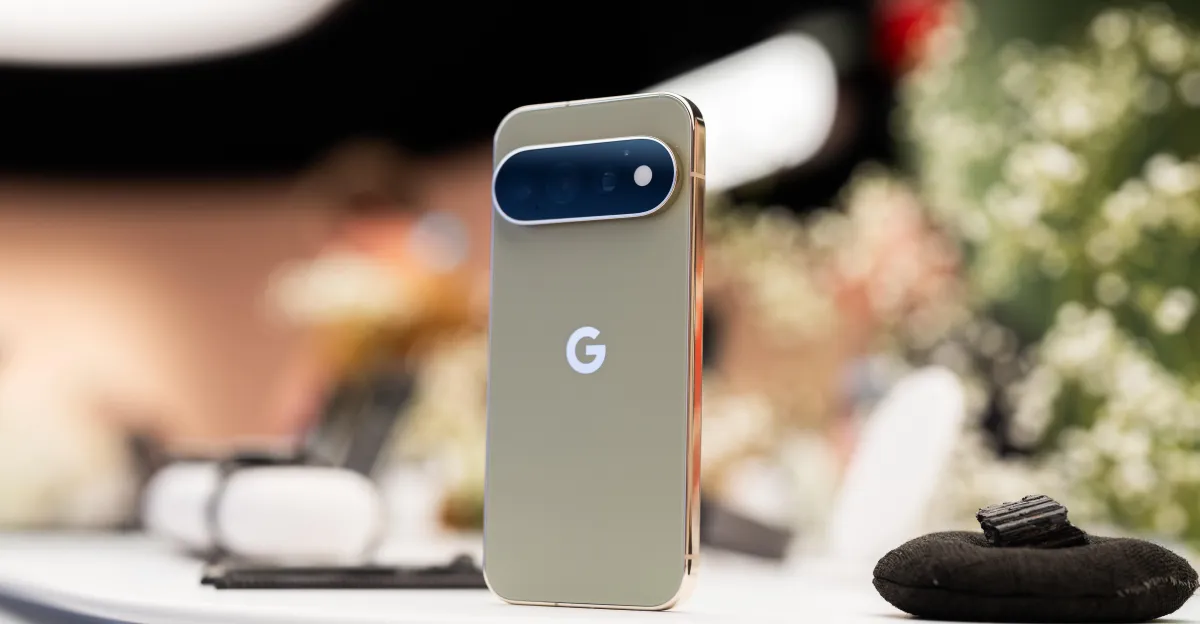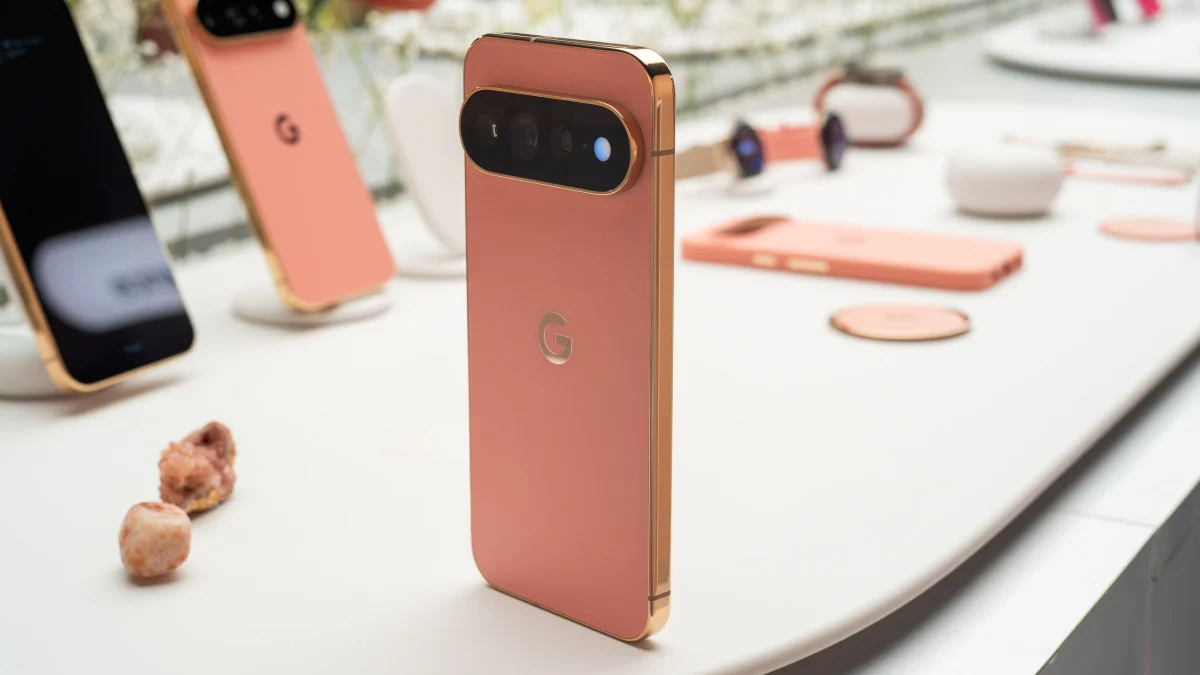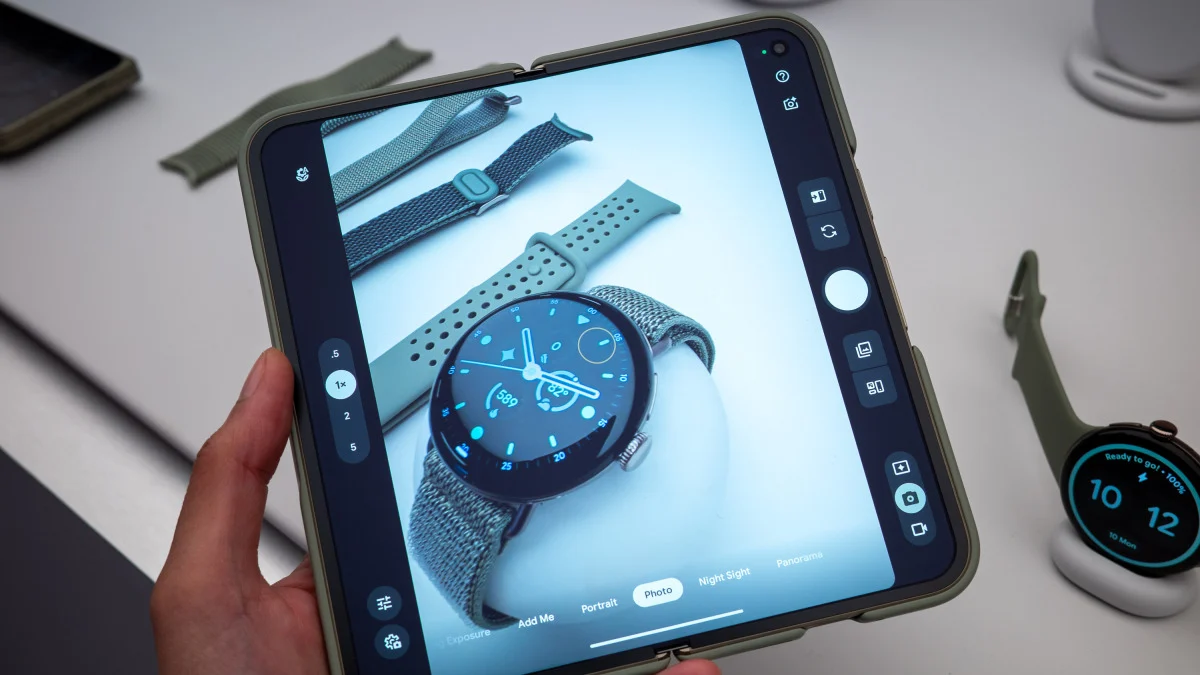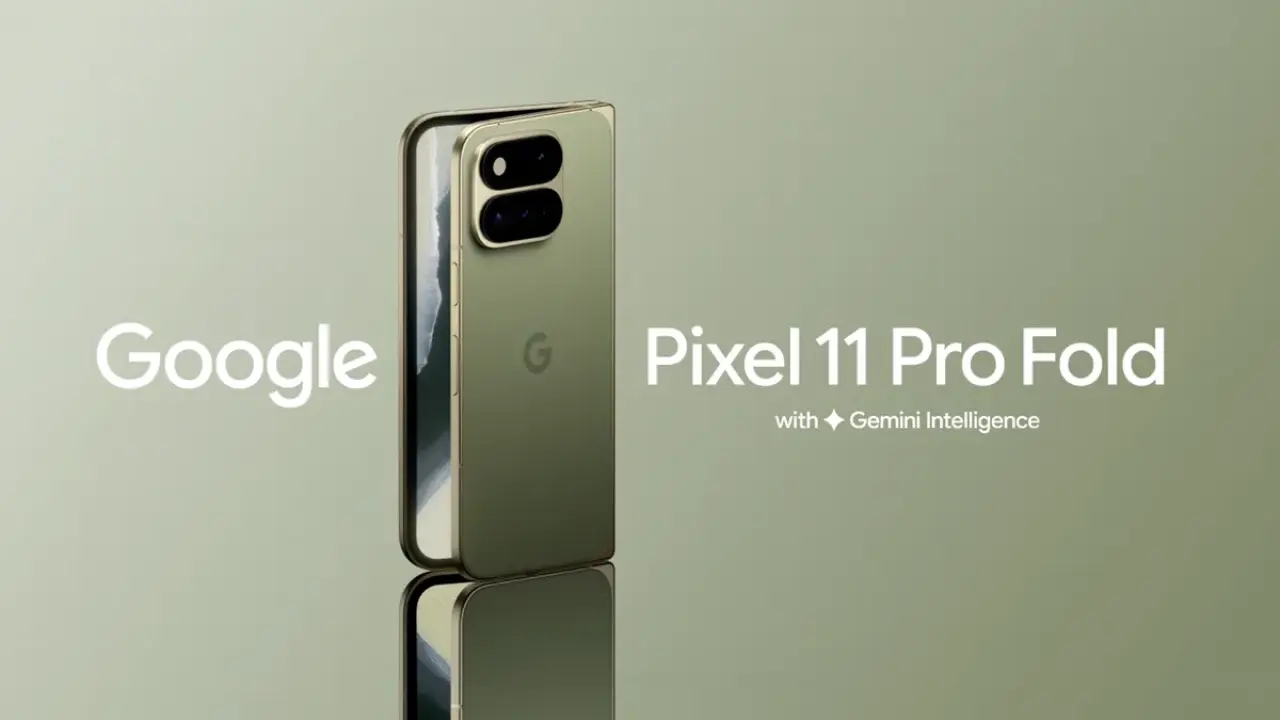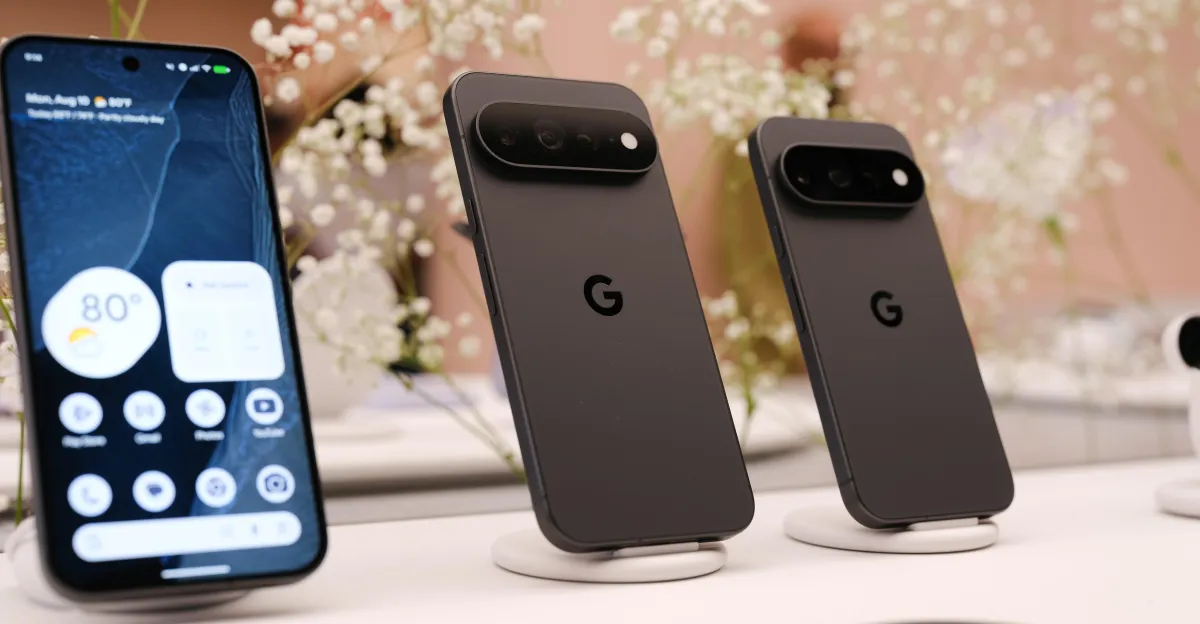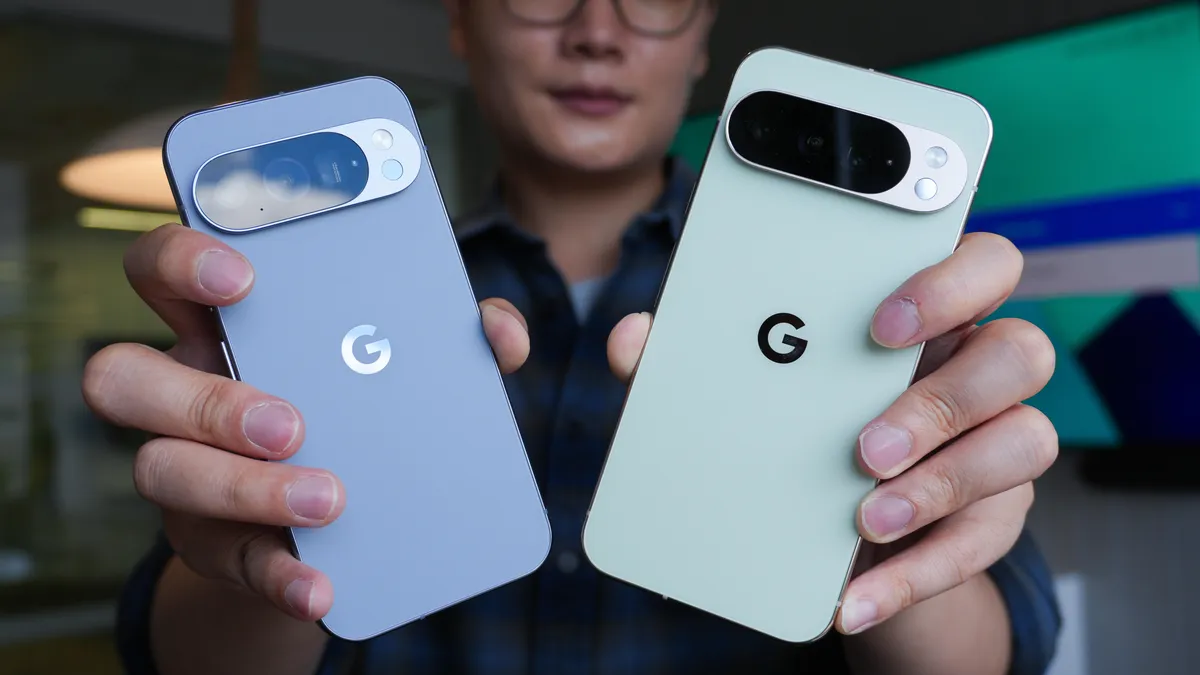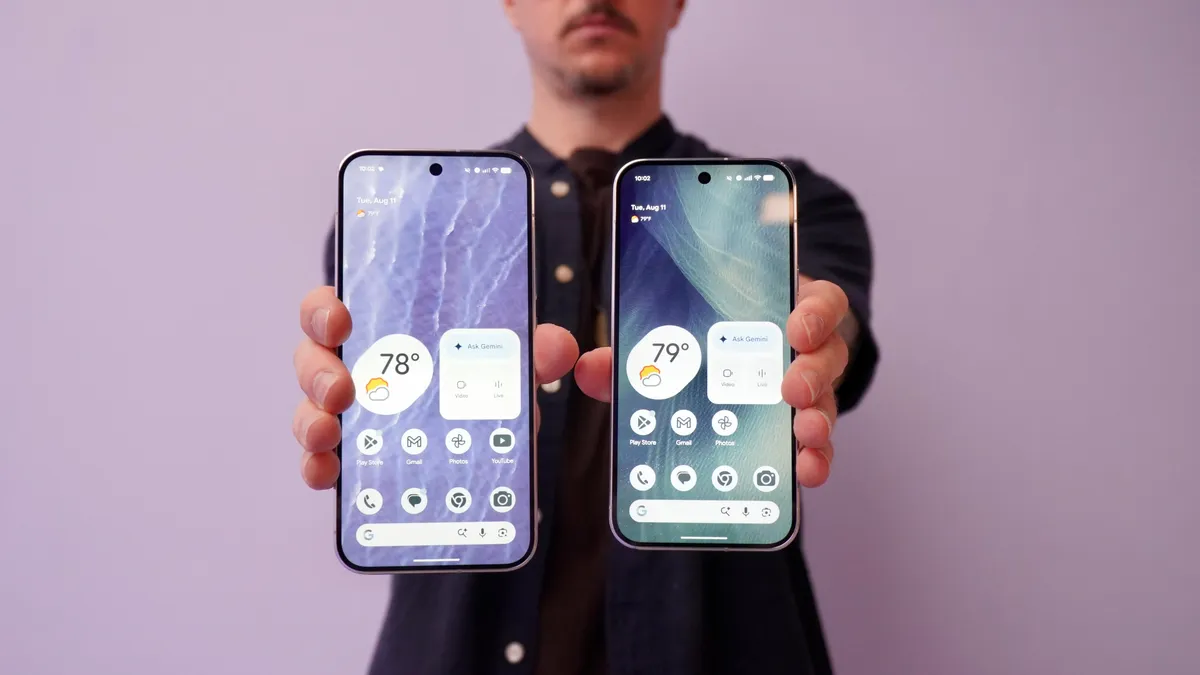
Google Pixel 11 Pro XL and Pixel 11 Pro. Nina Raemont/ZDNETFollow ZDNET: Add us as a preferred source on Google.ZDNET's key takeawaysGoogle announced its 11th-generation Pixel phone lineup. The base Pixel 11 will start at $899 with 256GB of storage. The Pro phones feature a new LED effect called "HiLight" that illuminates different colors based on who's calling. Google's 11th-generation of Pixels have arrived, including its new book-style foldable, the Pixel 11 Pro Fold. The 11th-gen phones don't rewrite the playbook on features or design, but they do come with some incremental hardware upgrades, some new AI-powered features, and a new glowy-light on the camera bump that illuminates different colors based on who's calling you. We have slightly improved cameras across the board, batteries, and a 256GB starting configuration for the base model Pixel 11 (Google no longer offers the 128GB option) with a starting price of $899. Also: This new Google product flew under the radar - but you can bet Apple took noteBeyond the new phones, Google also announced its latest smartwatch, the Pixel Watch 5, which comes with blood pressure tracking and insulin resistance, as well as Google's Health Coach feature, which aims to summarize health metrics into understandable terms. Interestingly, Google also dropped a new Bluetooth tracking device: the Pixel Tag, designed to rival Apple's AirTag with Bluetooth Channel Sounding and Ultra Wideband support for precision finding, which could make them more accurate and at longer ranges. How to watch the Made by Google eventMade by Google will be livestreamed at 6pm EST on Wednesday, August 12th and hosted by Trevor Noah. If you miss the show, you can re-watch it on Google's official YouTube channel. 1. Google Pixel 11, Pixel 11 Pro, and XL Google Pixel 11 base model. Kyle Kucharski/ZDNETAs mentioned, the starting price for the base model is higher, at $899, but you're getting double the storage as last year. This move suggests Google wants to push the Pixel series further into premium flagship territory, and removing the lowest-tier (which is also its lowest margins) is a way to knock the most budget phones off the catalog.Also: Google's new Pixel 11 makes a strong case for skipping the Pro models - here's whyThis puts the base model and Pro in a very similar position in terms of build and hardware. For one, they're essentially identical in size and weight. Their batteries are also largely the same, each getting up to 30 hours of life according to Google. They each have the same Google Tensor G6 processor, they both start with 12GB of RAM (although the Pro can be upgraded to 16GB while the base model cannot). Same goes for storage: the base model is capped at 512GB while the Pro can go up to 1TB. Google Pixel 11 Pro in Fog, Cayon, and the Pixel 11 in Obsidian. Kyle Kucharski/ZDNETThe big differences between the two, unsurprisingly come down to the camera. The Pixel 11 has a 48MP main camera with a 13MP ultrawide, significantly less powerful than the Pro's 48MP ultrawide lens. The smaller image sensor here means it'll be fine for everyday users, but potentially grainy and lower quality compared to the pro-level photos the higher-end models will be able to produce. When it comes to video, the Pro is also just a better. You've got 8K video recording at 24/30 FPS (with Video Boost) on the Pro, compared to 4K video at 24/30/60 FPS on the base model. The suite of AI features is also a little more robust on the Pro models, with Night Sight and pro stable video not available on the base Pixel 11.The base model Google Pixel 11 starts at $899 and is on preorder starting today. The Pixel 11 Pro starts at $1,099. 2. Google Pixel 11 Pro Fold Google Pixel 11 Pro Fold in Obsidian. Kyle Kucharski/ZDNETGoogle's Pixel 11 Pro Fold comes hot on the heels of Samsung's popular Galaxy Z Fold 8, which debuted with a rather unexpected size and shape that ended up being, to us at least, a hit. Rumors suggest Samsung designed the passport-sized phone to compete with a forthcoming foldable iPhone in September, but Google stuck by the tried and true playbook with this year's book-style foldable. Also: Pixel 11 Pro Fold vs Samsung Galaxy Z Fold 8 Ultra: How the big Android foldables compareThe Pixel 11 Pro Fold comes with an eight inch inner OLED display with a 2076 x 2152 resolution and 120Hz refresh, scaling up to 3,600 nits of brightness and HDR support, making it easy to see in bright light. The crease feels about the same as last year: it's not invisible, but it's not something you notice when you're looking at content on the screen, especially after you get used to it. The 6.5-inch Super Actua external OLED display looks just as good when folded up, measuring 6.1 inches in height and three inches across exactly, matching the traditional long and thin foldable size closer to the Galaxy Z Fold 8 Ultra. The Pixel 11 Pro Fold has a multi-alloy steel hinge. Nina Raemont/ZDNETThe 11 Pro Fold features a 4,806 mAh battery that supports fast charging: up to 50% in 30 minutes, with up to 24 hours of battery life according to Google's metrics. The Pixelsnap support for wireless charging (or MagSafe charging) is a big plus that sets it apart from the Samsung foldables, which don't have any magnetic element on the phone to support accessories, even if they do support wireless charging.The Google Pixel 11 Pro Fold is available for preorder today, and starts at $1,899 for the 16GB model. 3. Google Pixel Watch 5 Google Pixel Watch 5 in Canyon and Olive. Kyle Kucharski/ZDNETGoogle unveiled its Pixel Watch 5 on Wednesday with a few new health and exercise features that are worth writing home about. While the battery life on both the 41mm and 45mm Pixel Watch 5 is about the same as its predecessor's, the watch gets an accelerated Snapdragon chip that boosts performance by 20%. This means the Watch 5 will feel a little bit smoother to use -- and with double the storage capacity. Marathoners, cyclists, and long-walkers will be happy to learn that the smartwatch's GPS gets an accuracy boost this year that will make route-tracking even more precise, Google says, compared to rugged competitors like the Apple Watch Ultra 3 or Garmin Fenix 8 Pro. Also: Pixel Watch 4 vs. Pixel Watch 5: Buy the old Android smartwatch or opt for the newest?If you prefer strength training, Google has built a new feature that walks you through your circuit, indicating the weight, equipment, sets, reps, and rest time of each exercise. This is the first weight-training-specific exercise feature I've seen on a mainstream smartwatch, and I look forward to when Google's competitors eventually catch on and build this into their devices. On the health-tracking front, Google also unveiled Health Guardian with the Pixel Watch 5. The feature, located within Google Health, tracks blood pressure patterns, potential insulin resistance, and more long-term conditions that lead to health complications over time. Neither the blood pressure feature requires a blood pressure cuff, nor the insulin resistance feature a continuous glucose monitor. Google Pixel Watch 5 in Olive. Kyle Kucharski/ZDNETIt employs the sensors in the Pixel Watch to do the heavy lifting and leverages an algorithm that connects biometric data with high blood pressure or insulin-resistant diagnostics. Since these conditions are tracked through longitudinal data, Health Guardian updates monthly in the Google Health app. These health summaries not only arrive on the Pixel Watch 5, but also extend to other wearables in Google's health portfolio, including the Fitbit Air. The Pixel Watch 5 starts at $399 for the 41mm device and $429 for the 45mm device. 4. HiLight Google Pixel 11 Pro with the HiLight in pink and green. Kyle Kucharski/ZDNETAvailable on the Pixel Pro models, we got a bit of a nostalgic feature reminiscent of older Androids with similar functionalities. Google's calling it "HiLight", and it lights up the LED light on the camera bar in different colors, based on who's calling you. The idea is that you can be notified of this information if your phone is face down, for example, if your phone is on silent and without having to look at the screen. It's rather limited at the moment (only five colors to choose from, and only with calls -- no texts) and glows a rainbow color when you invoke Gemini. We tried the feature out ourselves at Google's demo space in New York ahead of its event, and found the effect to be rather subtle (this is no intense light show by any means) making it more of a niche supporting functionality than a flagship feature. Also: This subtle Pixel 11 Pro feature reminded me of the golden days of Android phonesAdding additional layers of customization would certainly make this feature more compelling, as would improving the hardware behind the light itself. Google said it's looking at including support for text messages in the near future, but wouldn't comment on whether or not it would include support for third party apps. 5. Pixel Tag Nina Raemont/ZDNETNot to fly under the radar, one of the more interesting announcements was Google's own finder tag -- the Pixel Tag, designed specifically to rival Apple's AirTags. The Pixel Tag supports Bluetooth Channel Sounding, an emerging device-tracking technology that uses Phased-Based Ranging (PBR), which is more accurate in determining the distance between two devices, such as your Google Pixel 11 and your Pixel Tag. RSSI signals are easily obstructed by objects, walls, and environmental interference from other devices on the Bluetooth network.Also: This new Google product flew under the radar - but you can bet Apple took note Google's Pixel Tag will work the same way with Google's expanding Find My Device network of Android devices. But Channel Sounding promises you won't need to rely as heavily on the network to locate your tracker, which would be ideal if you're not near other Android devices. Channel Sounding also promises not to engage the even more accurate but power-intensive UWB technology until absolutely necessary, which should extend the Pixel Tag's battery life.
Every Pixel device announced at Made by Google 2026: 11 Pro Fold, Pixel Watch 5, and more
Google's latest Pixel lineup is a little pricier, has a new LED lighting feature, and debuts alongside a new finder tag.
1,700 words~8 min read