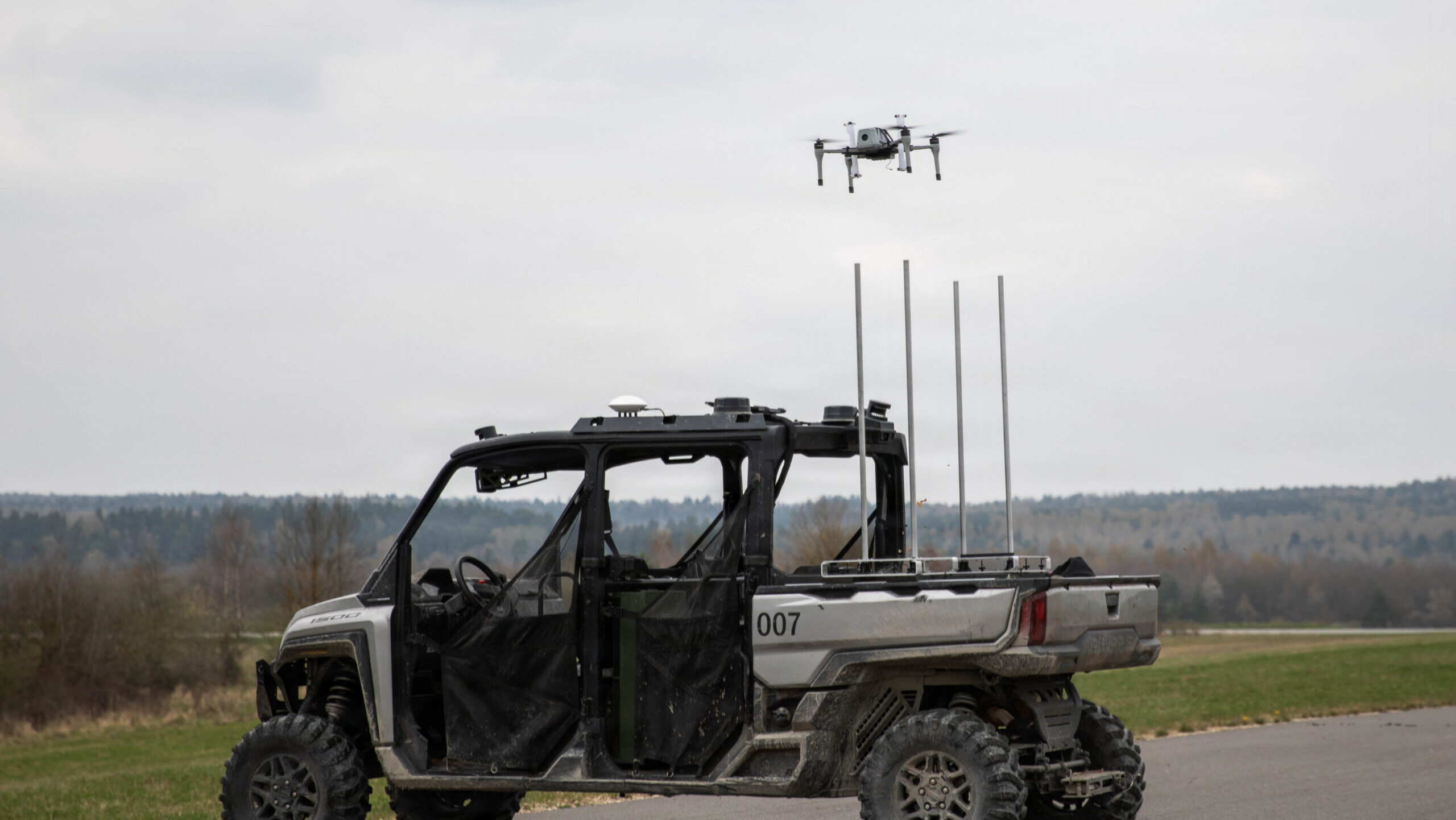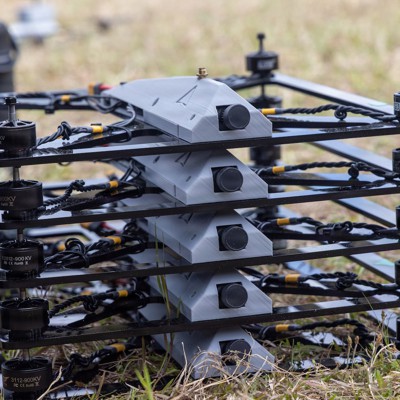
The Air Force spends billions of dollars annually to ensure the airmen and women whose job it is to maintain and sustain the service’s fleet of aircraft can do so effectively, but their efforts have been mired in delays, backlogs at depots, and shortages of workers and spare parts.One of the ways the Air Force is seeking to improve these conditions is with the involvement of drones and robotics to expedite visual inspections. Last month, Asylon, a leading provider of autonomous robotic platforms, announced it had secured a Phase Three contract with the Warner Robins Air Logistics Complex in Georgia.“We already have maintenance backlogs on in a peacetime scenario,” Joe Costa, a former senior Pentagon official, told the Washington Examiner.
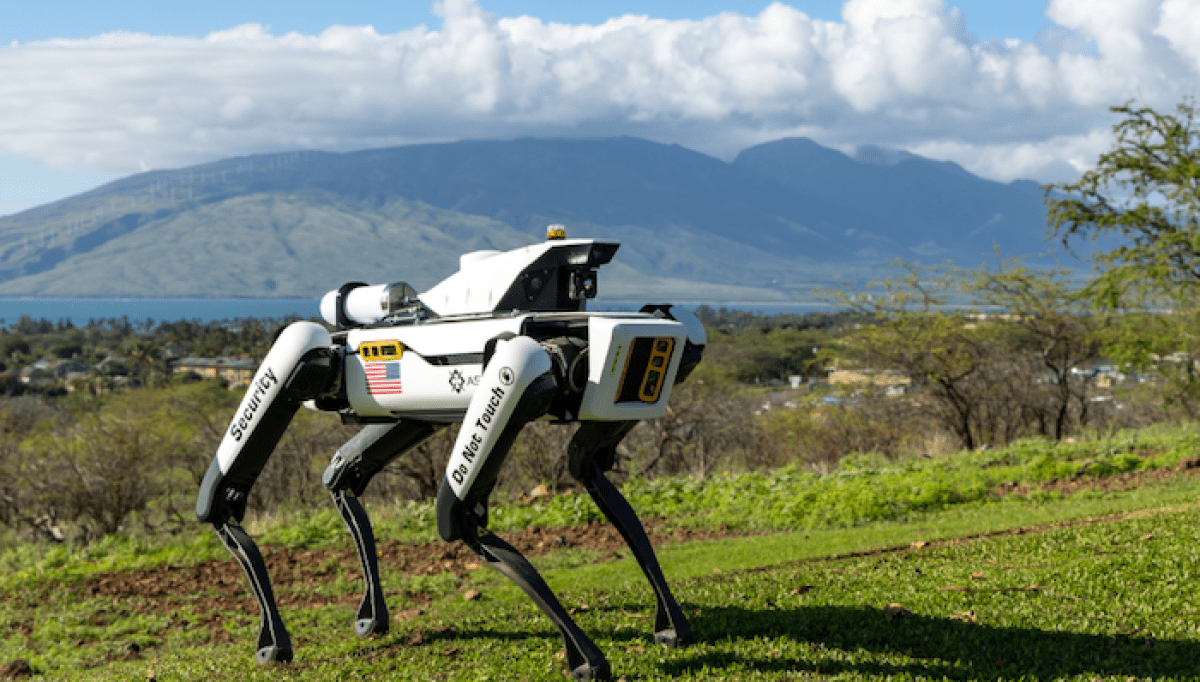
“If you look at how long we would like our destroyers and our aircraft carriers and our fighter jets and all of it to go through a normal maintenance cycle, we’d like it to be a certain period of time. Very often, it goes beyond that, and it goes beyond that because we don’t have enough workers, or there’s too much of a backlog, or demand has consistently been too high,” Costa, who is now with the Atlantic Council, said. “What’s happening here is that we’re just adding to that backlog.”Asylon manufactures the DroneDog, a robotic-looking dog primarily used for security. A new Air Force contract will see if the drone dog and a regular drone can help automate parts of the aircraft maintenance process (Courtesy of Asylon).