The most ambitious piece of crypto legislation to emerge from Congress in years has hit a wall, and it’s made of ethics provisions. Seven Senate Democrats have formally rejected the revised text of the CLARITY Act, arguing the bill doesn’t do enough to prevent public officials from personally profiting off the digital asset market they’d be regulating.
What happened in the House, and what broke in the Senate
The CLARITY Act, formally known as H.R. 3633, cleared the House on July 17, 2025, with a comfortable 294-134 vote. That tally included 78 Democrats crossing the aisle to support it.
The GENIUS Act, a companion stablecoin framework bill, passed the House the same day by an even wider margin, 308-122, after already securing Senate approval.
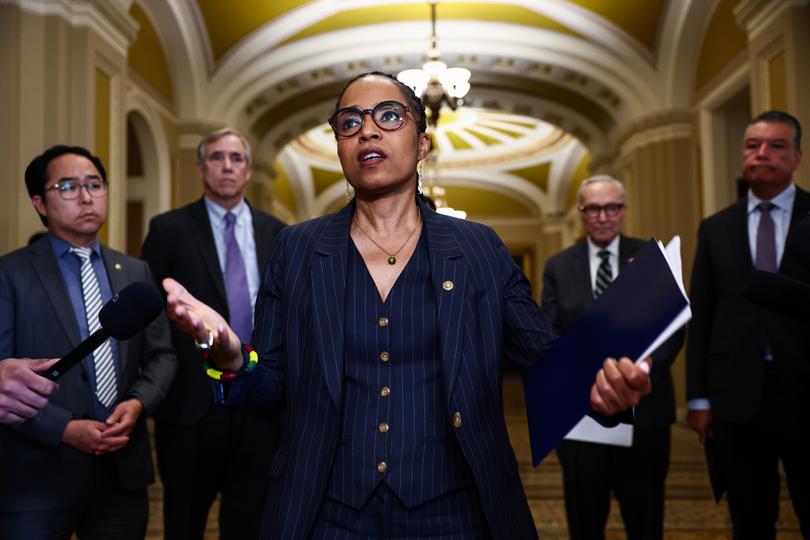
By late July 2026, a group of seven Senate Democrats, including Maryland’s Angela Alsobrooks, had publicly criticized the bill’s revised text. Their core objection: the ethics section was too weak to address the growing entanglement between elected officials and crypto ventures.