Free daily briefing on global business news.
Some American cities are growing at a pace most places never reach. SmartAsset found one small city outpacing hundreds of others nationwide
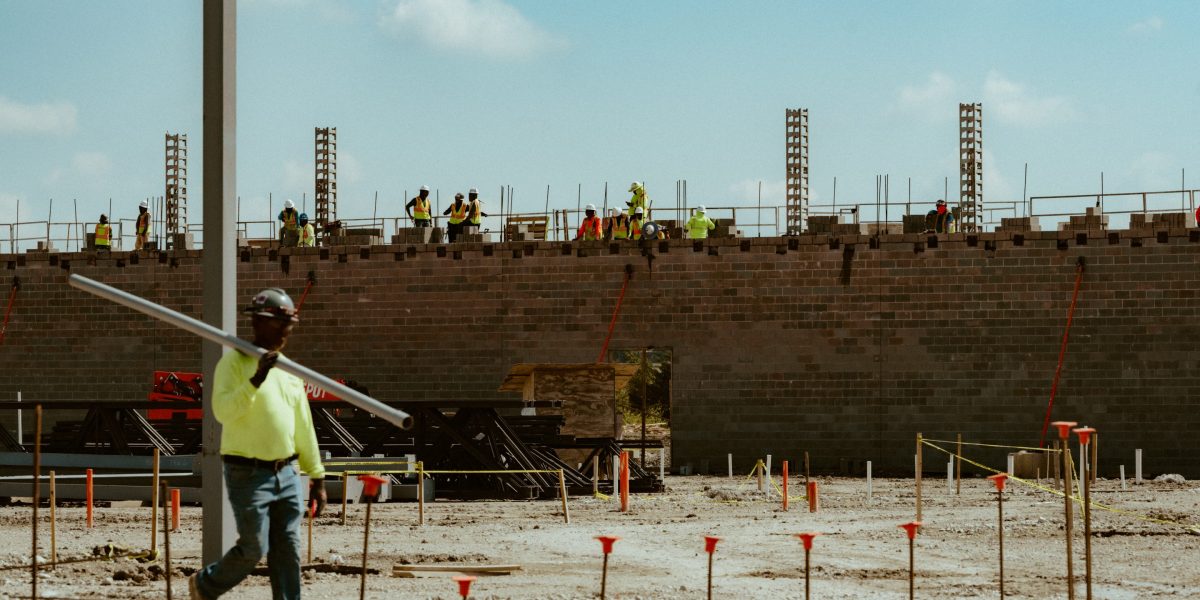
Courtney Rose / Unsplash
Some American cities grow at the ordinary pace of population change, adding a few new subdivisions each year, renovating a mall here and there, or opening a new highway exit. Others change shape entirely within a few years. New employers move in, housing developments spread across what used to be ranchland, and a city's job base and tax rolls swell at a rate that reshapes local schools, roads, and budgets. That second kind of growth reflects an expanding economic capacity rather than lucky timing, and it comes with real costs of its own. Rents climb, traffic worsens, and longtime residents sometimes find their hometown barely recognizable within a decade. But for job seekers, homebuyers, and businesses looking for room to expand, these places represent some of the clearest opportunities in the country right now.
Between 2019 and 2024, some U.S. cities added housing units, workers, and economic output at multiples of the national pace. Nationally, employment and housing growth over that five-year window landed far below what the fastest-moving cities posted, and that difference widened rather than narrowed as the decade progressed. Central Texas and the Mountain West saw some of the largest gains, while much of the Northeast and Rust Belt saw modest or flat growth across the same measures. A single metric rarely tells the full story. A city can add housing without adding jobs, or add jobs without adding people to fill them. The cities that combined strong growth across housing, labor force, and economic output all at once are the ones that stand out most clearly in the data.