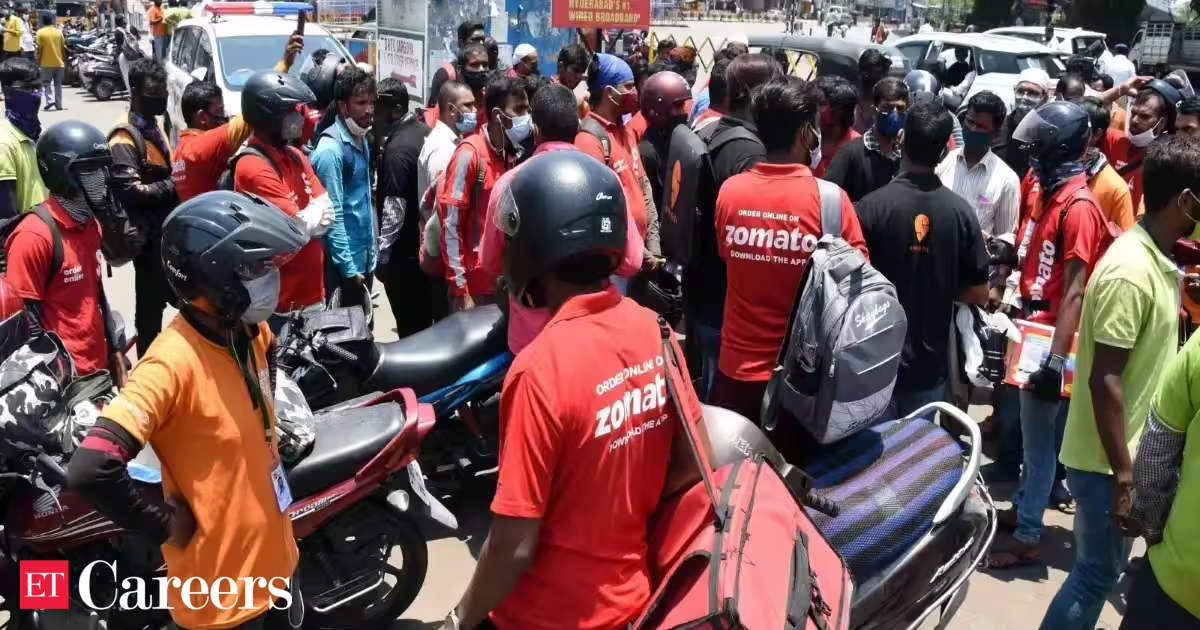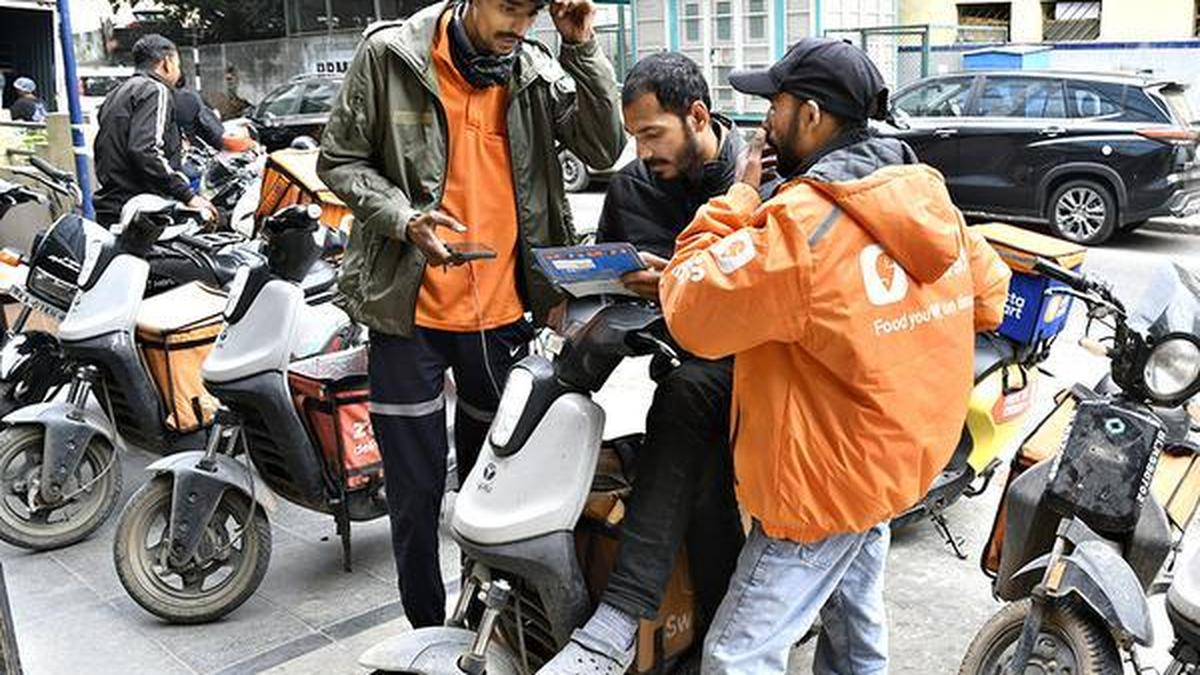
India’s festive season is expected to drive a 15–20 per cent year-on-year increase in demand for temporary and gig workers, as e-commerce, quick commerce, food delivery, logistics and retail companies prepare for a seasonal surge in consumer activity.According to Adecco India, the estimated requirement for temporary and gig workers could reach 2.5–2.7 lakh this festive season, compared with around 2.16 lakh last year.Demand is expected to be broad-based, with logistics, last-mile delivery and BFSI among the strongest hiring segments, where demand could rise by around 30 per cent.“Festive hiring for temporary and gig workers is expected to grow by 15–20 per cent compared with last year. Quick commerce, e-commerce and food delivery platforms are expected to remain the key drivers of this demand,” said Varun Sachdeva, SVP & APAC Head, NLB Services.Talent shortage puts pressure on employersThe increase in demand is also exposing a shortage of frontline workers. Adecco said around 80 per cent of employers are reporting talent shortages, while the demand-supply gap could remain at 10–15 per cent during the peak period.Employers are responding by widening their talent pools to Tier 2 and Tier 3 cities, relying more on referrals and pre-qualified candidates, and starting workforce planning nearly 12 weeks before the festive period.Temporary wages are expected to rise 10–15 per cent year-on-year, according to Adecco, driven by statutory minimum wage revisions and continued demand for frontline workers. Companies are also using attendance and retention bonuses, productivity-linked incentives and referral payouts to improve workforce stability.However, the broader gig workforce is expected to continue expanding rapidly. Balasubramaniam A, Senior Vice President, TeamLease, said India’s organised gig workforce currently stands at about 1.2 crore and could double to 2.4 crore by 2030, implying a CAGR of around 20 per cent.“Bulk of that growth typically happens during the festival season. There is some steady-state growth of maybe 10 per cent or so over the remainder of the year. But the bulk of the spike actually happens during the festival season,” he said.At the same time, companies are increasingly looking beyond simply adding workers and are placing greater emphasis on digital readiness and operational capabilities.“Festive hiring is increasingly moving beyond simply adding headcount to building a workforce with the digital and operational capabilities needed to support increasingly technology-led business models,” said Sachdeva.Employers are increasingly seeking workers comfortable with delivery applications, warehouse management systems and handheld devices, while skills such as logistics, inventory management, adaptability and customer communication are gaining importance.Balasubramaniam said the workforce in quick commerce also requires specific training, despite often being classified as “unskilled”.“I personally am against labeling jobs as unskilled and semi-skilled. Everything is skilled. It is just that there is a very specific orientation and training that is required,” he said.With festive demand concentrated into a few months, companies are expected to continue using incentives and early workforce planning to secure talent, while the growing emphasis on digital and operational skills could reshape the profile of India’s seasonal workforce.Published on August 11, 2026
Talent crunch intensifies as festive hiring of gig expected to go up 20% this year
Demand is expected to be broad-based, with logistics, last-mile delivery and BFSI among the strongest hiring segments, where demand could rise by around 30 per cent.
495 words~2 min read