Germany’s transport minister said the government is monitoring fuel-price spikes as low water levels spurred by intense heat this summer trigger higher prices in some regions of Europe’s largest economy.
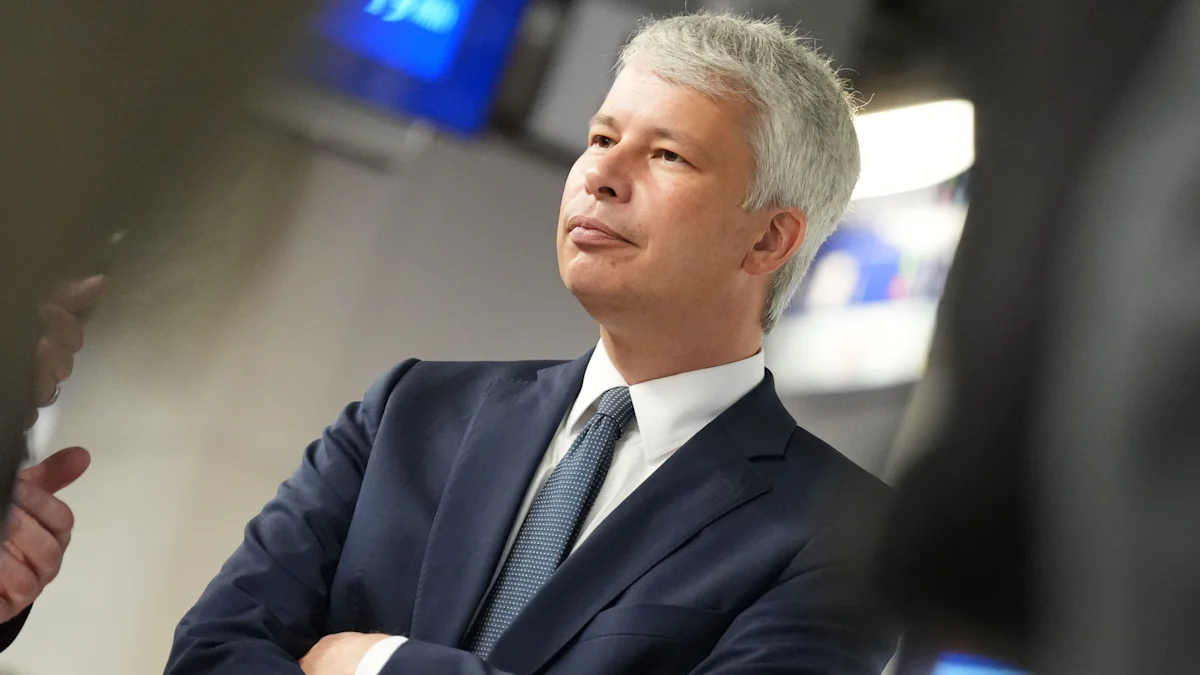
Steffen Bilger, who joined Chancellor Friedrich Merz’s cabinet on July 29, said he opposed a fuel rebate similar to one agreed to in April in response to the war in Iran as “no longer possible and no longer affordable.” But the coalition partners are in discussion as the effect of critically low river levels reverberates, including in higher prices.
“That is of course another effect in certain regions, where prices have risen because of the supply problems,” Bilger said on Tuesday in the northern port city of Kiel. “We do not yet have a supply crisis, the supply chains are functioning, but there are price spikes in some regions.”
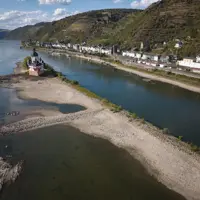
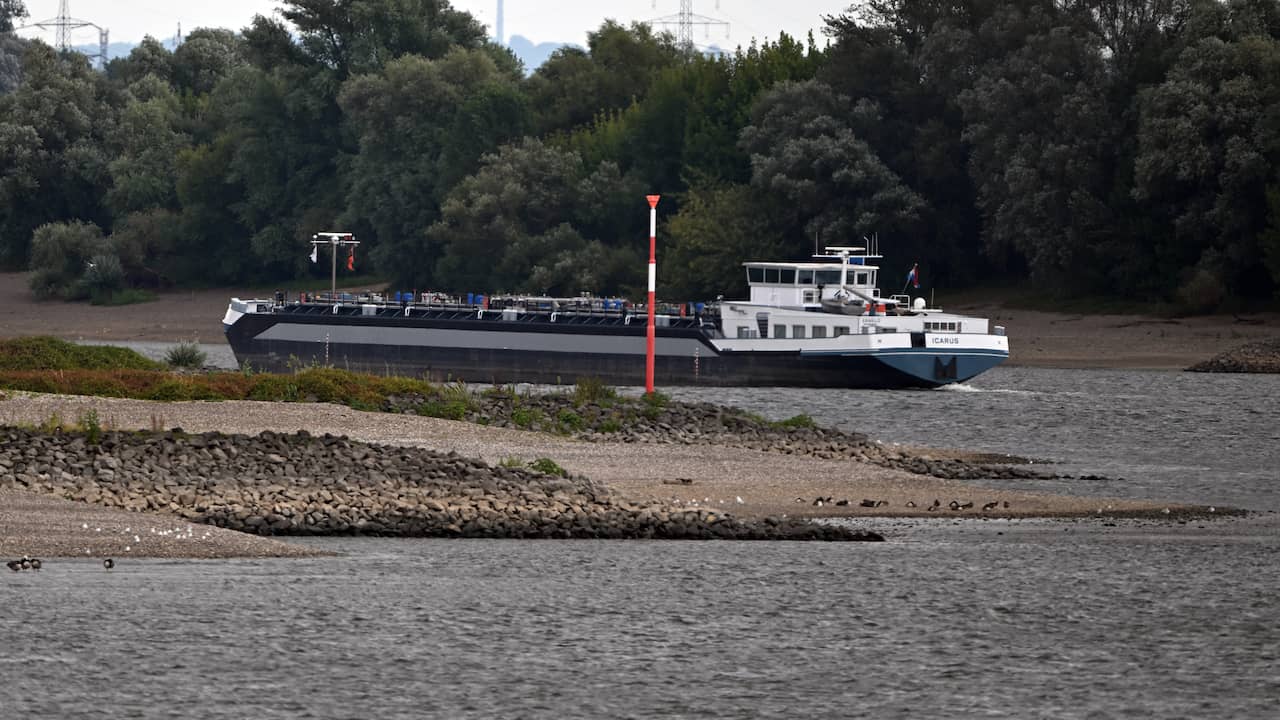
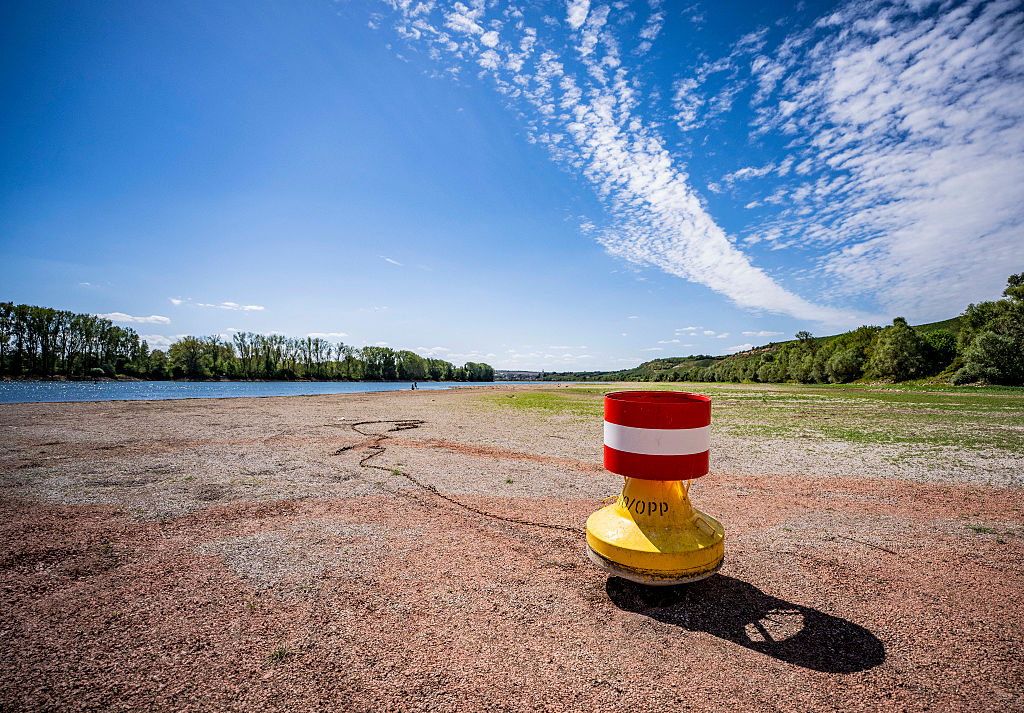
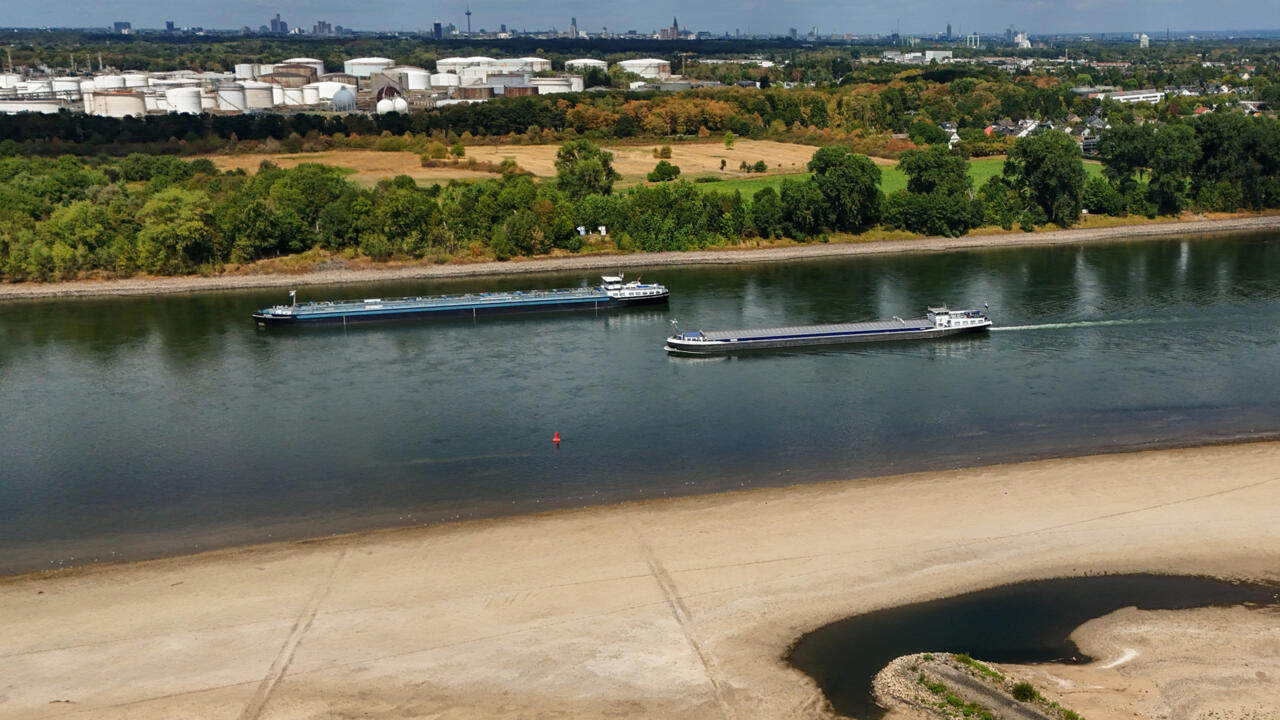
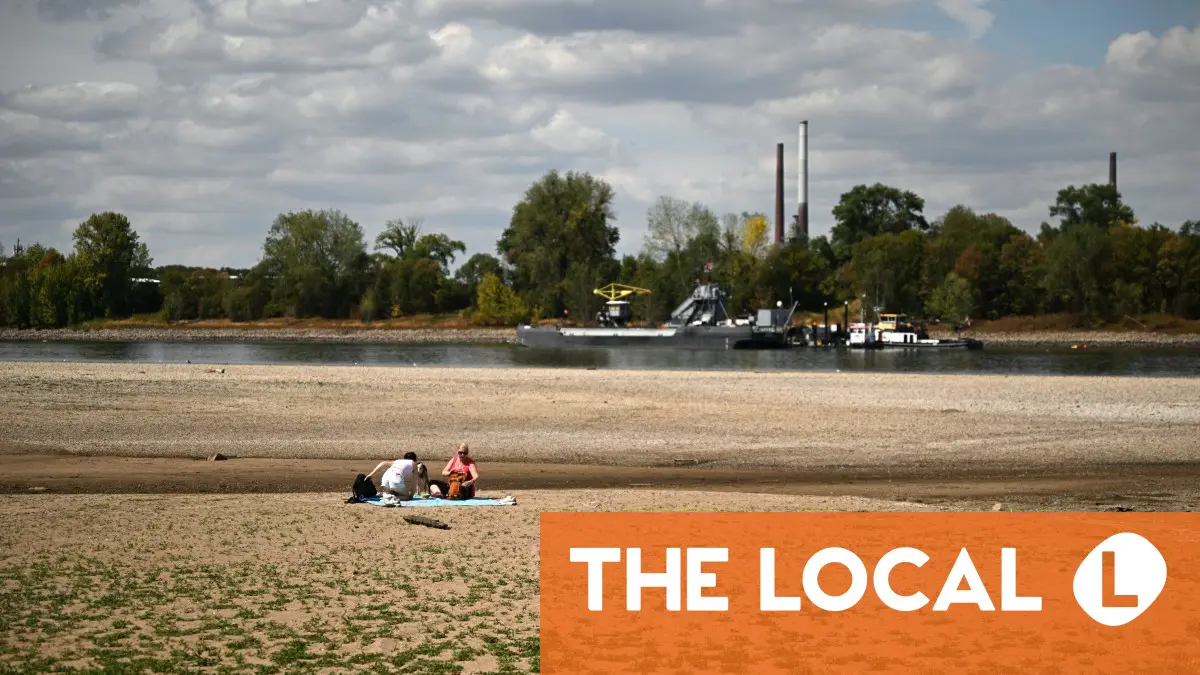
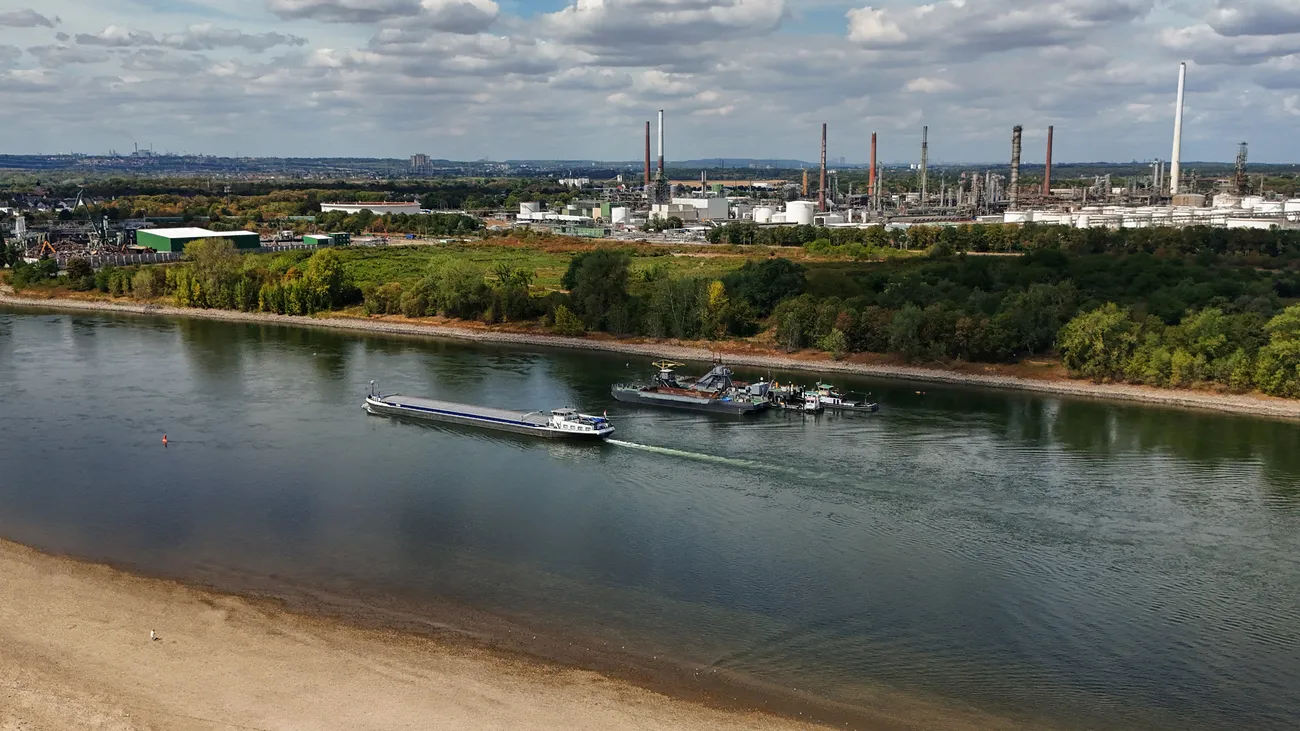
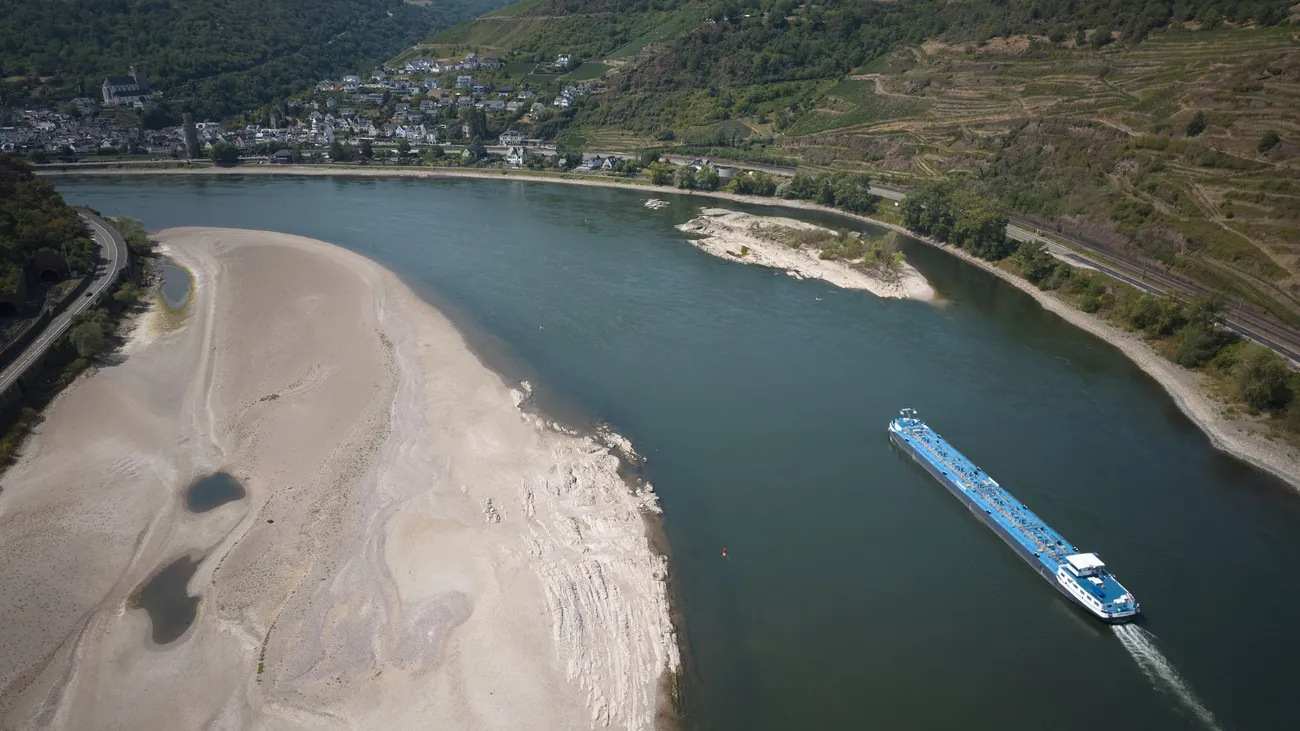
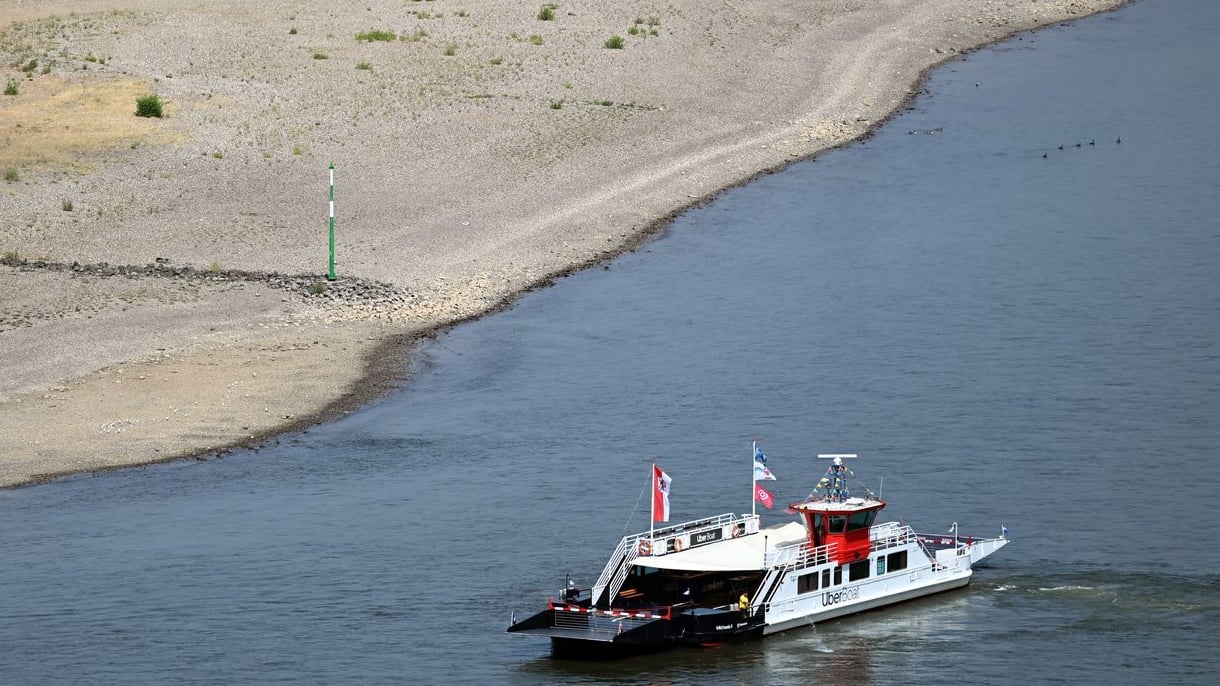
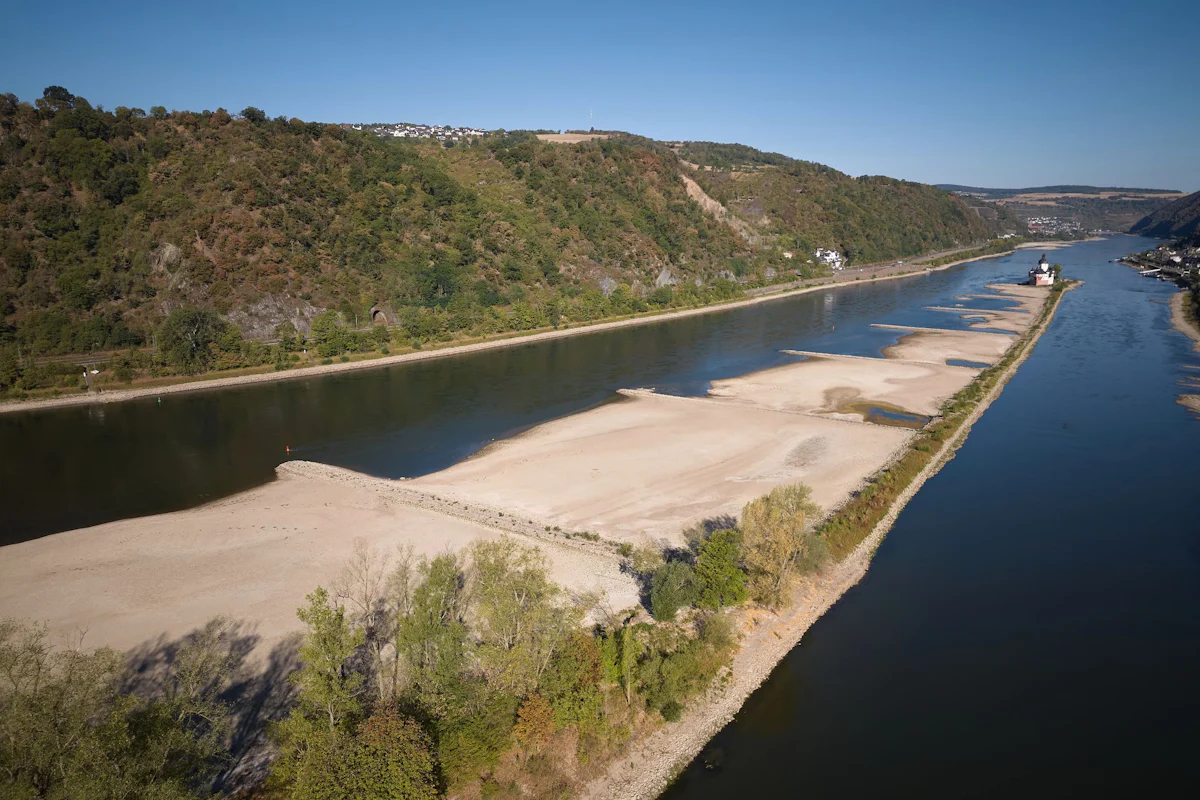
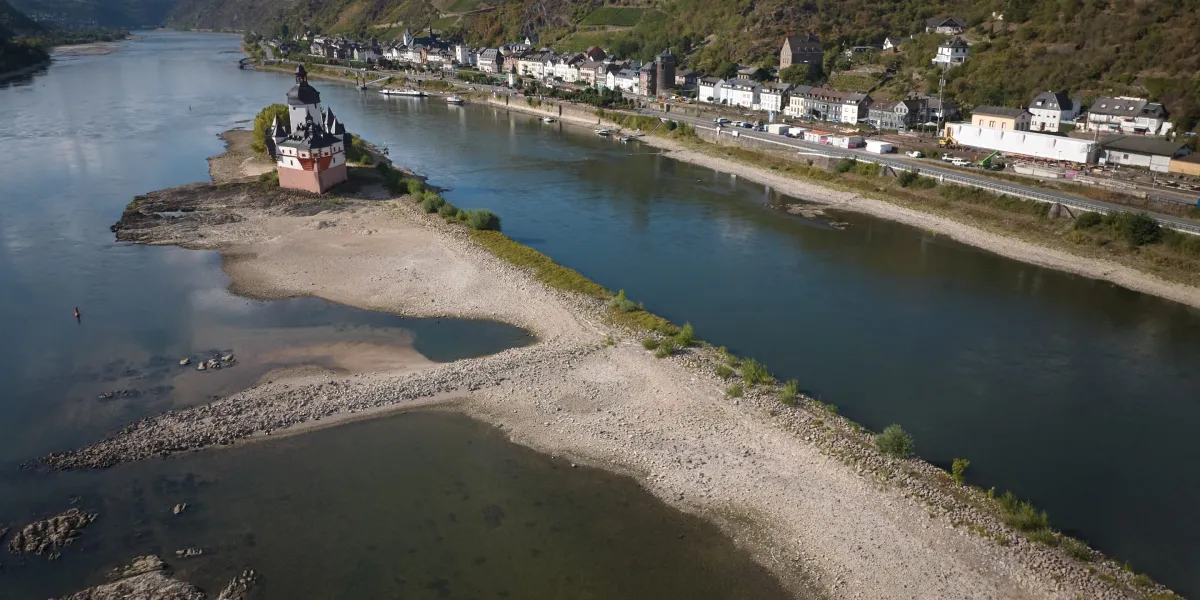
Europe is contending with another heat wave this week, as soaring temperatures raise the risk of wildfires, threaten crops and dry watersheds that feed the region’s waterways, including the Rhine, Danube and Po. River navigation and power production have been disrupted by dwindling water levels.
The barge clearance level at Kaub on the Rhine, a key chokepoint for river shipments to southern Germany and Switzerland, continues to drop. It fell to 24 centimeters (9.5 inches) a week ago, the lowest since records began in 1880, and reached 14 centimeters on Tuesday. Forecasts from the Federal Waterways and Shipping Administration show the level could fall to 9 centimeters by Saturday.