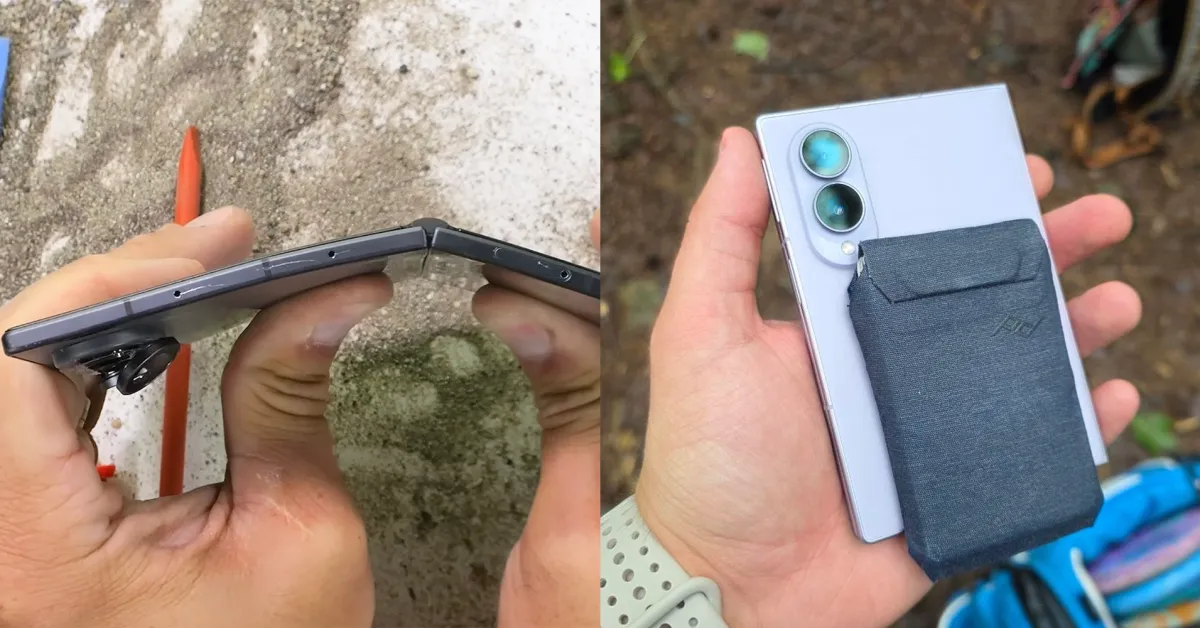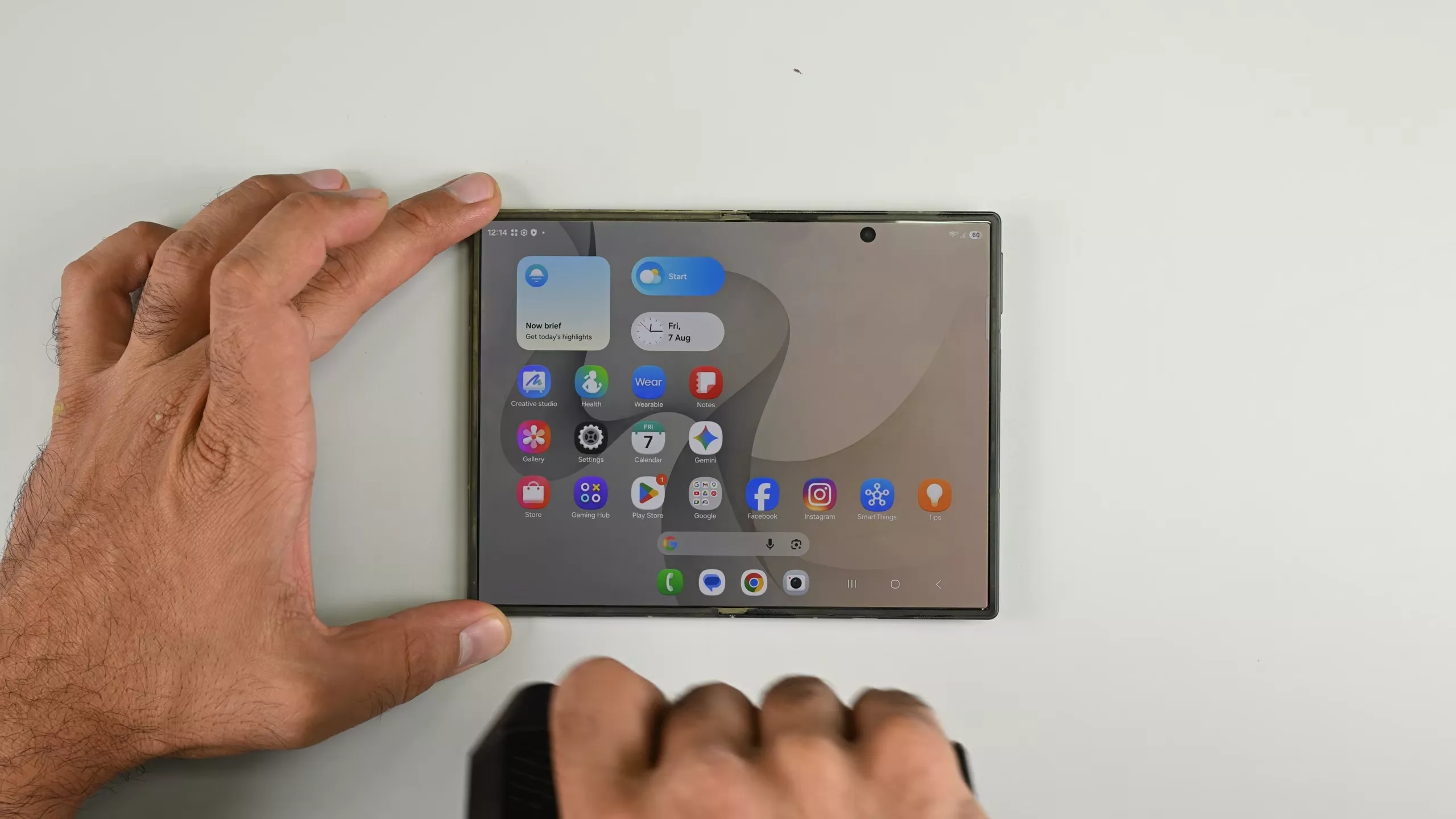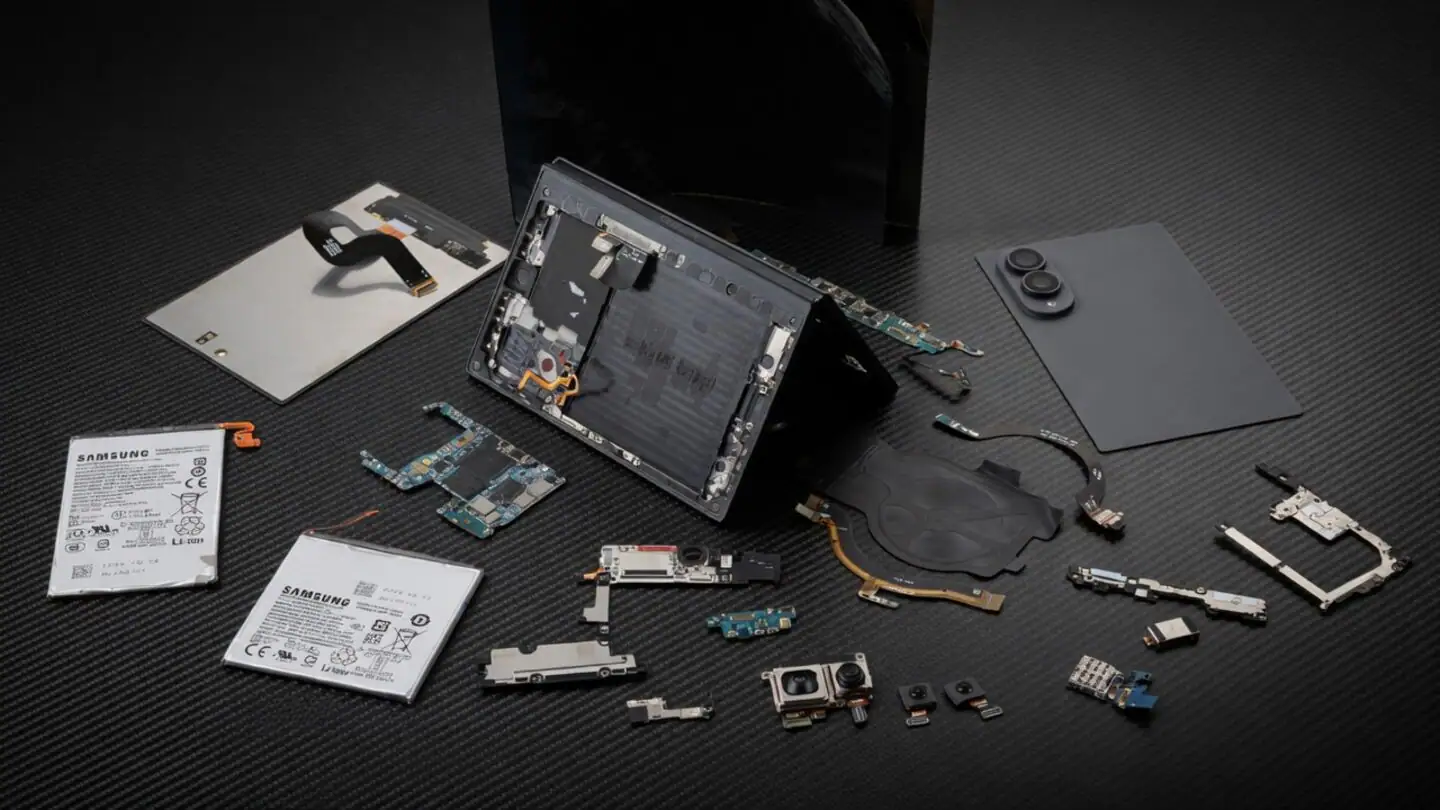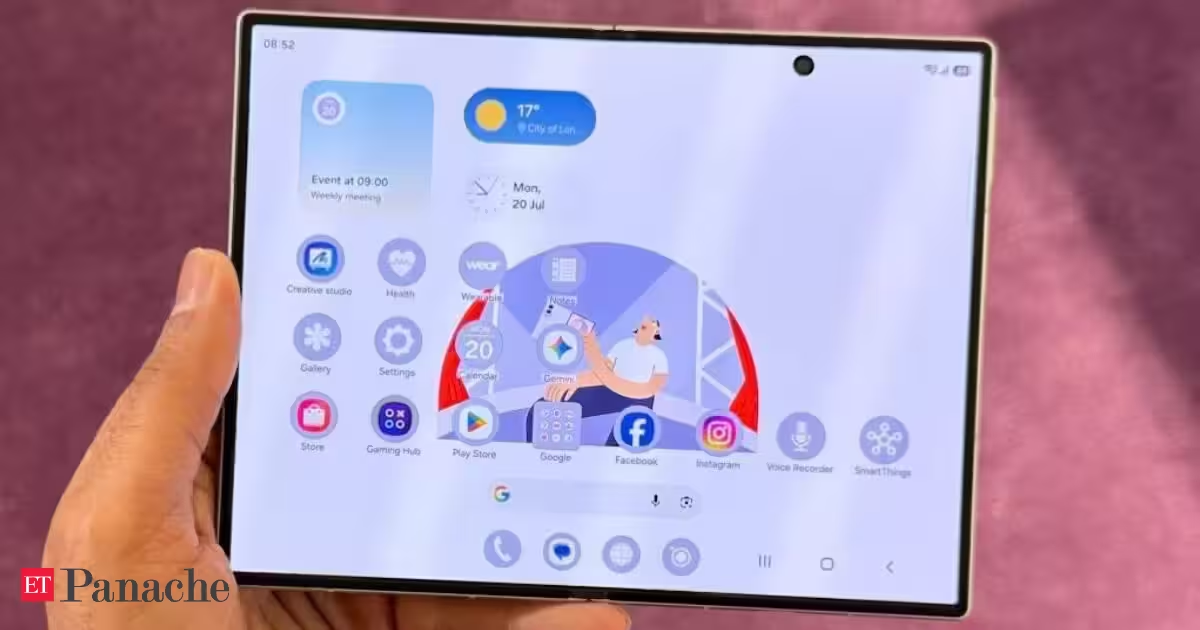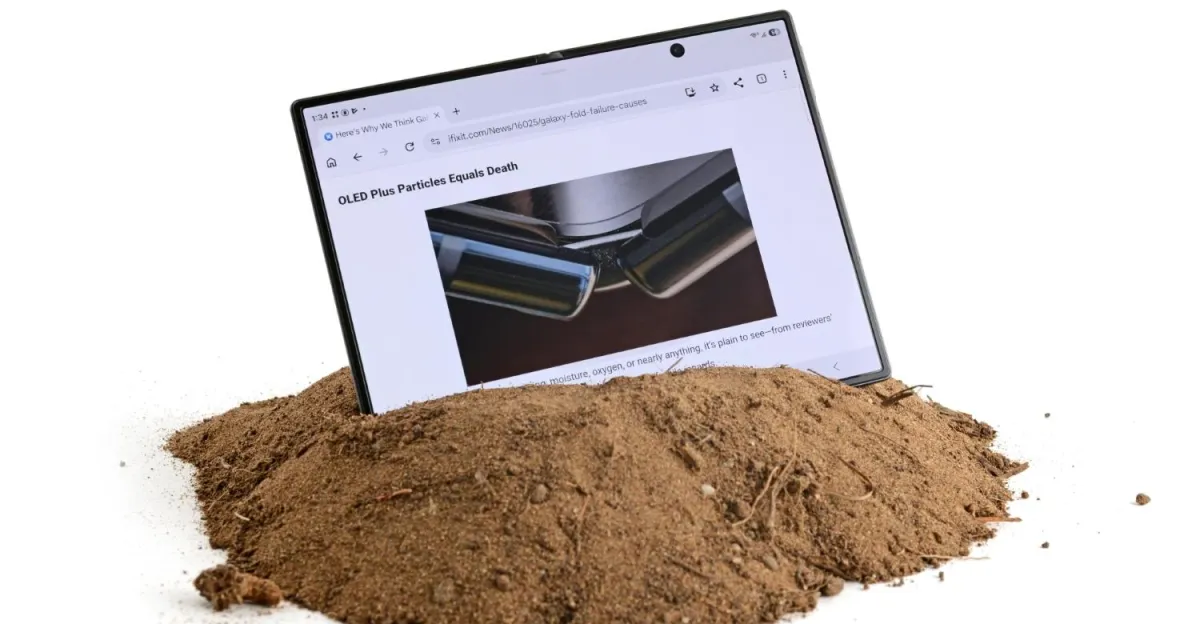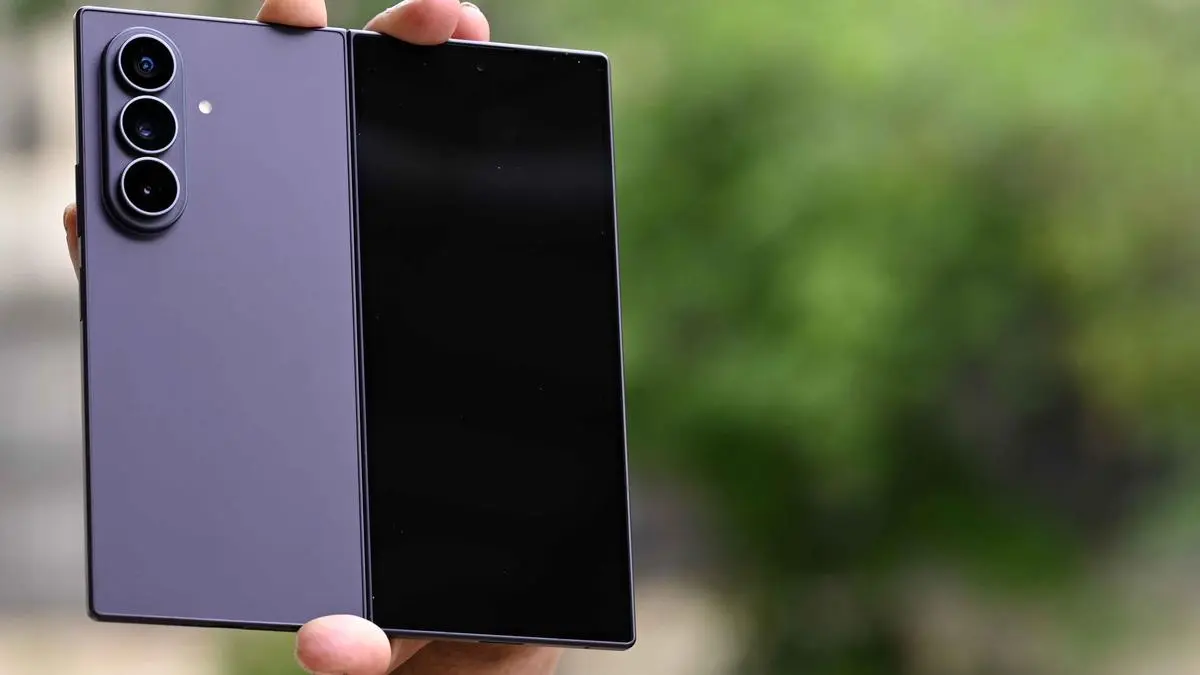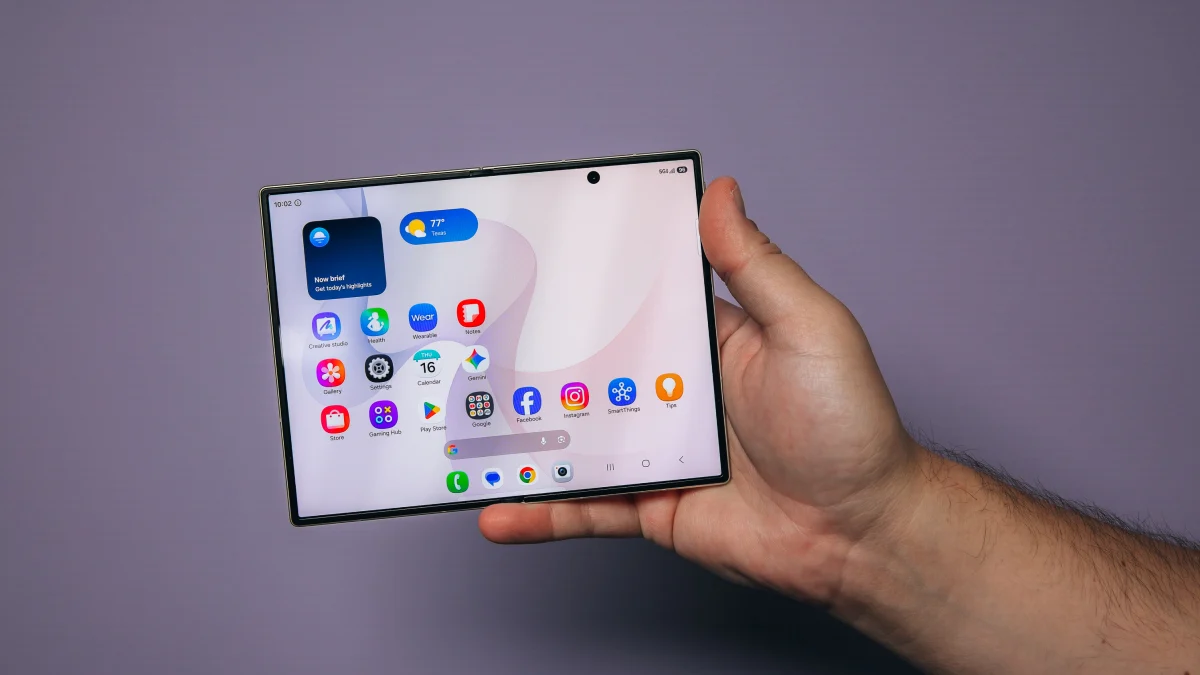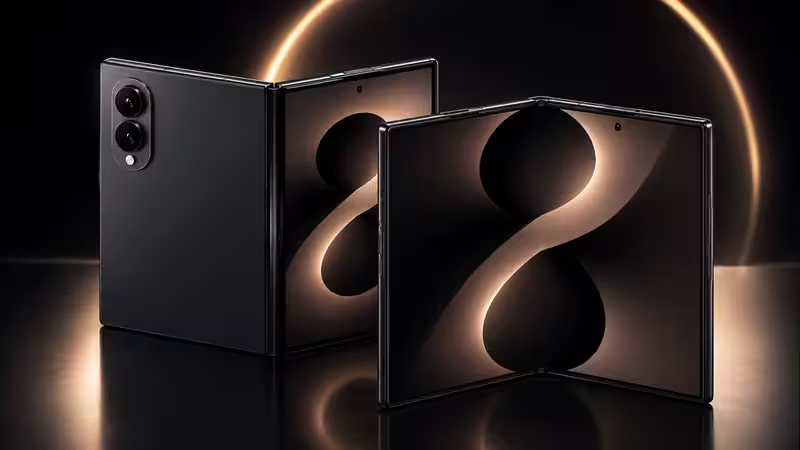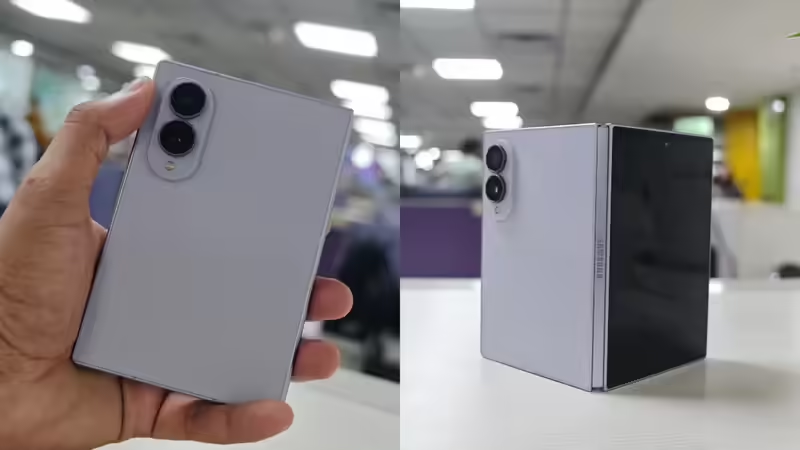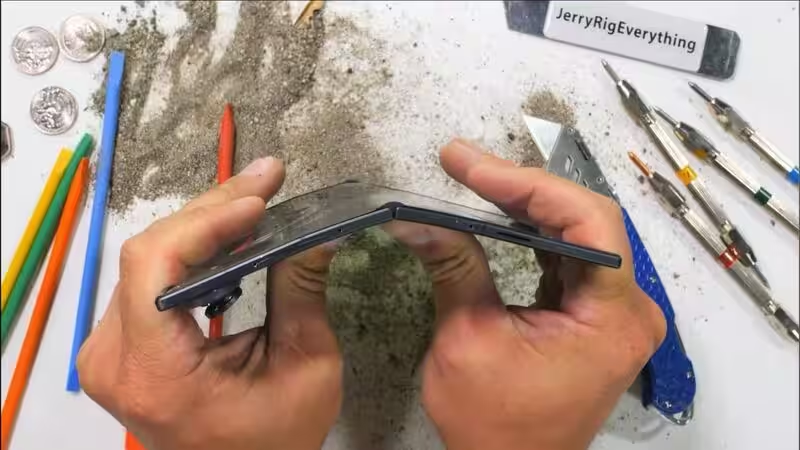
Samsung’s Galaxy Z Fold 8 has faced one of the toughest real-world durability trials available for a smartphone, with YouTube channel JerryRigEverything putting the foldable through scratches, sand, bending and other physical abuse.The test, conducted by Zack Nelson, offers an early look at how Samsung’s latest foldable handles the weaknesses that have historically challenged flexible phones. The Galaxy Z Fold 8 is built around a thinner design and a redesigned display structure featuring Samsung’s Flex Titanium technology.About The AuthorHey there, i am a technology enthusiast with a deep passion for gadgets, consumer electronics, emerging technologies, and the fast-paced world of digital innovation. Constantly exploring the latest tech trends, product launches, and industry developments, I enjoy translating complex technological advancements into engaging and accessible stories for readers. My interests span smartphones, wearables, artificial intelligence, smart devices, and the broader technology ecosystem. As I begin my journey as a Tech Journalist at Gadgets Now, I am excited to contribute to a platform that informs millions of readers, combining my passion for technology with storytelling to deliver insightful, accurate, and timely tech coverage.Several intense tests are overcome by the phone, but these also reveal that not all weaknesses are addressed by making a foldable thinner and tougher. The inner screen scratches easily, but is much less vulnerable to being crushed, although the body surprisingly holds up well to physical force.What gets better on the Galaxy Z Fold 8, and where does it still need improvement?JerryRigEverything’s durability test shows that Samsung has improved the Galaxy Z Fold 8’s structural strength, particularly while making the foldable thinner. The phone survived a severe bend test without breaking, while its inner display continued to function. Samsung’s Flex Titanium display structure, Armor FlexHinge and reinforced frame are designed to distribute stress and improve resistance to bending and impact.The outer display also gets stronger protection through Gorilla Glass Ceramic 3, which performed similarly to conventional smartphone glass in the scratch test.However, the test shows that some weaknesses remain. The inner OLED display is still highly vulnerable to scratches, including marks from a fingernail. Sand and gravel also entered the hinge during testing and produced a crunching sound, showing that the IP48 rating does not make the mechanism immune to debris. The Fold 8 is therefore stronger overall, but its flexible screen and hinge still need further refinement.How does the Galaxy Z Fold 8 pass the sand and blade test?JerryRigEverything’s durability test subjected the Galaxy Z Fold 8 to sand and gravel, including material around the hinge, to examine how the mechanism responds to debris. According to the test, folding the phone after the sand exposure produced a noticeable crunching sound, showing that particles had entered the hinge area.However, the hinge continued to function, suggesting that Samsung’s redesigned construction can tolerate a degree of everyday contamination. The Fold 8 carries an IP48 rating, which provides protection against certain solid particles and water exposure, although it should not be interpreted as complete dustproofing.More articles by AuthorTrending StoriesThe blade and scratch testing tells a more complicated story. Zack Nelson discovered the inner screen can be relatively easily scratched; it turns out the factory applied screen protector is partly responsible. Samsung advises against removing the factory-installed screen protector. It would seem the outer screen is covered in Corning Gorilla Glass Ceramic 3, and it reached roughly the same levels as an average smartphone.The result shows why the Fold 8’s durability improvements are primarily about structural strength and impact resistance rather than making the flexible OLED surface as scratch-resistant as hardened smartphone glass.How did the Galaxy Z Fold 8 survive the bend test?The bend test was one of the more encouraging parts of JerryRigEverything’s examination. With the phone folded, Nelson found the Galaxy Z Fold 8 to be notably rigid when force was applied to its structure. When the handset was opened and bent backward, the device flexed substantially, but the attempt did not result in the phone breaking or the inner display failing.That said, the test did appear successful – the display remained intact throughout the extreme bend, illustrating the importance of the phone's internal frame, hinge and reinforced display structure. Foldable smartphones require a balancing act - the display must be flexible for the folding itself to work, but the phone as a whole still needs to be rigid enough to cope with unavoidable pressures. For the Fold 8 Samsung notes an Armor FlexHinge which they claim can do this whilst staying very slim.The display is also strengthened with an Armor Aluminum frame on the inside as well to protect internal components which helps distribute pressure rather than letting force focus on one place on the phone.Nonetheless this test should not be taken as proof the phone is indestructible..How does Flex Titanium strengthen the OLED display?Samsung’s Flex Titanium technology is central to the Galaxy Z Fold 8’s durability strategy. The company says the display structure incorporates two titanium layers within the shock-absorbing layer beneath the OLED panel. Samsung describes this construction as a way to strengthen the screen while supporting a thinner foldable design. The company also says the new structure helps absorb pressure and impact and contributes to reducing the visibility of the display crease over time.Titanium's importance here comes in how it acts to structurally reinforce the OLED panel and not take its place. Samsung has included a titanium alloy film in the display stack with a titanium plate built beneath the foldable screen for support.According to Samsung, this approach allows the display to maintain flexibility while gaining greater resistance to mechanical stress. The durability test provides some practical evidence for that design philosophy: the inner panel remained functional after the Fold 8 was subjected to substantial bending.Yet Flex Titanium does not make the OLED surface scratch-proof. On the inside, JerryRigEverything found that the screen was scratched almost as readily as the screen on a normal, glass screen covering that’s fitted to the other screens of conventional smartphone screens. Now why do you think is important? Because the titanium part goes underneath the display itself. What’s actually on the exposed glass is still going to be a plastic, bendable coating on top of that.Samsung’s own specifications emphasize impact protection and structural durability rather than claiming superior scratch resistance for the inner screen.Why the durability test matters for Samsung’s thinnest foldable designThis experiment is even more compelling given the way Samsung has further refined the Galaxy Z Fold 8 into an ever-slimmer profile, all while maintaining the book form factor for which the line has always been known. Samsung notes the device weighs in at 201 grams and has a folding width of just 4.5 millimeters. That slimmer construction increases the importance of how effectively the internal materials manage stress.The JerryRigEverything test suggests Samsung has made meaningful progress in this area. The phone remained operational after sand and gravel entered the hinge area, survived a severe backward bend without breaking and retained an intact inner display.What's less encouraging, on the other hand, is the scratch test once more emphasizing the old drawback of foldables – there's currently just no way a flexible OLED panel is as durable as hard glass. The ultimate conclusion the fold is fairly robust without actually undoing the unavoidable tradeoffs associated with a folding screen. I would, however, give the inner screen a bit of special attention around pointy things and dirty floor debris. FAQsHow durable is the Galaxy Z Fold 8 compared to traditional smartphones?The Galaxy Z Fold 8 has shown impressive durability under extreme tests, notably maintaining functionality after exposure to sand, gravel, and substantial bending. While it utilizes advanced materials like Flex Titanium and Armor Aluminum to enhance structural strength, the inner display remains more vulnerable to scratches than conventional smartphone screens.What technology does Samsung use to enhance the structural integrity of the Galaxy Z Fold 8?Samsung incorporates Flex Titanium technology in the Galaxy Z Fold 8, featuring two titanium layers within the shock-absorbing layer beneath the OLED panel, aimed at strengthening the display while maintaining a thinner design. This construction helps absorb impact and reduces the visibility of the display crease over time.What is the IP rating of the Galaxy Z Fold 8 and what does it signify?The Galaxy Z Fold 8 carries an IP48 rating, which indicates it provides some protection against dust and water exposure. However, this should not be interpreted as complete dustproofing, and users should still be cautious about exposure to debris and moisture.Can users remove the factory-applied protective layer on the inner display of the Galaxy Z Fold 8?No, Samsung warns users against removing the factory-applied protective layer on the inner display. Doing so can increase vulnerability to scratches, as the inner display is more susceptible to damage than traditional smartphone screens.end of article
Galaxy Z Fold 8 Faces Sand, Blades and Bend Test in JerryRigEverything Durability Trial
The Galaxy Z Fold 8 from Samsung has undergone a thorough durability assessment by JerryRigEverything. It showcased impressive strength against sand and bending pressures. Nonetheless, the inner display remained prone to scratches despite incorporating advanced technology. The Flex Titanium framework enhances the device's foundation beneath its flexible screen. In conclusion, while the Fold 8 boasts better structural strength, it still faces display challenges.
1,456 words~7 min read