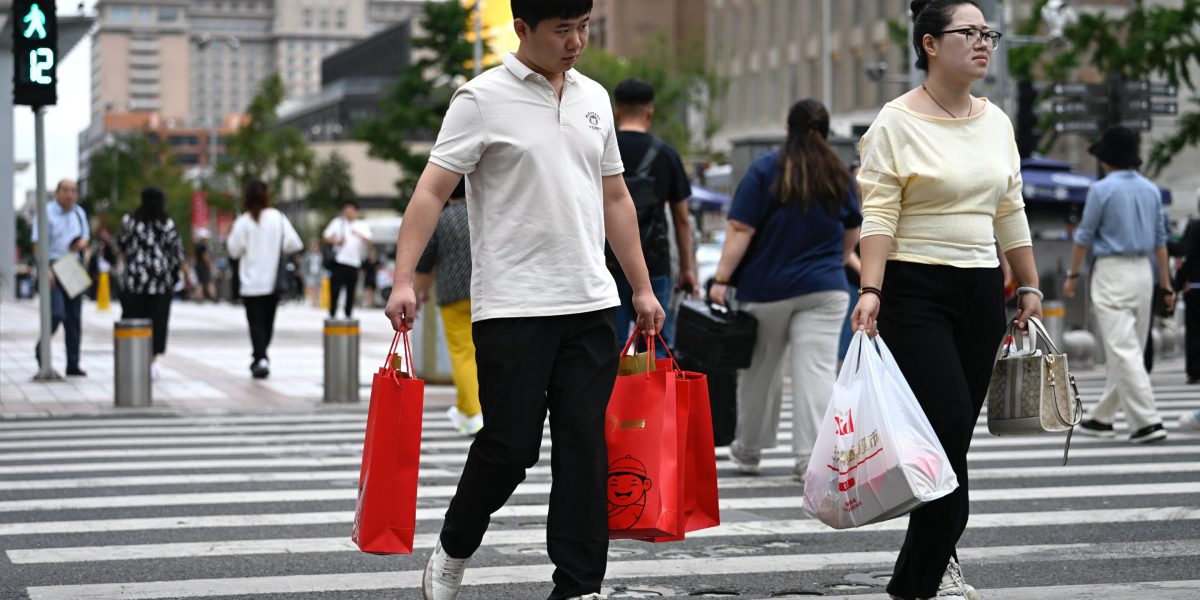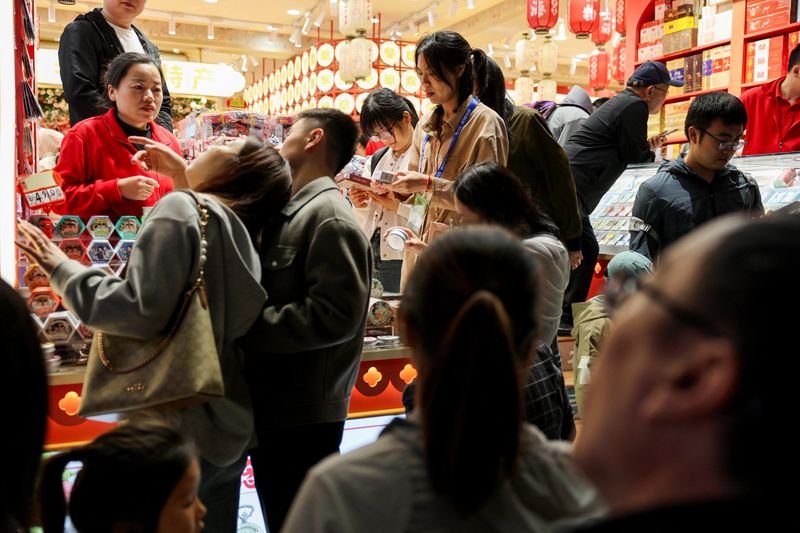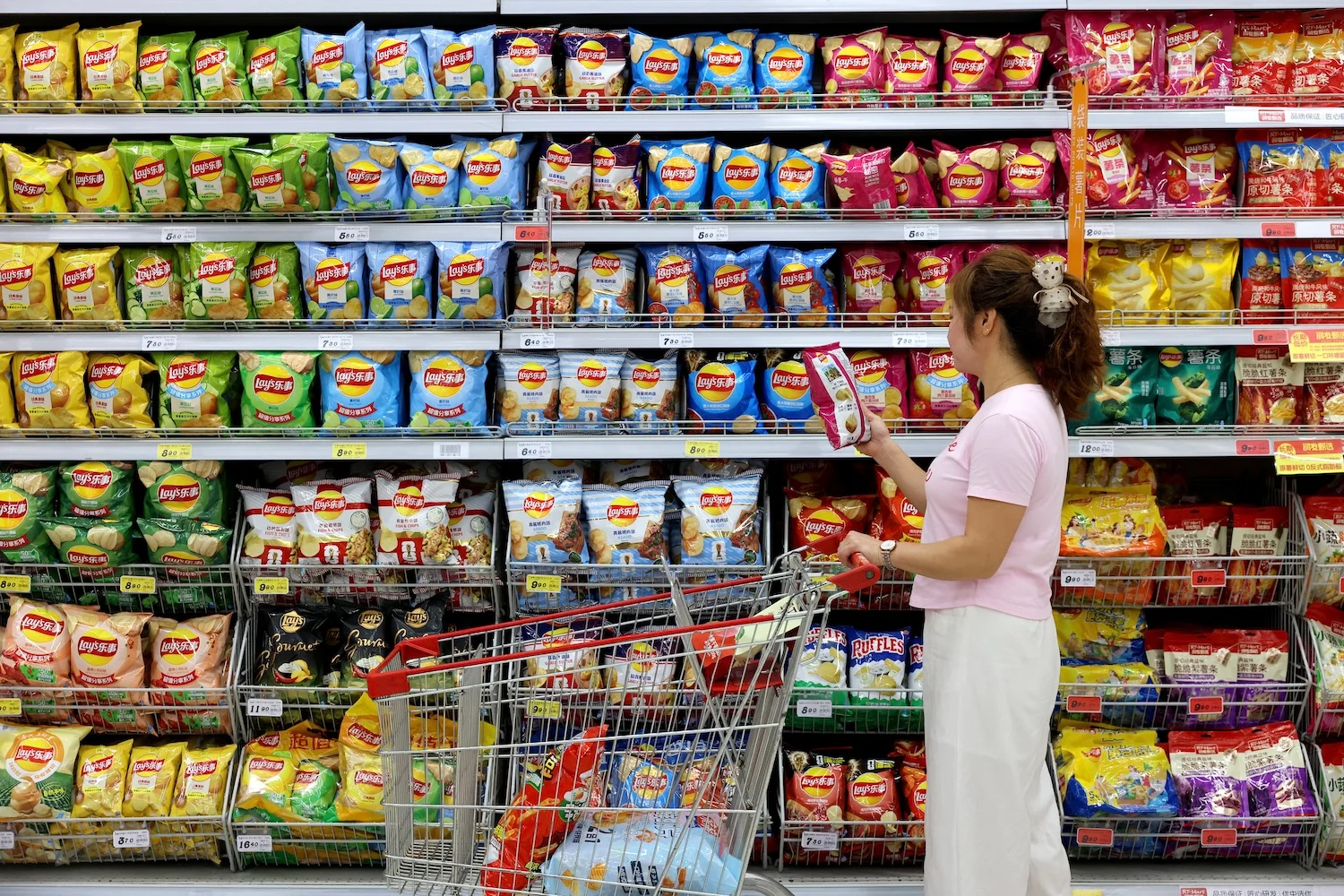
When China’s Politburo met on July 30 to set economic policy for the second half of 2026, the numbers in front of it were not good. In the first half of the year, retail sales grew just 1.3 percent from a year earlier, while the economy grew 4.7 percent. Consumer prices were up just 1 percent, about where they have been since February. A technology rally carried the stock market through the spring, but it broke in mid-July and was falling again as the Politburo convened.
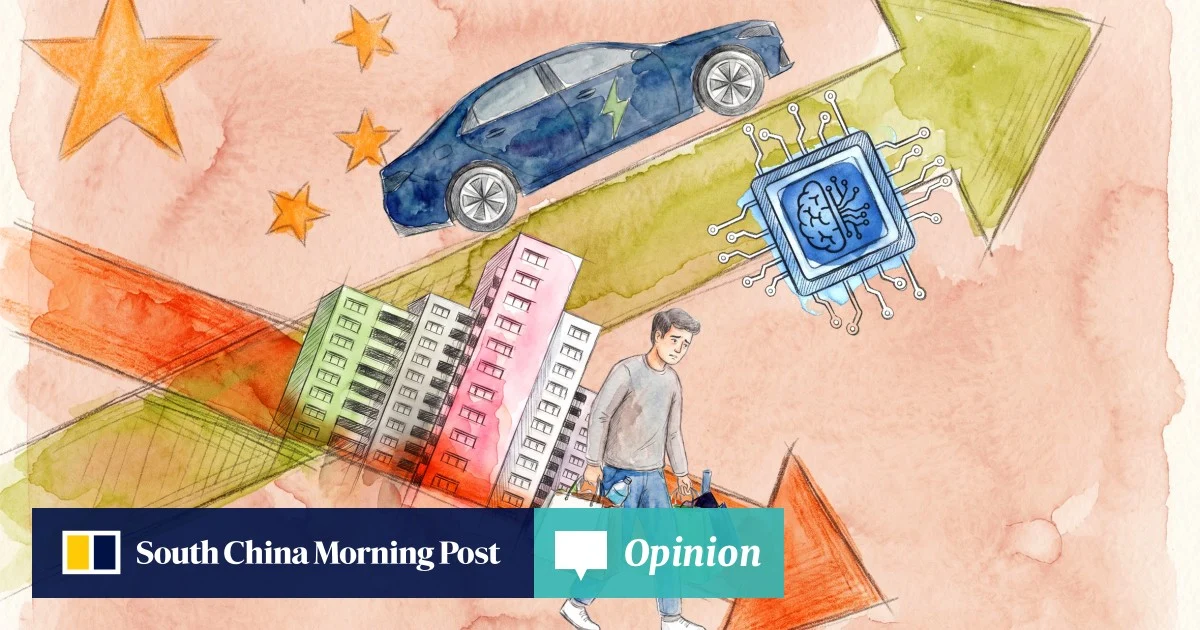
The solution that the Politburo settled on is to double down on the strategy that Chinese President Xi Jinping had already set: deepening the “AI plus” initiative, developing new forms of the intelligent economy, pushing for breakthroughs in frontier technology, building new pillar industries, and pressing ahead with six national networks—from computing power to logistics—which the National Development and Reform Commission estimated in May would take more than 7 trillion yuan of investment this year alone.
When China’s Politburo met on July 30 to set economic policy for the second half of 2026, the numbers in front of it were not good. In the first half of the year, retail sales grew just 1.3 percent from a year earlier, while the economy grew 4.7 percent. Consumer prices were up just 1 percent, about where they have been since February. A technology rally carried the stock market through the spring, but it broke in mid-July and was falling again as the Politburo convened.